Have you ever wondered how inflation impacts the housing market?
Believe it or not, they’re connected. Whenever there are changes to one, both are affected. Here’s a high-level overview of the connection between the two.
The Relationship Between Housing Inflation and Overall Inflation
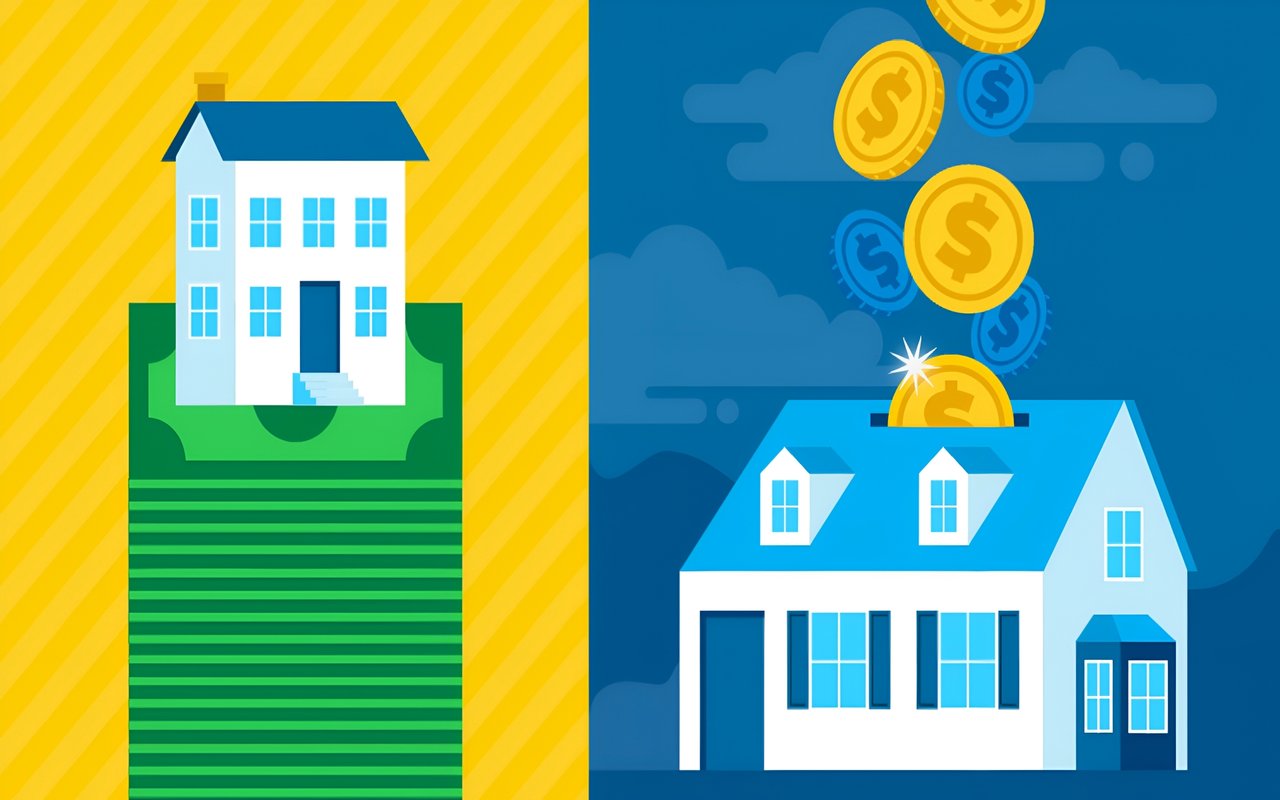
Shelter inflation is the measure of price growth specific to housing. It comes from a survey of renters and homeowners that’s done by the Bureau of Labor Statistics (BLS). The survey asks:
-
Renters how much they’re paying in rent
-
Homeowners how much they’d rent their homes for, if they weren’t living in them
Much like overall inflation measures the cost of everyday items, shelter inflation measures the cost of housing.
For four consecutive months, based on that survey, shelter inflation has been coming down (see graph below):


Why Does This Matter?
Shelter inflation makes up about one-third of overall inflation, as measured by the Consumer Price Index (CPI).
That means the recent dip in shelter inflation might be a sign that overall inflation could fall in the months ahead.
That moderation would be a welcome sight for the Federal Reserve (the Fed). They’ve been working to get inflation under control since early 2022.
While they’ve made some headway — it peaked at 8.9% in mid-2022 — they’re still aiming for a 2% target (the latest report is 3.3%).
Inflation and the Federal Funds Rate
What’s the Fed been doing to lower inflation?
They’ve been increasing the Federal Funds Rate, which influences how much it costs banks to borrow money from each other.
When inflation climbed, the Fed raised this rate to cool the economy. The graph below shows the relationship between the two:


The circled portion shows the most recent spike in inflation, the Fed’s rate hikes in response, and the resulting moderation of inflation.
As inflation nears the Fed’s 2% goal, they may not need to raise rates much further.
A Brighter Future for Mortgage Rates?
So, what does all of this mean for you?
While the Fed doesn’t directly set mortgage rates, its actions do impact them.
As Mortgage Professional America (MPA) explains:
“. . . mortgage rates and inflation are connected, however indirectly. When inflation rises, mortgage rates rise to keep up with the value of the US dollar. When inflation drops, mortgage rates follow suit.”
While no one can perfectly predict where mortgage rates will go, it’s encouraging to see signs that inflation is cooling in the economy.
Bottom Line
Whether you’re looking to buy, sell, or just stay informed about the housing market, connect with a local real estate expert who can help.