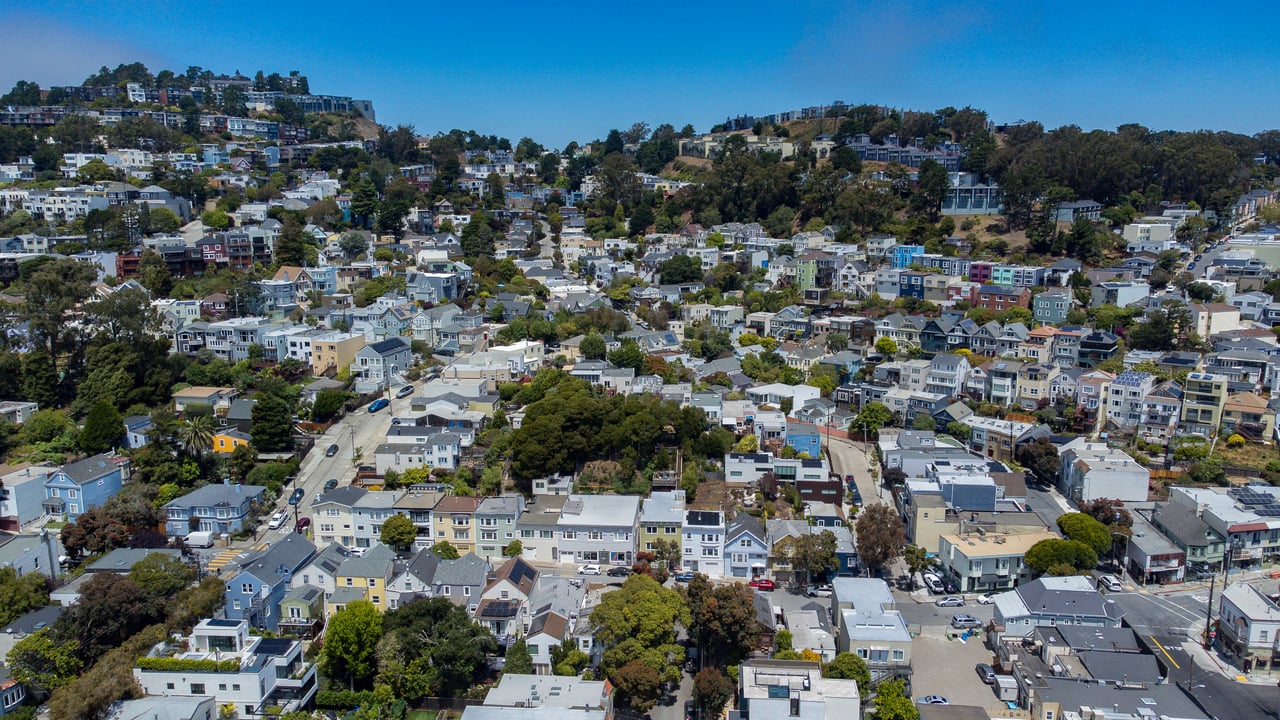
Thinking about Glen Park but not sure if it fits your day-to-day life? You are not alone. Many San Francisco buyers want a quieter feel with quick transit, access to nature, and a strong sense of community. In this guide, you’ll see how Glen Park stacks up for housing types, commute options, local amenities, and trade-offs so you can decide with confidence. Let’s dive in.
Glen Park at a glance
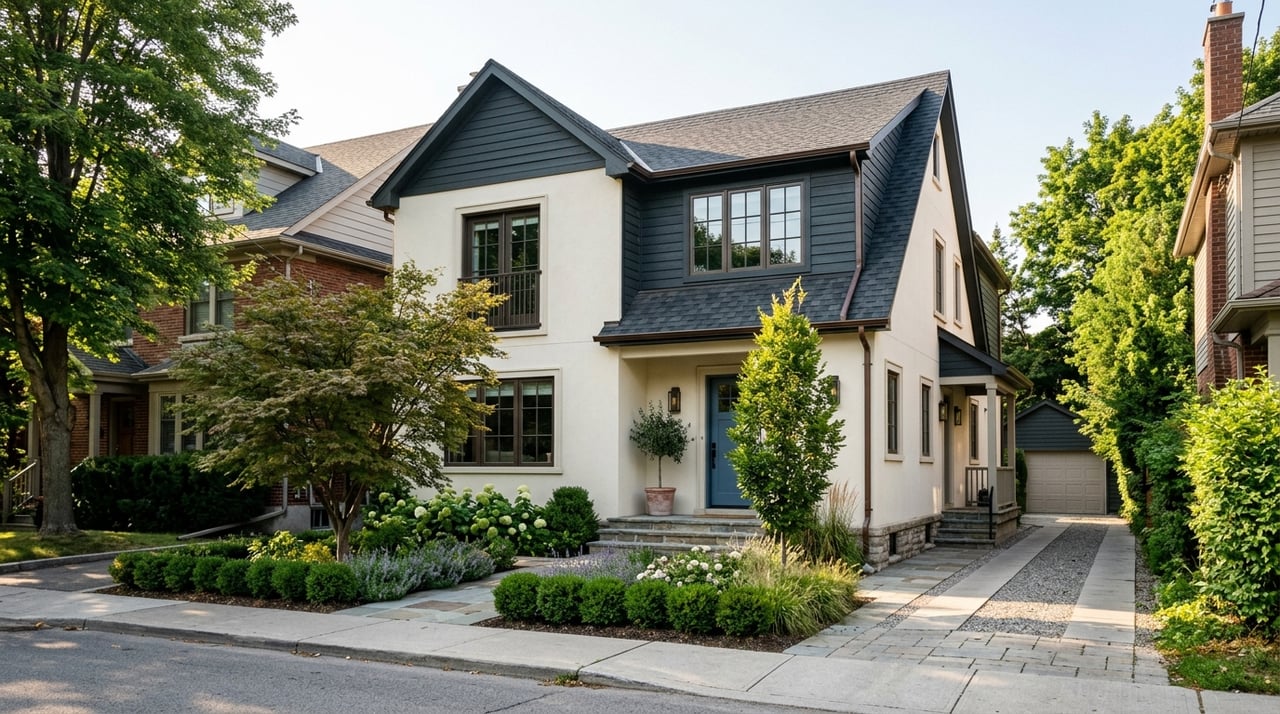
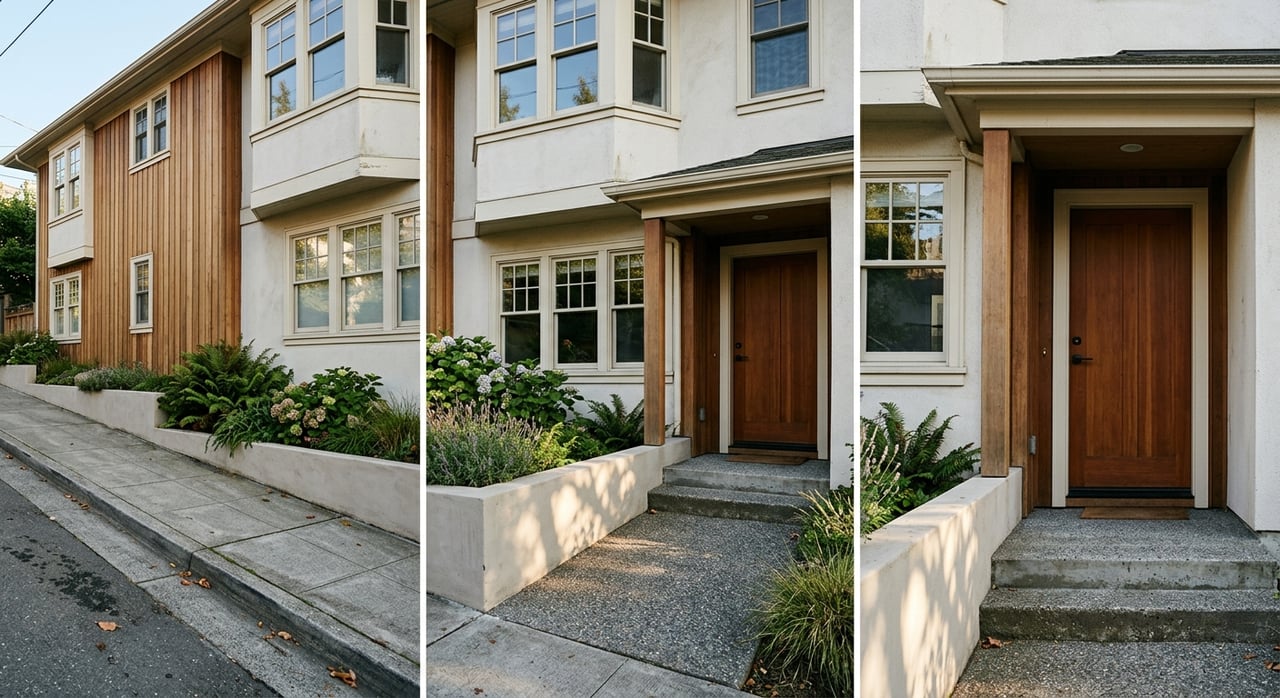
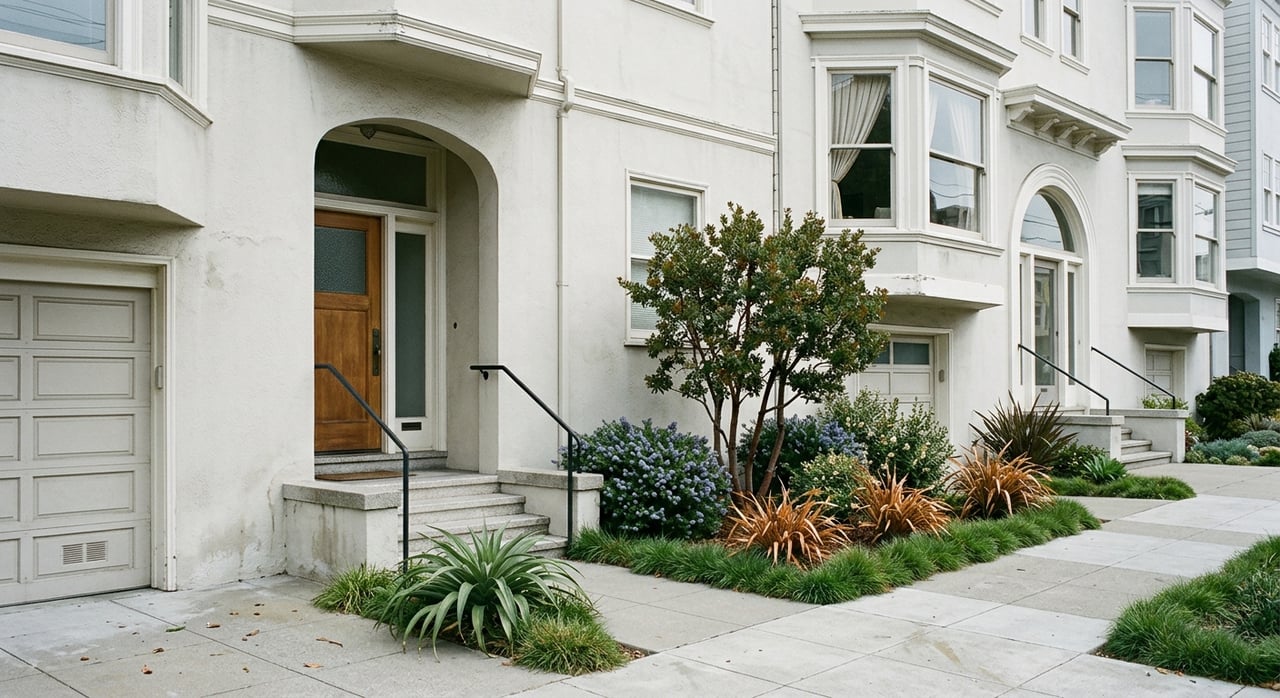
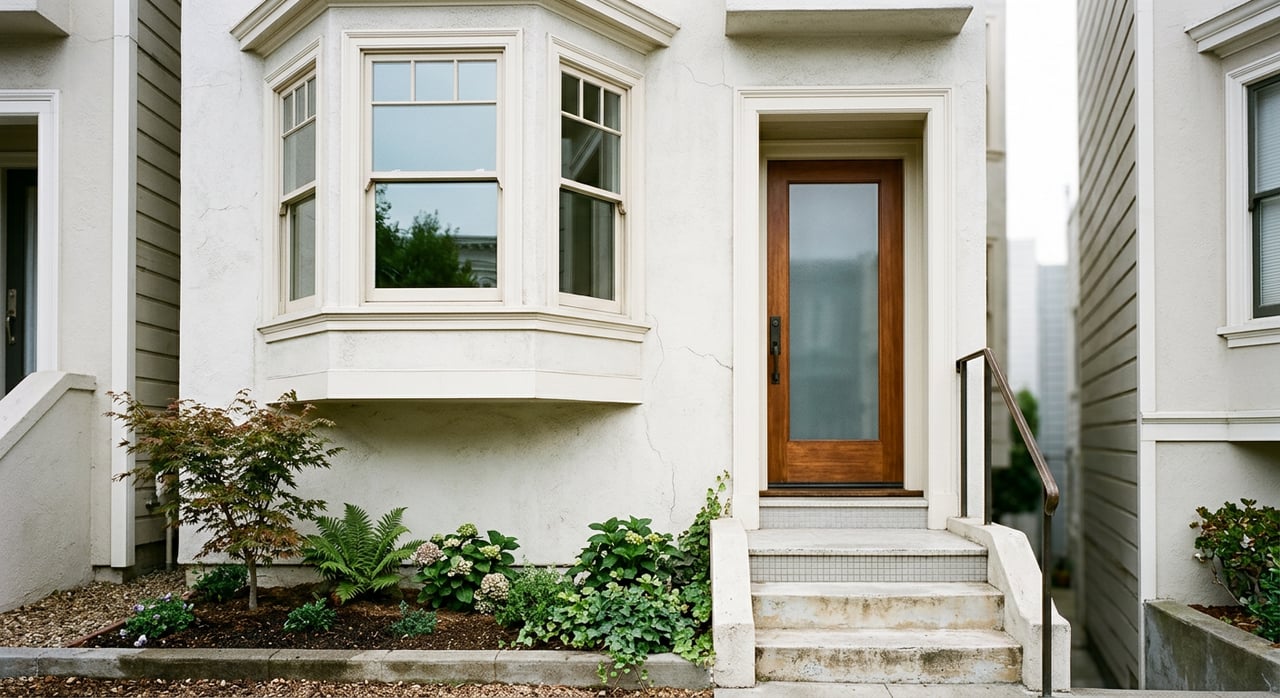
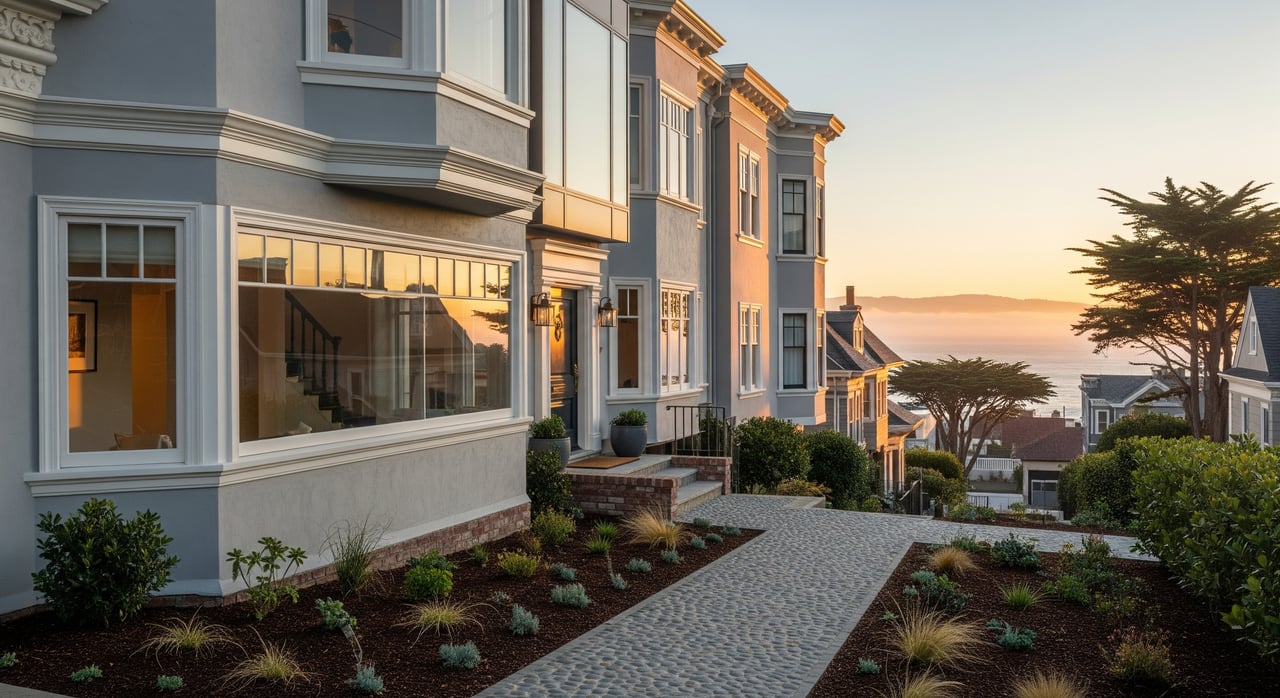
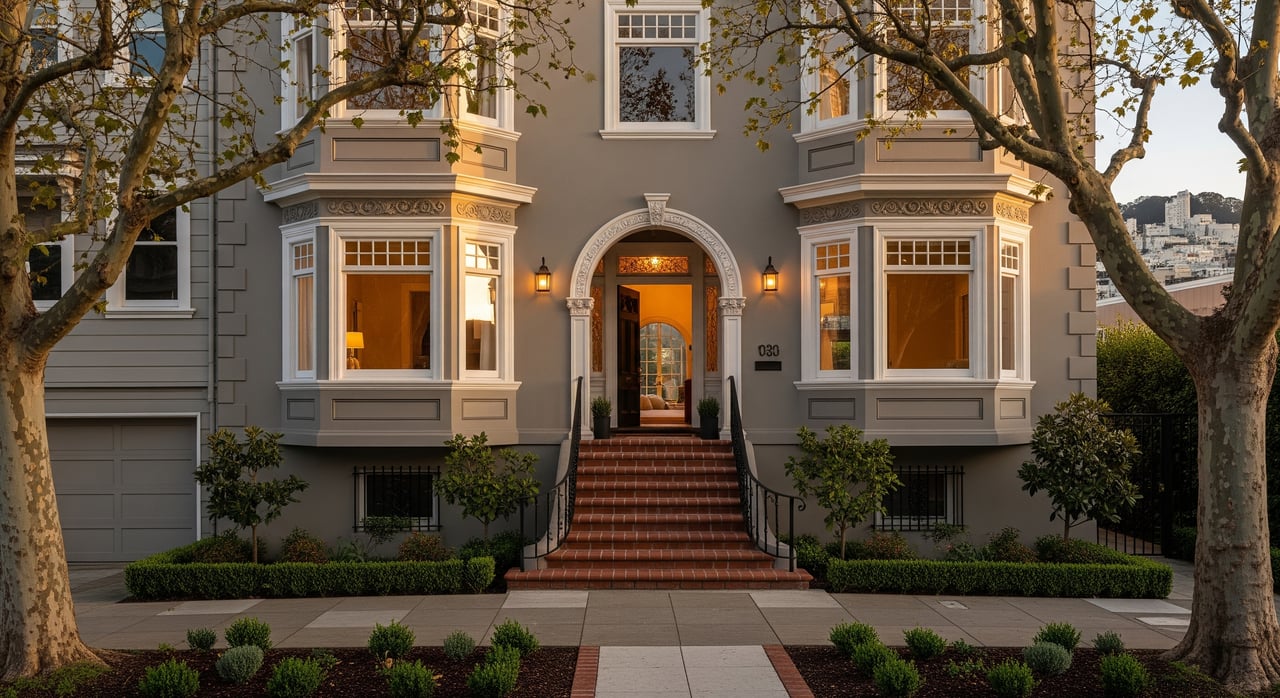
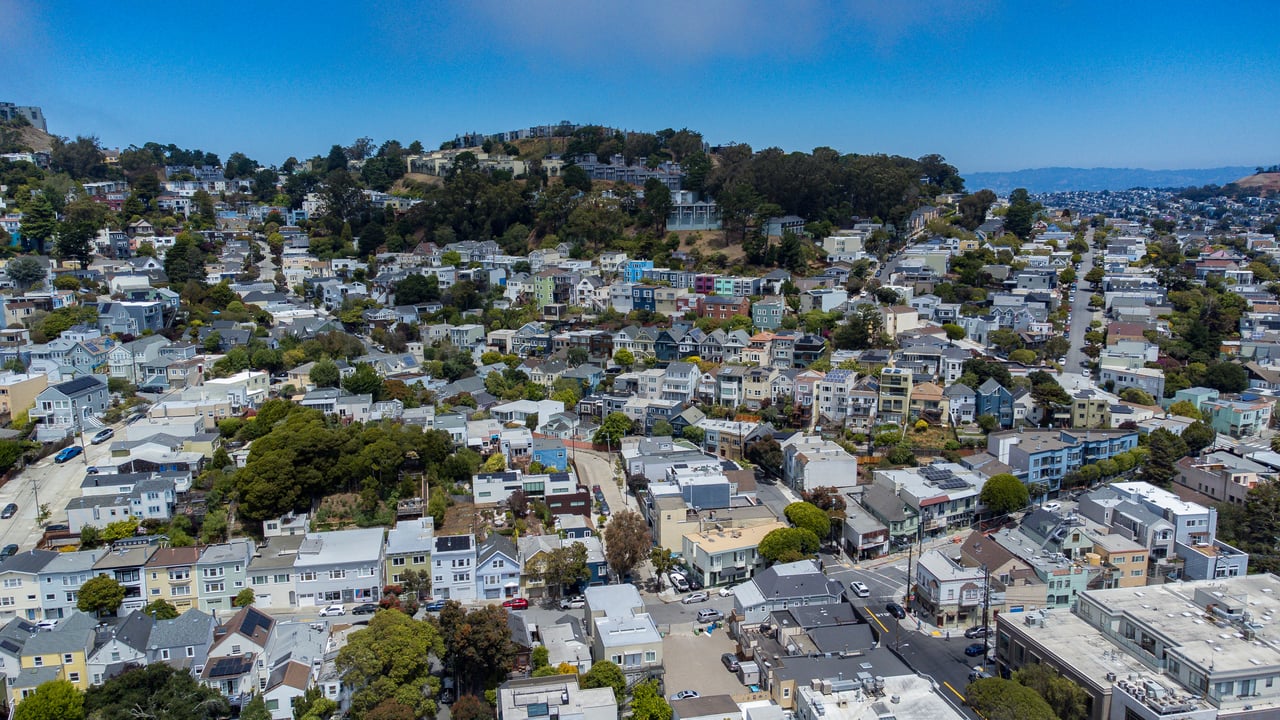
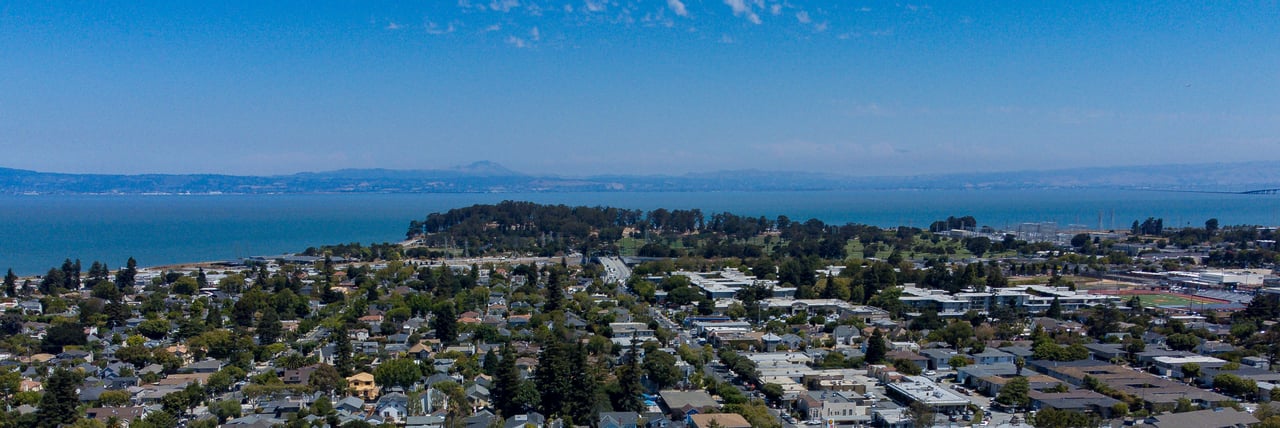
Glen Park sits in San Francisco’s southeastern quadrant with a compact village center around the BART station on Diamond Street. The surrounding blocks are mostly residential with early 20th-century homes, small apartment buildings, and some newer infill. Steep streets and canyon-adjacent lots create varied topography and views.
The neighborhood’s identity is shaped by its small-scale commercial core and Glen Canyon Park along the southern edge. You get walkable conveniences near the village and quick access to trails, playgrounds, and a recreation center. If you want a residential pocket with urban perks close by, Glen Park often rises to the top of the list.
Housing types and pricing dynamics
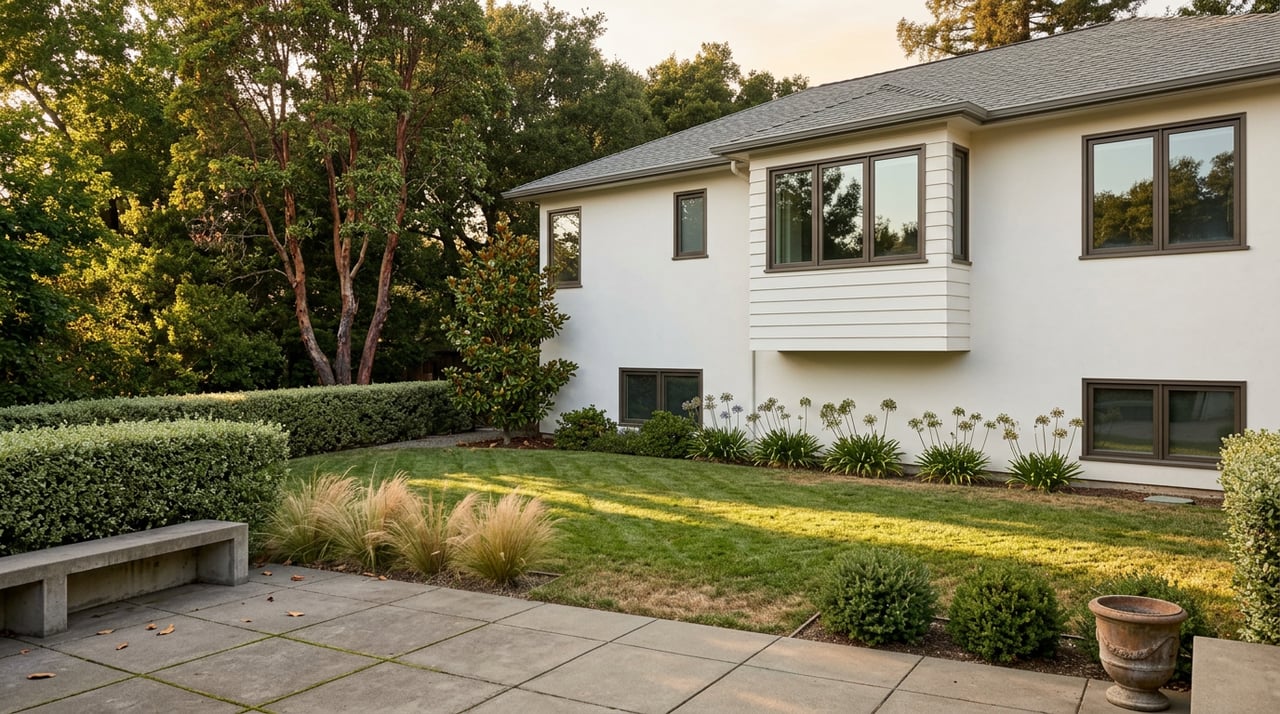
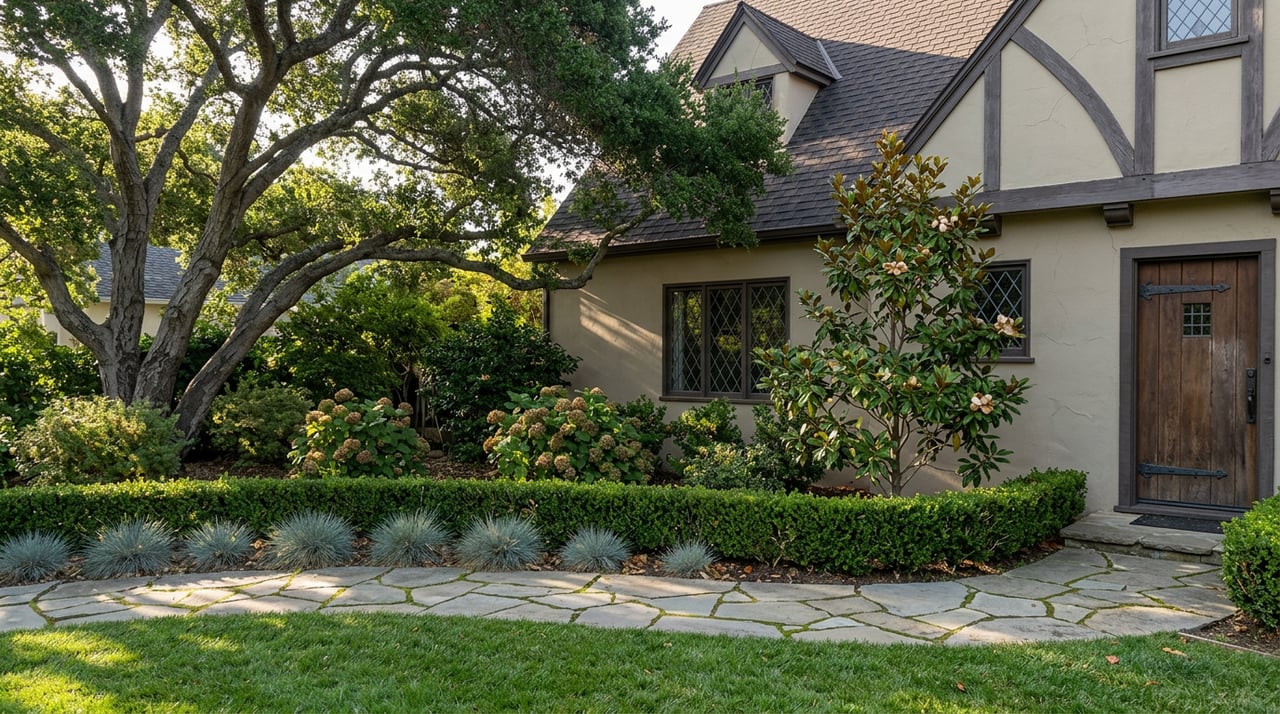
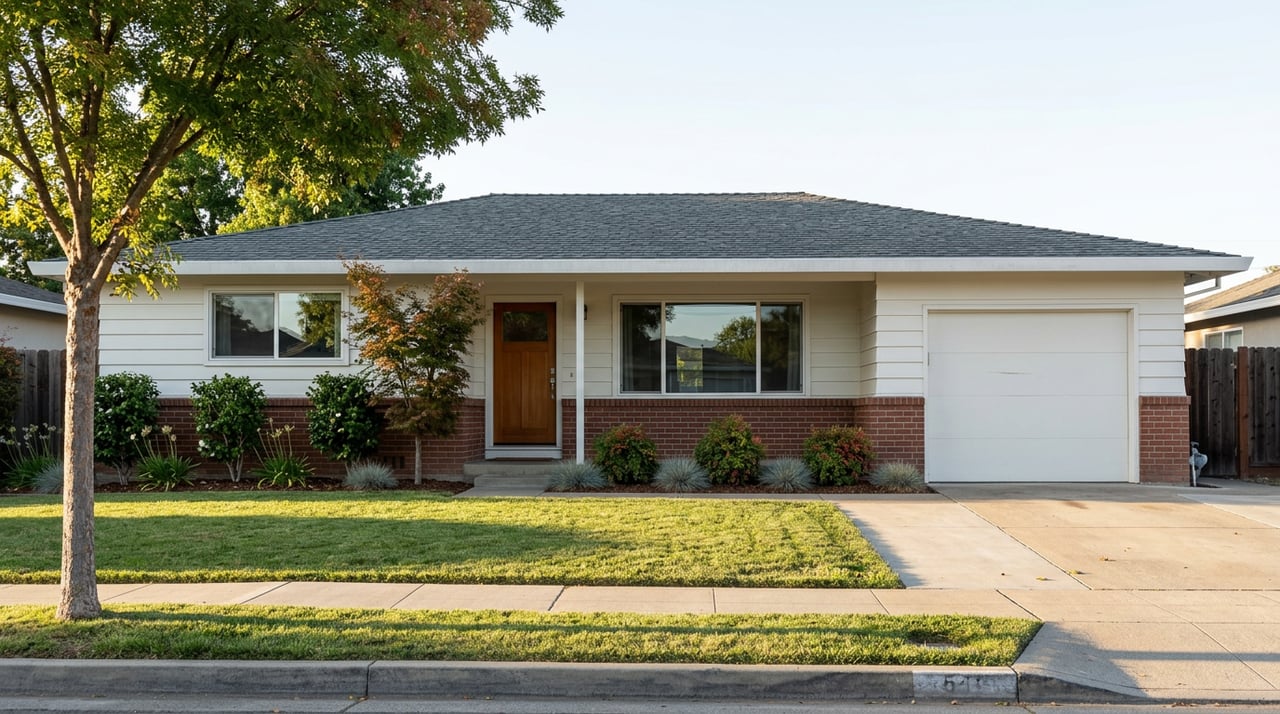
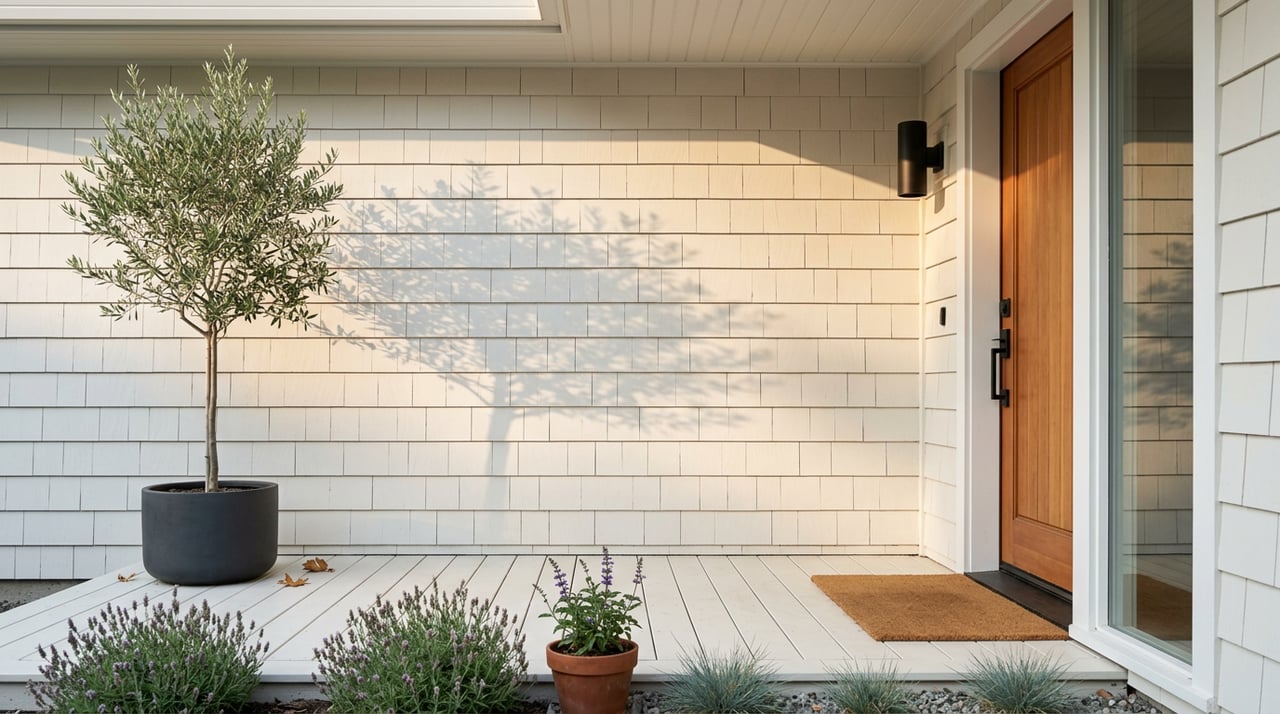
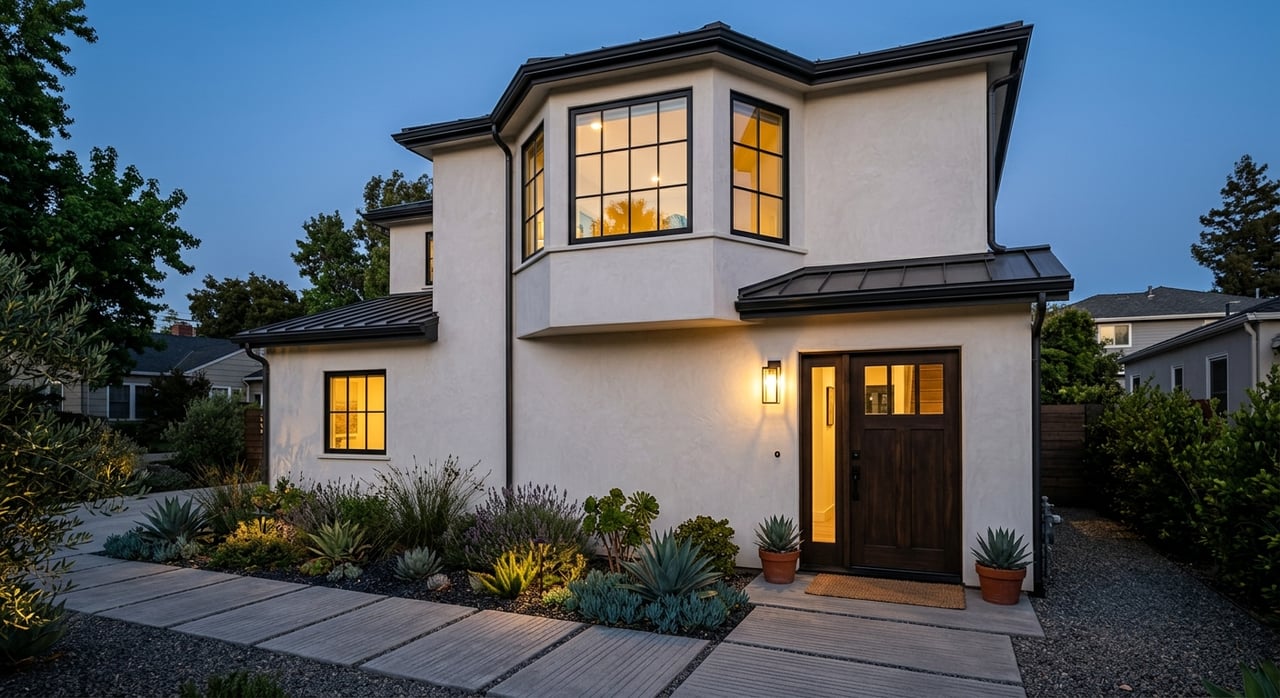
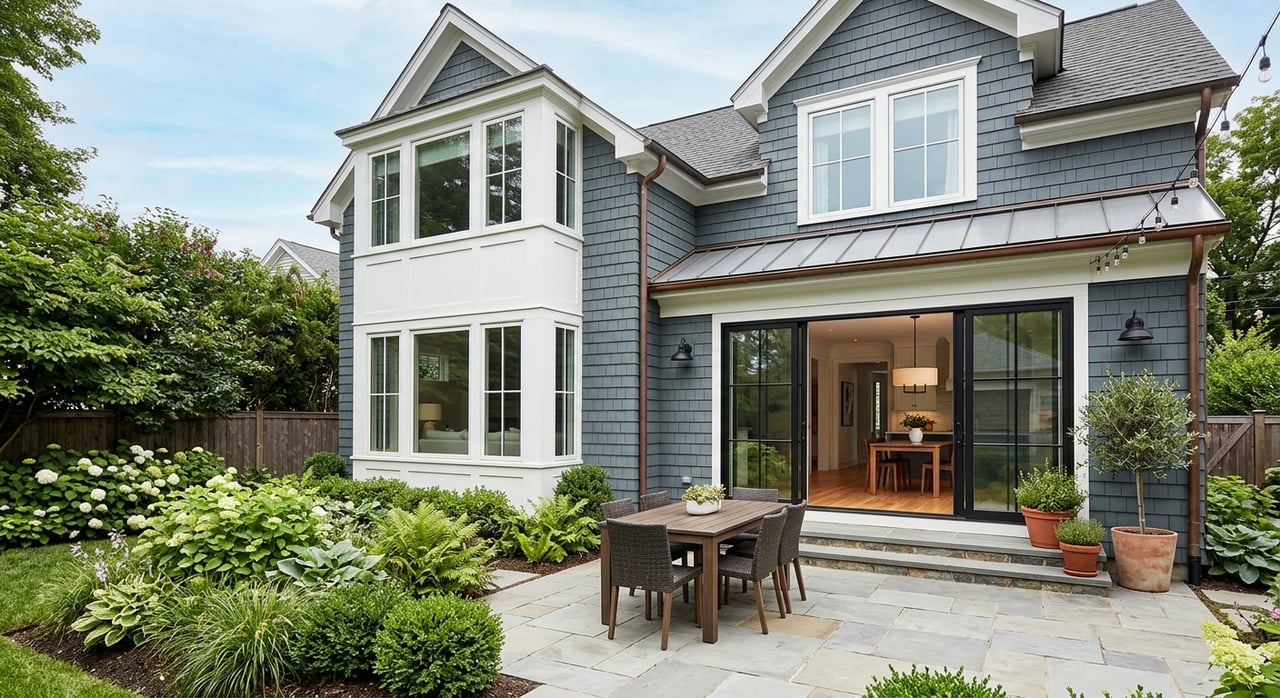
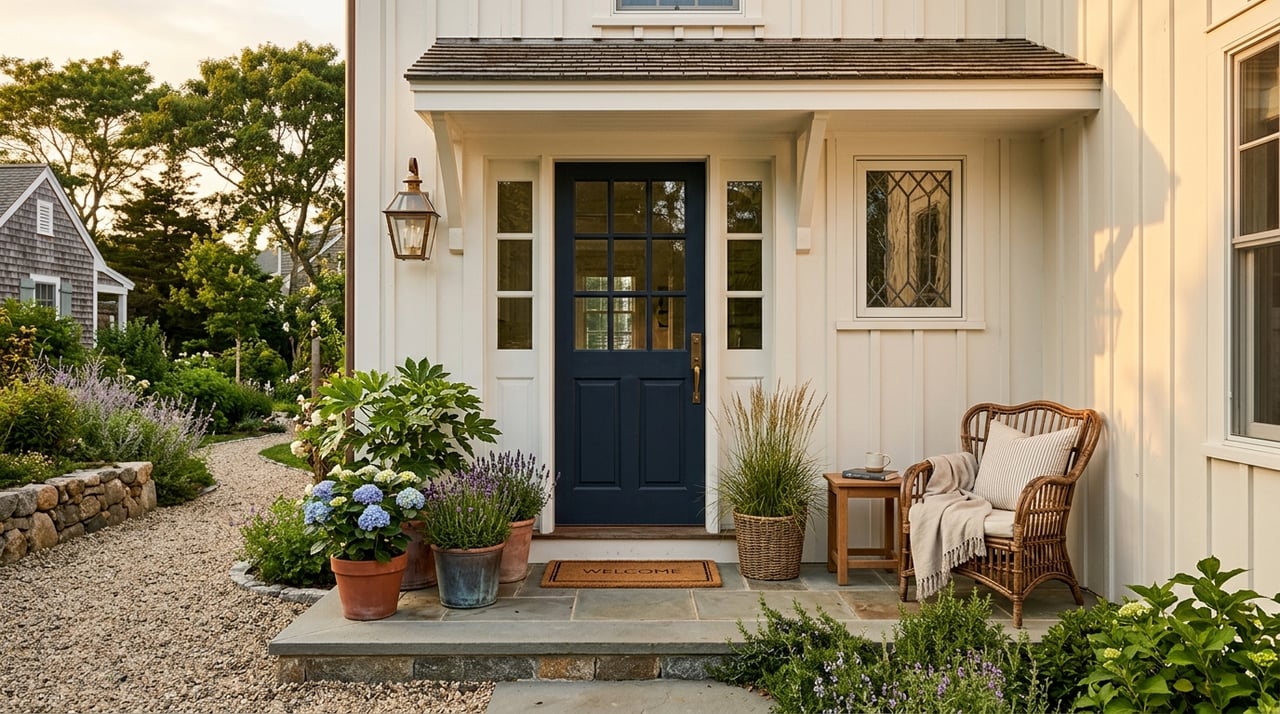
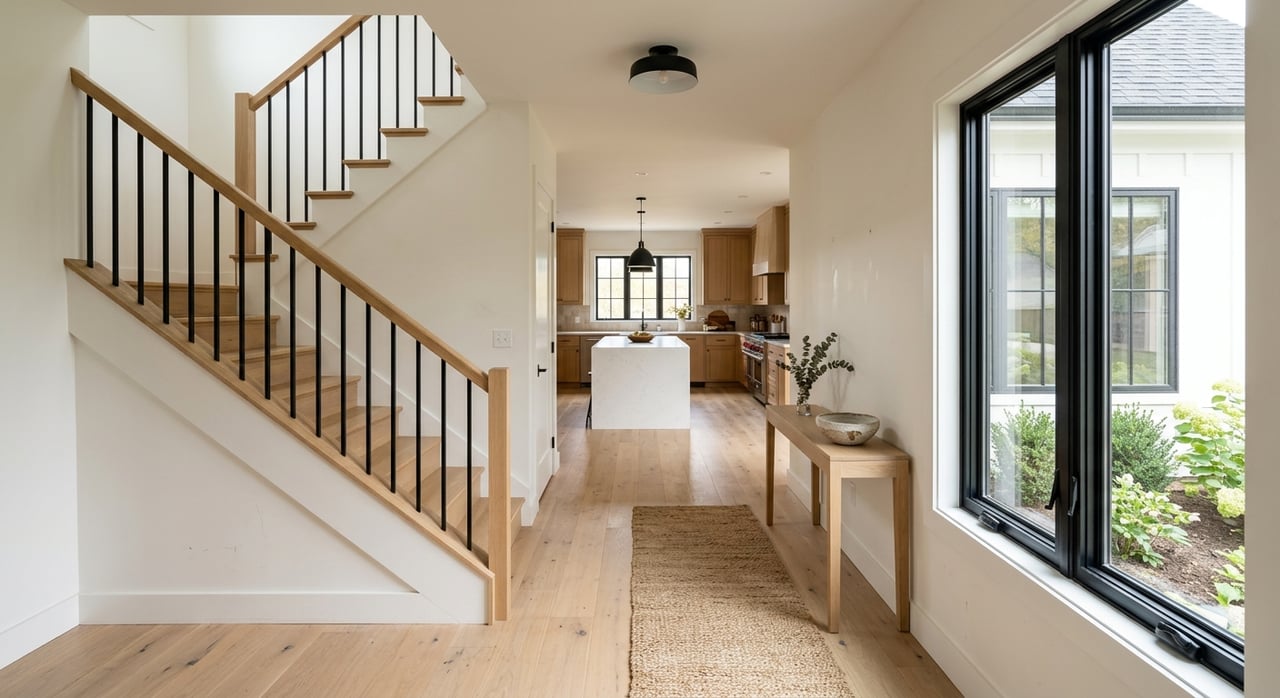
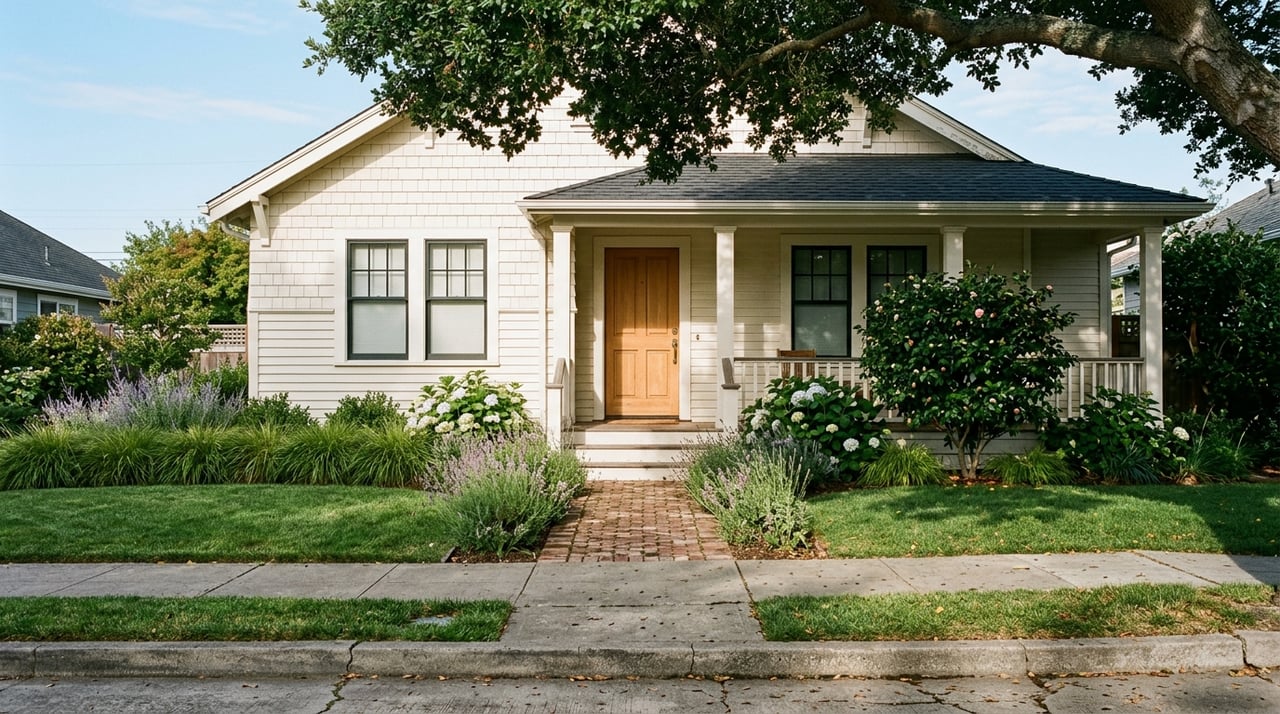
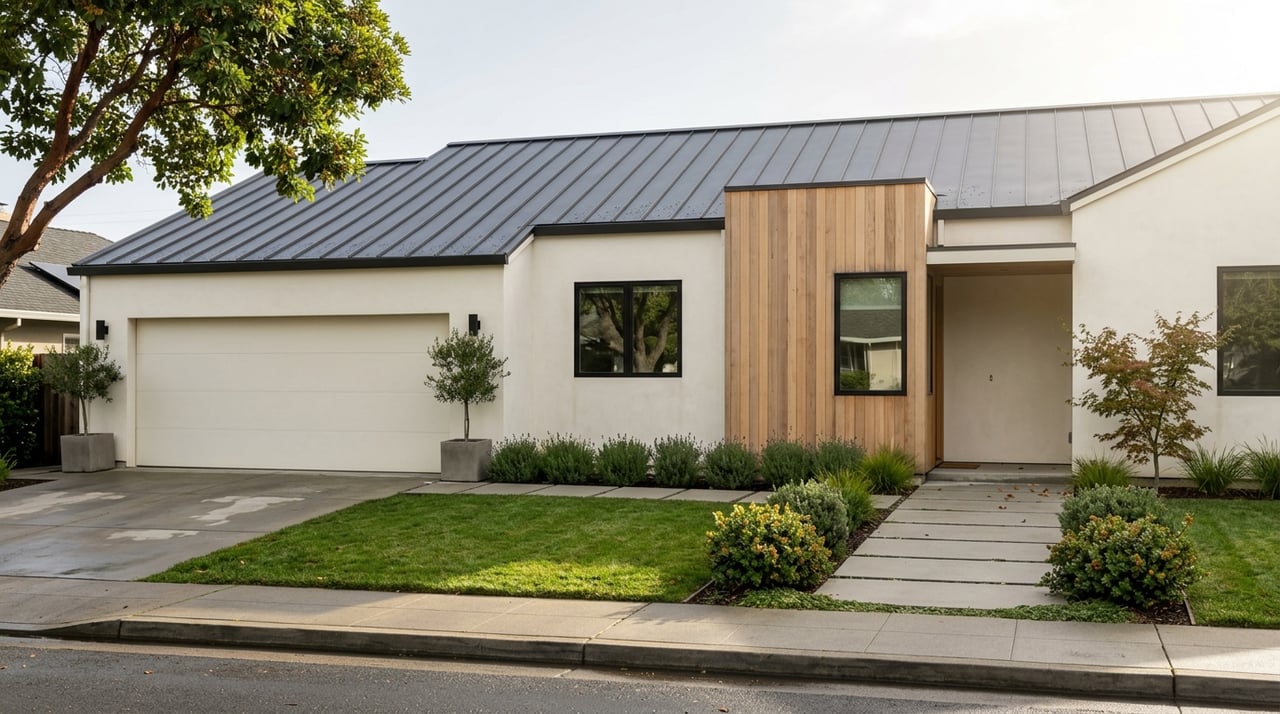
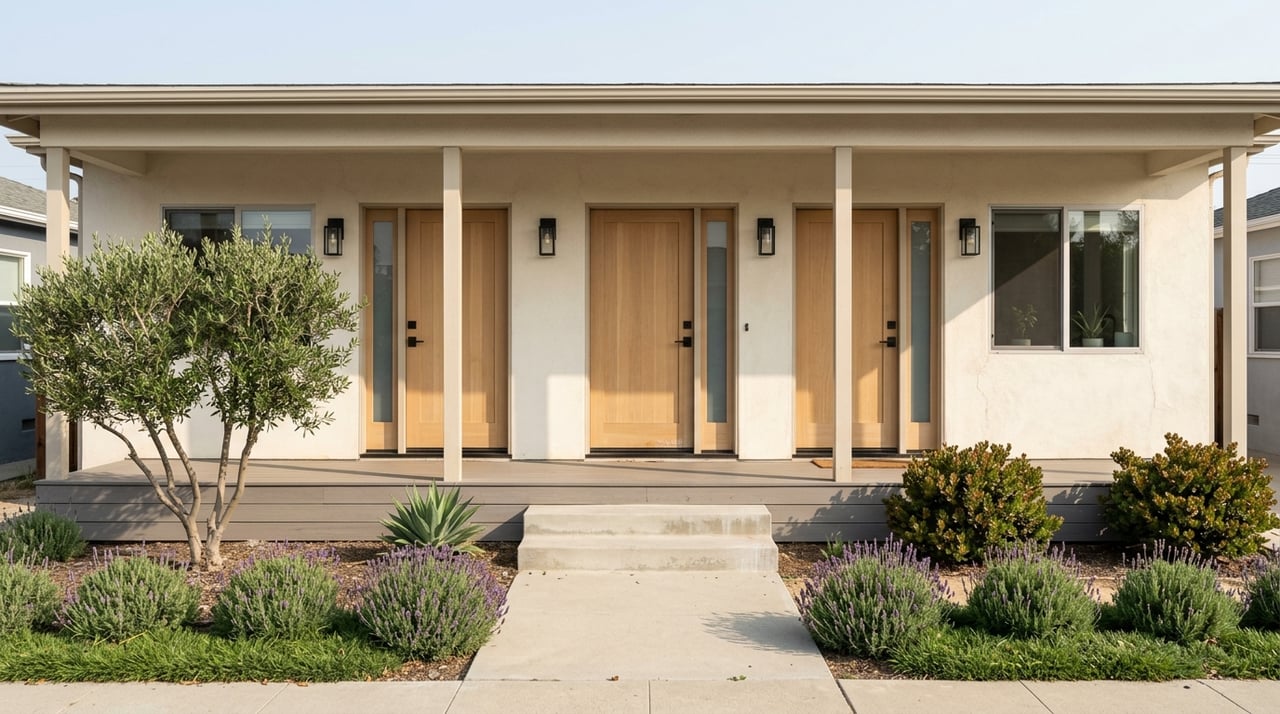
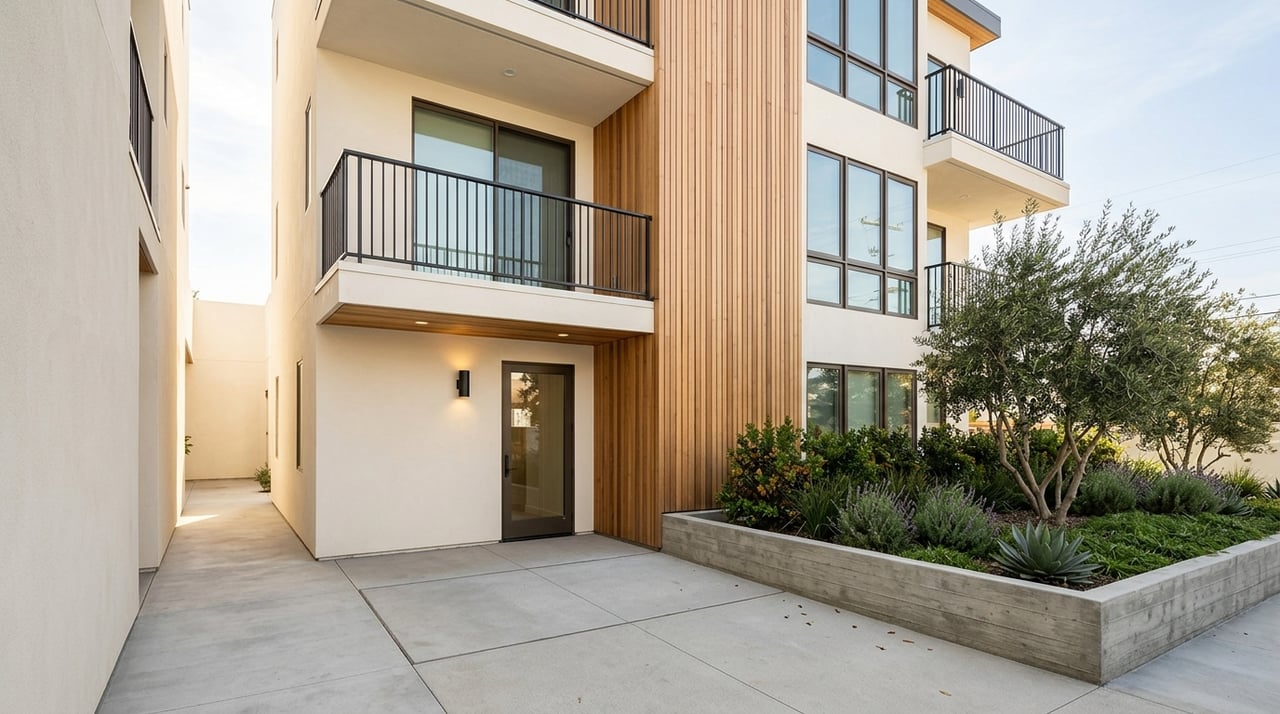
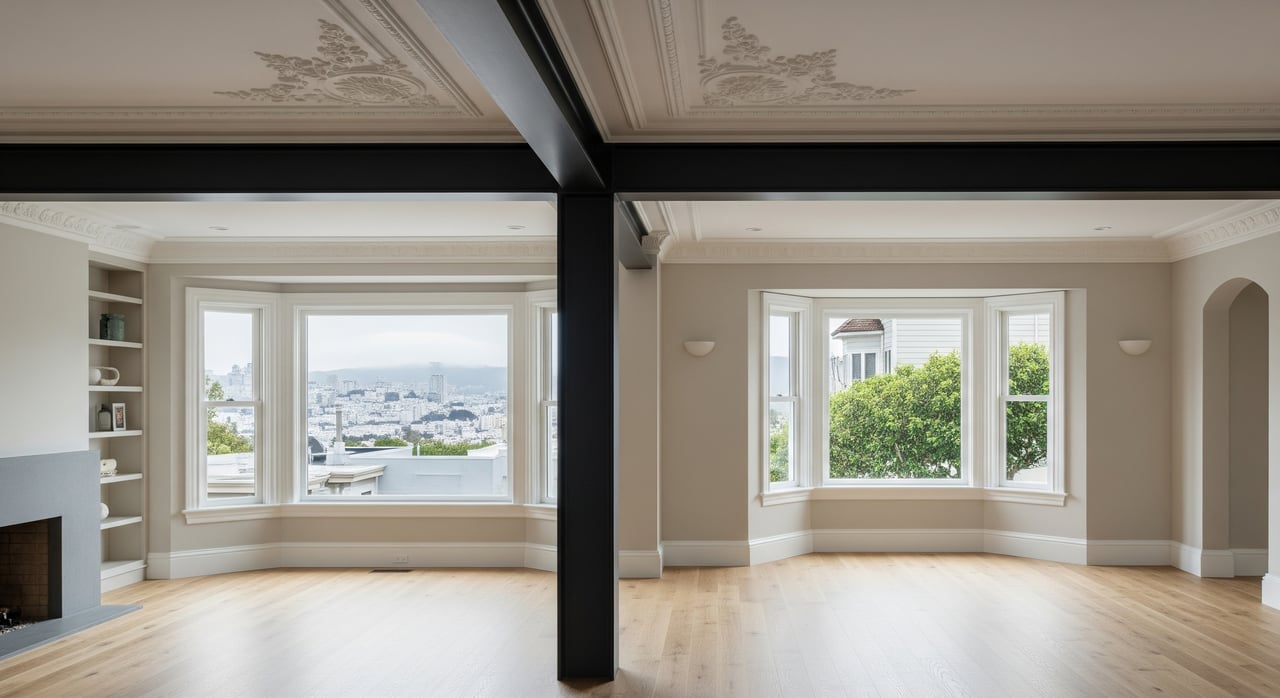
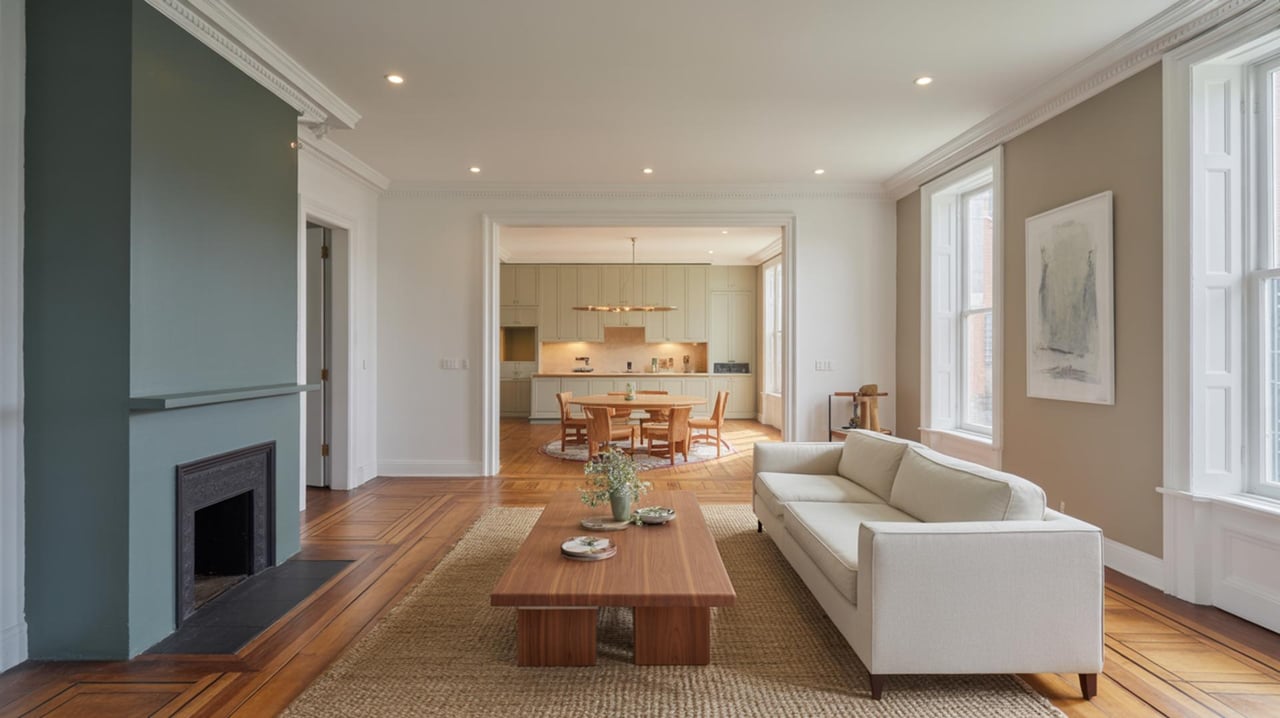
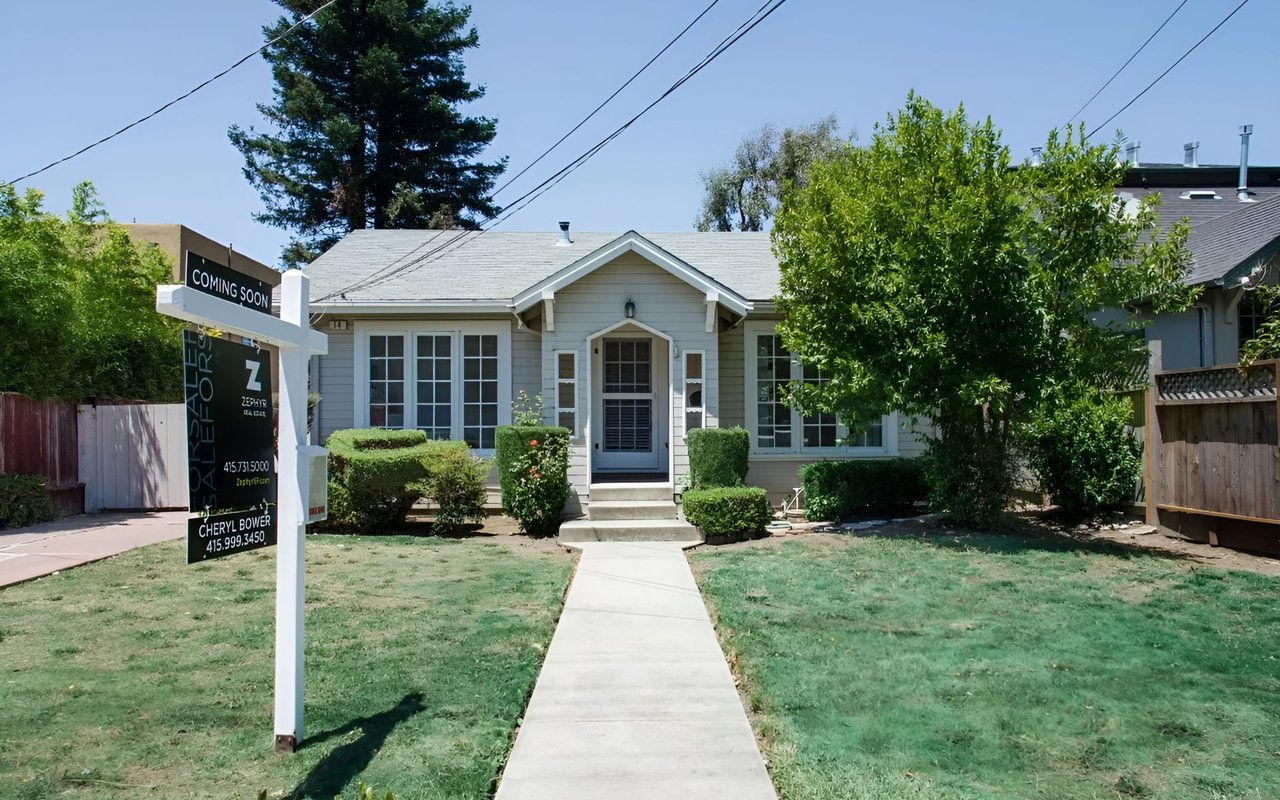
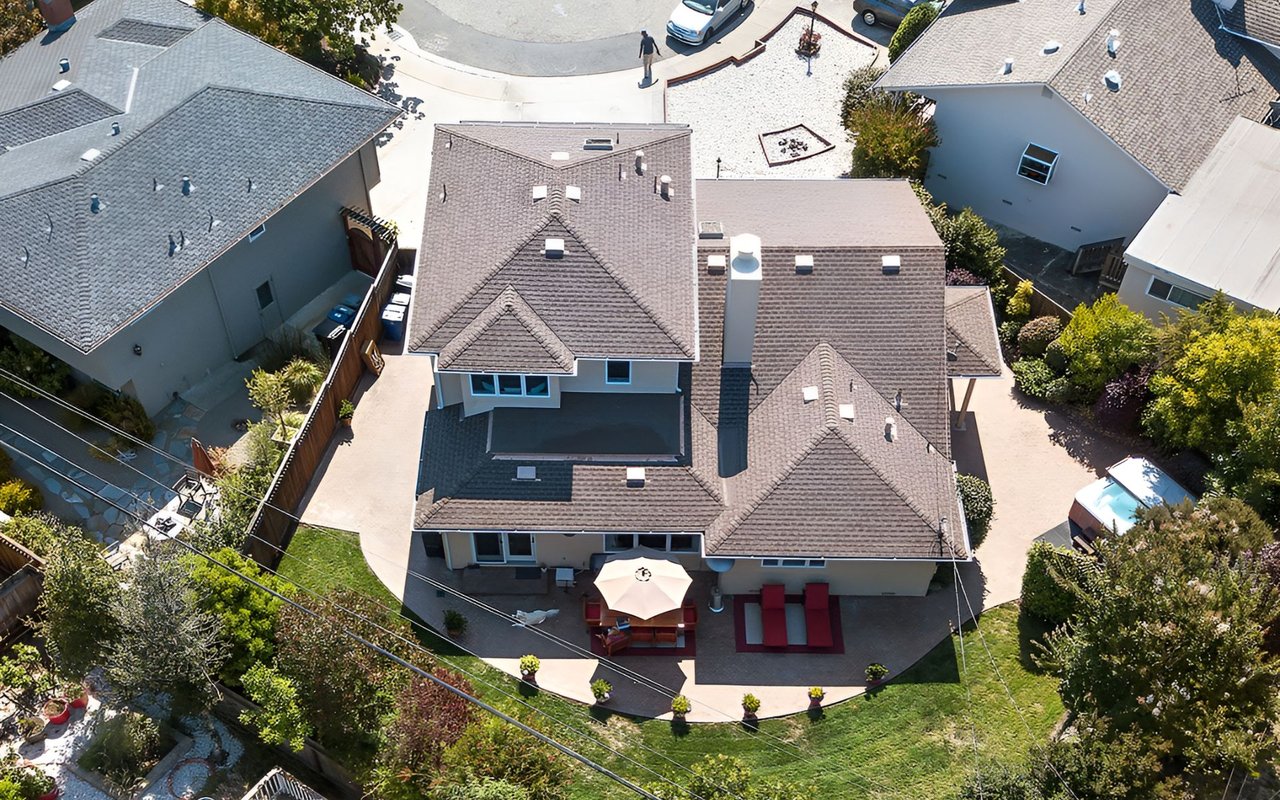
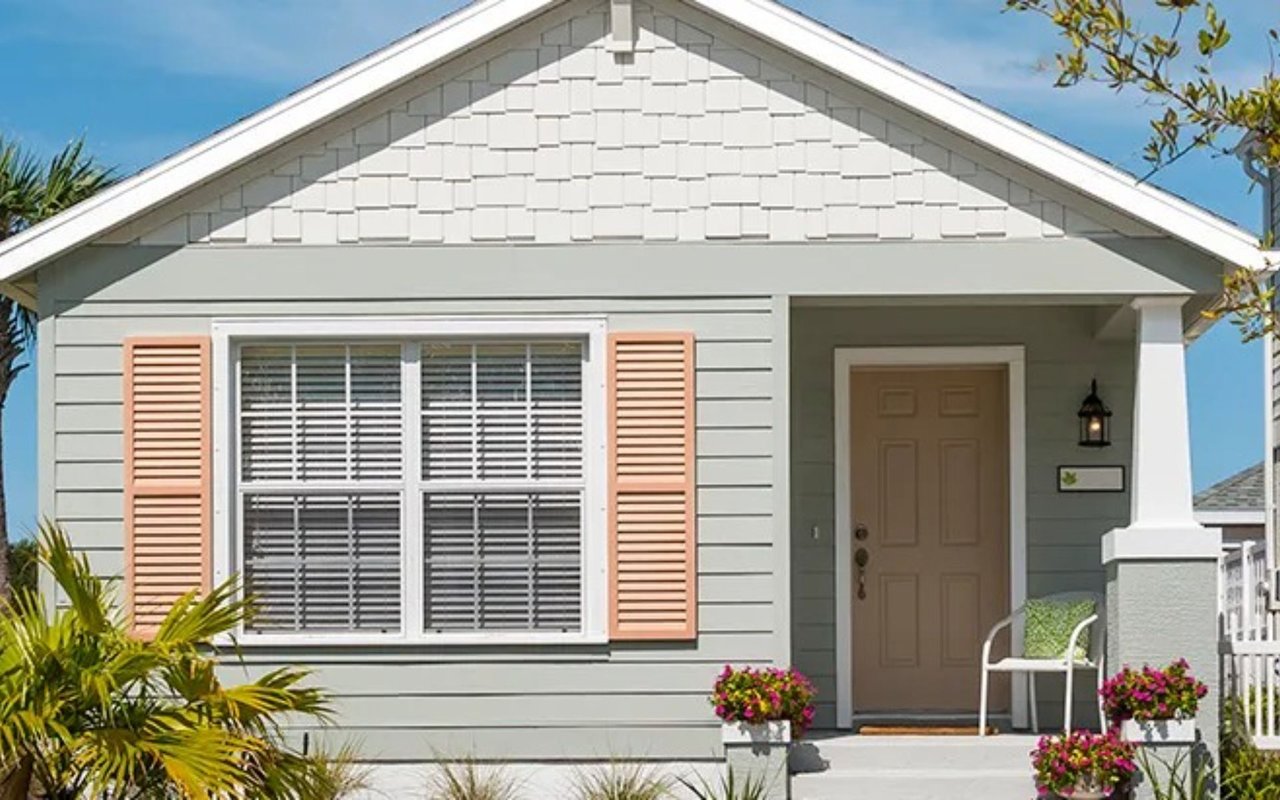
Most homes in Glen Park are period single-family houses, classic flats, or small multi-unit buildings. You will also see some condos and occasional conversions near the village.
- Single-family homes often command the highest prices, with outlooks, lot size, and condition driving value.
- Two-to-four unit buildings and flats can work well if you want rental income or a multi-generational setup.
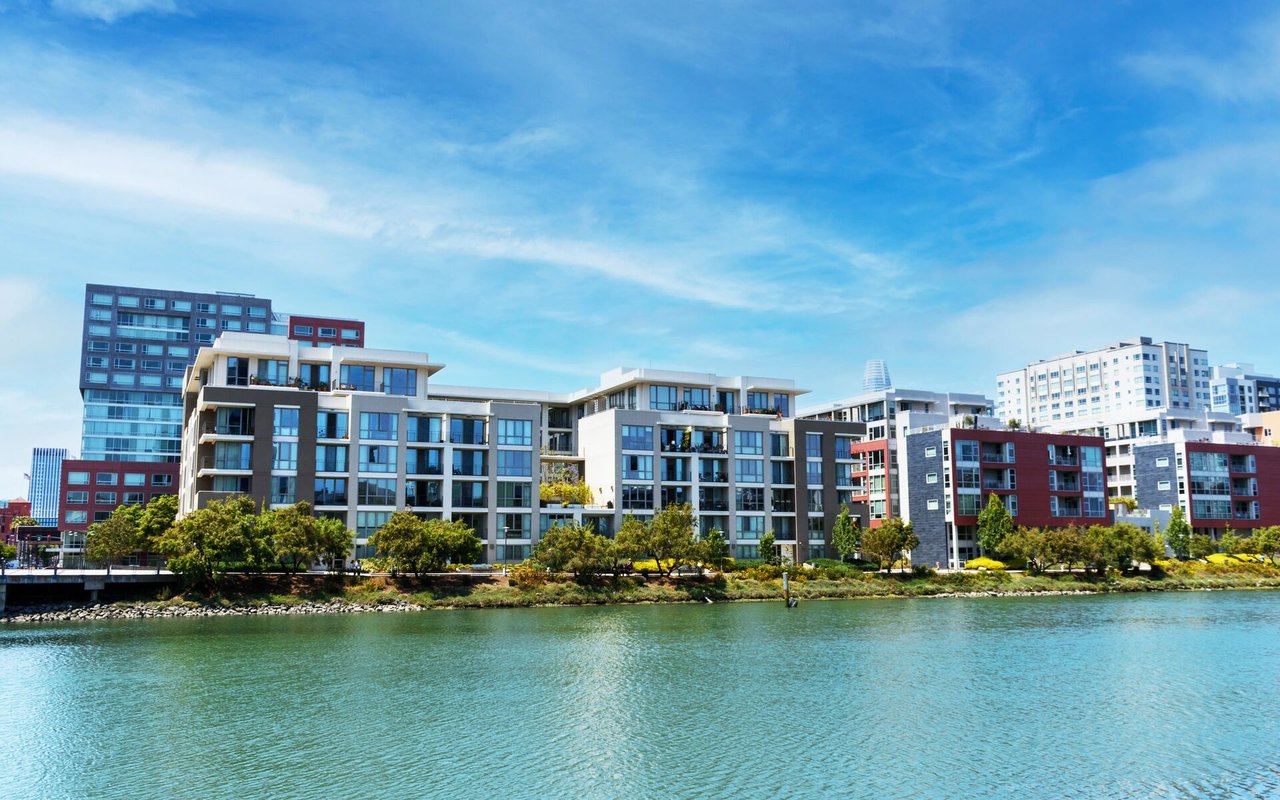
- Condos and TICs usually offer a lower entry price than single-family homes but include HOA or TIC rules and fees.
Prices in Glen Park generally track with San Francisco’s high-cost market and can modestly exceed the city median depending on home type and proximity to the canyon, views, or the BART station. Inventory can be tight, and well-priced homes tend to draw strong interest. If you are weighing renovation versus move-in ready, factor potential seismic or foundation upgrades that are common in older properties.
Parking, topography, and expansion
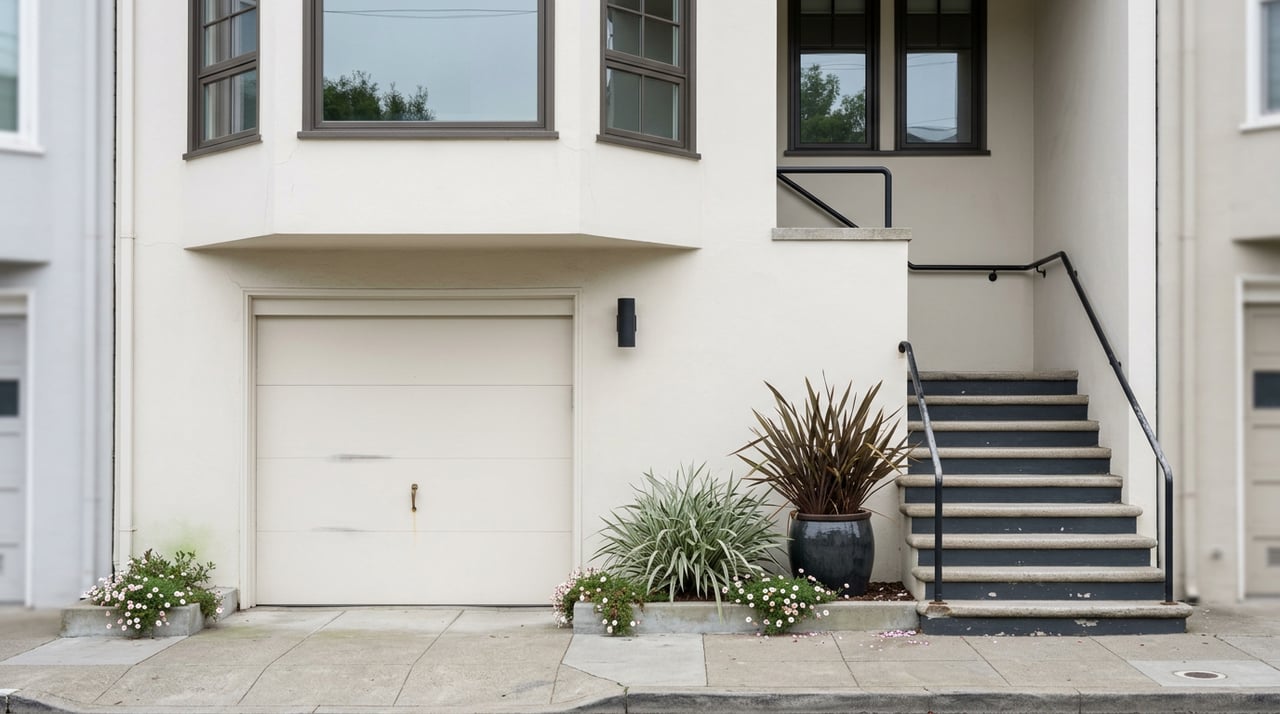
Parking varies. Many period homes have older or narrow garages, and some have no off-street parking. Street parking near the village and BART can be competitive, and residential permit zones are common. If a car is essential, confirm garage dimensions, curb cuts, and permit rules early.
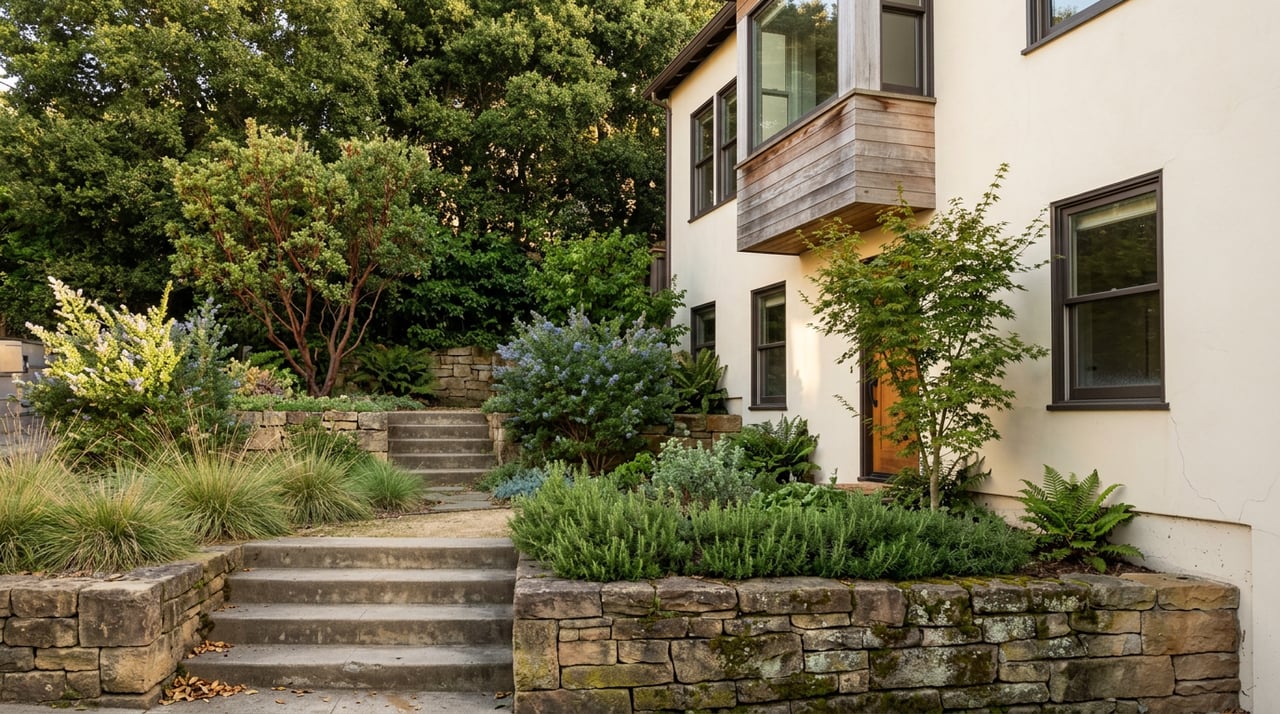
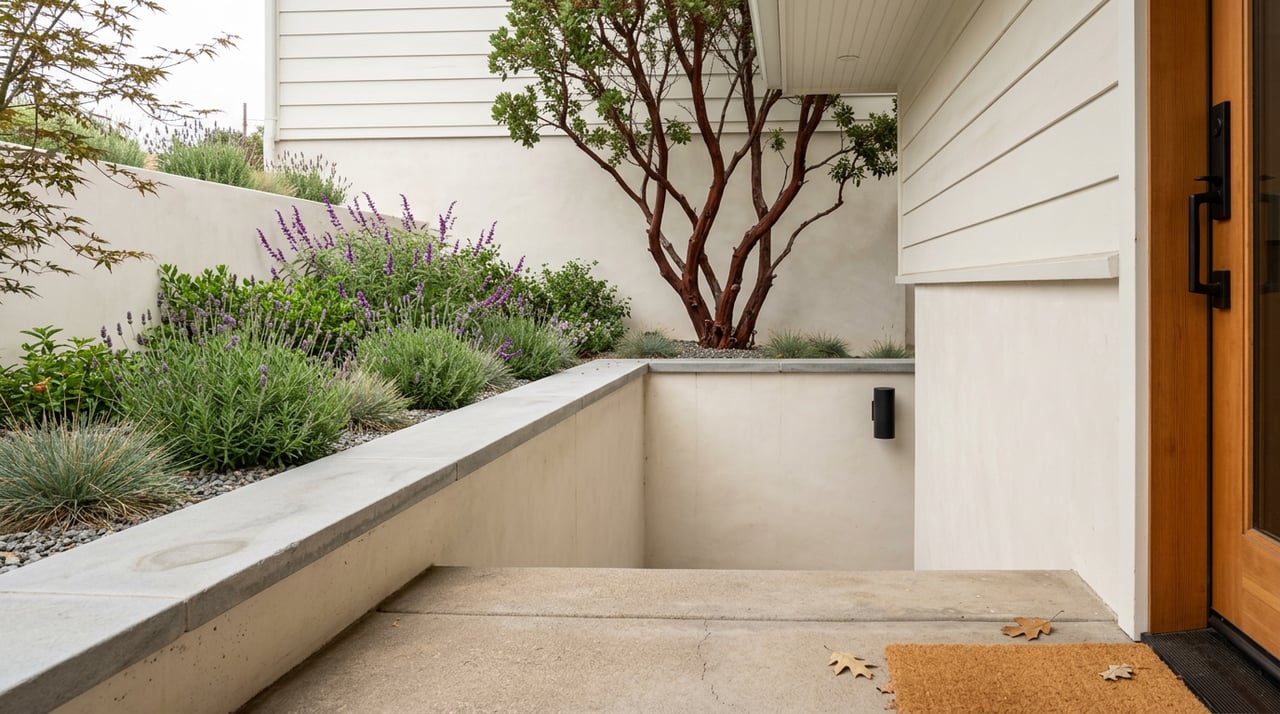
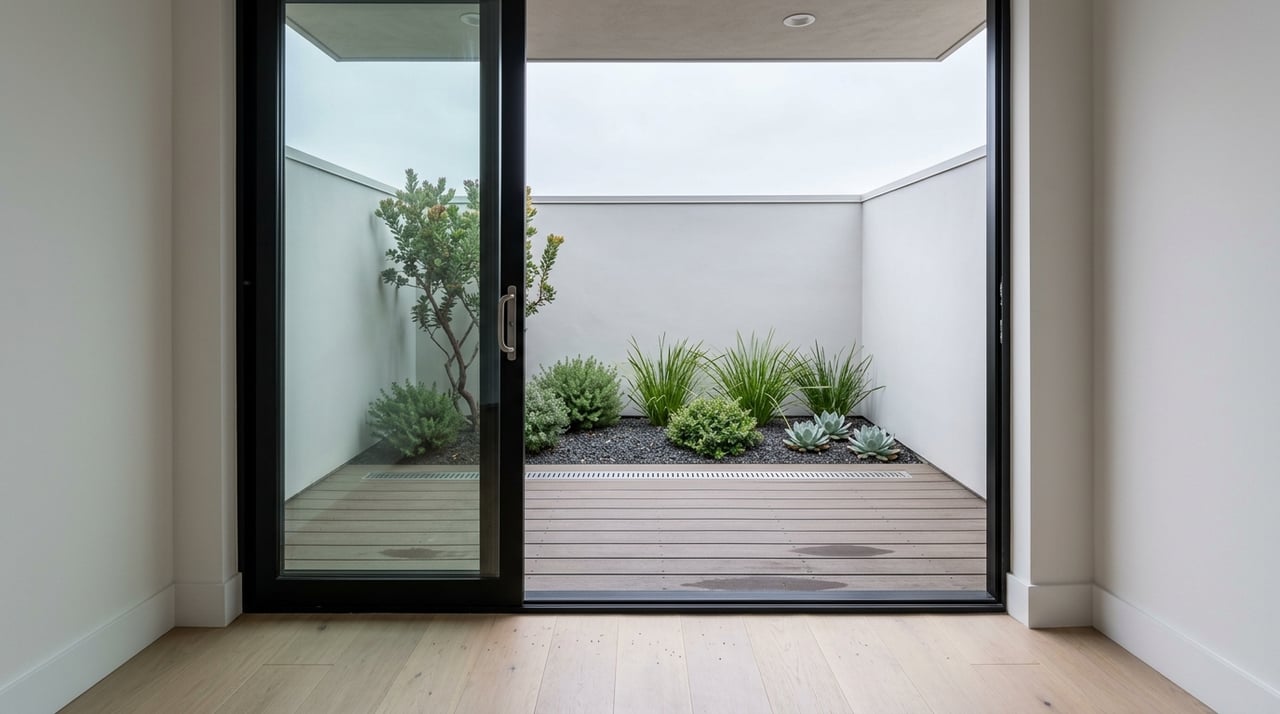
Hillside lots can deliver views and natural light but may involve stairs, steep driveways, and site-specific drainage. If you are considering future changes, explore what local zoning and state ADU policies allow for adding an accessory dwelling unit or expanding the home. Site conditions and historic considerations can affect feasibility, so a planning and permitting review is key.
Commute and mobility
One of Glen Park’s strongest draws is transit. The Glen Park BART station connects you to Downtown San Francisco, the East Bay, and regional destinations. Many residents use a mix of BART and Muni for daily travel.
Muni bus routes serve the neighborhood and connect to nearby corridors. Caltrain is not in Glen Park, but you can reach it with a short drive or transit transfer for Peninsula and South Bay commutes. If you drive, you have access to major north–south routes, though peak traffic and limited parking are realities citywide.
Living close to BART can reduce commute time. It also brings trade-offs. Properties near the station or tracks can experience noise or vibration. When touring, visit at different times of day and ask about sound mitigation like window upgrades or insulation.
Daily life: parks, shops, and schools
Glen Canyon Park is a standout feature. You get trails, rock outcrops, a recreation center, sports fields, picnic spots, and a playground within minutes of most homes. Many residents value the ability to take a quick trail run, walk the dog, or plan a weekend picnic without leaving the neighborhood.
The village core along Diamond Street offers neighborhood-serving shops that cover daily needs, like cafes, bakeries, small restaurants, grocers, and services. For broader dining or nightlife, nearby Noe Valley, the Castro, Valencia Street, and the Inner Mission provide more variety.
Public schools are part of the San Francisco Unified School District. Glen Park Elementary is the neighborhood school, while middle and high school assignments depend on current SFUSD policies. Enrollment rules and boundaries can change. If schools are a priority, check the latest SFUSD resources and the California School Dashboard to confirm assignments and program details. Private and childcare options exist in and around the neighborhood, though waitlists can be common.
Local clinics and providers are nearby, and major hospital systems across the city are reachable by car or transit. As in any urban area, review recent SFPD crime maps to understand trends on a block-by-block level.
Glen Park vs nearby neighborhoods
Choosing between Glen Park and surrounding areas often comes down to lifestyle and commute priorities. Here is how Glen Park compares at a high level:
- Glen Park vs Noe Valley: Noe Valley typically offers a larger shopping and dining scene and often higher prices for single-family homes. Glen Park usually feels quieter and can be a bit more affordable for similar property types.
- Glen Park vs Bernal Heights: Bernal Heights is known for hilltop views, a large park at Bernal Hill, and a lively Cortland corridor. Glen Park centers around the canyon and the village, and BART access can be a commute advantage.
- Glen Park vs West Portal: West Portal has a village feel and strong Muni access. Glen Park offers the canyon as a major open-space amenity right next door.
- Glen Park vs Inner Sunset: Inner Sunset focuses on Golden Gate Park access and a broader restaurant scene. Glen Park offers a different microclimate and the canyon-edge lifestyle.
Is Glen Park a smart investment?
Central San Francisco neighborhoods have shown strong long-term value, though short-term cycles can be volatile. Demand for single-family homes remains durable, and multi-family properties near transit can perform differently based on rent levels and condition. If you plan to hold long term, focus on fundamentals like location within the neighborhood, lot characteristics, potential for future improvements, and overall livability.
Buyer checklist for Glen Park
Use this checklist to compare homes and confirm fit:
Location and commute
- Time door to door to your workplace, school, or daycare using your typical mode.
- Map your route to the Glen Park BART station and note peak-hour frequency.
Property specifics
- Confirm type, year built, and known renovations.
- Ask about foundation, seismic work, drainage, and any hillside retaining walls.
- Verify parking specifics and permit rules.
- Test for noise and vibration during rush hour and on weekends.
Cost factors
- Compare asking price to recent comparable sales.
- Review property taxes, any special assessments, and ongoing HOA or TIC fees.
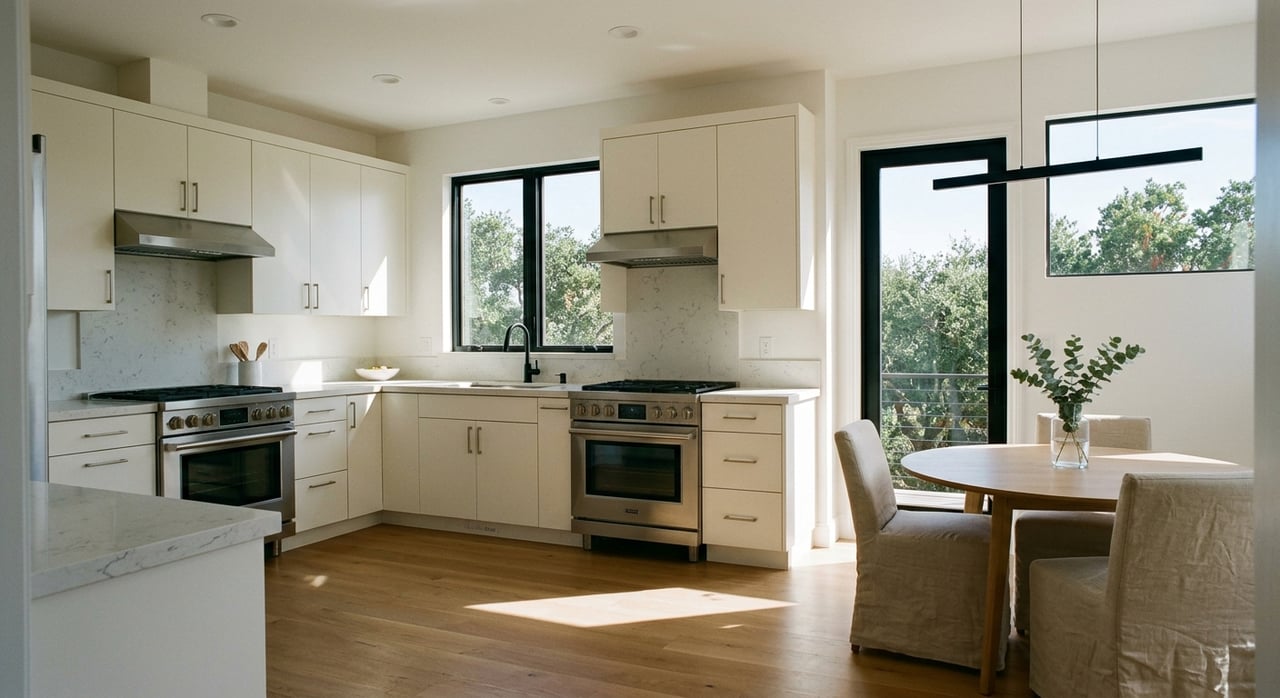
- Estimate renovation costs and permit timelines.
Lifestyle fit
- Check walking routes to groceries, coffee, healthcare, and transit.
- Visit Glen Canyon Park and nearby green spaces you plan to use.
- Explore dining and shopping in the village and adjacent corridors.
Schools and family needs
- Confirm SFUSD assignments and enrollment steps.
- Research childcare and after-school availability.
Legal and regulatory
- Review zoning, ADU possibilities, and short-term rental rules.
- Check for open permits, code issues, or historical designations.
Resale and liquidity
- Track days on market for similar homes.
- Note buyer demand for your chosen property type in Glen Park.
How to decide if Glen Park fits you
Start by clarifying your top three priorities. If transit access, a calmer residential setting, and park proximity rank high, Glen Park is worth a focused search. If you value a larger commercial scene or specific microclimates, compare how nearby areas stack up on your must-haves.
Tour at different times of day. Try your actual commute, including transfers. Walk from potential homes to the village, the park, and your daily stops. If you are weighing older homes, build a contingency plan for possible foundation, seismic, or drainage work.
When you are ready to move forward, work with a local advisor who can interpret neighborhood micro-differences, vet disclosures, and organize the right inspections and contractors. A calm, process-driven approach will help you compete smartly in a tight-inventory neighborhood like Glen Park.
Ready for a tailored Glen Park strategy or to compare it with nearby micro-markets? Connect with Cheryl Bower for neighborhood guidance, a structured search plan, and end-to-end support from first tour to closing.
FAQs
Is Glen Park walkable and transit-friendly for daily life?
- The village core and areas near BART are walkable, but steep topography affects some blocks. Many residents use BART and Muni for daily trips.
What should I know about Glen Park home maintenance on hillsides?
- Hillside lots can require attention to drainage, retaining walls, and foundations. Ask about past seismic work and plan for site-specific upgrades if needed.
How close is Glen Park to major employers in San Francisco and the Peninsula?
- BART connects to downtown and regional stops, and Caltrain is reachable with a short drive or transfer. Driving access is good, though peak traffic can be heavy.
Are there noise or vibration concerns near the BART station or tracks?
- Some nearby properties may experience noise or vibration. Visit during rush hours, ask about mitigation, and consider window or insulation upgrades.
What are schools and childcare like in Glen Park?
- Glen Park is served by SFUSD, with Glen Park Elementary as the neighborhood school. Confirm current assignments, enrollment, and childcare availability.
Can I build an ADU or expand a home in Glen Park?
- ADU policies are favorable at the state and city level, but feasibility depends on zoning, site conditions, and permits. Consult planning resources and qualified pros.