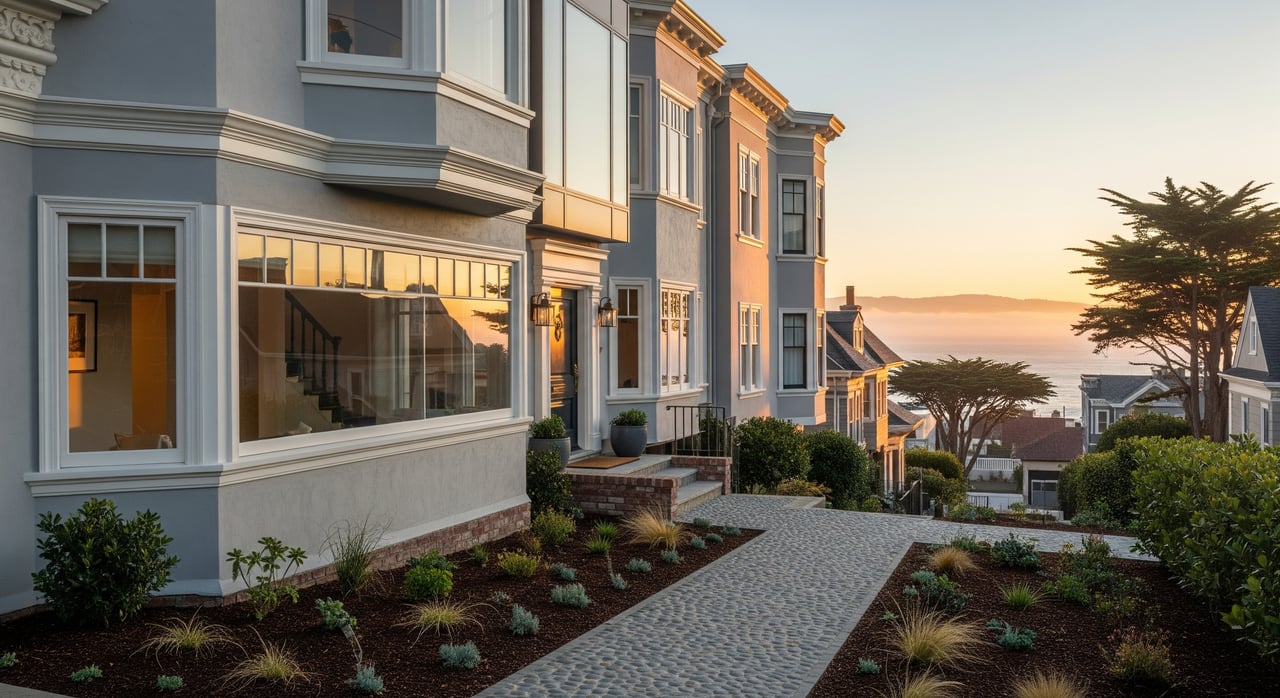
Is your heart set on the Sunset, but you are not sure how to win without overreaching? You are not alone. The Sunset’s mix of classic homes, microclimates, and fast-moving offer timelines can intimidate even experienced buyers. This guide shows you how to craft a compelling offer, reduce risk, and lean into local details that matter to sellers and appraisers. Let’s dive in.
Why the Sunset needs a smart offer
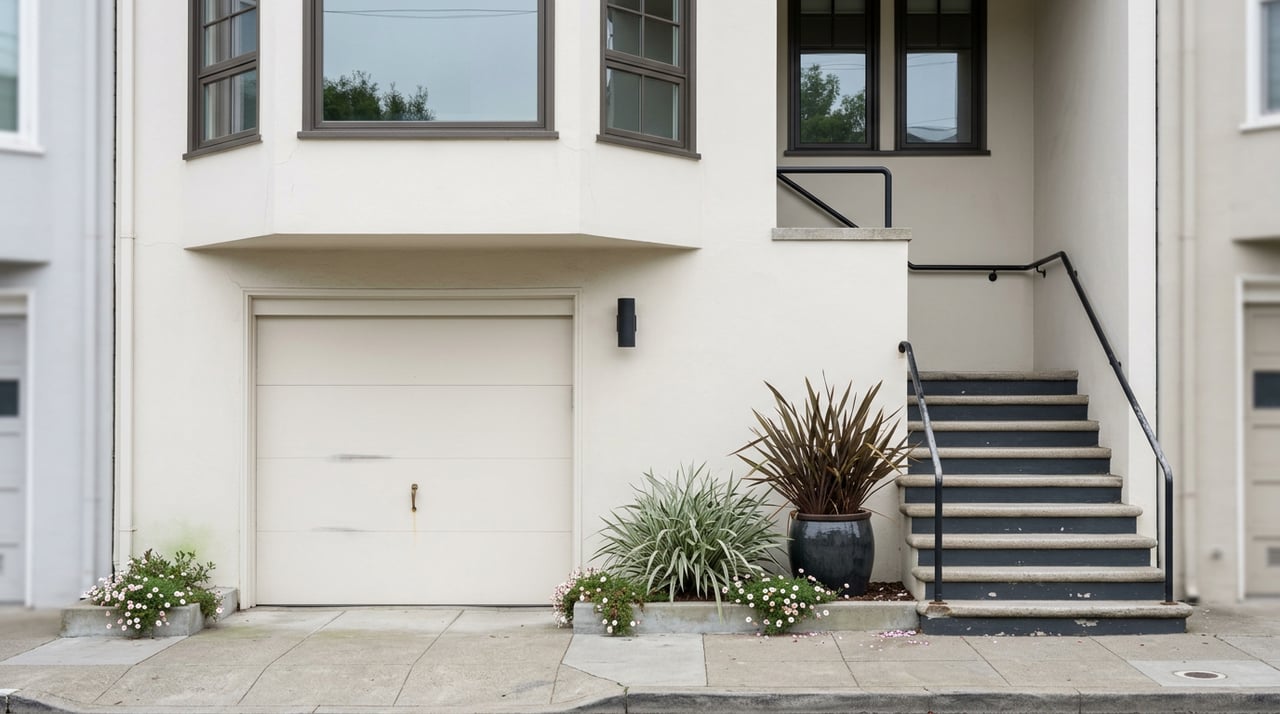
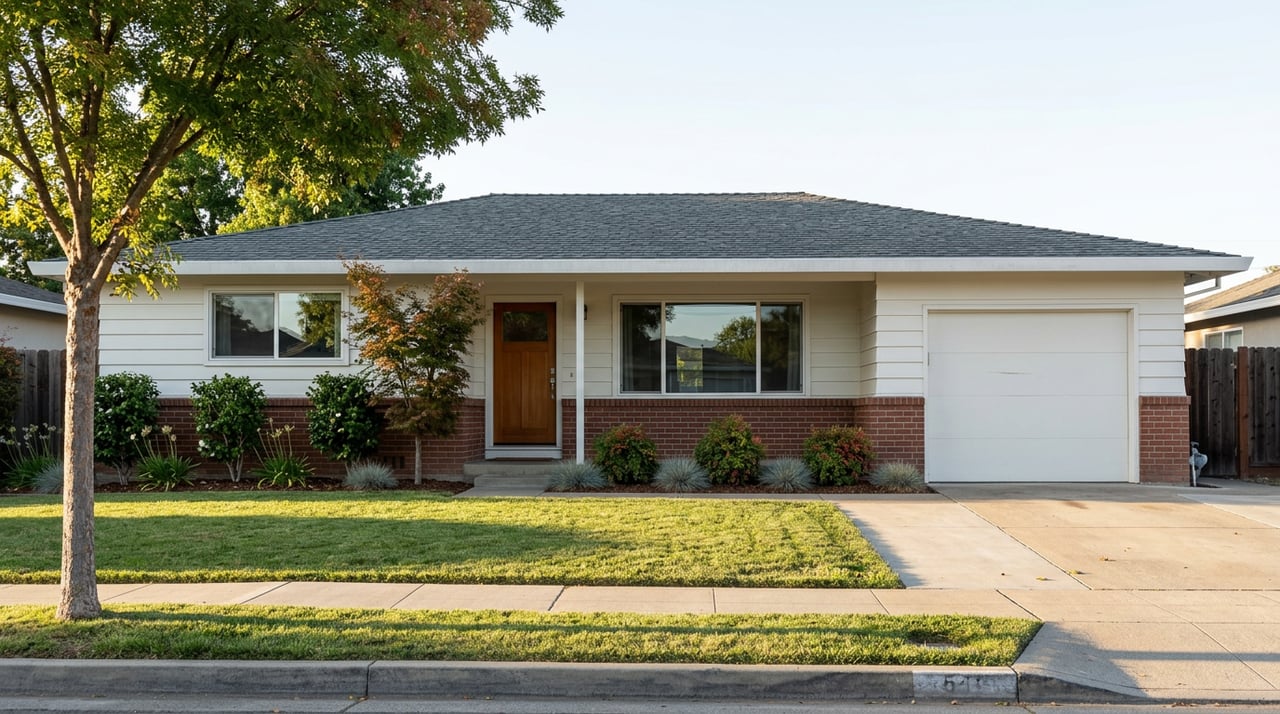
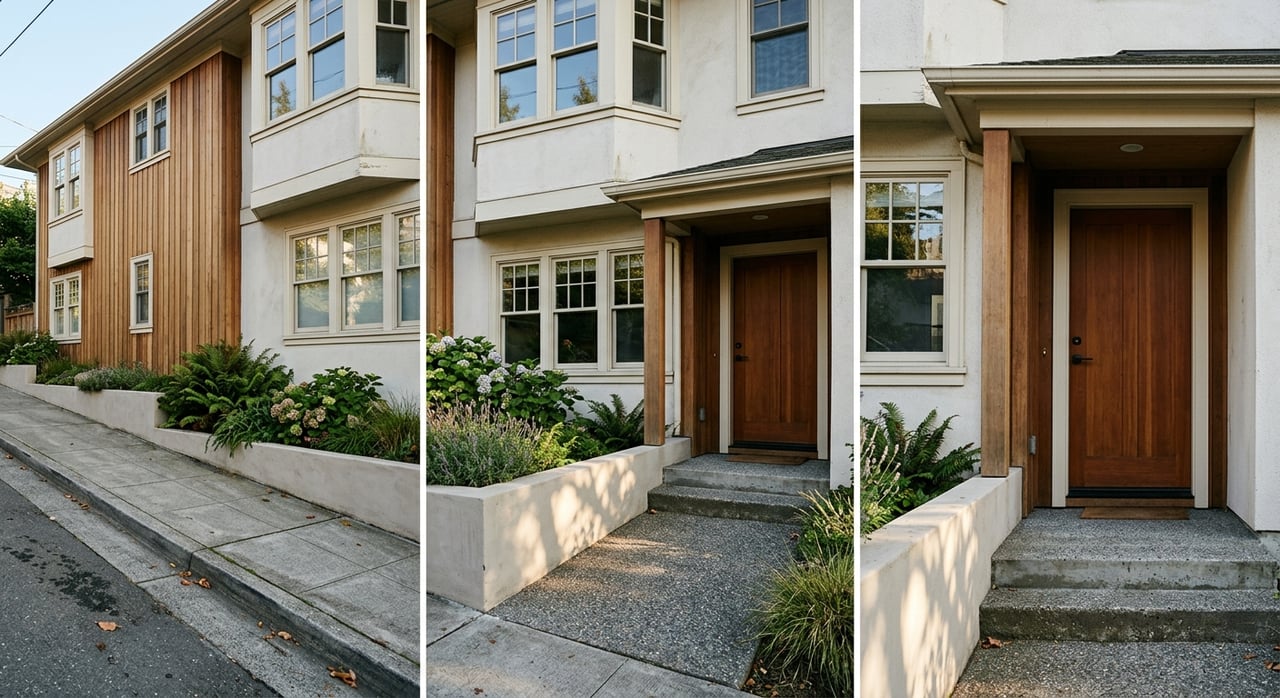
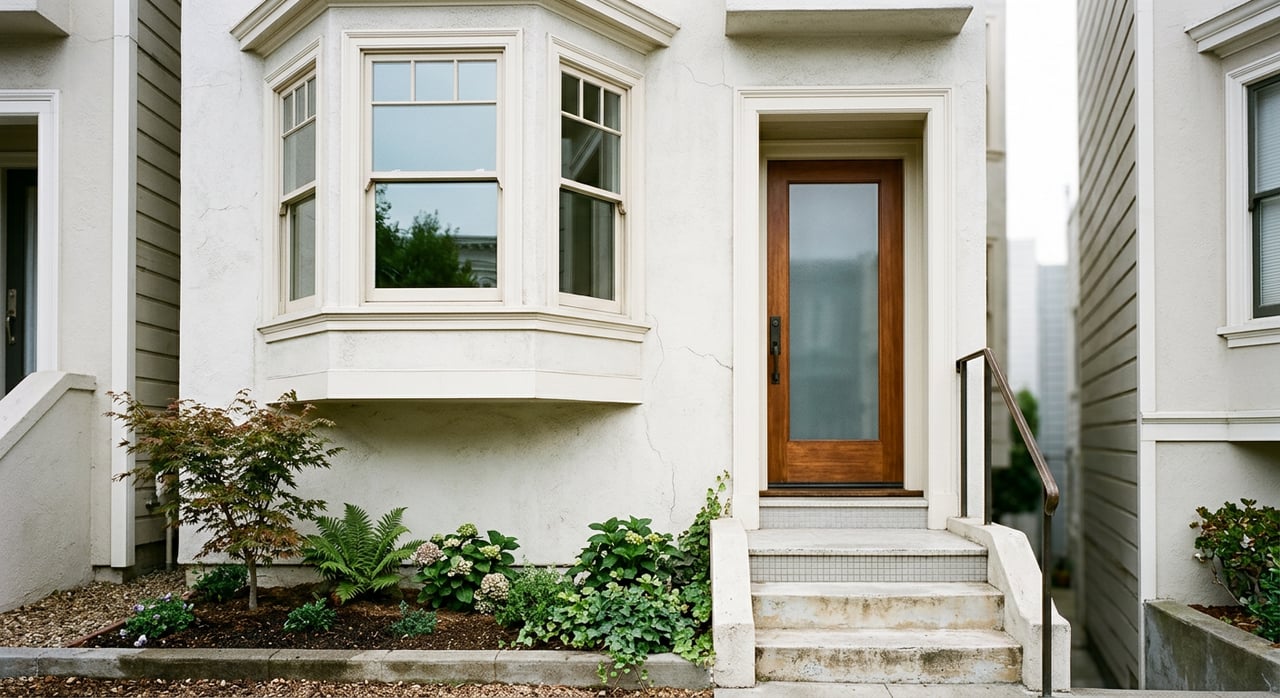
The Sunset stretches from the Inner Sunset near Golden Gate Park to the ocean-facing Outer Sunset. Most homes are early to mid-20th-century single-family houses, often with later remodels. Many have unpermitted work that can affect loans, insurance, and appraisals.
Transit access is a real value driver. The N Judah light-rail line is the main high-frequency link through the neighborhood, and proximity to stops often improves marketability and commute options. You can confirm stop locations and service details on the N Judah line page.
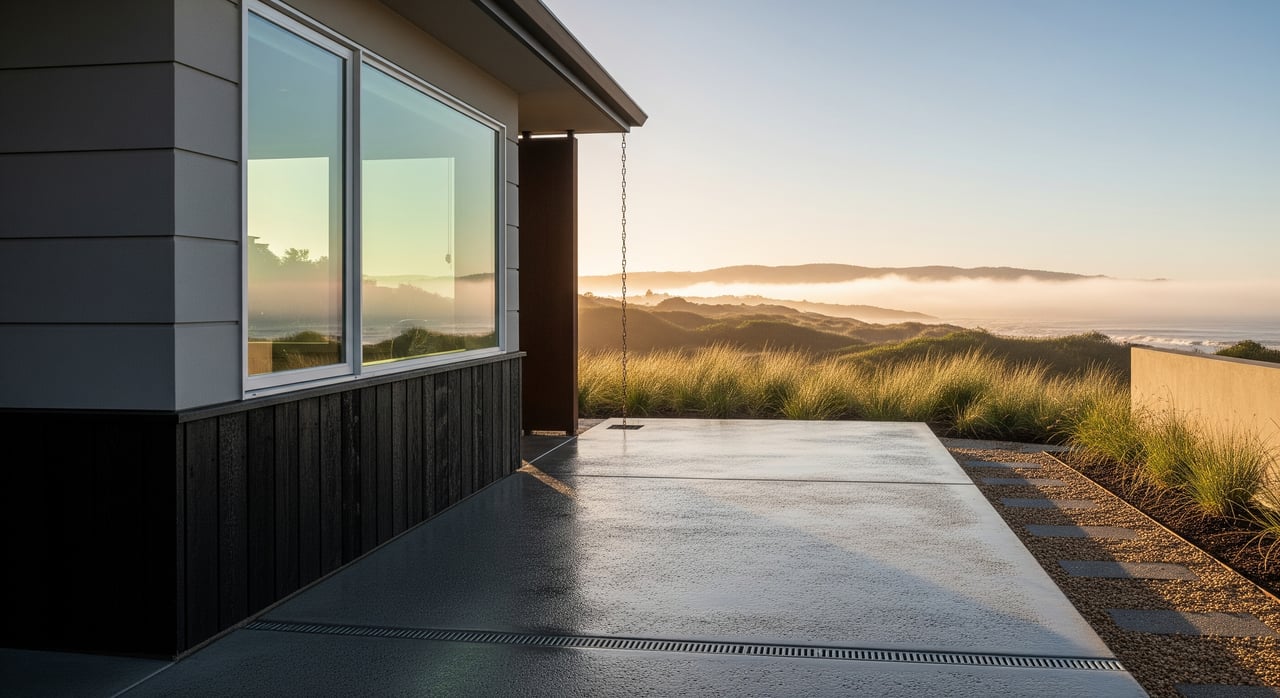
Climate also matters. The Inner Sunset is typically sunnier. The Outer Sunset is cooler and foggier, with more wind and salt air that can affect roofs, stucco, and exterior metal. For context on regional patterns, see the National Weather Service Bay Area office.
Know the value drivers before you bid
Inner vs Outer microclimate
Light and moisture shape daily life and maintenance costs. In the Outer Sunset, focus on roof condition, attic ventilation, stucco cracks, flashing, and drainage. In the Inner Sunset, sunnier conditions can support stronger pricing, but you should still evaluate building systems and prior work.
When you inspect, ask your inspector to check for moisture and mold risks, especially in basements, crawl spaces, and behind exterior walls. This targeted approach helps you price your offer and set realistic repair expectations.
Parks and transit proximity
Closeness to Golden Gate Park, Ocean Beach access points, and neighborhood playgrounds is a common priority. If the home is a short walk to the N Judah or key bus lines, that can broaden the buyer pool and support value. In your offer, reference comps that match the home’s walk-shed to the N Judah route and similar park access.
Permit history and unpermitted work
Older Sunset homes often have remodels that were not fully permitted. Lenders, appraisers, and insurers may require documentation or adjust value if work is non-permitted. Start with the city’s Property Information Map for planning and permit records, and cross-check with the Department of Building Inspection for permit status and history.
If you find unpermitted items, structure your offer to acknowledge known issues and keep an inspection or permit-focused contingency, or price accordingly for an as-is purchase.
Parking and street conditions
Garage or off-street parking carries a premium in San Francisco. Factor driveway and garage access, curb cuts, and any restrictions into your valuation. If parking is scarce, highlight it as a justification for your price in your offer package.
Schools and local services
Attendance zones and access to neighborhood services can influence demand. Keep school references neutral and fact-based. If schools affect your decision, align your comps to similar catchments and neighborhood amenities.
Tactics that work in Sunset offers
Pre-offer inspections
A pre-offer inspection reduces seller uncertainty and helps you write a cleaner, faster offer. In the Sunset, ask your inspector to emphasize moisture, drainage, roof and attic ventilation, stucco and flashing, and any signs of salt-air corrosion. This is especially important for Outer Sunset homes.
Pros include better knowledge of defects and the ability to shorten or tailor your inspection contingency. The trade-off is up-front cost without a guaranteed win and the risk of latent defects that an inspector could not see. If a seller has recent inspections, review them carefully and consider a targeted follow-up.
Smart contingency strategies
Common contingencies include loan, appraisal, inspection, and title. In competitive situations, you can shorten timelines, limit objections to major health and safety items, or run an “informational inspection” that preserves your right to cancel within a short window. Make sure your agent writes clear language using standard California forms. Learn more about the framework on the California Association of Realtors standard forms page.
Because unpermitted work is common in the Sunset, outright inspection waivers are rare for prudent buyers. A better approach is a pre-offer inspection, then a brief post-acceptance contingency that is limited in scope.
Appraisal-gap approaches that hold up
If the appraisal comes in below your contract price, lenders usually base your loan amount on the appraised value. To stay competitive, many buyers offer appraisal-gap coverage. You commit to bring a set amount of cash if the appraisal falls short, up to a cap.
Some buyers waive the appraisal contingency entirely, which raises risk since you could lose your deposit if financing fails. Others increase their down payment to lower loan-to-value, which can ease lender concerns. Always align your language with your lender’s rules. For background on appraisal requirements, review the Fannie Mae Selling Guide with your loan officer.
Escalation clauses can help you inch past competing offers up to a ceiling, but they do not solve appraisal shortfalls. Pair them with a clear gap plan if you use them.
Non-price terms that signal certainty
Sellers value speed, certainty, and clean documentation. Tight but reasonable contingency timelines, a flexible closing date, or a short seller rent-back can set you apart. Include a current pre-approval, not a pre-qualification, plus proof of funds for your deposit and any appraisal-gap cash.
Support your price with a brief comp summary that notes park proximity, N Judah access, microclimate, and parking. San Francisco sellers often choose well-documented offers over small price differences when risk is the deciding factor.
How to package your offer
- Lead with a complete, lender-vetted pre-approval and proof of funds.
- If you completed pre-offer inspections, state that clearly and attach summaries.
- Use comps that match park and transit proximity, microclimate, and parking. Cite specific sales with similar features and walk-sheds.
- Set timelines that balance speed with realism. Coordinate inspection vendors in advance so you can hit a 7 to 10 day window if needed.
- Confirm appraisal-gap language with your lender before submitting.
To keep your assumptions aligned with current market tempo, review local updates such as the San Francisco Association of Realtors market stats. For property-level records, also reference the SF Assessor-Recorder as part of your diligence.
Sunset buyer readiness checklist
Use this to get decision-ready before your next tour.
Financial and documentation
- Secure a written pre-approval from your lender with clear conditions.
- Gather proof of funds for your deposit and any appraisal-gap coverage.
- Decide your maximum net-to-seller and the maximum cash you can bring for a potential appraisal shortfall.
Inspection and due diligence
- Line up an inspector who knows SF issues, including moisture, stucco, roof and attic, and foundations.
- Budget for a pre-offer inspection, or plan for a fast post-offer inspection window.
- Pre-schedule specialists for quick calls, such as roof, sewer, plumbing, or foundation experts.
Offer strategy
- Choose your contingency posture, such as a short inspection window with limited objections.
- Set your appraisal-gap plan and confirm lender acceptability.
- Prepare a complete offer packet with pre-approval, proof of funds, and any inspection summaries.
- Be flexible on closing timing if that helps the seller.
Neighborhood checks
- Review permits on the Property Information Map and confirm with the Department of Building Inspection.
- Ask your agent for comps that reflect park and transit proximity, microclimate, and parking.
- Confirm any flood or moisture risks and review recent exterior maintenance records.
Coordinate your team for speed
Winning offers often come together on short notice. Align your lender, inspector, and closing partners before you write. Set expectations for rapid document turnarounds, verification calls, and calendar holds during offer weeks.
Keep communications crisp and proactive. A clear plan reduces surprises and shows the seller your offer will close on time.
Final thoughts
You can win in the Sunset without taking on unnecessary risk. Focus on the details that matter locally, choose tactics that fit your risk tolerance, and present a clean, well-documented offer. If you want a calm, process-driven plan tailored to your goals, connect with Cheryl Bower to get started.
FAQs
Should I waive inspections to win in the Sunset?
- Waiving can be competitive but increases risk, so many buyers opt for a pre-offer inspection and a short, limited post-acceptance inspection window instead.
How do appraisal-gap clauses work in San Francisco?
- You commit to bring a set amount of cash if the appraisal is low, which strengthens your offer, and you should confirm the language with your lender before you submit.
Are escalation clauses a good idea in the Sunset?
- They can help you beat a competing offer up to a cap, but they do not fix appraisal shortfalls and some sellers prefer straightforward best-and-final pricing.
What local issues should my inspector focus on in the Sunset?
- Moisture and mold risk, roof and attic ventilation, stucco and flashing, drainage and grading, foundation issues, and any unpermitted additions or garage conversions.
How much do park and N Judah proximity affect value?
- Transit and park access are meaningful to many buyers, so highlight these in your comps and offer materials when they align with the home’s location.