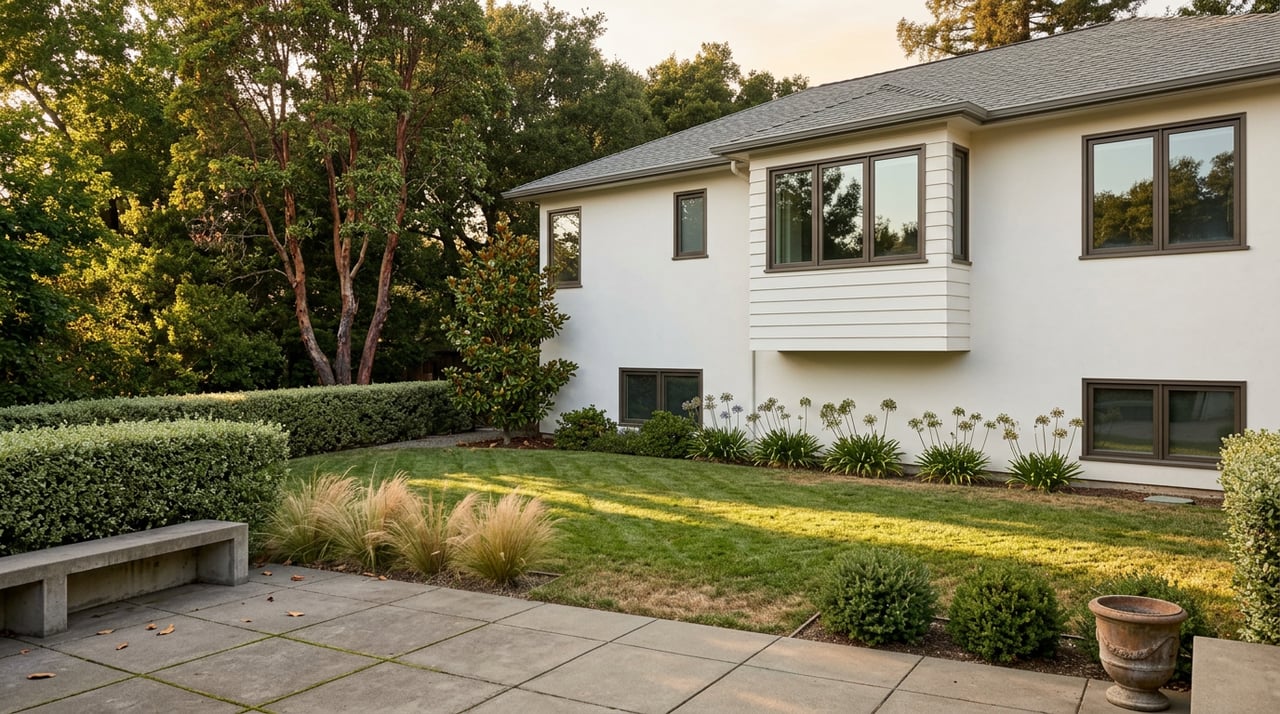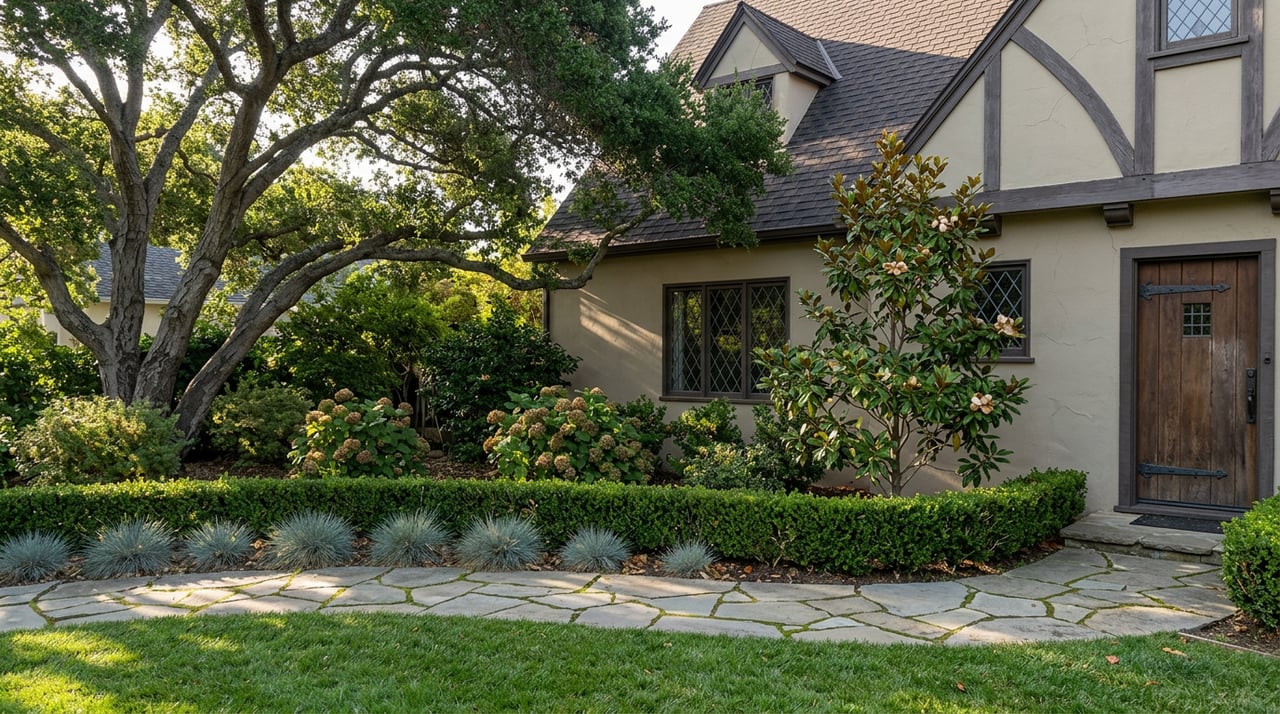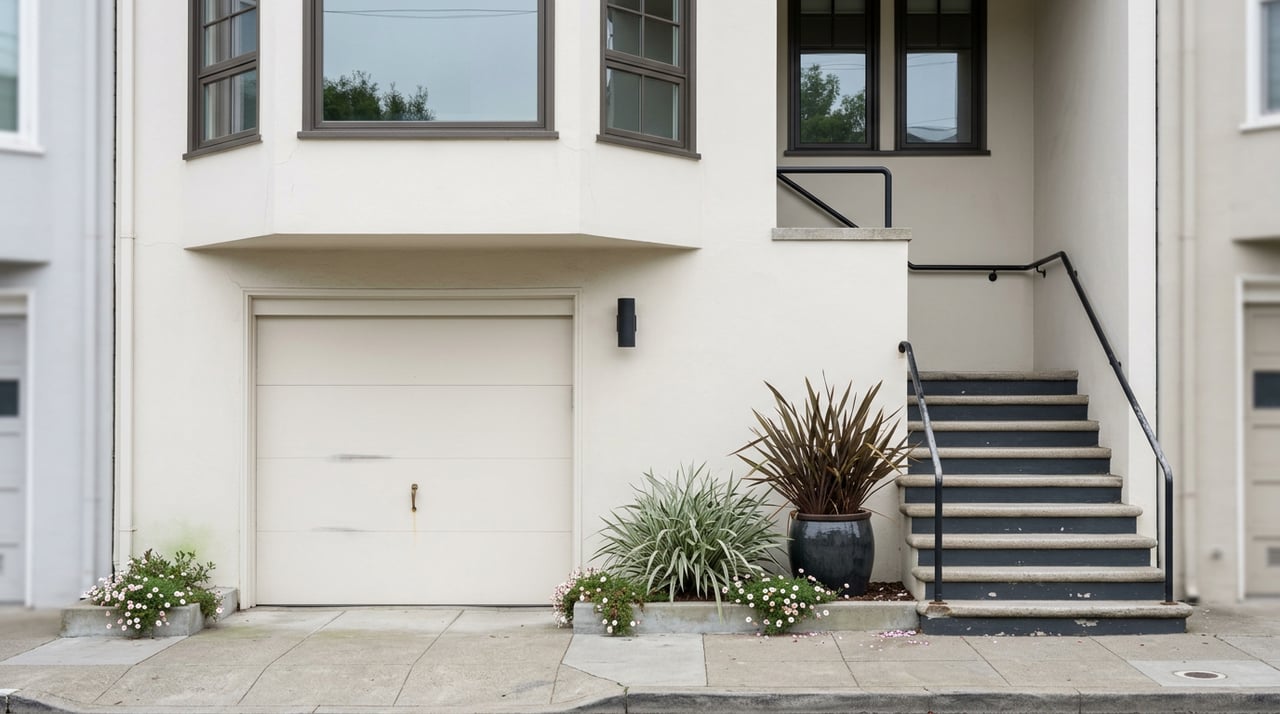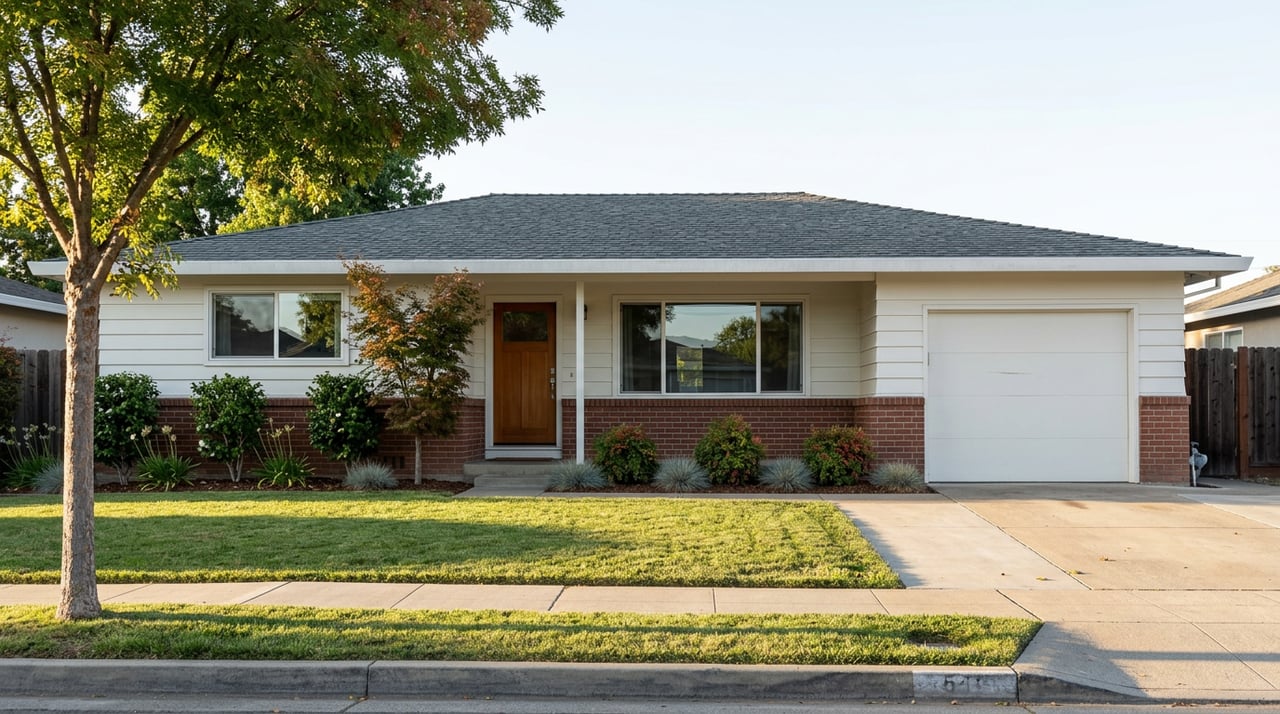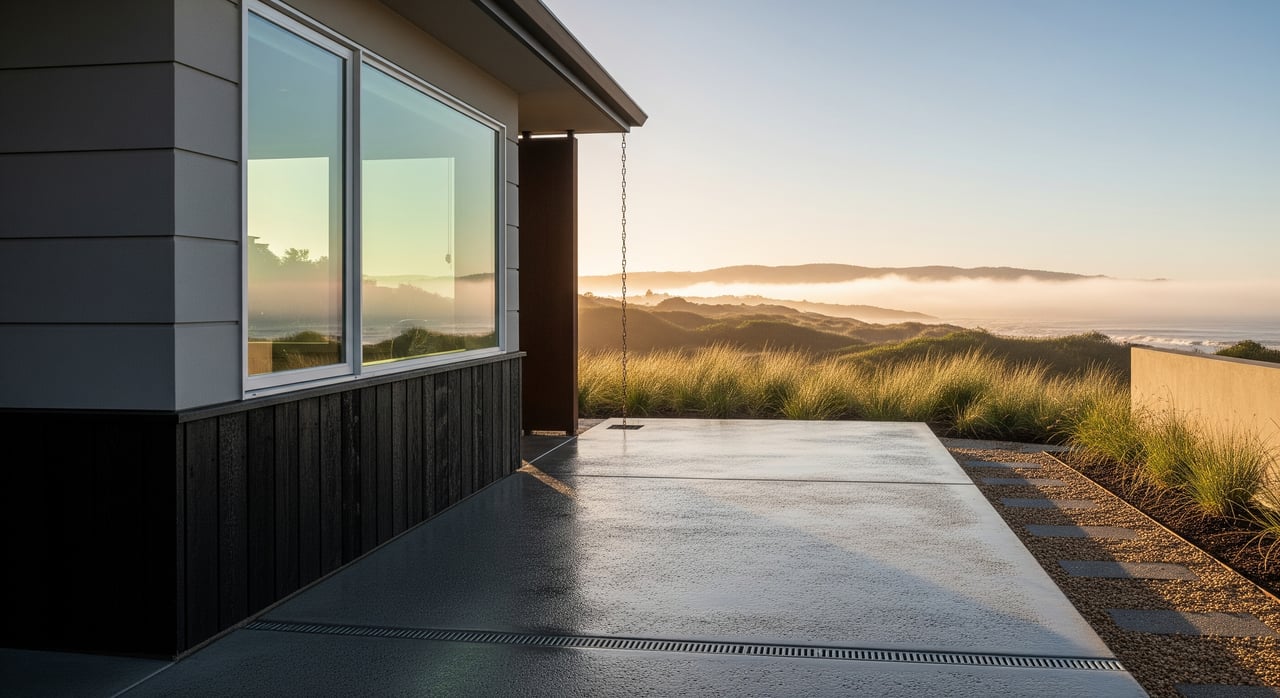
Fog, wind, and salt air shape how homes age in the Sunset. If you are moving to the Inner or Outer Sunset, you want a home that stands up to this microclimate without constant fixes. In this guide, you will learn which materials perform best, how to maintain them, and what to check before you buy. You will also get a simple schedule and vendor tips to keep your home low stress for years. Let’s dive in.
Sunset microclimate basics
The Sunset sits under a frequent marine layer with cool summers and mild winters. You will see persistent surface moisture from fog drip and wind-driven mist. Salt spray is stronger near Ocean Beach in the Outer Sunset. The Inner Sunset is more sheltered but still damp and breezy.
What that means for your home
- Persistent moisture raises the risk of rot, mildew, and paint failure.
- Salt speeds up corrosion on fasteners, flashing, railings, and HVAC parts.
- Wind and airborne sand wear down finishes and can push water into gaps.
- Low sun exposure slows drying, so wet materials stay wet longer.
Exterior cladding that lasts
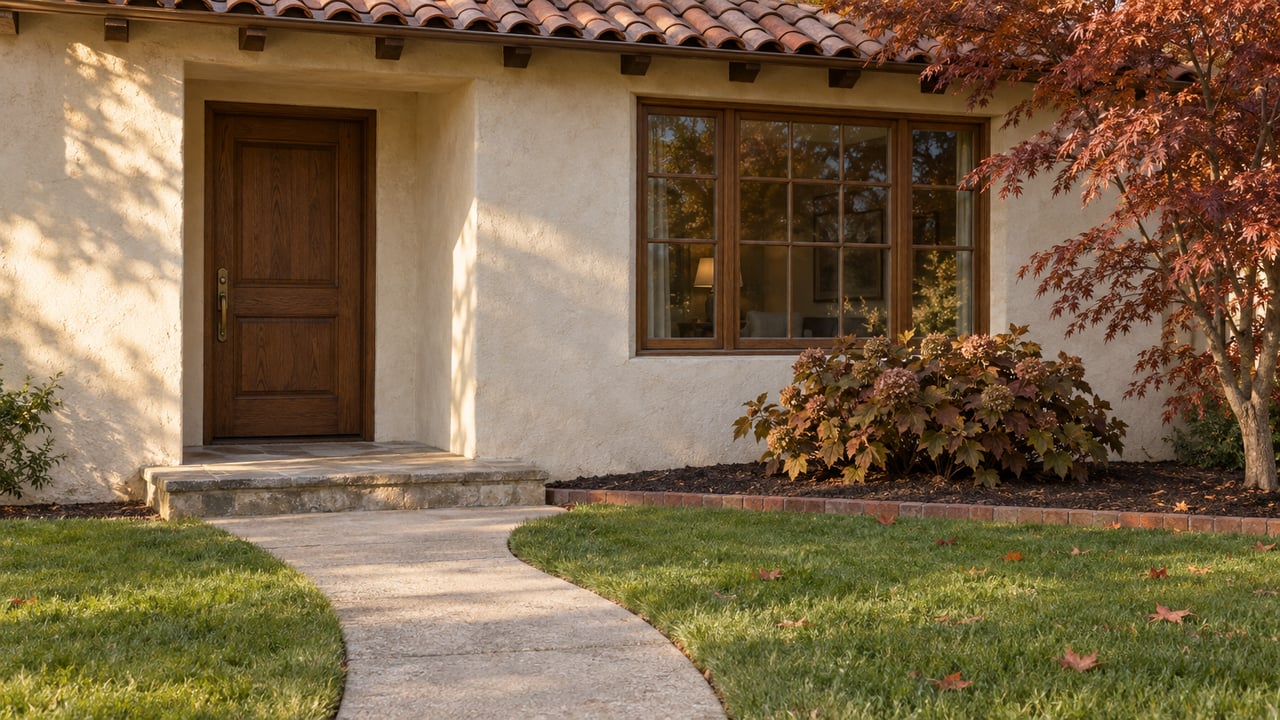
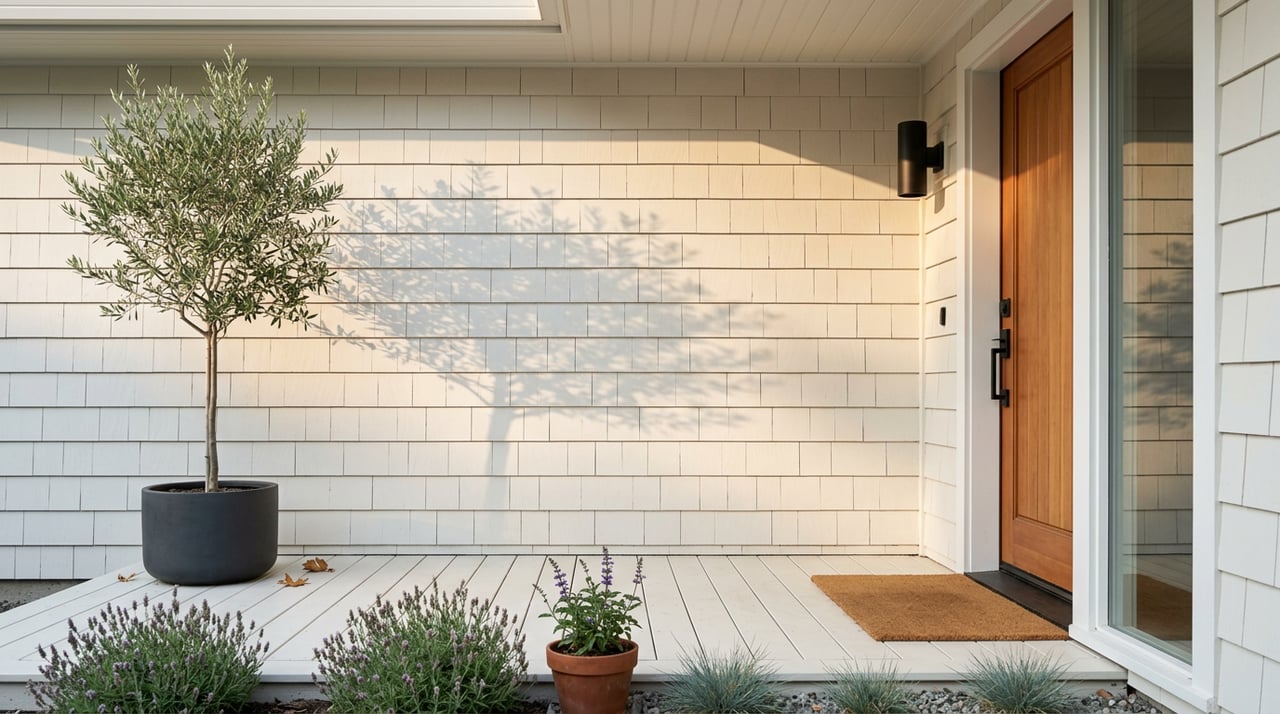
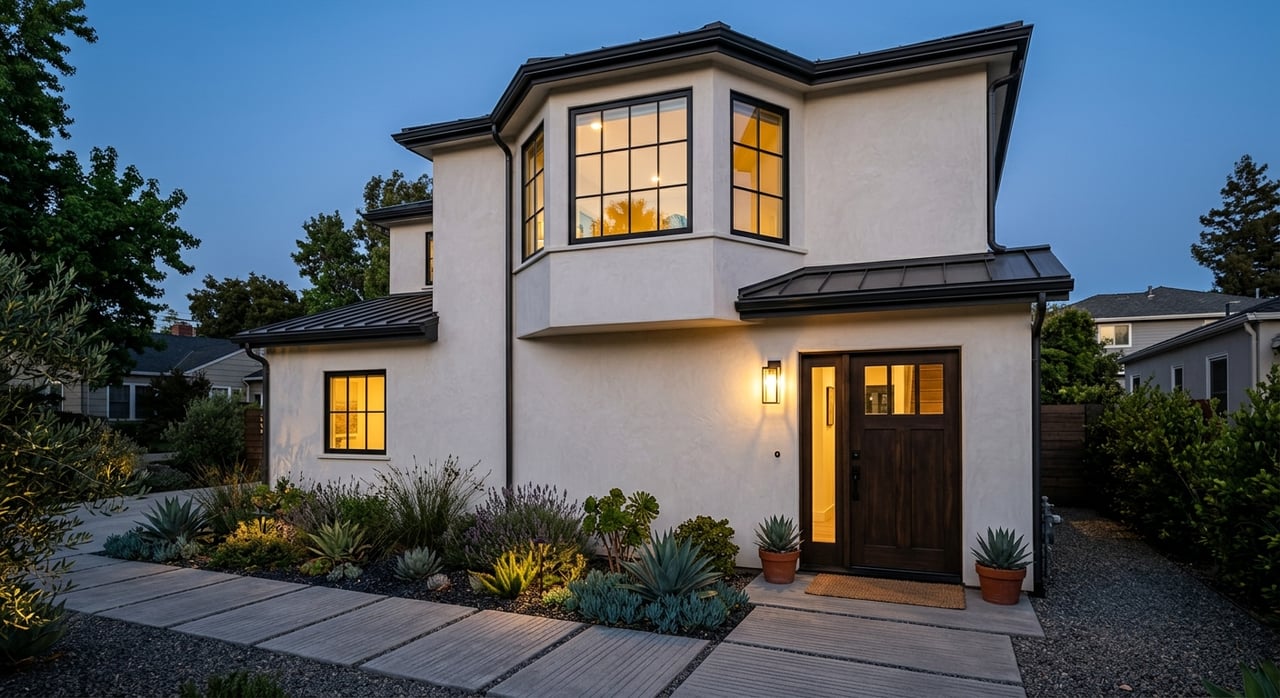
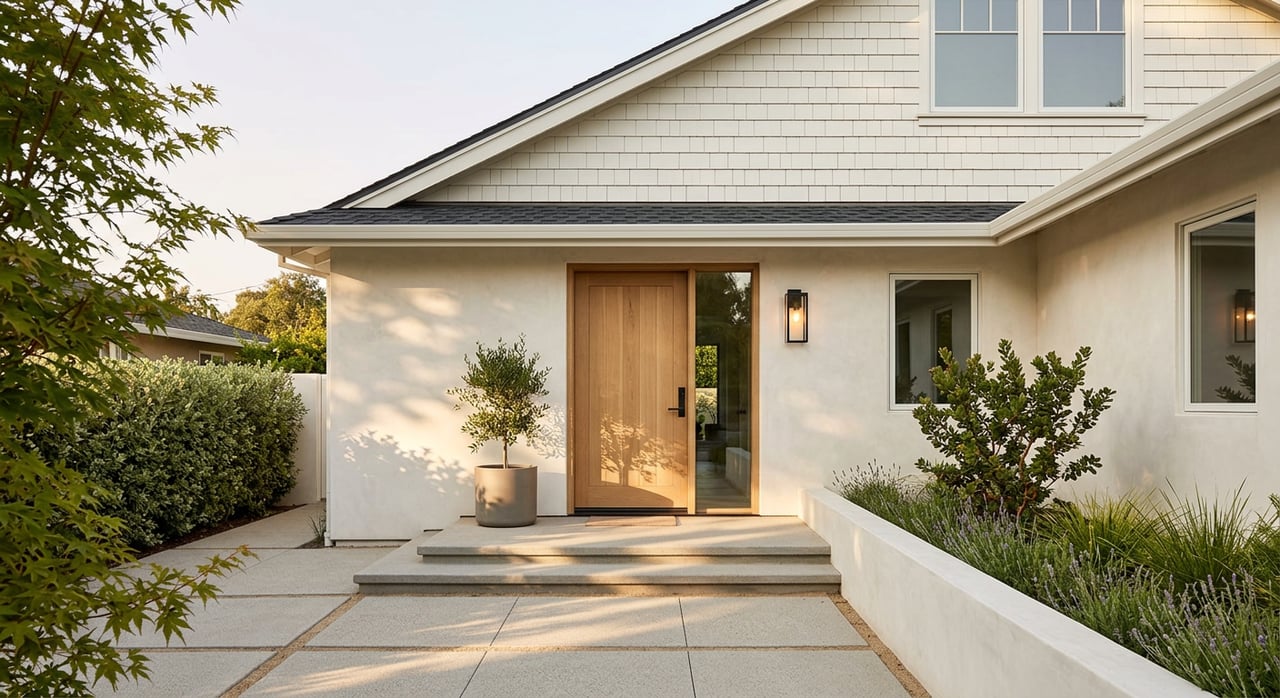
Fiber-cement siding is a strong coastal choice. It resists rot, holds paint well, and stays stable in damp conditions. If you choose engineered wood or composite siding, verify it is rated for coastal use. Traditional stucco can work well if installed with a proper drainage plane, weep screeds, and careful flashing.
Minimize untreated wood in highly exposed spots unless you plan regular sealing and repairs. For trim, use fiber cement, PVC, or capped composites. Choose marine-grade stainless steel fasteners, preferably 316 in the Outer Sunset, or hot-dip galvanized rated for coastal use where exposure is lower. A continuous rainscreen or drainage plane behind cladding helps walls dry and extends paint life.
Windows and exterior doors
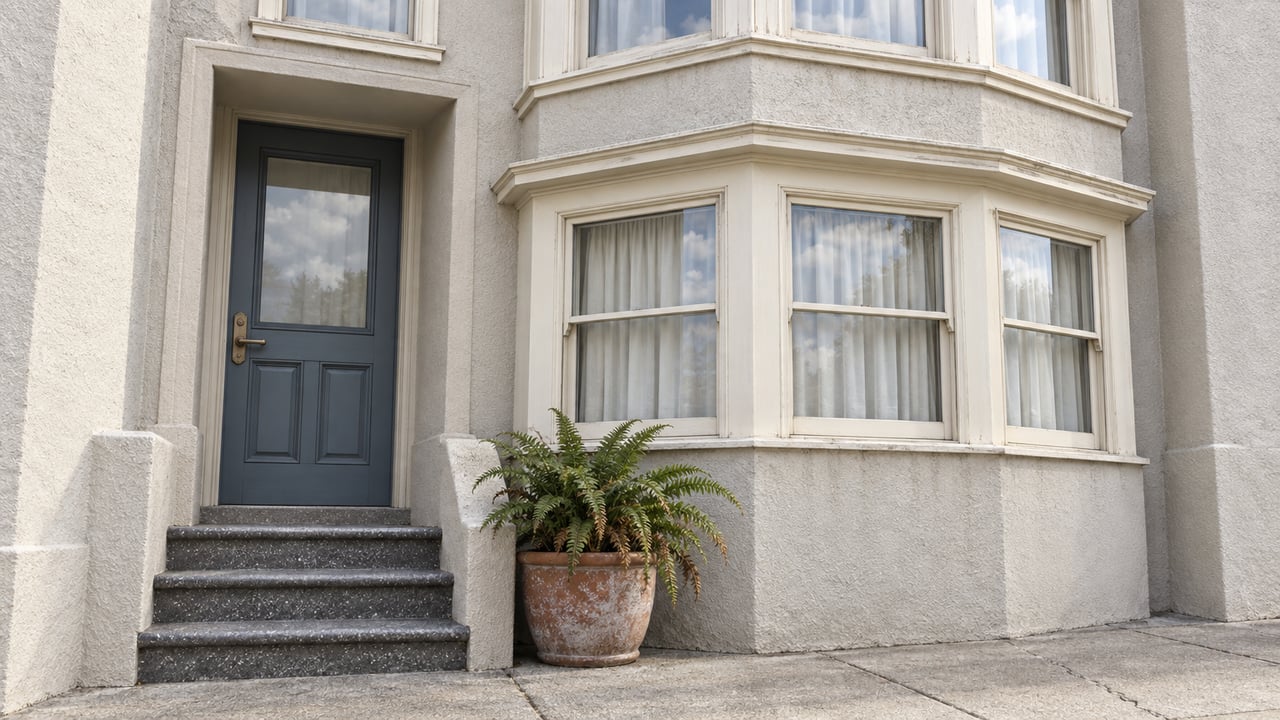
Fiberglass frames are stable and low maintenance in damp climates. High-quality vinyl or well-sealed wood-clad units can also work when maintained. Use double-pane insulated glass with warm-edge spacers and consider low-E coatings suited to our mild climate. On south-facing walls, allowing some passive solar gain can help with comfort.
Hardware should be stainless steel or another corrosion-resistant finish. Proper flashing is as important as product choice. Ask for head and sill flashing, drip caps, sealed sills, and tight integration with the water-resistive barrier. Tilt-in sashes make cleaning easier when exterior glass gets frequent fog film.
Roofing, flashing, and gutters
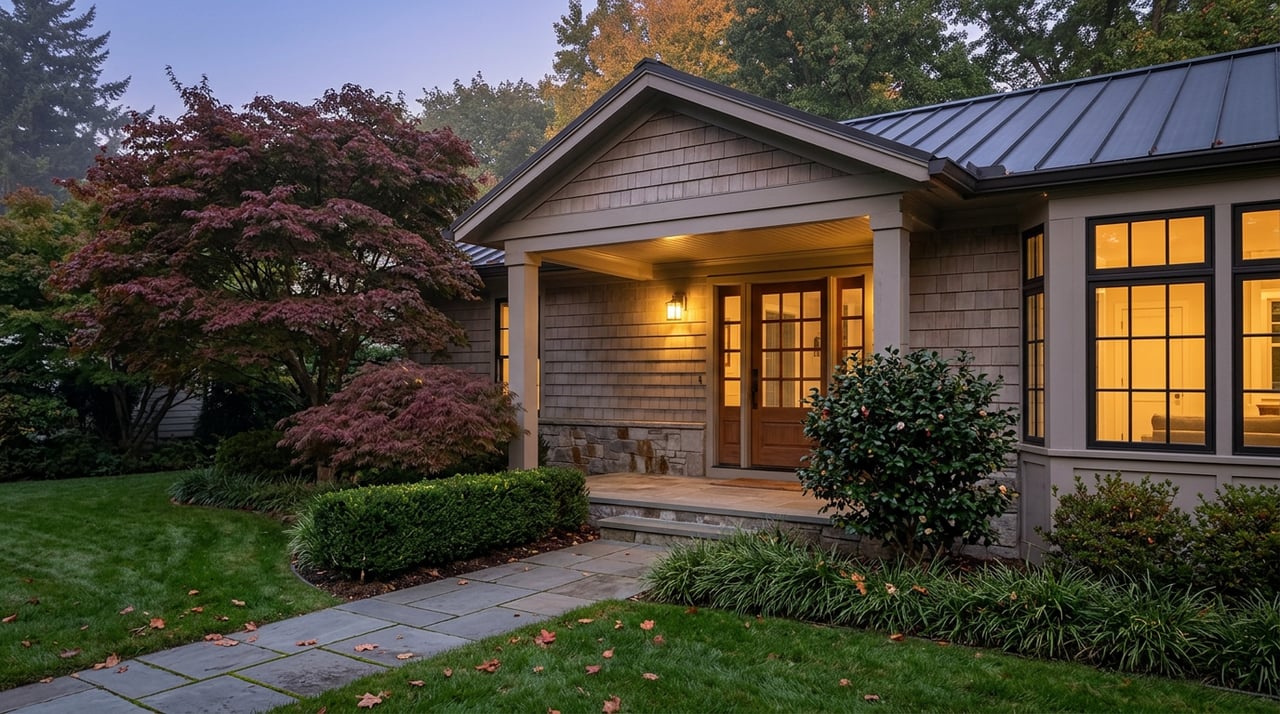
Metal roofing with coastal-rated coatings is a durable option. Aluminum and pre-painted Galvalume can perform well if specified correctly and paired with compatible fasteners. Concrete or clay tile and slate offer long life but require adequate structure due to their weight. Architectural asphalt shingles are common and can work, but expect shorter lifespans near the ocean. Cedar shakes are usually not ideal in persistently damp conditions.
Use 316 stainless steel or properly coated metals for flashings and fasteners in the Outer Sunset. In the Inner Sunset, hot-dip galvanized to the right spec may be acceptable per manufacturer guidance. Size gutters for local leaf loads and clean them often. Ensure downspouts and site grading keep water away from the foundation.
Decks, porches, and balconies
Composite capped decking resists moisture and cuts down on routine sealing. Tropical hardwoods like ipe are durable but still need coastal-rated fasteners and careful detailing. If you keep wood decks, use pressure-treated or rot-resistant species and plan for frequent sealing.
Connections are critical. Use 316 stainless steel for ledgers and connectors in the Outer Sunset. Check balcony and deck waterproofing layers and the ledger flashing, which is a common failure point.
Corrosion control and fasteners
In near-ocean exposure, prioritize 316 stainless steel for exterior screws, nails, connectors, and hardware. In more sheltered areas, hot-dip galvanized to the proper grade may suffice if allowed by the manufacturer. Avoid dissimilar metals in direct contact unless you isolate them. Protect outdoor mechanicals with corrosion-resistant coatings and plan for earlier replacement cycles at the coast.
Paints, sealants, and waterproofing
Choose high-quality 100% acrylic exterior paint with mildewcide and UV stabilizers. Semi-gloss or satin on trim helps shed moisture. Use marine-grade or siliconized sealants that are compatible with your surfaces and paint. A continuous drainage plane behind cladding reduces hidden moisture problems.
HVAC placement and care
Salt and moisture are tough on outdoor coils and casings. If possible, locate equipment away from the most exposed walls. Ask about factory corrosion protection and schedule regular coil cleaning. Use controlled ventilation to manage indoor humidity and reduce condensation risk.
Landscaping that thrives
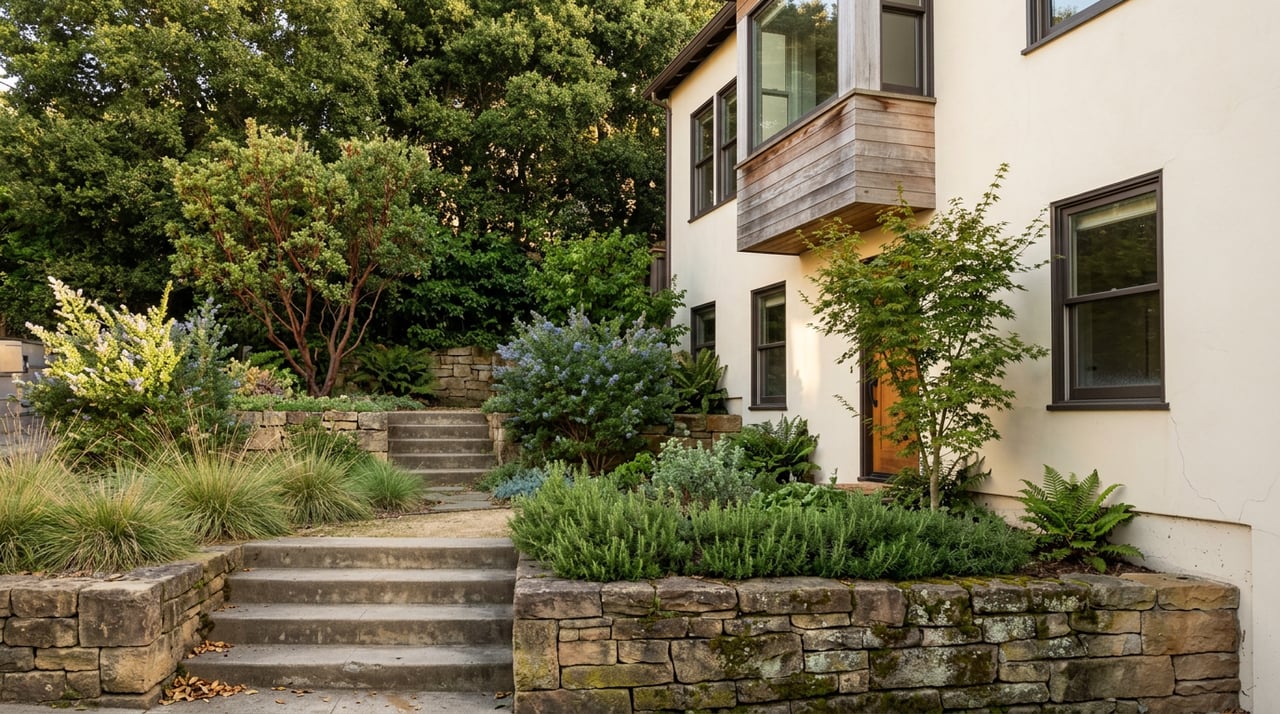
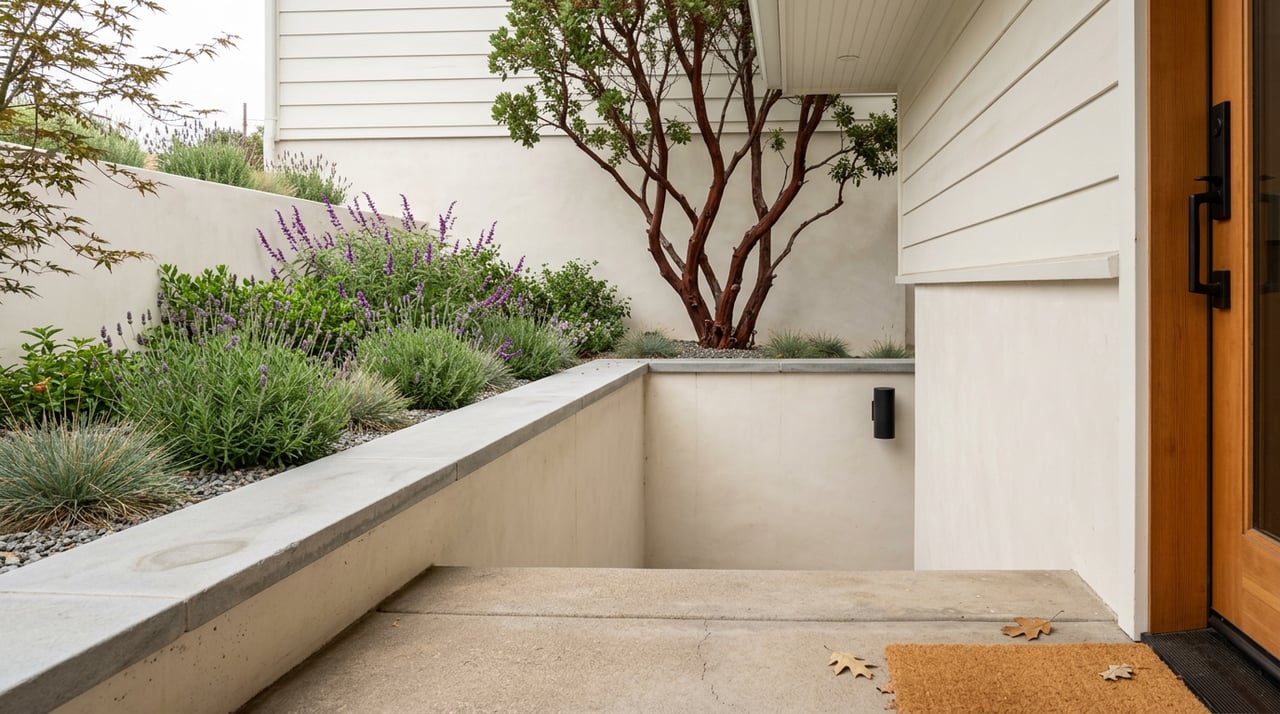
Coastal winds, salt spray, and fog drip guide plant choices. Favor drought-tolerant, salt-tolerant, and wind-tolerant species, including California natives and Mediterranean-climate plants. Examples include manzanita, coyote brush, shore buckwheat, ceanothus, hebes, rosemary, beach strawberry, and select succulents. Use layered hedges or permeable windbreaks to soften wind on the house.
Use drip irrigation with pressure regulation, and avoid overhead sprinklers that keep foliage wet. Keep mulch away from siding and trim. Trim trees back from the home to reduce debris and salt contact. Consider permeable paving and ensure grading sheds water away from the foundation.
Inner vs Outer Sunset priorities
- Outer Sunset: higher wind and salt exposure. Use 316 stainless fasteners, marine-grade coatings, and plan for more frequent inspections and maintenance.
- Inner Sunset: still foggy and damp but less salt spray. Moisture detailing matters, and some metal specs can be less aggressive if allowed by the manufacturer.
Buyer inspection prep checklist
- Exterior
- Look for corrosion on flashing, gutters, downspouts, railings, and HVAC units.
- Check for paint blistering, mildew, and soft or stained wood trim and fascia.
- Assess roof surface, flashing, and chimney details, plus any fastener corrosion.
- Confirm gutters and drainage move water away from the foundation.
- Windows and doors
- Check for condensation between panes, failed seals, rot at sills, and proper flashing.
- Test operation and inspect hardware for corrosion.
- Decks and balconies
- Inspect ledger flashing and attachments, fasteners, and waterproofing under decking.
- Interior
- Look for moisture stains, musty odors, and past leak evidence.
- Verify bathroom and kitchen ventilation and check crawlspace moisture where accessible.
- Mechanical and systems
- Note the age and condition of HVAC and water heater. Look for coil and case corrosion.
- Check exterior GFCI outlets and corrosion at service equipment.
Tests and diagnostics to request
- Moisture meter readings at siding, trim, fascia, and eaves.
- Infrared scan to find hidden moisture or insulation gaps.
- Window seal and fogging assessment with age or manufacturer data where available.
- Focused corrosion inspection on flashings and fasteners in high-exposure areas.
Contractor selection and coordination
- Choose contractors with coastal project experience in the Sunset. Ask for local references.
- Request exact material specs in writing, including fastener grades like 316 stainless steel, roof coatings, and window models.
- Confirm permits and adherence to local building codes for roofing, waterproofing, and structural work.
- Coordinate sequencing between trades. Roofers, window installers, and siding crews must align on flashing details.
- Verify licensing and insurance, and review any warranty corrosion exclusions.
- For repaints or coatings on fog-exposed walls, consider a small test area to confirm adhesion and drying.
Budgeting and smart tradeoffs
Upfront investment in coastal-rated materials typically lowers lifetime costs. Plan higher budgets if the home has older wood trim, aging windows, asphalt shingles near the ocean, or galvanized hardware on decks. Common preventive upgrades include stainless flashings and fasteners, window repairs with proper flashing, and root-cause fixes for moisture intrusion. Expect more frequent roof and gutter service if you are closer to the beach or under heavy tree cover.
Maintenance schedule at a glance
- Annual
- Inspect roof and flashings. Clean gutters and downspouts.
- Clean outdoor HVAC coils. Check for corrosion.
- Clean window tracks and check seals.
- Prune trees away from the house and remove debris.
- Every 1 to 2 years
- Wash siding and trim. Inspect for moisture and repaint needs.
- Reseal joints at windows, doors, and trim with marine-grade sealant.
- Inspect decks. Reseal wood or check composite fasteners and structure.
- Every 3 to 7 years
- Repaint exterior as exposure dictates. Outer Sunset is often on the shorter cycle.
- Review roof life with a local roofer and plan replacements earlier than inland norms.
- Ongoing
- After storms or fog-heavy periods, check for staining, mildew, or corrosion.
- Keep records of maintenance and equipment model numbers.
Ready to buy in the Sunset?
With the right materials, detailing, and maintenance plan, your Sunset home can be comfortable and low stress. If you want a property that fits your lifestyle and the microclimate, partner with a local advisor who can help align inspections, scope, and vendors. For calm, full-service guidance and access to a vetted contractor network, connect with Cheryl Bower.
FAQs
What siding works best in Sunset fog and salt air?
- Fiber-cement with a proper drainage plane and corrosion-resistant fasteners provides a durable, low-maintenance option.
How often should a Sunset roof be inspected?
- Outer Sunset annually is wise, while Inner Sunset can be every 1 to 2 years, with extra checks after major wind events.
What window specs suit the Sunset climate?
- Choose fiberglass or high-quality vinyl or wood-clad frames with double-pane glass, suitable low-E, and stainless hardware, plus careful flashing.
Are composite decks a good choice near Ocean Beach?
- Yes, capped composites resist moisture well, but they still require 316 stainless fasteners and proper waterproofing at connections.
Which plants handle salt and wind by the coast?
- Consider salt- and wind-tolerant options like manzanita, coyote brush, shore buckwheat, ceanothus, rosemary, and beach strawberry, matched to site conditions.