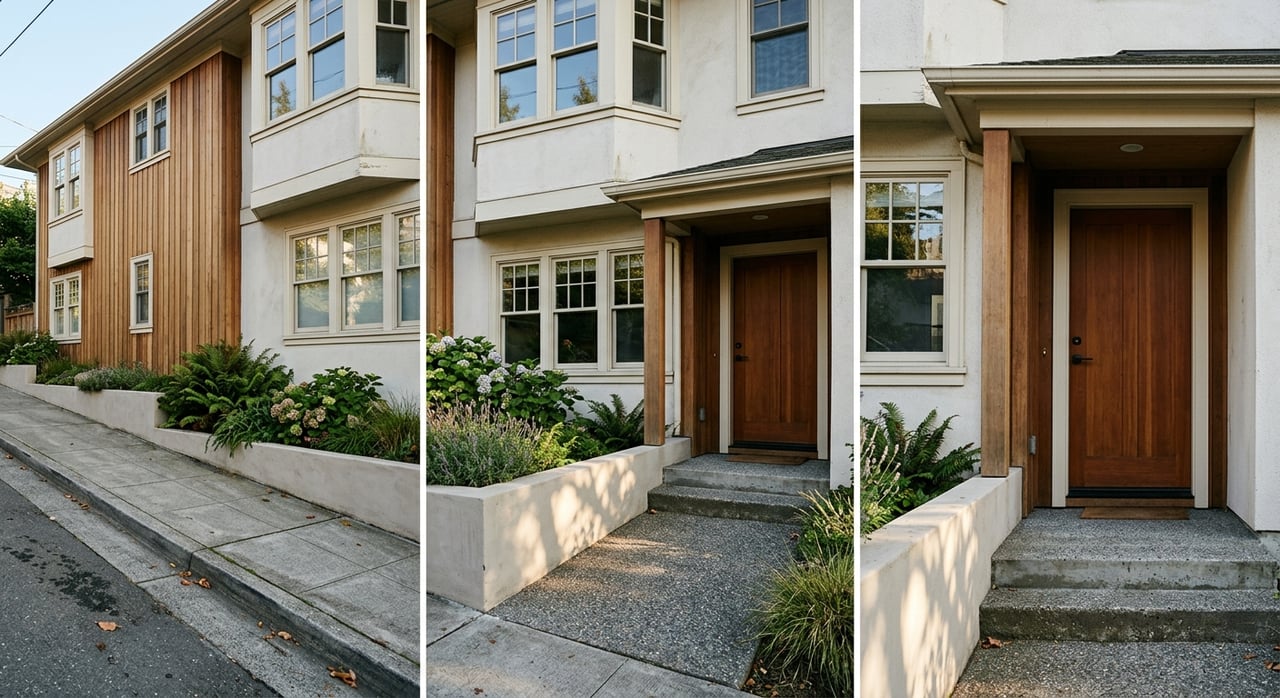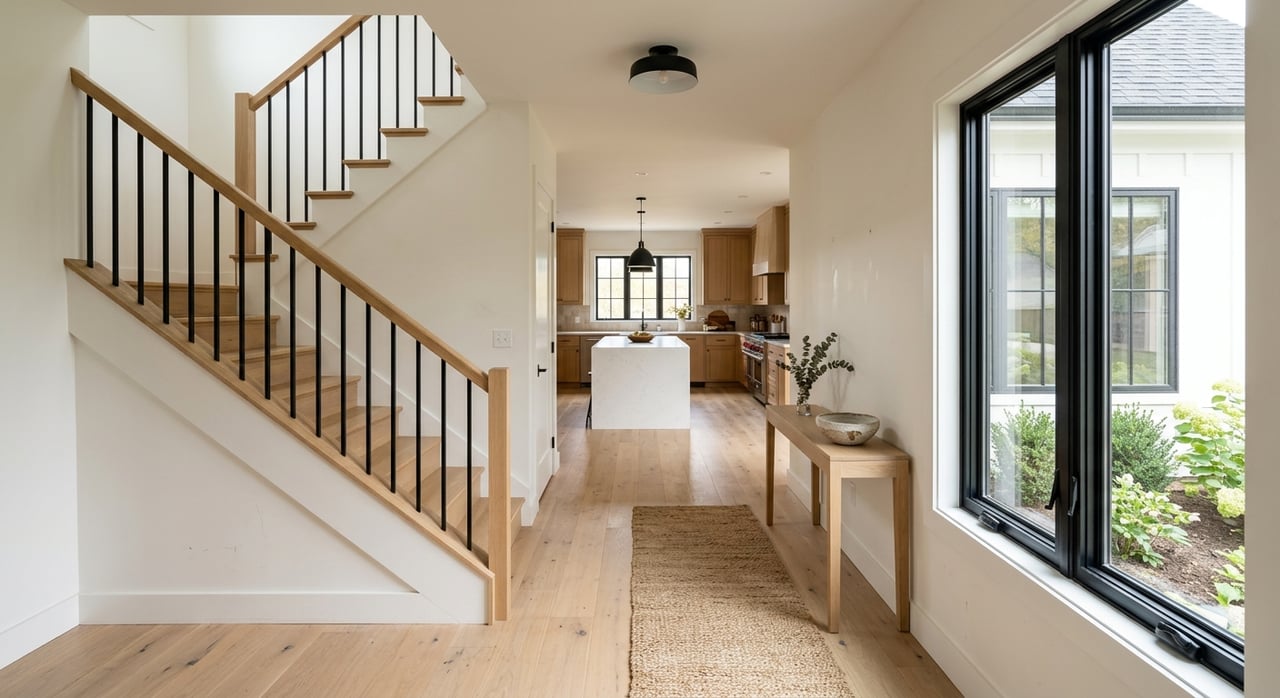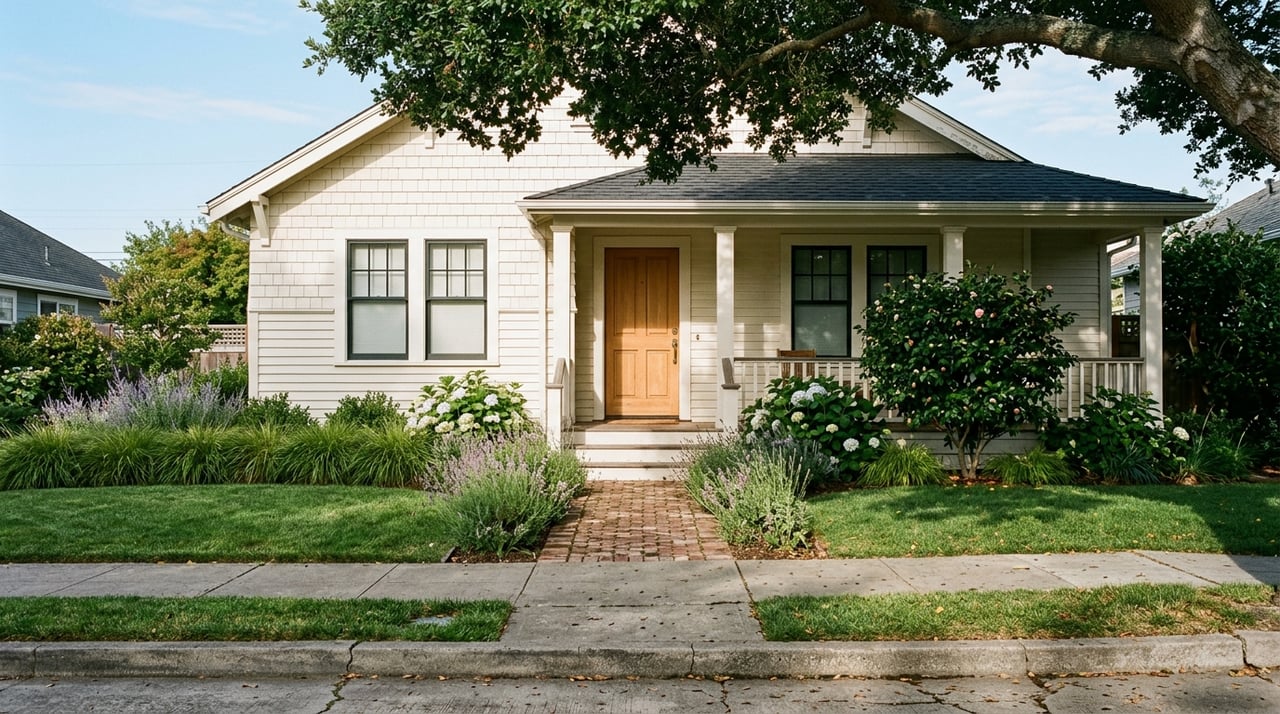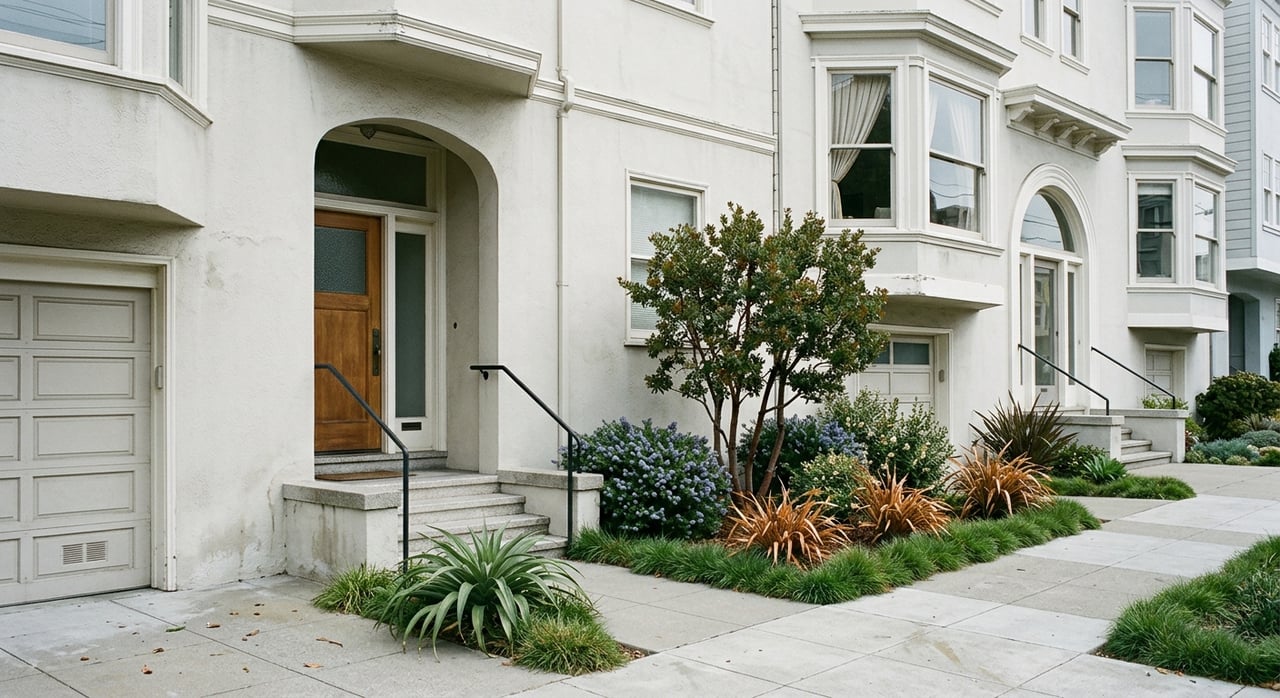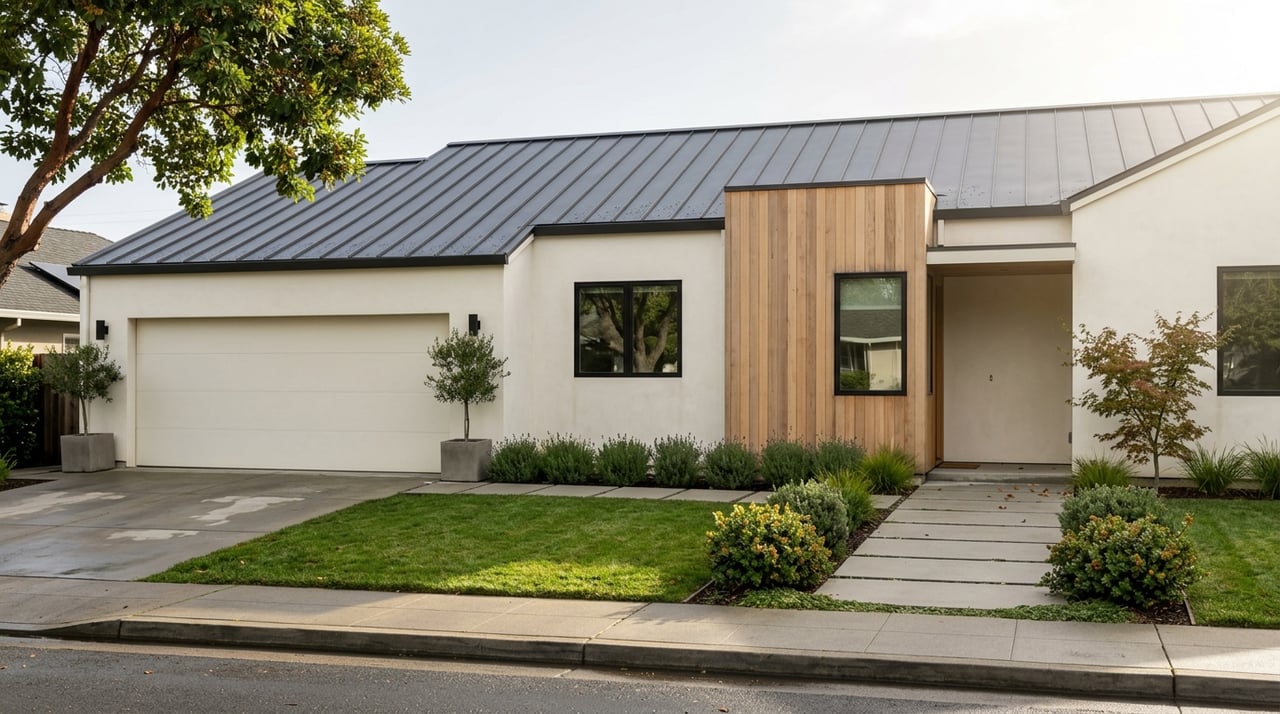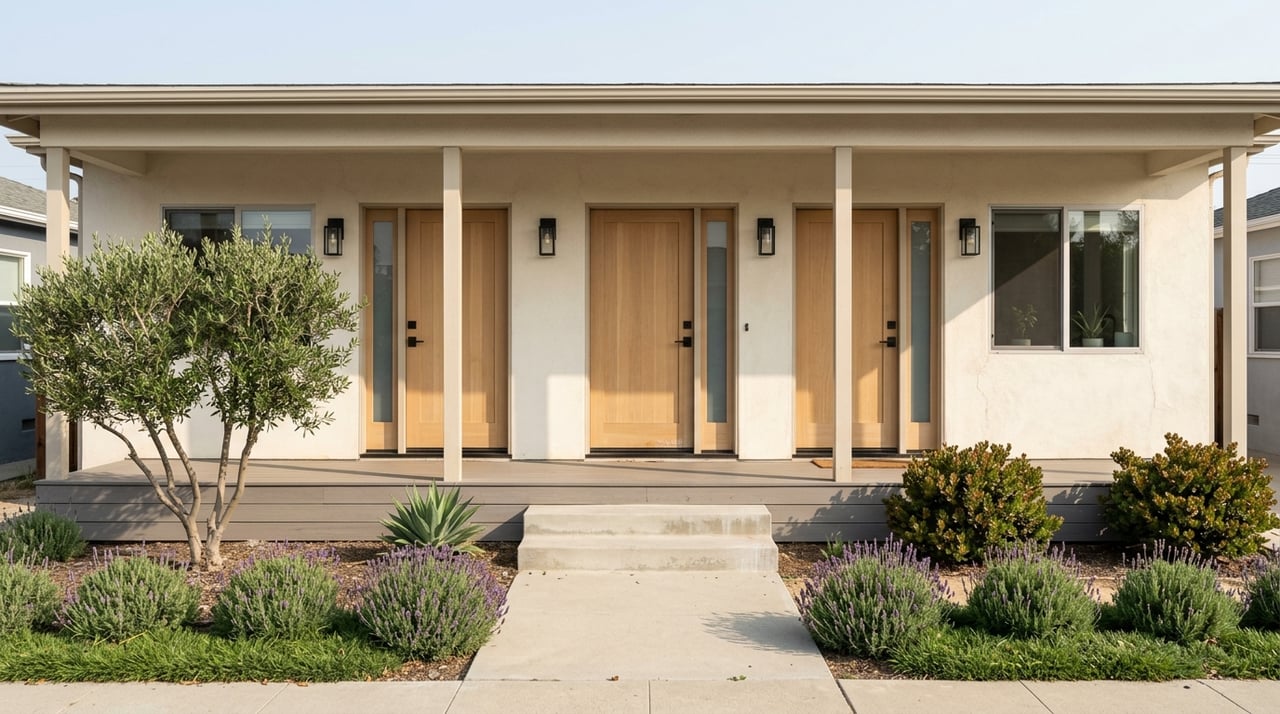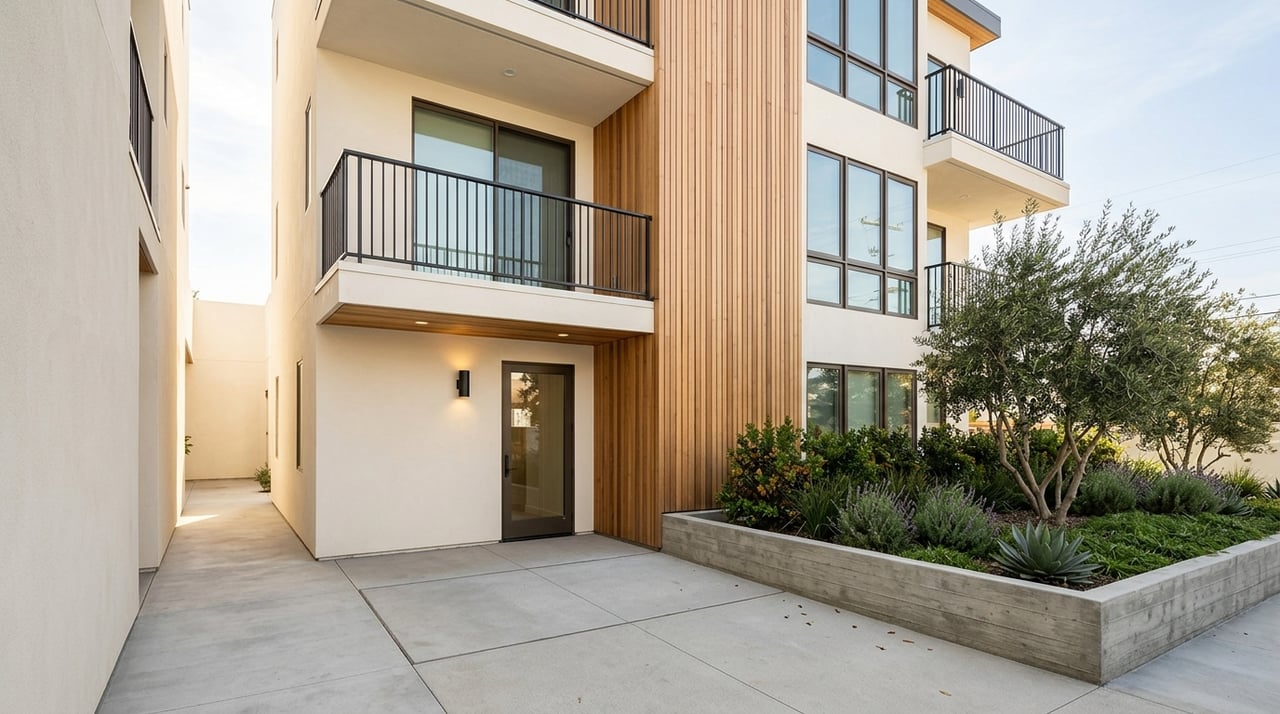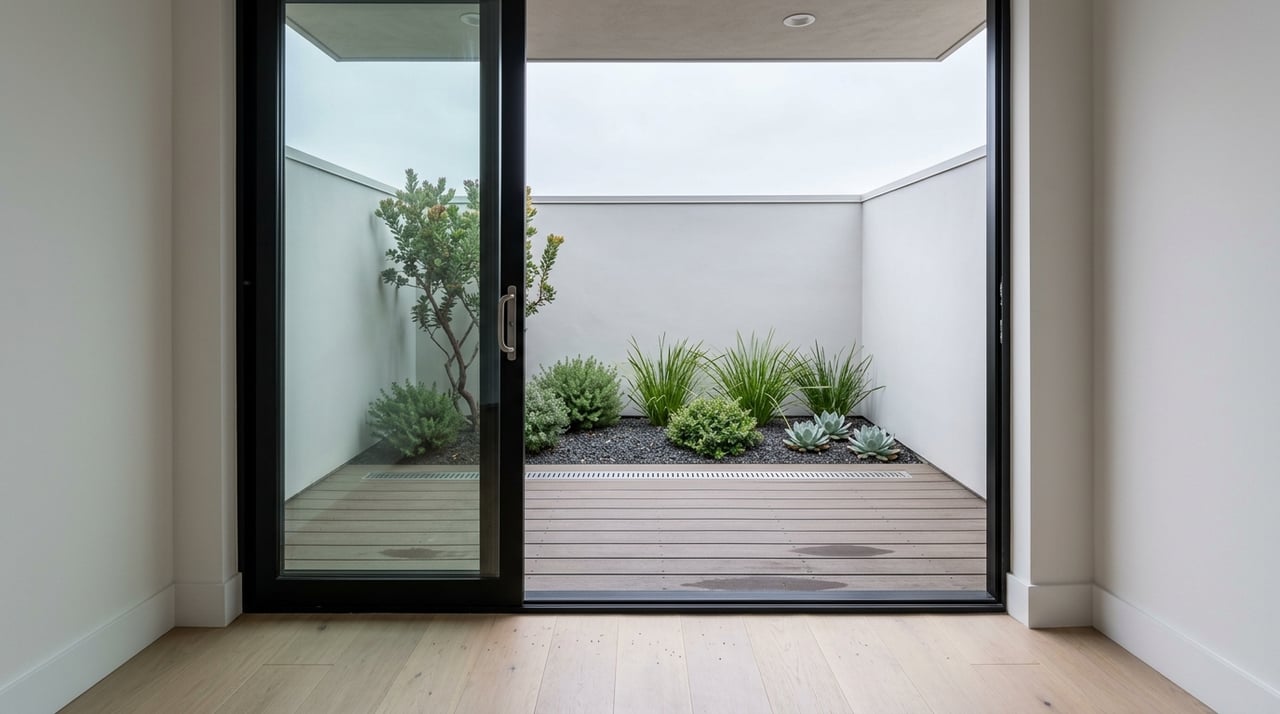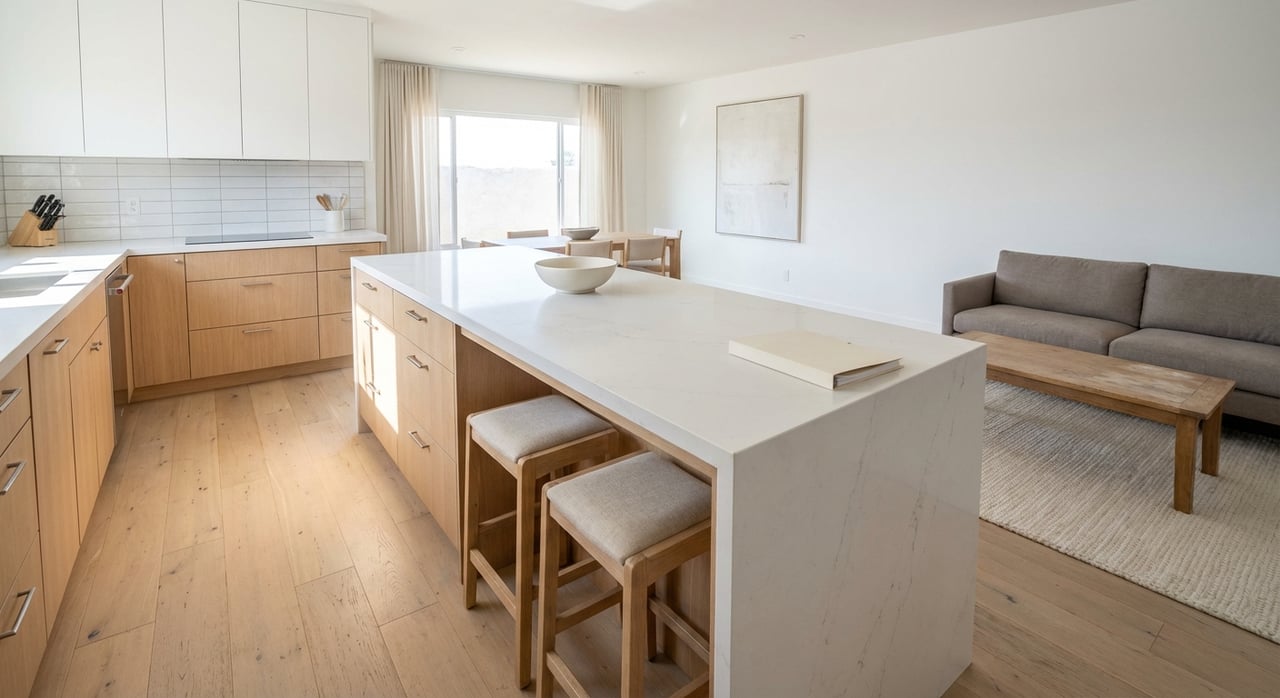
Thinking about selling your Glen Park home but not sure where to start? In a small neighborhood with fast-moving dynamics, timing, prep, and pricing can make a real difference to your bottom line. This guide gives you a clear 6–12 week game plan, a practical prep checklist, and a pricing strategy tailored to Glen Park. You’ll also see the key San Francisco disclosures and costs to expect so you can move forward with confidence. Let’s dive in.
Glen Park market at a glance
Glen Park is a small, sought-after pocket of San Francisco. That means a few sales can swing the data in any given month. Recent snapshots show typical home values ranging from about $1.6 million to $2.5 million. Zillow’s neighborhood index has hovered near $1.65 million, while a recent Realtor.com snapshot showed a median list price around $1.598 million and about 61 days on market. In early 2025, a local quarterly recap reported a much higher single‑family median of $2.525 million on just 13 sales, which is a good example of how small samples create volatility.
Local demand stays steady thanks to Glen Canyon Park, a walkable village center, and easy access to Glen Park BART and I‑280. The neighborhood has drawn more attention in recent reporting, which supports values when supply is thin. For perspective on why medians jump, see the Glen Park Association’s discussion of small-sample effects in their market recap. You’ll see why it is smart to price by range and adjust for condition and permits rather than rely on a single number. Read the Glen Park Association recap for context.
Your ideal selling timeline
Plan on 6–12 weeks before you hit the MLS if you need repairs, staging, or permits. If your home is already in great shape, 3–4 weeks can work. After you accept an offer, most Bay Area escrows run about 21–45 days. Preparing a full disclosure package and optional pre‑inspections can shorten contingencies and reduce risk. See a Bay Area listing prep timeline and escrow norms.
Weeks −8 to −6: Set strategy and pull records
- Interview agents and choose a listing plan. Ask for recent Glen Park comps and a clear marketing outline.
- Order your 3R (Report of Residential Building Record) from San Francisco DBI to confirm permit history and legal use. A clean 3R is a competitive advantage. Request your 3R report early.
- Schedule a pre‑listing home inspection and a termite/wood‑destroying organism report if your home is older. Use findings to prioritize repairs and pricing strategy.
Weeks −5 to −3: Tackle safety and high‑impact fixes
- Complete required safety items commonly requested at transfer: smoke and carbon monoxide detectors and water‑heater bracing. These are standard certifications in California.
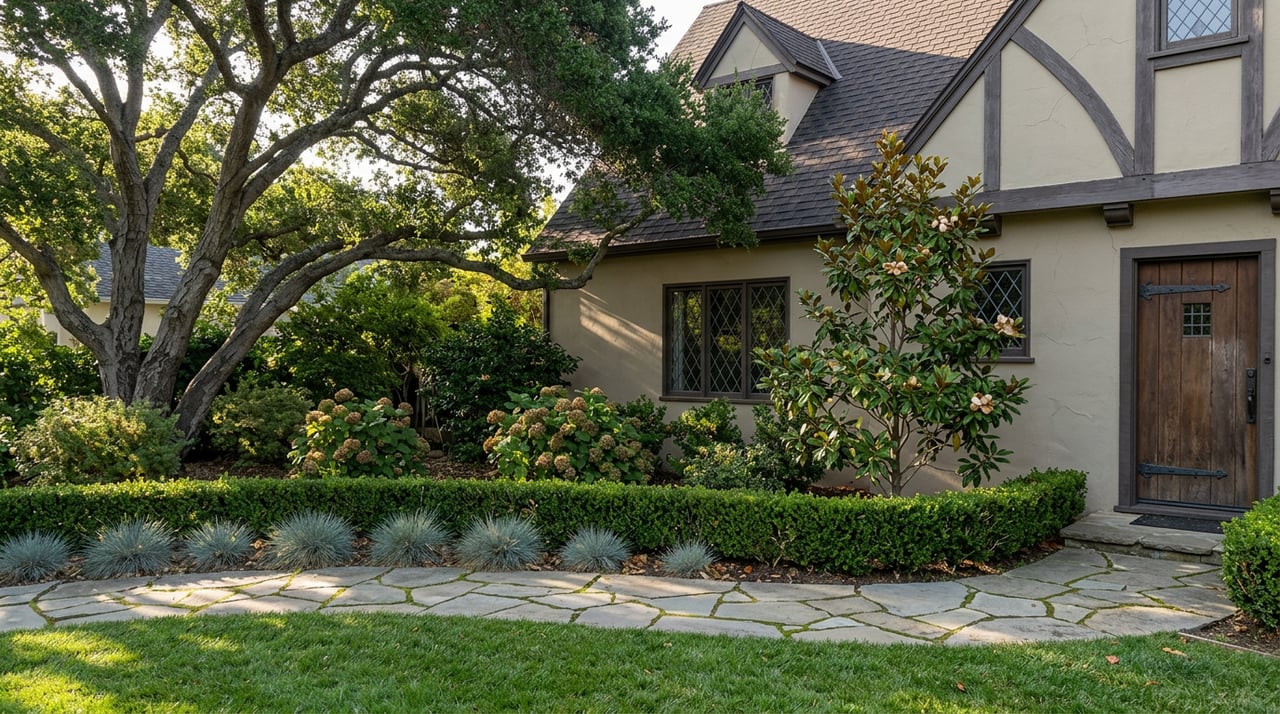
- Handle impactful, budget‑friendly repairs: fresh neutral paint, lighting and hardware updates, minor plumbing or electrical fixes, curb appeal touchups, and flooring tune‑ups.
- If there is unpermitted work, talk with your agent and a contractor or engineer. Decide whether to permit now or disclose and price for it.
Weeks −2 to −1: Stage and produce marketing
- Deep clean, declutter, and stage. In NAR’s 2023 research, about 81% of buyer agents said staging helps buyers visualize a property, and roughly 20–23% reported a 1–5% price lift for staged homes. Review NAR’s staging findings.
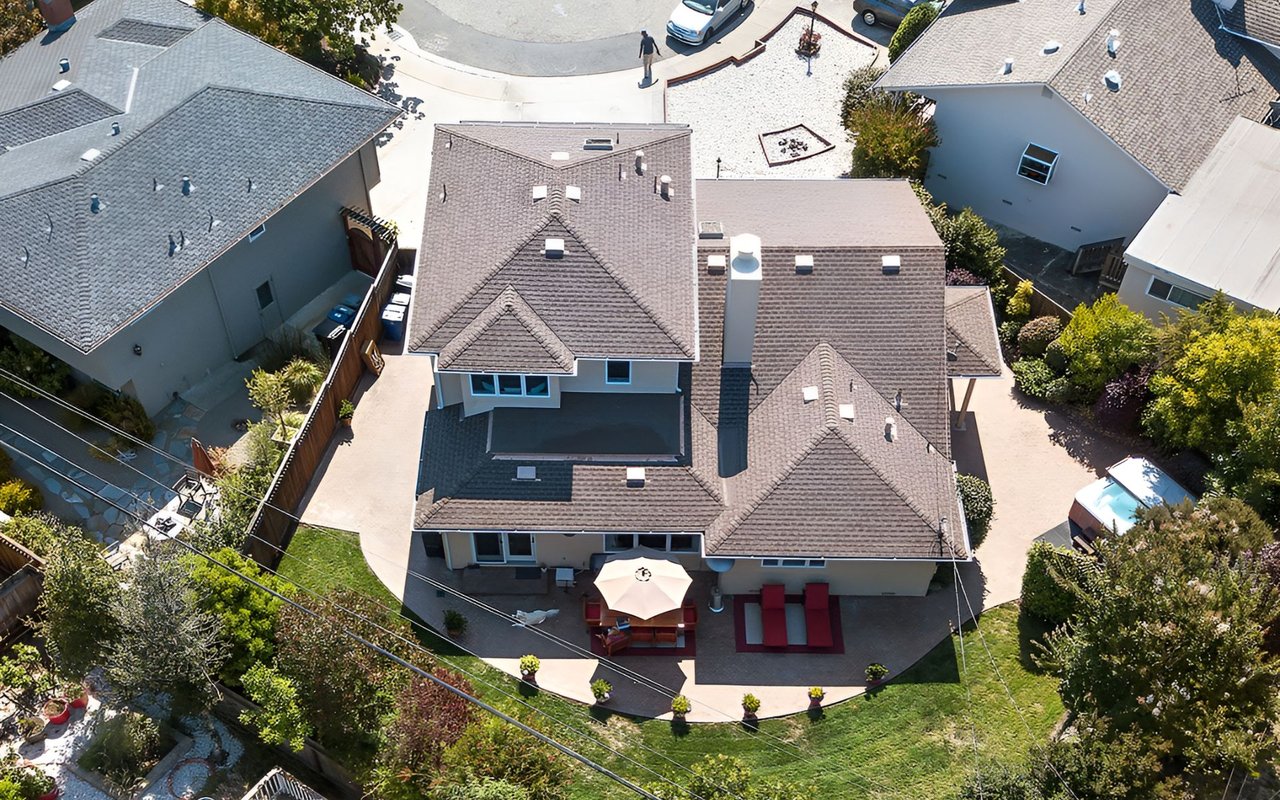
- Capture premium photography, floor plans, and a 3D tour. If views or lot context matter, consider drone imagery.
- Draft MLS copy, schedule a broker tour, and prepare your disclosure package.
Week 0: Launch and manage offers
- Go live when buyer activity is strongest locally. Your agent will advise on the best day to list.
- Set offer and contingency expectations that match the market. Strong, clean disclosures often support better terms and shorter timelines.
- Expect escrow to run 21–45 days depending on financing. Cash usually closes faster. Learn more about common contingency windows and escrow timing.
Prep that boosts your net
Focus on items that reduce buyer uncertainty and highlight move‑in readiness.
- Verify permits and legal use. Order the 3R report and identify any open or expired permits. Resolve issues where feasible or disclose clearly. Start the 3R process here.
- Complete safety compliance. Install or verify smoke and CO detectors and water‑heater bracing. These are typical transfer items in California.
- Address structural, roof, plumbing, and pest issues. Pre‑listing inspections help you avoid last‑minute credits or escrow delays.
- Make smart cosmetic updates. Neutral paint, lighting and hardware swaps, and light kitchen or bath refreshes deliver strong ROI without heavy renovation.
- Stage and invest in visuals. Staging plus professional imagery draws more eyes and helps buyers connect emotionally. NAR’s data supports both speed and value benefits. See NAR’s staging stats.
If you prefer a hands‑off approach to prep and staging, ask about Compass Concierge. It can help front the cost of high‑ROI improvements and repay at closing, subject to program terms.
Premium marketing that works
Online is your first showing. Aim for a polished, story‑driven package.
- Professional photography and measured floor plans. These assets set the tone and help buyers visualize scale. Listings with premium imagery attract more clicks and showings, which leads to stronger offers. Industry overviews highlight visual content impact.
- 3D tour and video. Great for out‑of‑area and time‑constrained buyers.
- Drone or elevated views. Use when views, lot orientation, or canyon setting are part of your value.
- Listing microsite and targeted digital ads. Reach likely buyers across San Francisco and the Peninsula, including South Bay commuters.
- Broker open and neighbor outreach. Local buzz still matters in a small, connected neighborhood.
Pricing strategy for Glen Park
Because Glen Park has limited inventory, you need a pricing approach that accounts for thin comps and the value of permits, condition, and views.
- Build a CMA anchored in nearby single‑family sales and adjust carefully for size, condition, recent renovations, permit status, outdoor space, and views. Include a sensitivity table that shows best‑case, likely, and conservative outcomes.
- Choose a tactic that fits the market. If inventory is low and demand is strong, a list price that invites multiple offers with a clear deadline can create healthy competition. If there are known issues or open permits, disclose early and price to allow for credits or repairs.
- Highlight features that command a premium locally: clear permit history, permitted additions or ADUs, quality kitchen and bath updates, parking, private outdoor space, and canyon or skyline views.
- Understand ADU rules. California’s AB 1033 and San Francisco’s local implementation changed how some ADUs can be handled in 2024–2025. If you have an ADU or plan to build one, confirm current rules with Planning or DBI. These changes can influence value and strategy. Read a summary of recent ADU policy changes.
Disclosures, reports, and logistics
As of early 2026, San Francisco sellers typically provide a complete disclosure packet before or at listing. This reduces risk and speeds escrow.
- Transfer Disclosure Statement (TDS). Required for most 1–4 unit residential sales under California Civil Code §1102. Complete it early and thoroughly. Learn what the TDS covers.
- Natural Hazard Disclosure (NHD). A third‑party report that maps flood, fire, and seismic hazards. Buyers expect this in your packet. See what an NHD includes.
- 3R Report (San Francisco DBI). Confirms permit history and legal use. Order it early to avoid delays. Request your 3R here.
- Safety and point‑of‑sale items. Smoke and CO detector compliance and water‑heater bracing are standard. Your agent will provide the right disclosure forms.
Costs and closing expectations
Plan your net by estimating likely fees and timelines upfront.
- Commission. Fees are negotiable and can vary by service level and strategy after industry changes in 2024. Ask for a written breakdown and marketing plan.
- San Francisco transfer tax. The city uses a progressive schedule based on sale price. Your escrow officer can estimate this precisely for your address. Review SF’s transfer tax schedule.
- Title, escrow, and recording. These vary by property and loan type. Request an itemized estimate when you list. See San Francisco fee references.
- Timing. Expect 21–45 days for most financed escrows, often shorter with cash. Clean disclosures and pre‑inspections can support tighter contingencies.
Common pitfalls to avoid
- Unpermitted work discovered in escrow. Pull your 3R and address issues before listing or disclose clearly and price accordingly.
- Surprise inspection findings. Pre‑listing inspections help you fix or price for issues on your timeline, not the buyer’s.
- Appraisal shortfalls. Over‑targeted list prices can backfire. Use a range and support value with condition, permits, and comps.
- Open permits or code items. Clear these early to avoid holdbacks and delays.
Ready to sell in Glen Park?
Selling here is about precision. With a small pool of comps, buyers who value outdoor space and transit, and thin inventory, you win by preparing well, pricing to the market, and presenting your home beautifully. If you want a calm, process‑driven partner with premium marketing, vendor coordination, and access to Compass Concierge, reach out to Cheryl Bower for a no‑pressure consultation and a tailored net‑proceeds plan.
FAQs
How long does it take to sell a Glen Park home?
- Plan 6–12 weeks for prep, then 21–45 days for escrow, depending on repairs, staging, and buyer financing.
What is San Francisco’s 3R report and why is it important?
- The 3R shows permit history and legal use. Ordering it early helps surface issues and build buyer confidence.
Should I do pre‑listing inspections in Glen Park?
- Yes. Pre‑inspections reduce surprises, support pricing, and can shorten contingencies when shared with buyers.
How do new ADU rules affect my sale in San Francisco?
- Recent changes may allow different handling of some ADUs, which can impact value and strategy. Confirm details with Planning or DBI for your property.
What costs should I expect when selling in San Francisco?
- Expect commission, city transfer tax, title and escrow fees, and recording charges. Ask your escrow officer for an itemized net sheet.
How should I price a Glen Park home with views or an ADU?
- Use nearby comps, then adjust for views, outdoor space, condition, and any permitted additions or ADUs. Price within a range and align terms to invite strong offers.