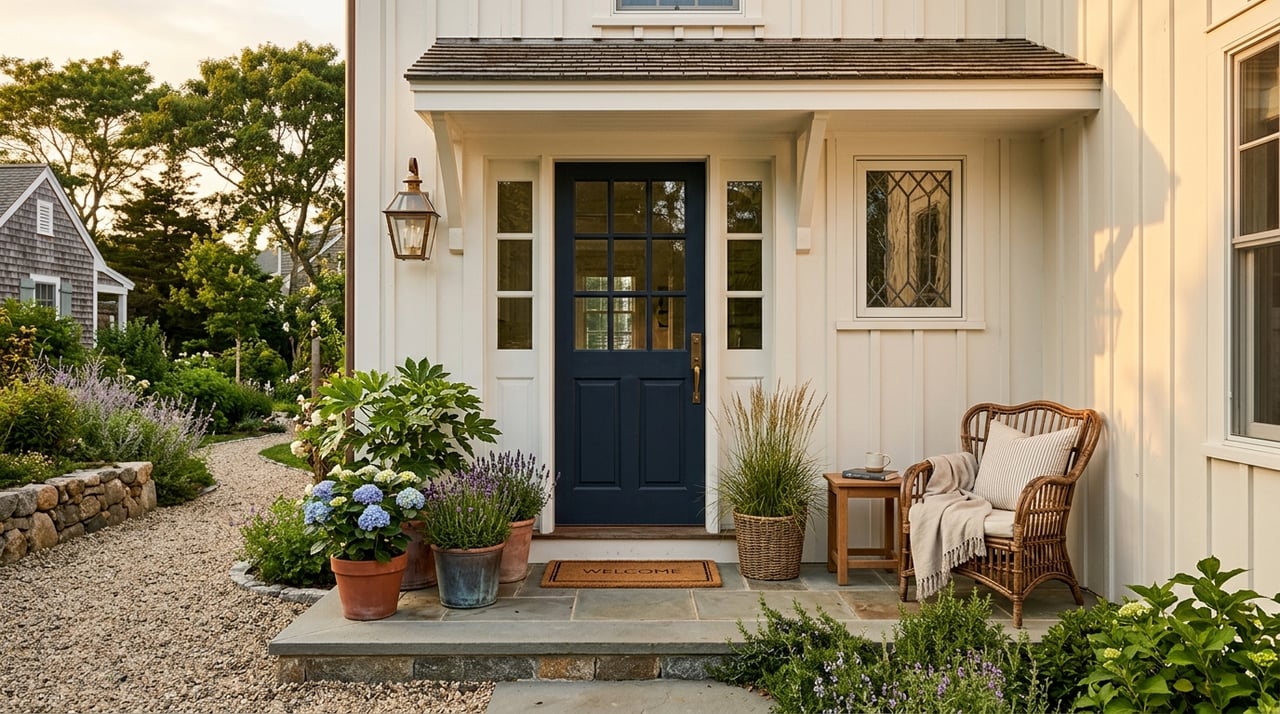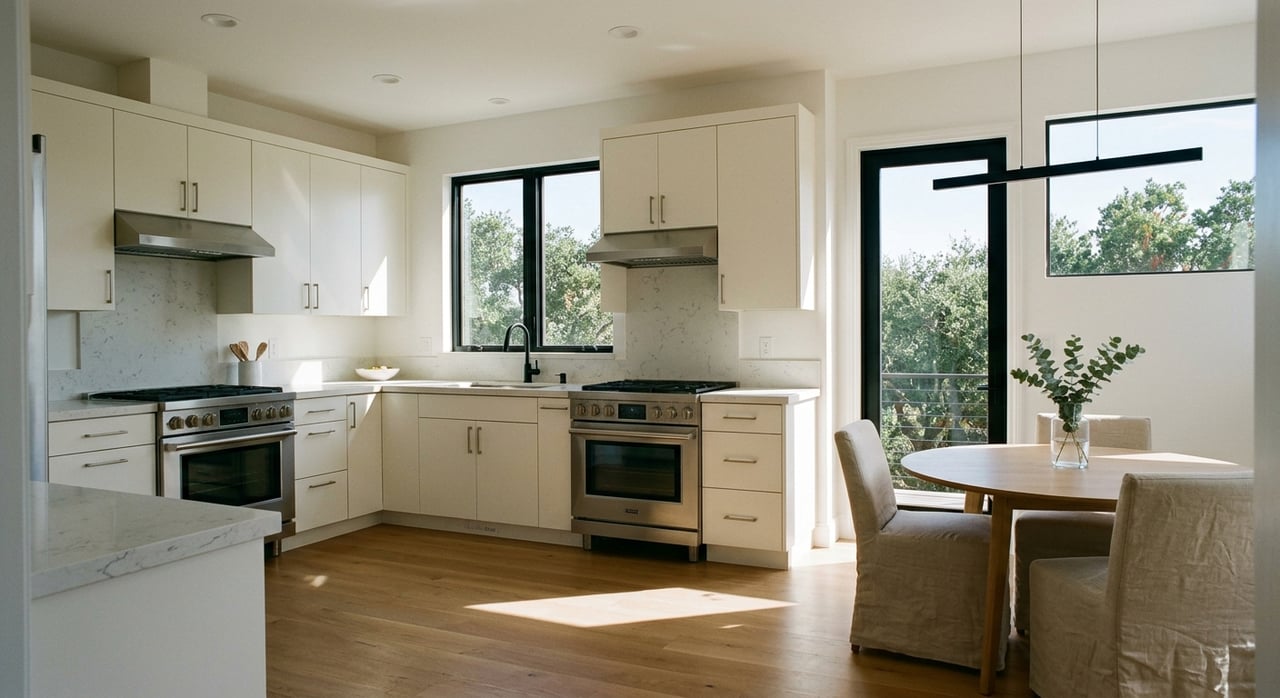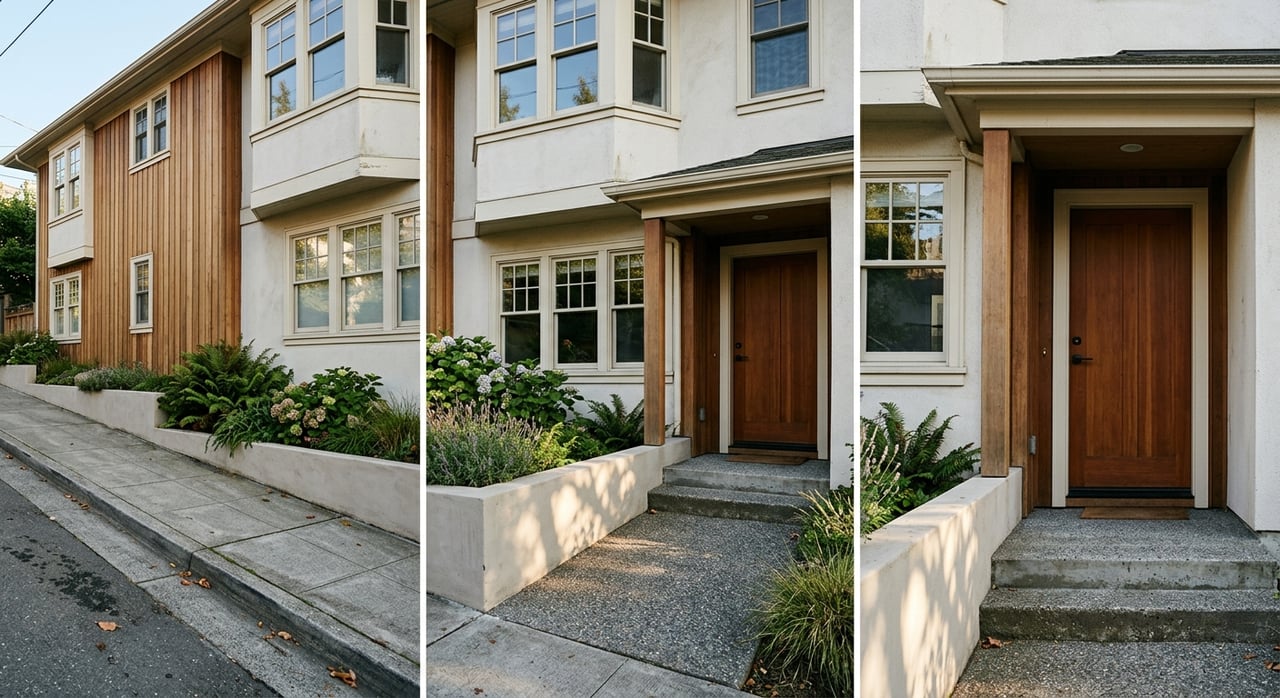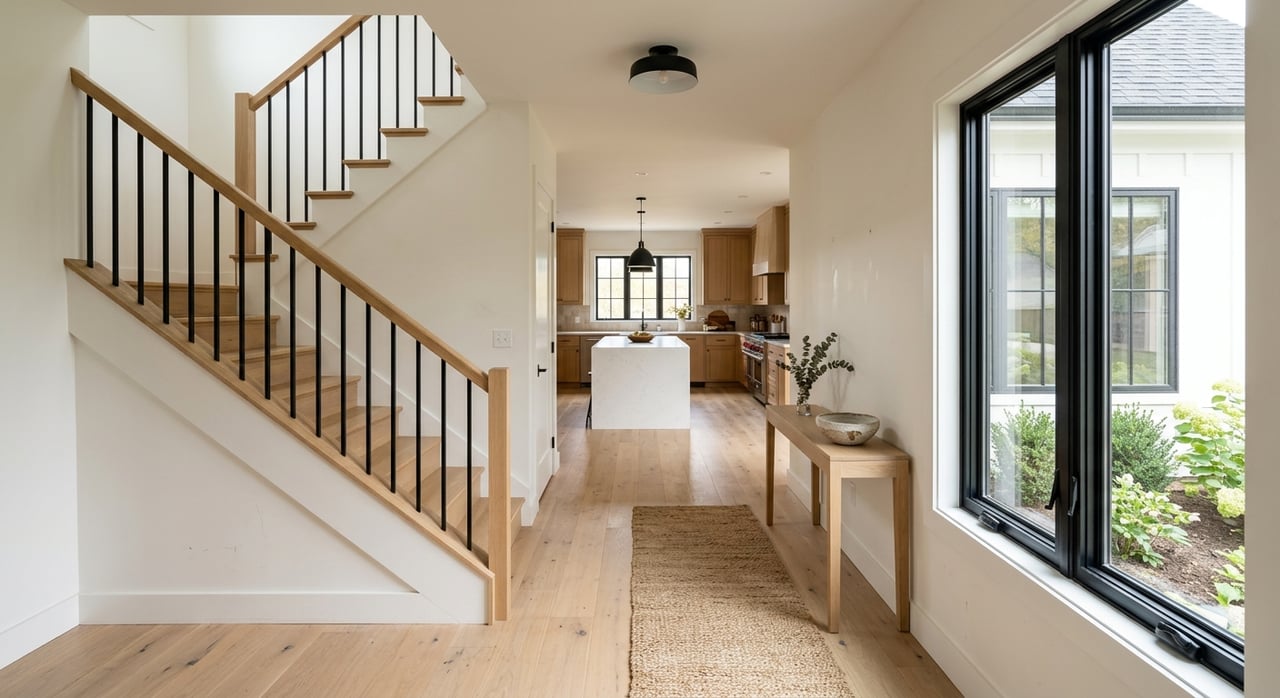
Buying your first home in San Mateo can feel like choosing between two very different lifestyles. On one side, a condo or townhome may offer a lower entry price and less exterior upkeep. On the other, a house may give you more control and privacy, but it often comes with a much higher price tag and more maintenance responsibility. If you are trying to decide which path fits your budget, goals, and comfort level, this guide will help you compare the tradeoffs with more confidence. Let’s dive in.
San Mateo price gap matters
In San Mateo, the condo-versus-house decision usually starts with cost. According to the MLSListings San Mateo market snapshot, the February 2026 median sale price for single-family homes in San Mateo was $2,124,500, while condos and townhomes averaged $840,000.
That gap is one reason many first-time buyers begin with attached homes. The same snapshot shows a price-per-square-foot difference too, with single-family homes at $1,277 per square foot versus $778 for attached homes. In simple terms, attached homes are often the more realistic starting point if you want to buy in San Mateo without stretching too far.
Inventory also matters when you are just getting started. The same city snapshot showed 29 active single-family listings and 67 attached-home listings, which means you may see more choices in the condo and townhome segment at any given time.
Condos and houses differ most in control
A first home is not just about layout or curb appeal. It is also about who handles repairs, what you truly own, and how much say you have over the property.
In California, if you buy a condo, townhome, or other property in a common interest development, you automatically become part of the homeowners association, or HOA, according to the California Department of Real Estate. That matters because the legal structure of the property affects not just day-to-day ownership, but also financing, insurance review, and shared maintenance responsibilities.
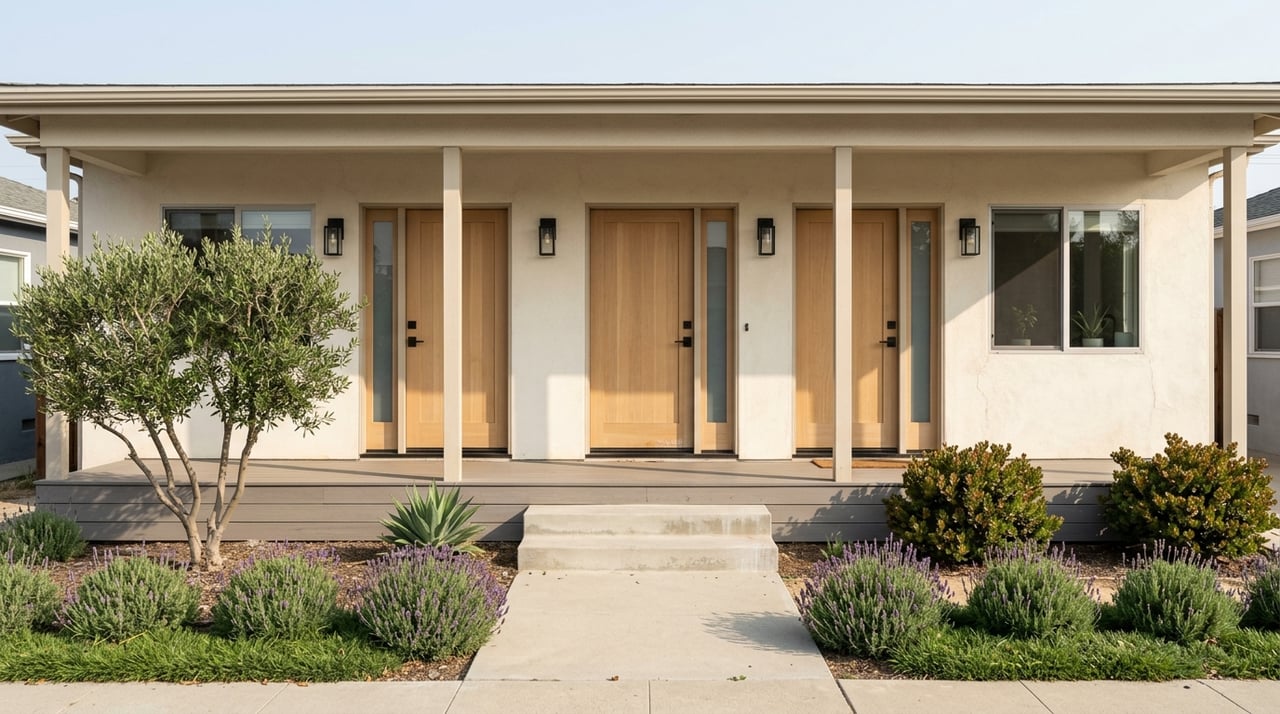
A townhome can be especially tricky because the label does not always tell the full story. Fannie Mae guidelines note that a townhouse may be treated more like a condo or more like a planned unit development depending on how the project was created and governed.
That is why the better question is not “condo or townhome?” but “what is private, what is shared, and who pays when something fails?” If you can answer those three questions clearly, you are much closer to the right decision.
Why a condo may fit first-time buyers
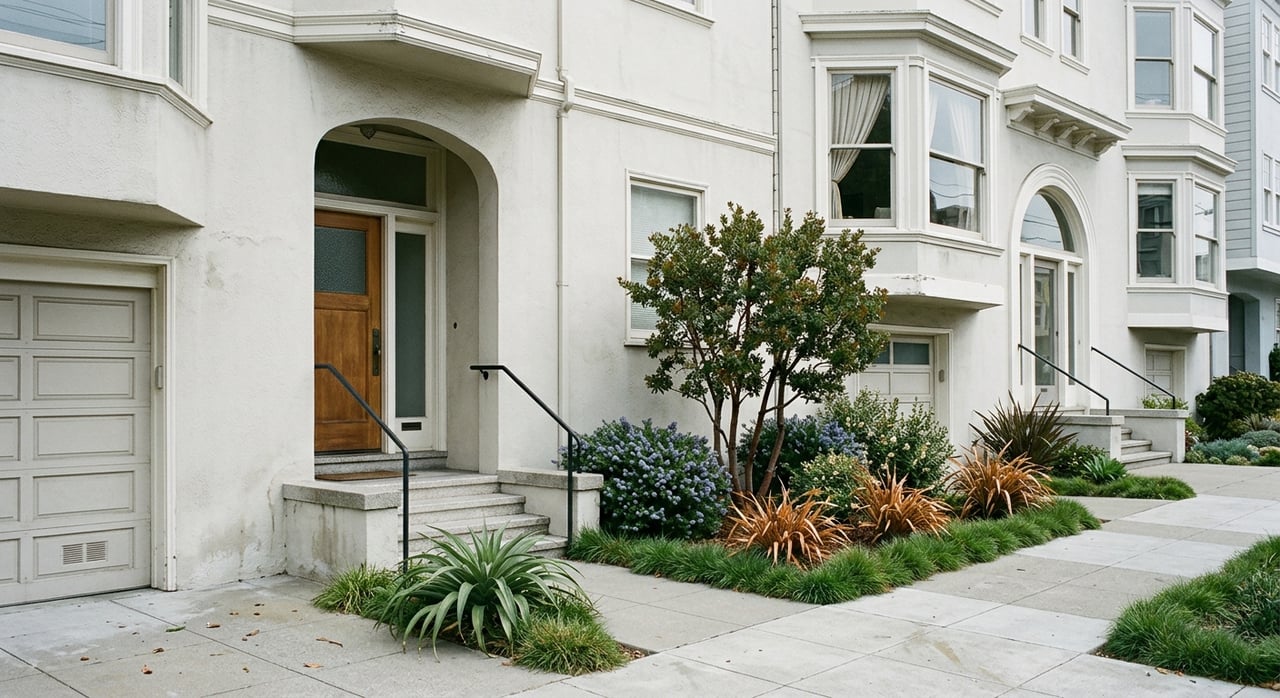
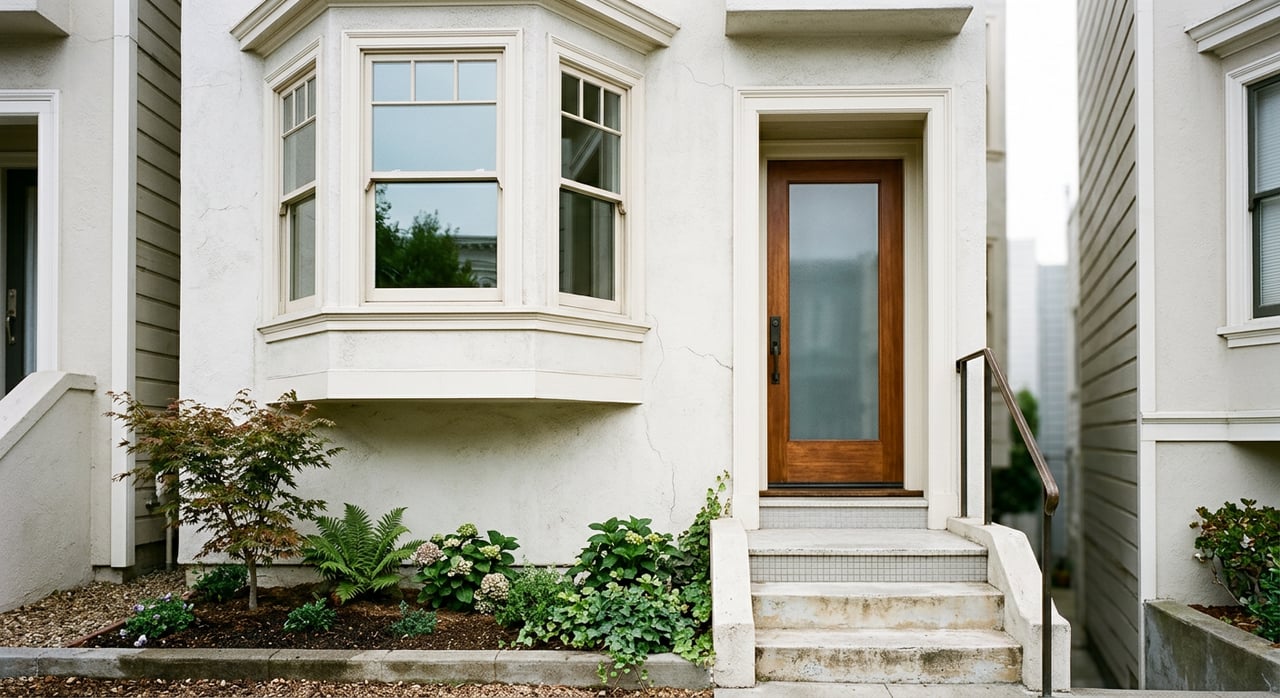
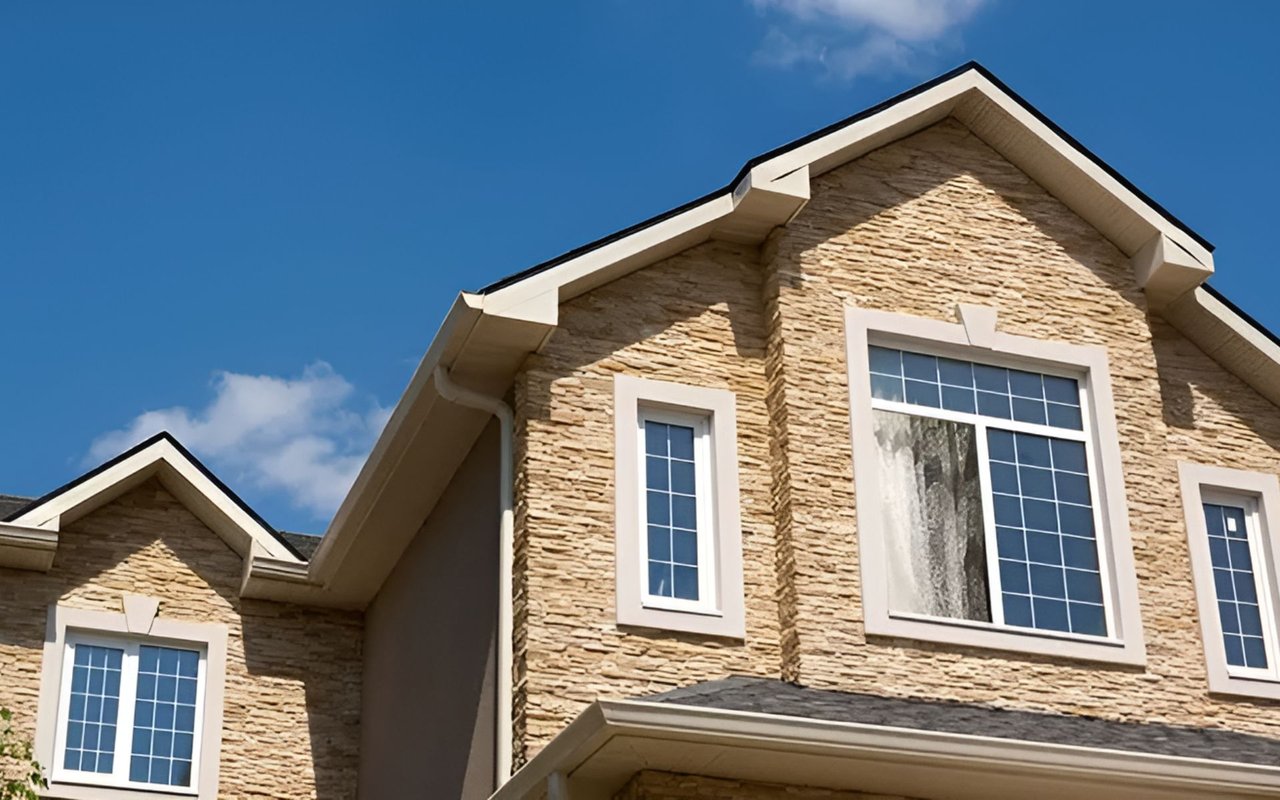
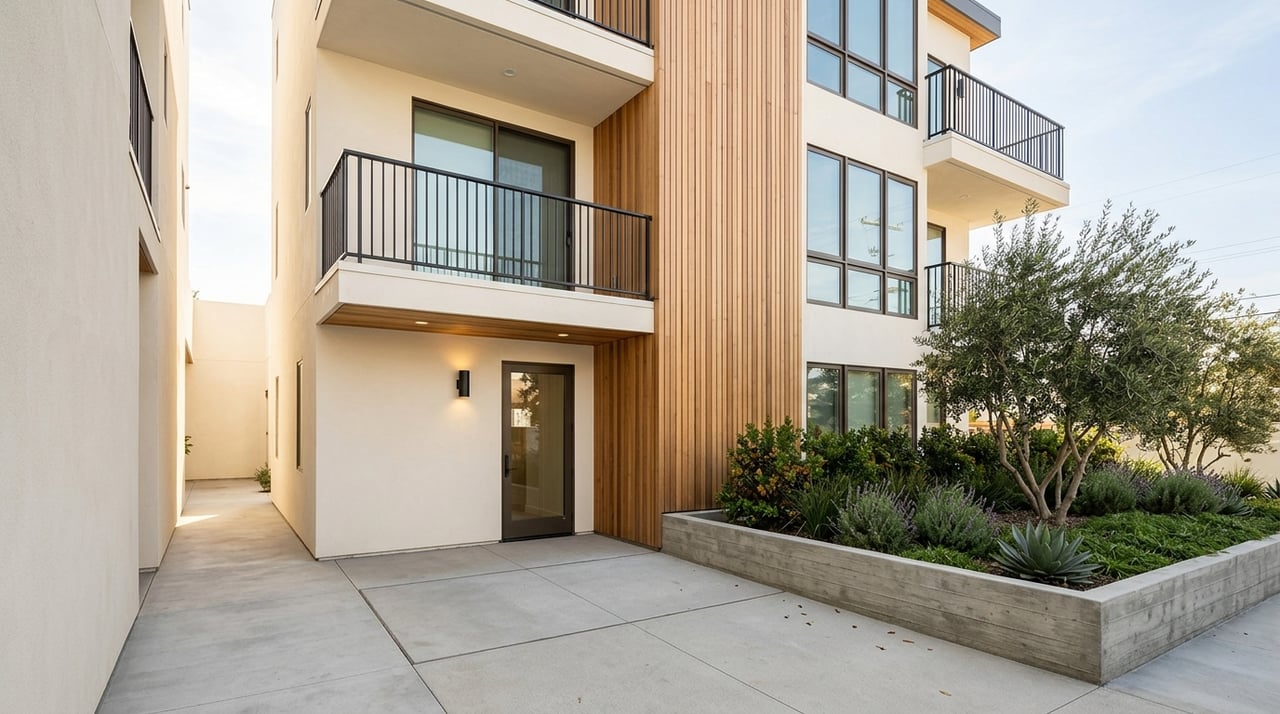
A condo or townhome can make sense if you want a lower entry point into the San Mateo market. It may also appeal to you if you want less exterior maintenance on your plate.
In many attached-home communities, the HOA handles at least some shared maintenance, and sometimes major exterior items as well. That can simplify ownership, especially if you are busy with work, travel often, or do not want to coordinate every outside repair yourself.
There may also be local support worth exploring. The city’s First-Time Home Buyer Program explicitly includes condos and townhouses, and applicants who live or work in San Mateo receive priority.
Still, lower maintenance does not mean fewer decisions. You will need to understand the HOA’s rules, dues, financial health, and any upcoming repairs that could affect your monthly costs.
Why a house may be worth the stretch
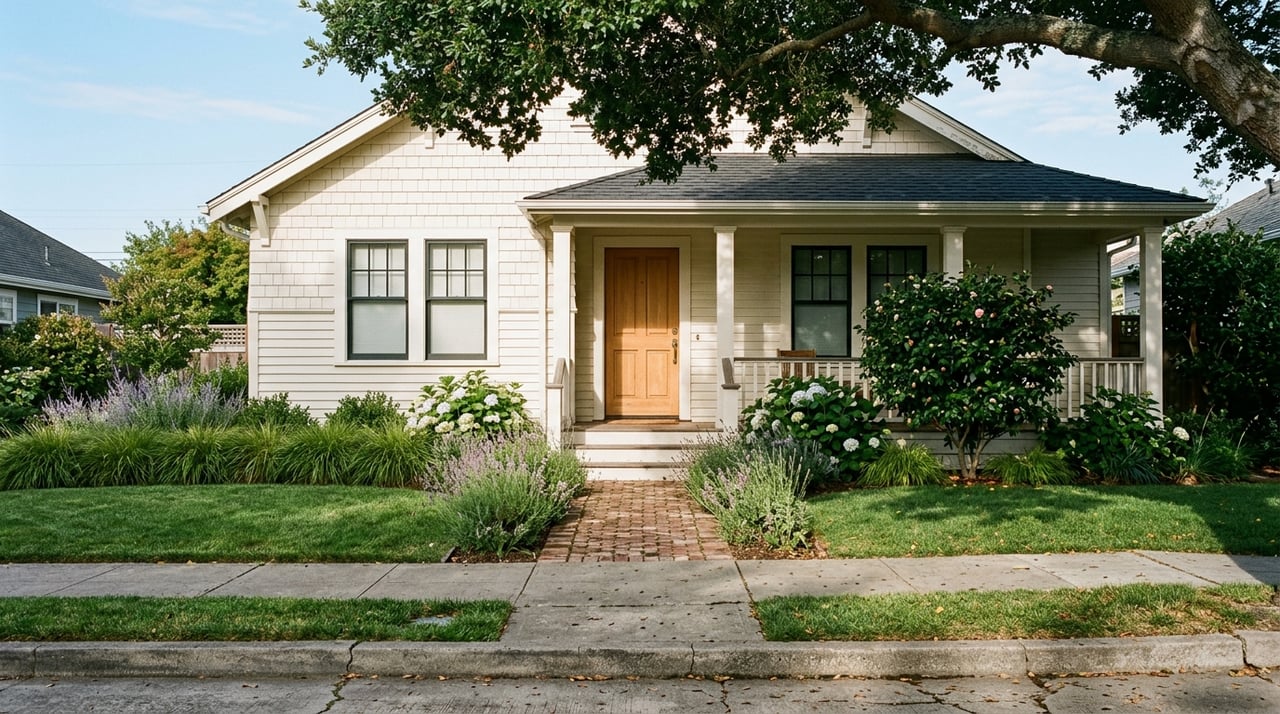
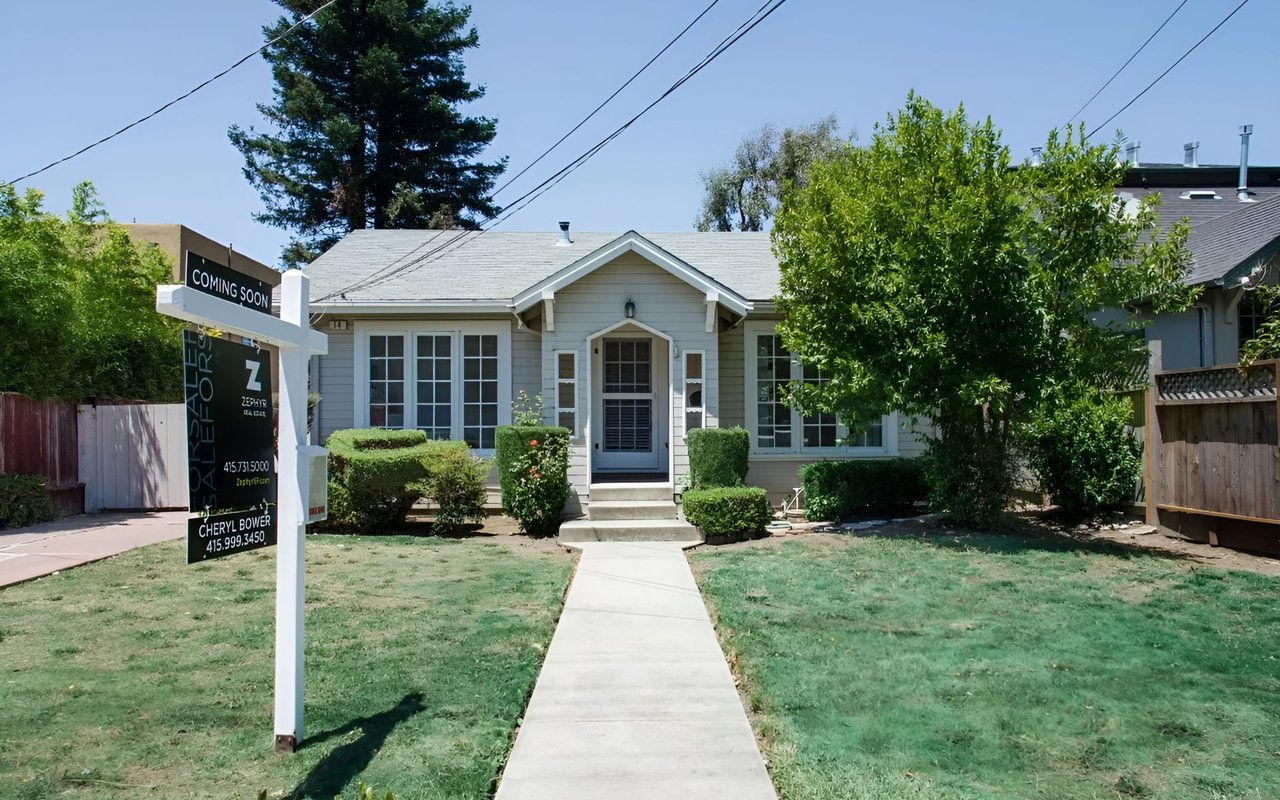
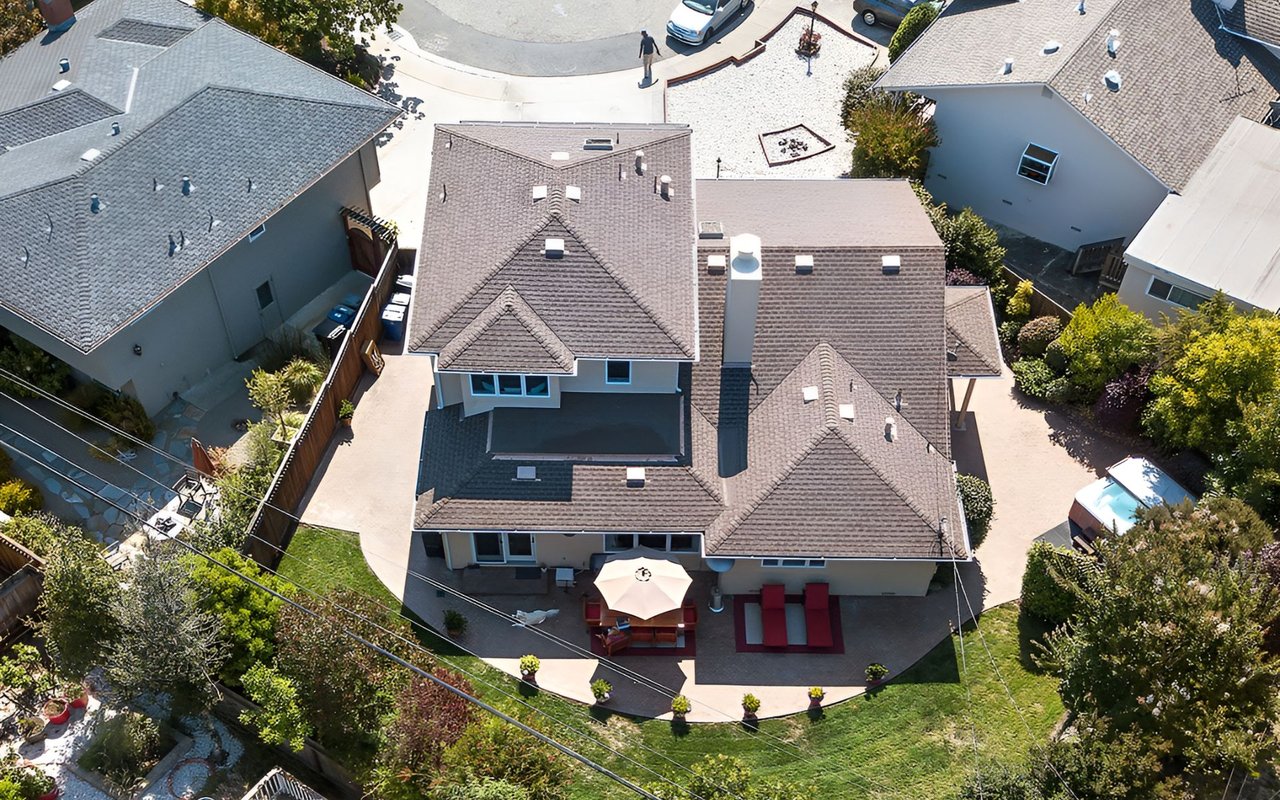
A detached house often gives you more direct control over the lot and improvements. If you want flexibility with the yard, exterior changes, or long-term renovation plans, that added control can be a major advantage.
You also generally have fewer shared decisions with neighbors because a detached house usually does not involve the same level of HOA governance as an attached home. For some buyers, that independence is worth paying more upfront.
The tradeoff is responsibility. With a house, you should be prepared to manage more of the upkeep yourself, from roof and drainage to exterior paint, plumbing updates, and replacement timelines.
In a city with an older housing stock and limited vacant land, San Mateo buyers should pay close attention to deferred maintenance and permit history. The city’s planning materials describe San Mateo as a mature suburban market with a substantial older housing stock, which makes building-system history especially important for first-time buyers who may not yet know what to look for in disclosures.
Compare the real monthly cost
Your monthly payment is about more than mortgage principal and interest. In San Mateo, both houses and condos can bring costs that first-time buyers underestimate.
California property taxes are governed by Proposition 13. As explained by the California State Board of Equalization, the base rate is 1 percent plus local voter-approved bonded indebtedness, and the property is generally reassessed when it changes ownership. That means the seller’s current tax bill may look much lower than what you will pay after closing.
San Mateo also includes a sewer service charge on the annual property tax bill. For 2025-26, the residential charge includes a fixed $65.71 per dwelling unit per month plus a usage-based component. Whether you buy a house or a condo, this belongs in your monthly budget.
For attached homes, add HOA dues to the comparison. For houses, build in a maintenance reserve of your own so you are not surprised by a major repair. The goal is not just to qualify on paper. It is to choose a payment that still feels sustainable after the first few months of ownership.
Ask these lender questions early
If you are leaning toward a condo or townhome, lender questions should come early. Project eligibility can affect whether you can use the loan program you want.
According to Fannie Mae’s project standards, lenders may review project legal documents, budgets, financial statements, reserve studies, insurance, condo questionnaires, and other records. Reserve studies can also be used to assess whether an HOA has adequate reserves, and a study used in underwriting should generally be no older than three years.
Ask your lender questions like:
- Is this project eligible for the loan program I want?
- Are there any project-review issues that could delay closing?
- Will the HOA’s budget, reserves, or insurance create financing problems?
- Are there extra documents needed for this specific community?
These questions can save you time and help you avoid falling in love with a property that turns out to be difficult to finance.
Review HOA documents carefully
If you buy in a common interest development, the HOA documents are not just paperwork. They are part of your risk review.
Under California Civil Code Section 4525, the seller must provide governing documents, current assessments and fees, unpaid assessments and fines, unresolved violation notices, approved but not yet due assessment changes, rental restrictions, and other disclosures. If requested, buyers can also receive board minutes from the previous 12 months and the most recent inspection report under Section 5551.
As you review the package, focus on practical questions:
- What do the dues actually cover?
- Are any special assessments planned?
- How strong are the reserves?
- What repairs or replacement projects are already being discussed?
- Are there use or rental restrictions that matter to your plans?
This is where a condo can look either more affordable or more expensive than it seemed at first glance.
Do not skip the inspection strategy
No matter which property type you choose, your inspection should happen early. The Consumer Financial Protection Bureau recommends hiring an independent inspector, scheduling the inspection as soon as possible, and attending if you can.
It also helps to remember that an inspection is not the same as an appraisal. An appraisal supports the lender’s valuation, while an inspection helps you understand the property’s condition and possible repair needs.
For condos and townhomes, one of the smartest follow-up steps is separating unit-level issues from HOA or common-element issues. If a leak, roof concern, or structural item affects shared areas, you want to know whether the responsibility belongs to you, the seller, or the HOA.
Watch San Mateo disclosure risks
In San Mateo, natural hazard and building-age questions deserve early attention. California’s Natural Hazard Disclosure Statement law covers flood hazard areas, dam-inundation areas, fire hazard severity zones, earthquake fault zones, and seismic hazard zones, among others.
The law also makes clear that these maps are not definitive. For you as a buyer, that means it is wise to ask early about flood and drainage concerns, seismic history, and insurance implications, especially if you are considering an older building, a low-lying area, or a property with shared structures.
This is one area where a calm, organized review process really helps. The more clearly you understand the disclosures before removing contingencies, the better your decision usually feels.
How to choose your best first home
If you are still torn, come back to your priorities. A condo or townhome may be the better fit if your top goals are entering the market sooner, keeping exterior maintenance lighter, and staying within a more manageable purchase price.
A house may be the better fit if you value long-term control, want more private outdoor space, and feel comfortable taking on maintenance and a larger overall budget. Neither choice is automatically better. The right answer depends on how you want to live and what level of responsibility feels realistic right now.
For many first-time buyers in San Mateo, the smartest move is not chasing the biggest home possible. It is buying the property type that supports your finances, your schedule, and your peace of mind.
If you want help comparing options, reviewing HOA realities, and building a first-home strategy that feels clear instead of overwhelming, connect with Cheryl Bower. You will get thoughtful local guidance, a steady process, and practical support from search to closing.
FAQs
Is a condo usually more affordable than a house in San Mateo?
- Yes. The February 2026 MLSListings snapshot for San Mateo showed single-family homes with a median sale price of $2,124,500, while condos and townhomes averaged $840,000.
What should first-time buyers ask about an HOA in San Mateo?
- Ask what the dues cover, whether any special assessments are planned, how strong the reserves are, and what major repairs or replacement projects may be coming.
Why can financing a San Mateo condo be different from financing a house?
- Condo and townhome financing may require the lender to review project documents, budgets, reserves, insurance, and eligibility standards for the community, not just your personal finances.
How do property taxes work for a first home in San Mateo?
- California property taxes are generally based on the purchase price after a change in ownership, so the seller’s current tax bill may not reflect what you will owe after closing.
Are there extra city costs to budget for when buying in San Mateo?
- Yes. San Mateo adds a sewer service charge to the annual property tax bill, and buyers should include that cost in their monthly housing budget.
What inspection issue matters most for a San Mateo condo or townhome?
- One key issue is separating problems inside the unit from issues involving shared or common elements, because responsibility may fall on the HOA rather than the unit owner.