Trying to choose between the Inner and Outer Sunset? Both sit on San Francisco’s west side, yet they feel different day to day. You might be weighing walkability, coffee runs, park or beach access, and how far your budget stretches. This guide breaks down how each area lives, what homes cost right now, and which one tends to fit different lifestyles. Let’s dive in.
Inner vs. Outer Sunset at a glance
- Inner Sunset: East of 19th Avenue near Golden Gate Park with a busy commercial core around 9th Avenue and Irving. High walkability, easy Muni access, and a slightly milder microclimate. Median sale price trends higher.
- Outer Sunset: West of 19th Avenue to Ocean Beach with cafés and restaurants spread along Judah, Noriega, and Taraval. Strong coastal feel, more wind and fog, and generally lower median prices than the Inner Sunset.
Where they sit and how locals define them
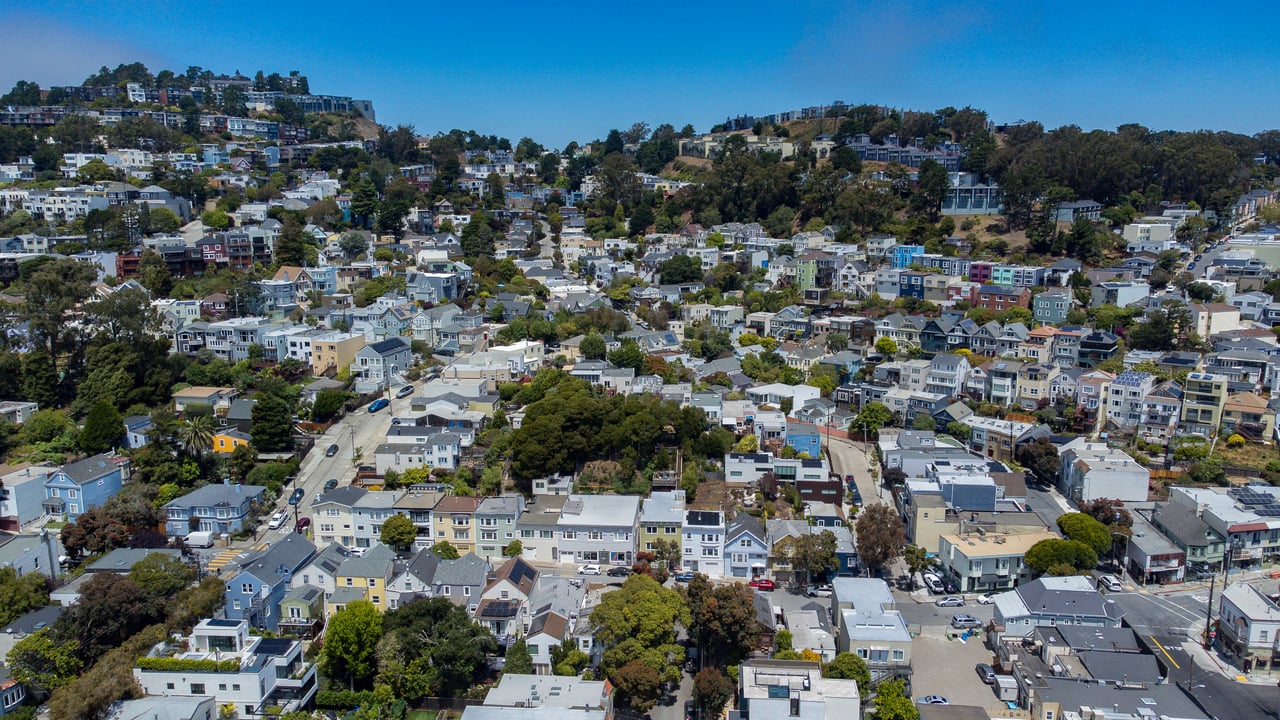
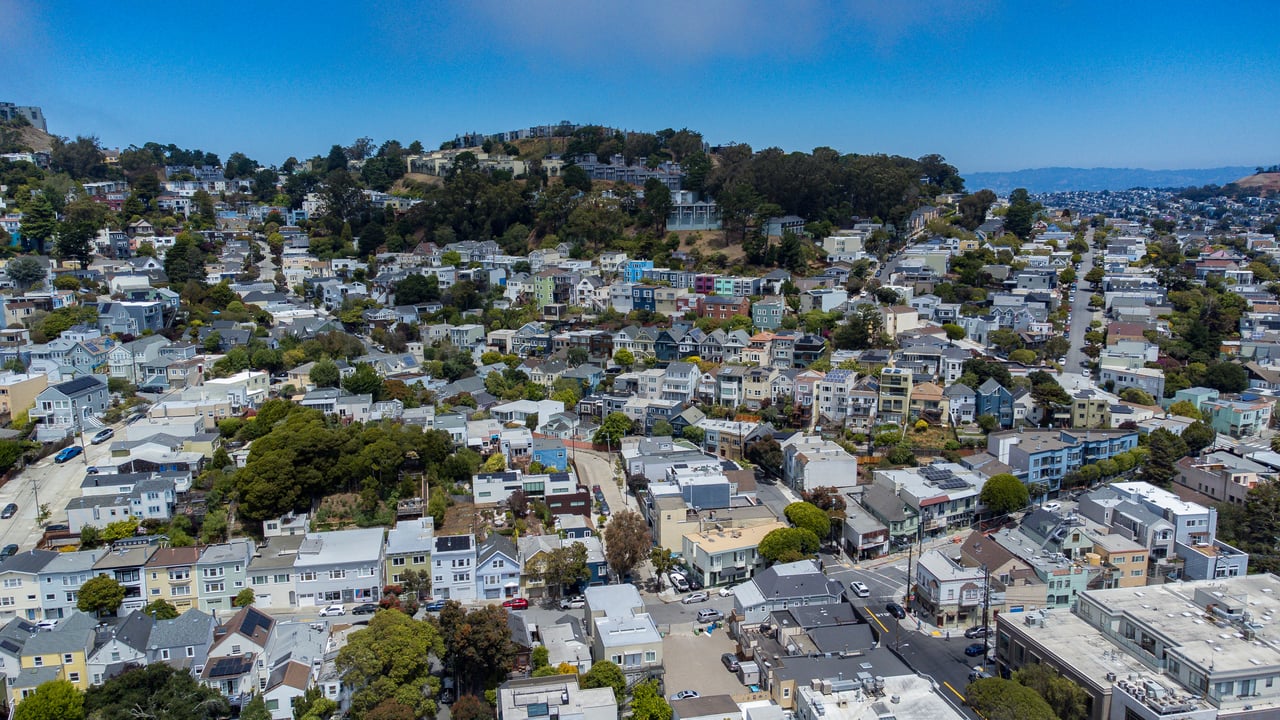
Most city maps use 19th Avenue as the practical divider between the two areas. The Inner Sunset clusters east of 19th Avenue, anchored by 9th Avenue and Irving at the edge of Golden Gate Park. The Outer Sunset stretches west of 19th Avenue toward the Great Highway and Ocean Beach.
Local definitions can vary by a few blocks. If you care about a specific street, confirm what nearby listings are called on current maps. The Planning Department’s Inner Sunset historic context is a helpful reference for how the city frames the area and its development history. You can review that overview in the Planning Department’s Inner Sunset historic context statement.
Daily life: walkability, food, and the outdoors
Walkability and errands
If running errands on foot is a priority, the Inner Sunset usually comes out ahead. Walk Score characterizes the Inner Sunset as a walker’s paradise, with everyday needs clustered near 9th and Irving and the park edge. You can explore typical walkability on the Inner Sunset Walk Score page.
The Outer Sunset is still walkable for many errands, but commercial strips are more spread out and transit frequency is lighter on some blocks. Expect longer walks to a broad café strip if you are far from Judah or Taraval. For a sense of neighborhood-level access, see the Outer Sunset Walk Score page.
Food and coffee culture
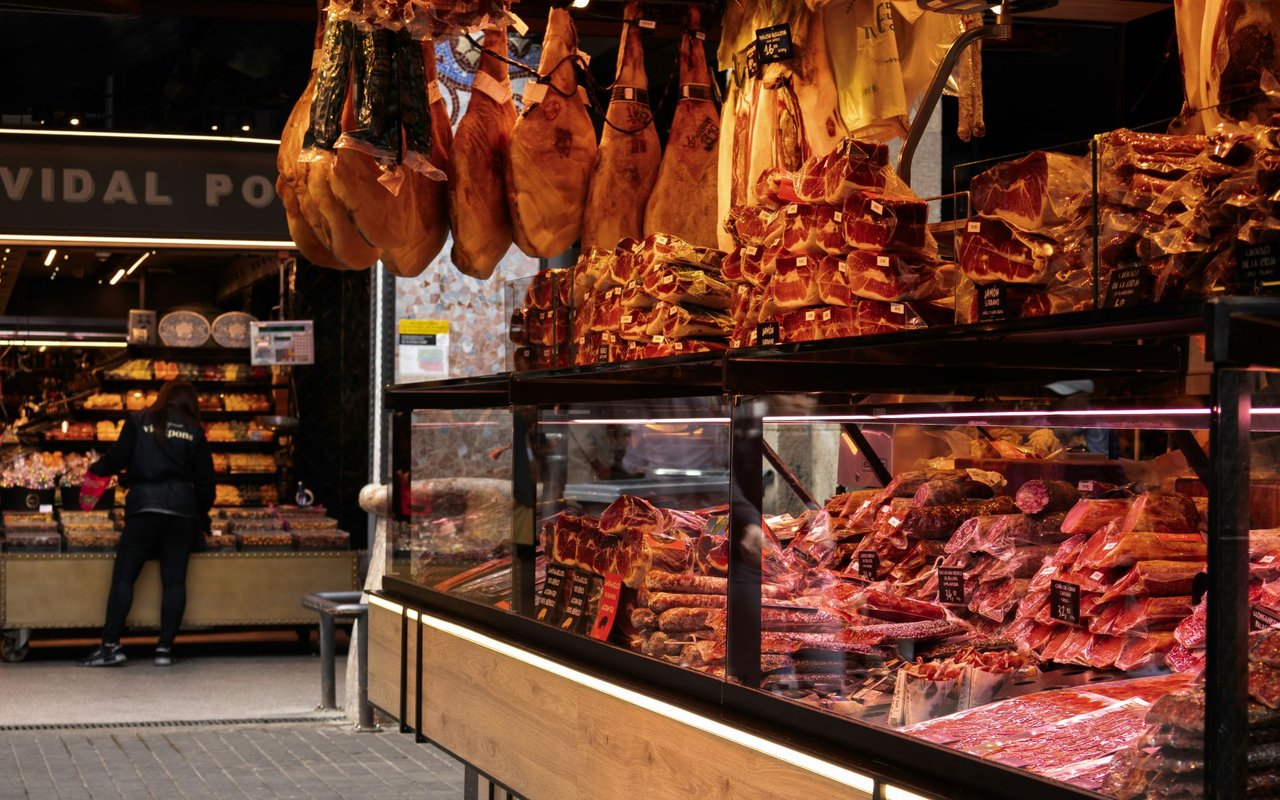
In the Inner Sunset, you get a tight cluster around 9th and Irving, with bakeries, neighborhood staples, and casual dining that draw both locals and park visitors. In the Outer Sunset, restaurants and cafés concentrate along Judah and Noriega with destination spots that attract weekend crowds and a beach-forward vibe. For a useful snapshot of where locals eat and drink in both areas, browse Eater’s neighborhood guide to notable venues in the Sunset District’s inner and outer corridors. Check the curated map of favorites in Eater’s Inner and Outer Sunset dining guide.
Parks, beach, and daily routines
If your routine leans toward museum visits, kid-friendly playground loops, or jogging on sheltered paths, the Inner Sunset’s location right next to Golden Gate Park makes it easy to get outside. The 9th and Irving area sits a short walk from the park’s gardens and cultural institutions, as outlined in the city’s Inner Sunset historic context.
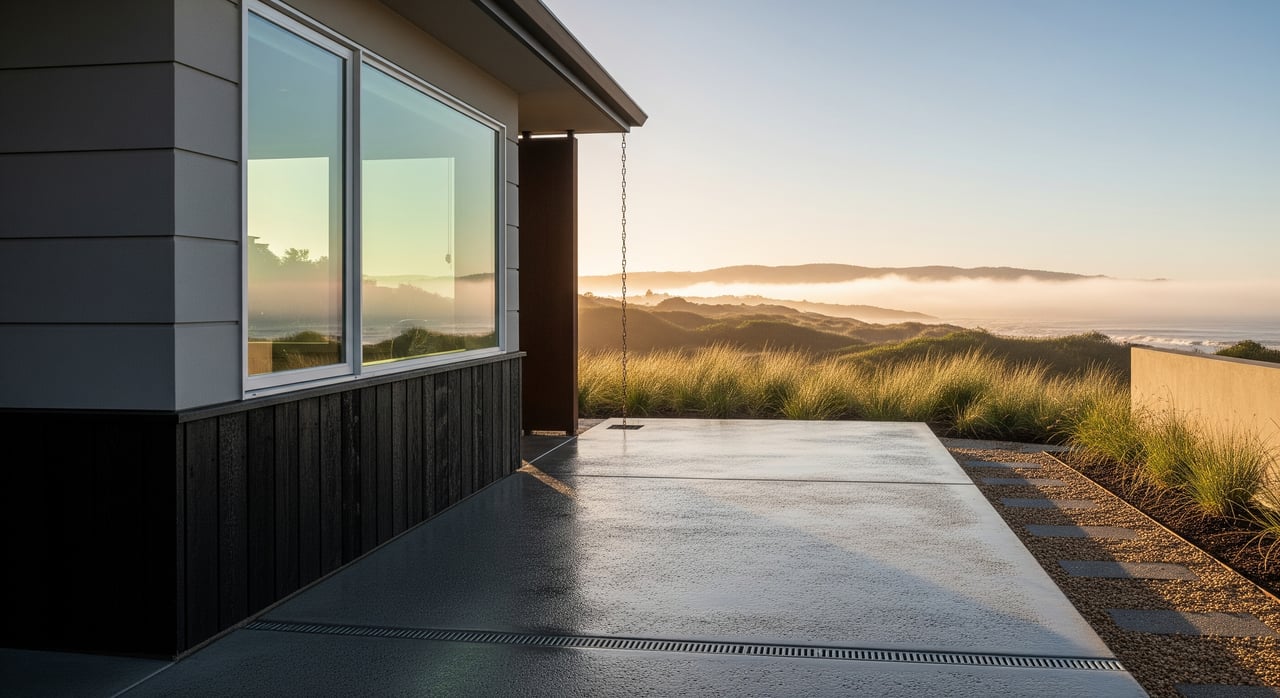
If you want sunrise surfs, sunset walks, or beachside runs, the Outer Sunset puts you closer to Ocean Beach and the Great Highway. The tradeoff is sand, wind, and salt air that can affect cars and exterior finishes, so plan for a bit more maintenance on coastal blocks.
Microclimate differences to expect
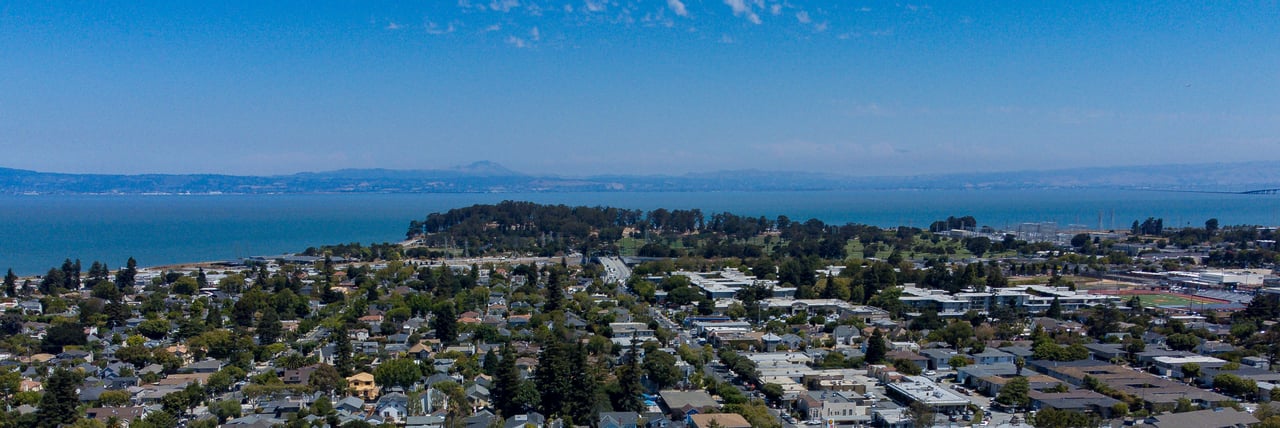
San Francisco’s west edge is famous for fog, cooler temperatures, and wind. The Outer Sunset, closest to the ocean, tends to be the foggiest and breeziest part of the district. The Inner Sunset, tucked near the park and local hills, is often a bit milder, though still cooler than many Peninsula or East Bay spots. Because conditions change block by block, visit during morning, midday, and evening to see your target street in action. For a data-backed look at how weather shifts across the city, see the Chronicle’s microclimate project on San Francisco’s neighborhood weather patterns.
Homes and prices today
What the housing looks like
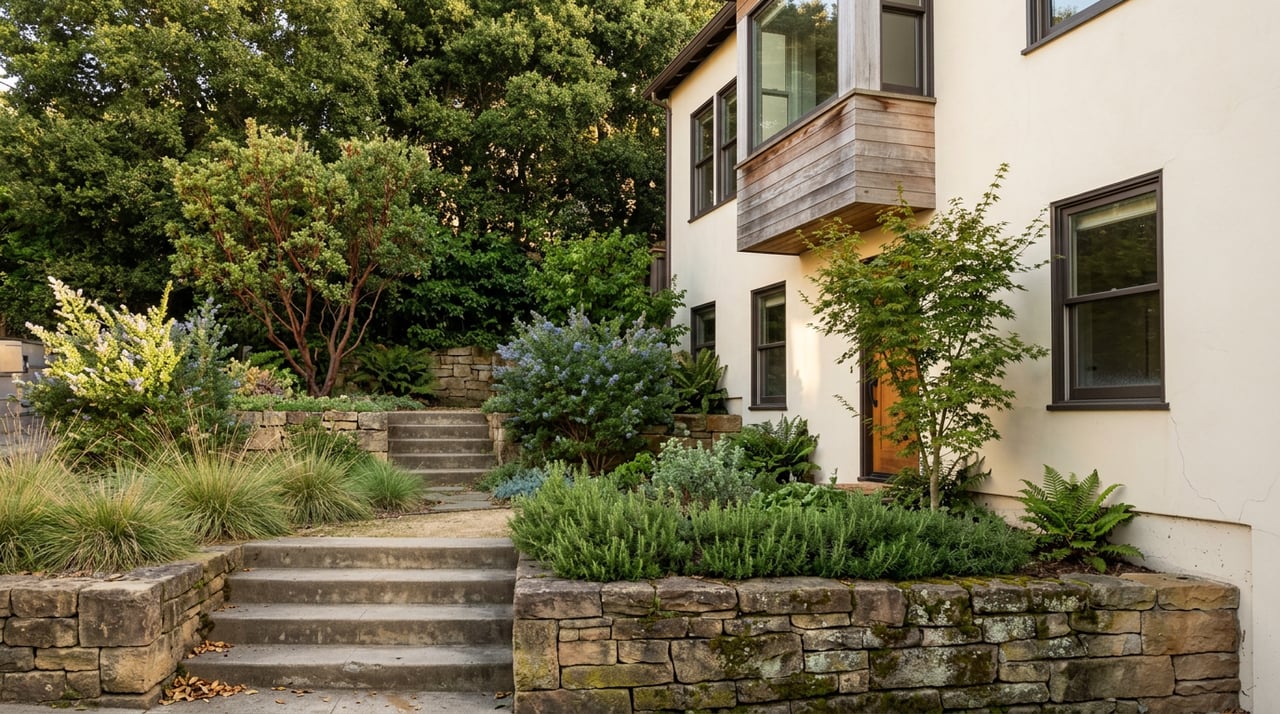
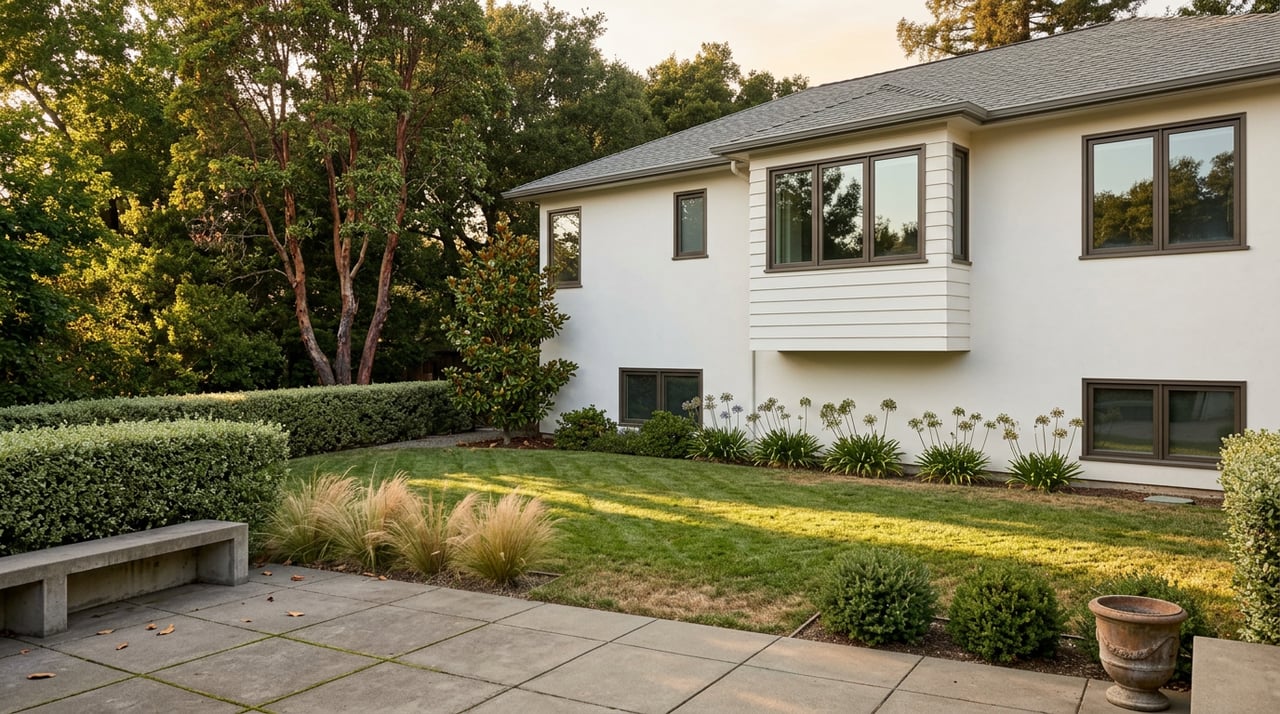
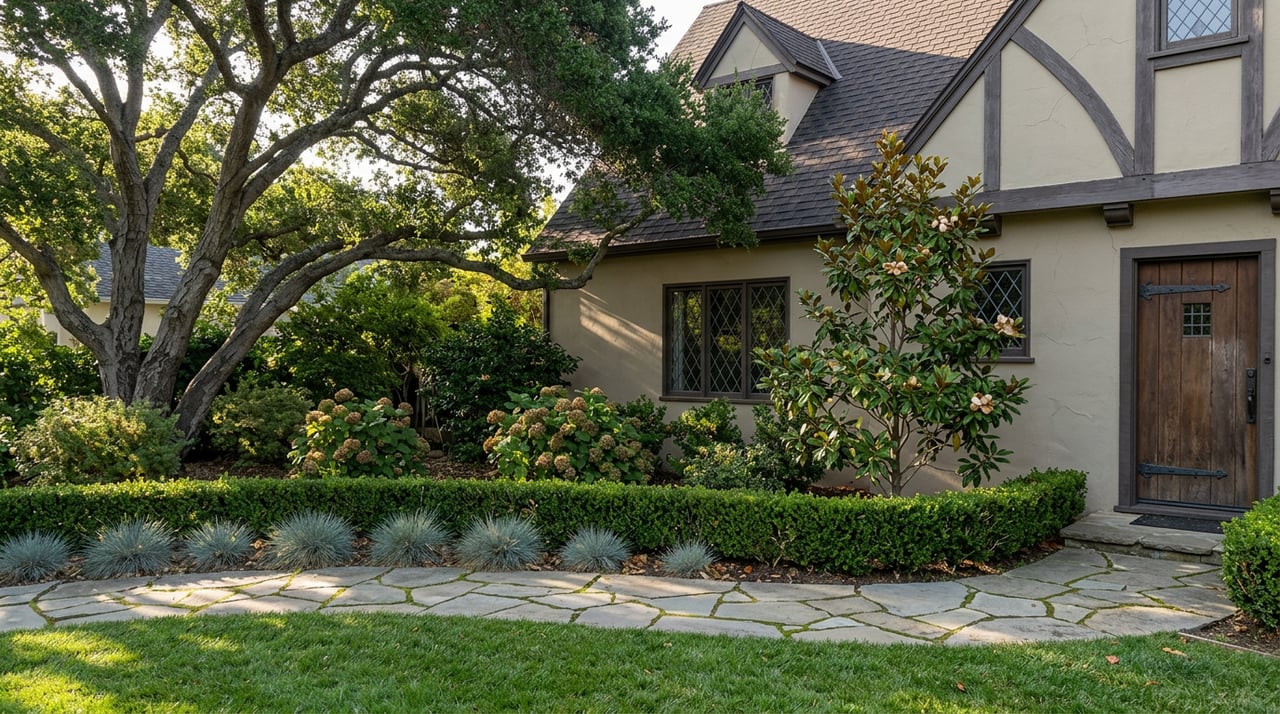
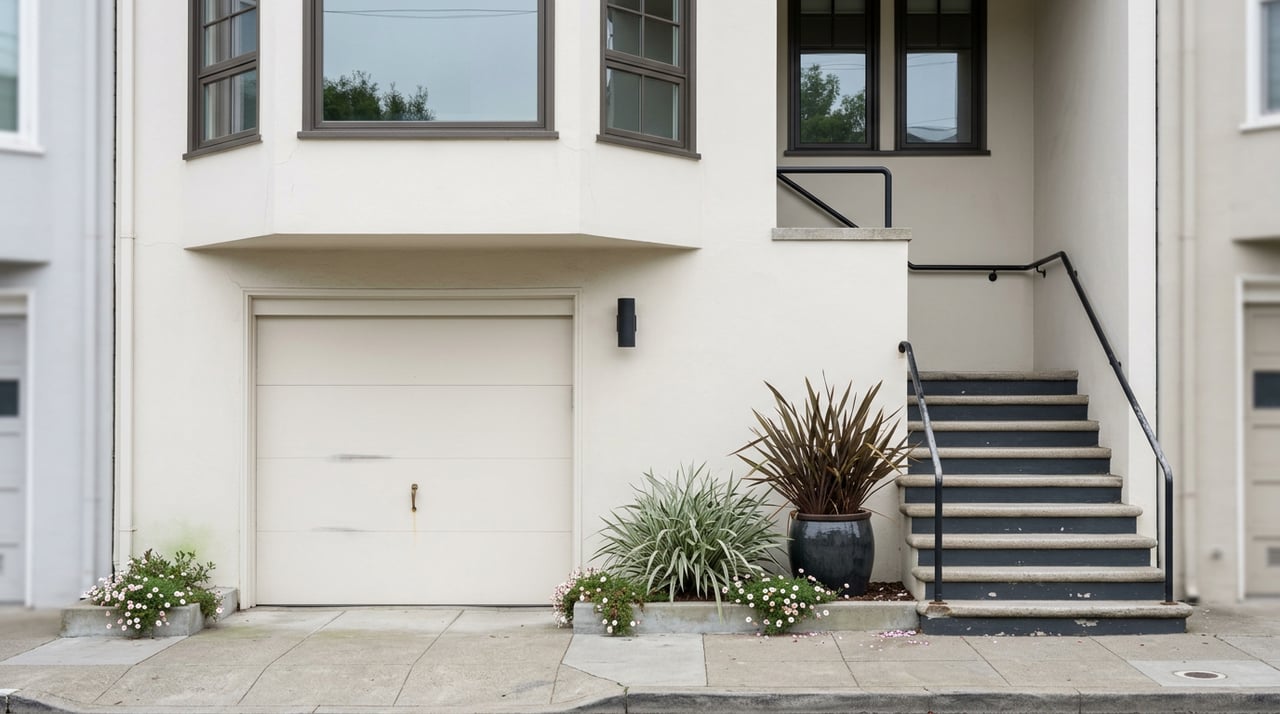
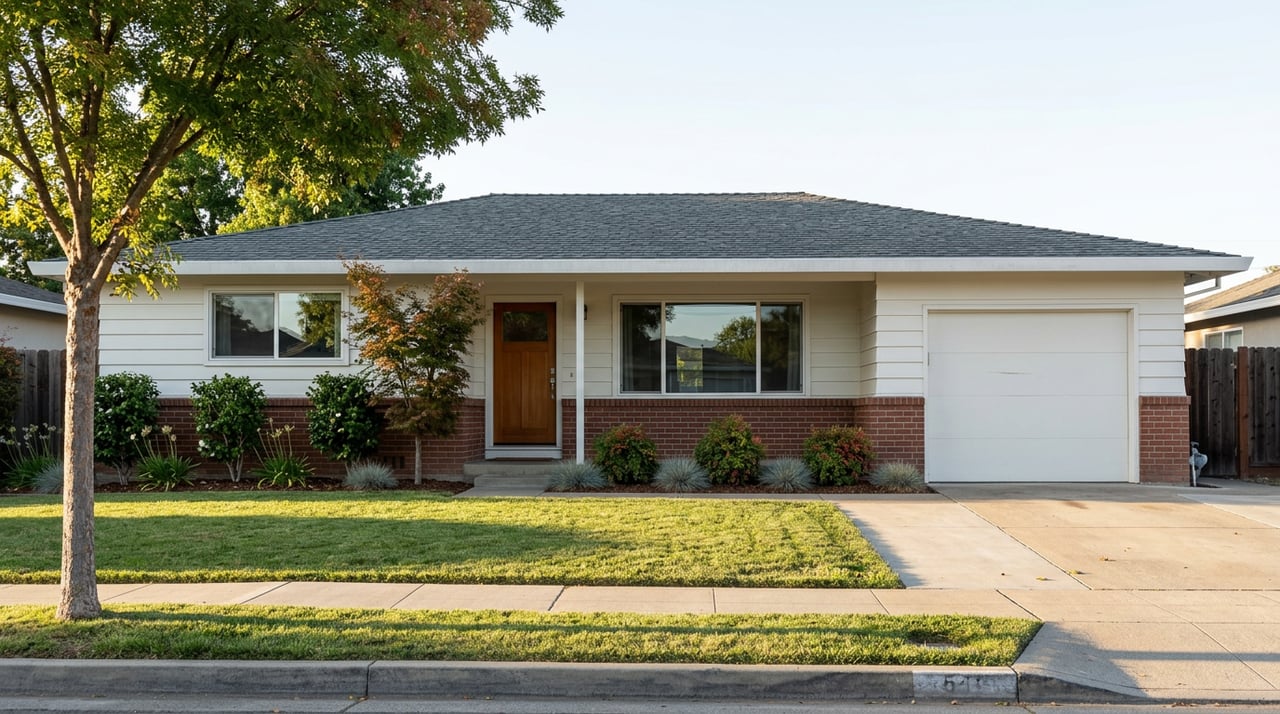
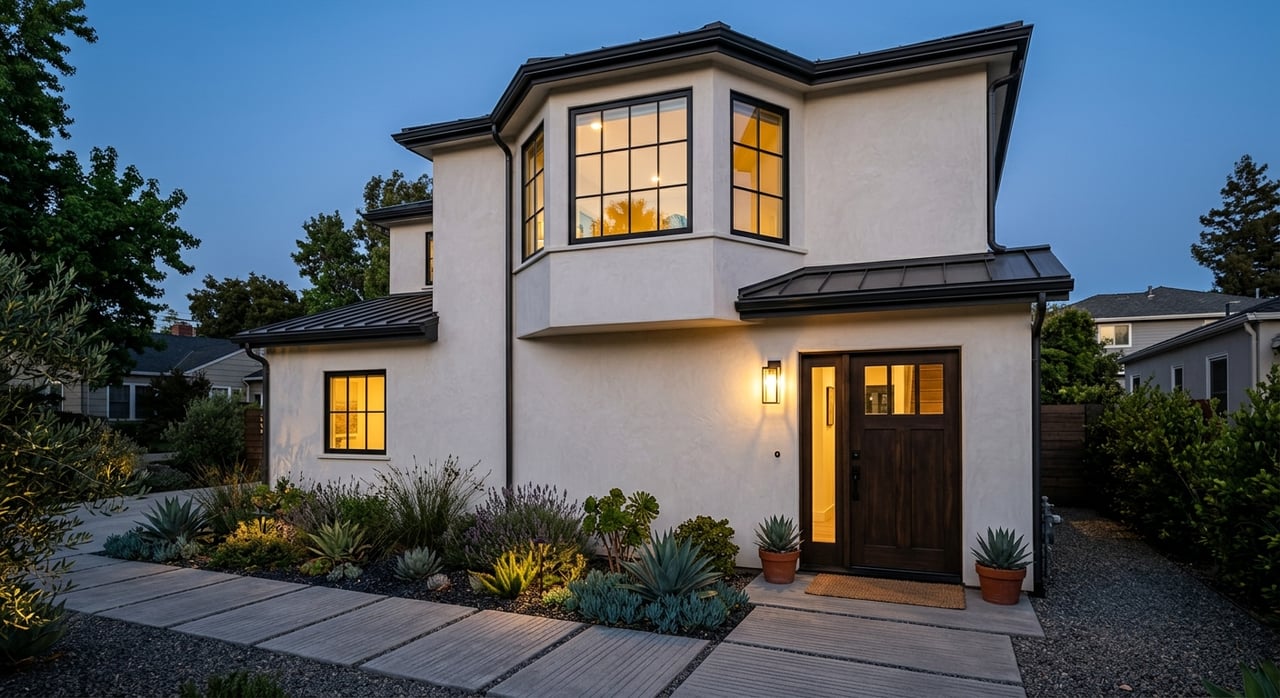
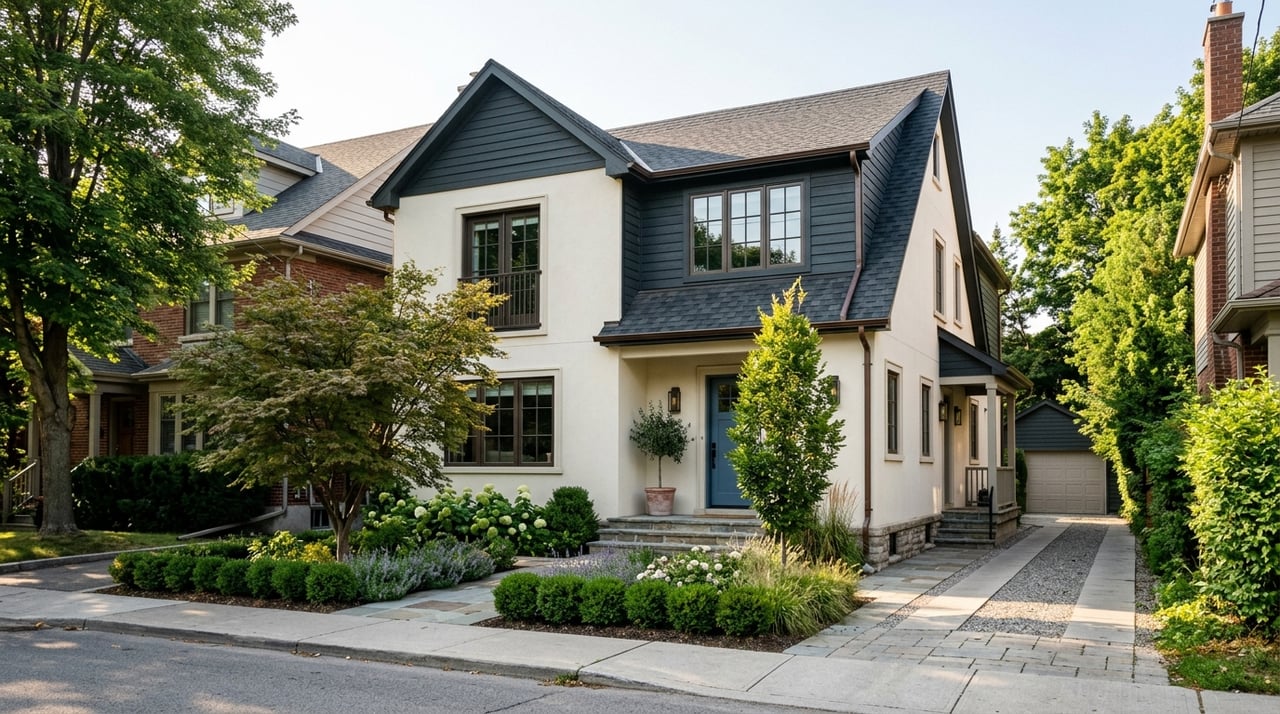
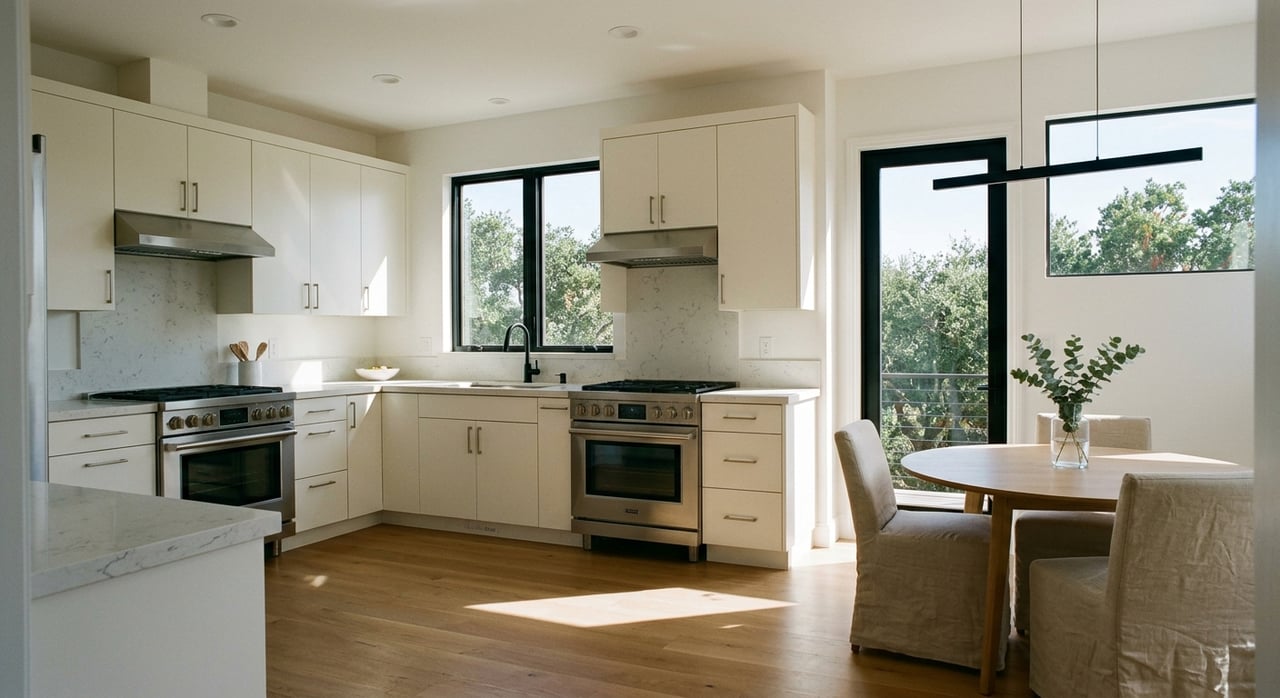
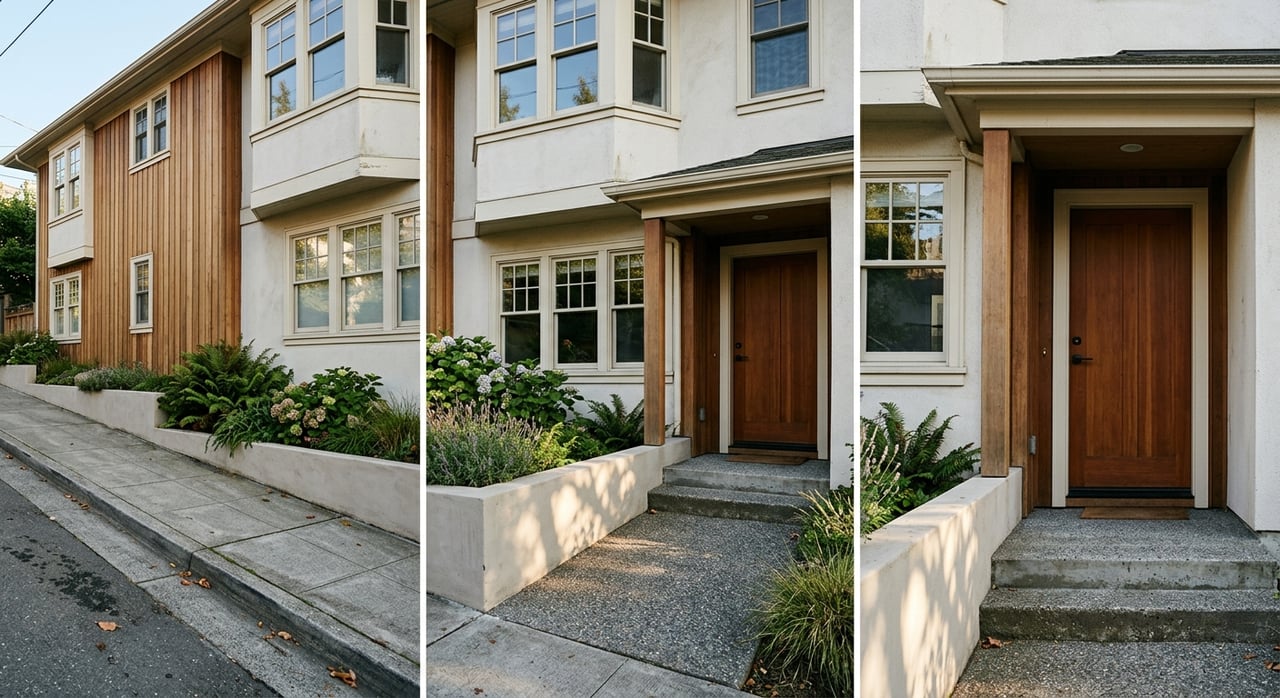
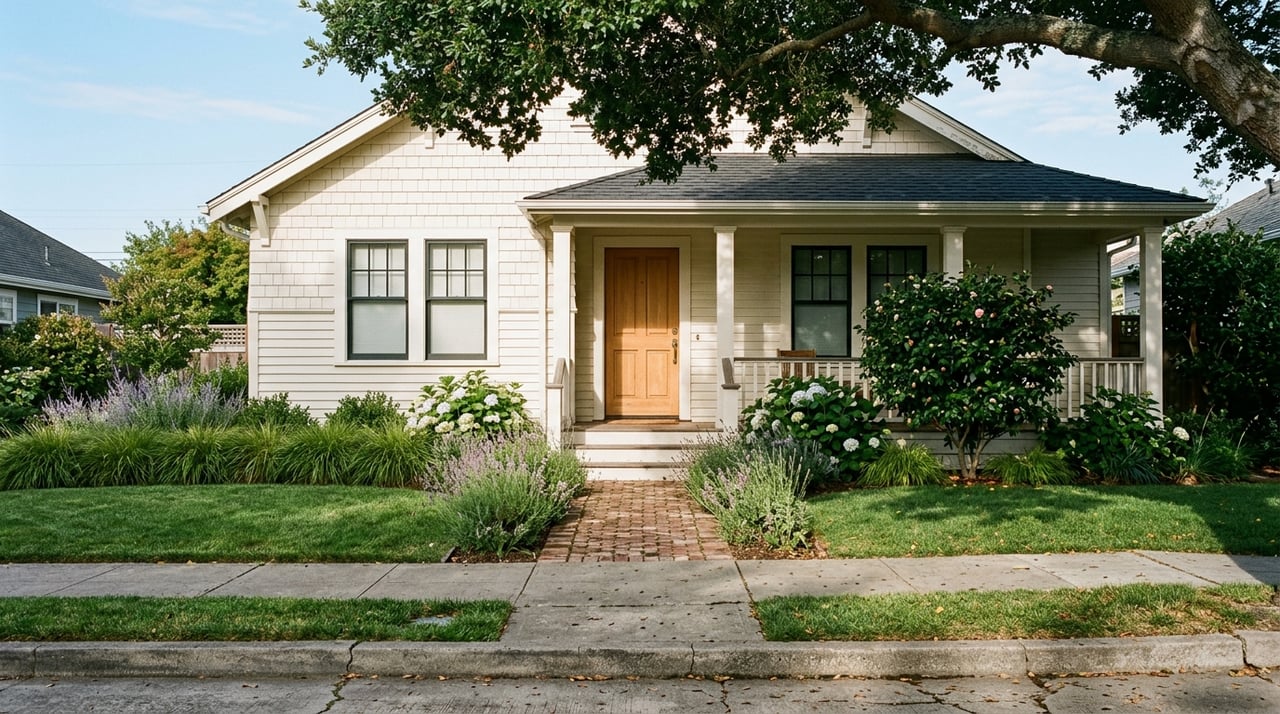
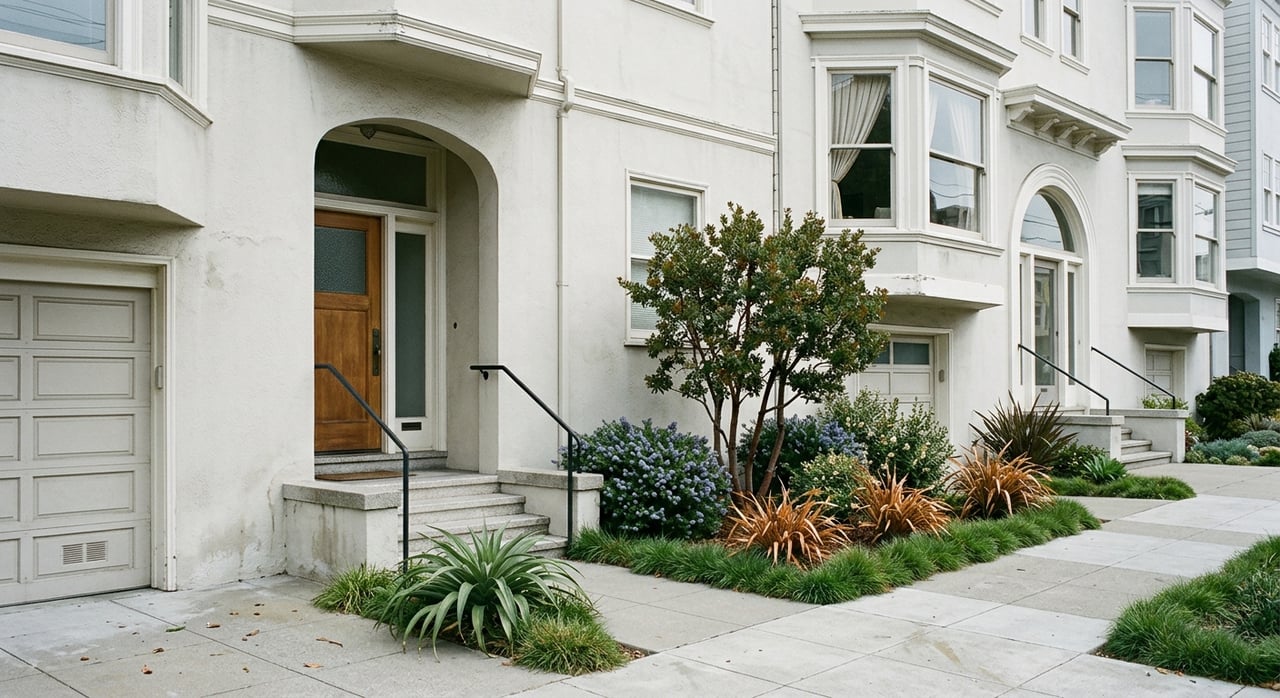
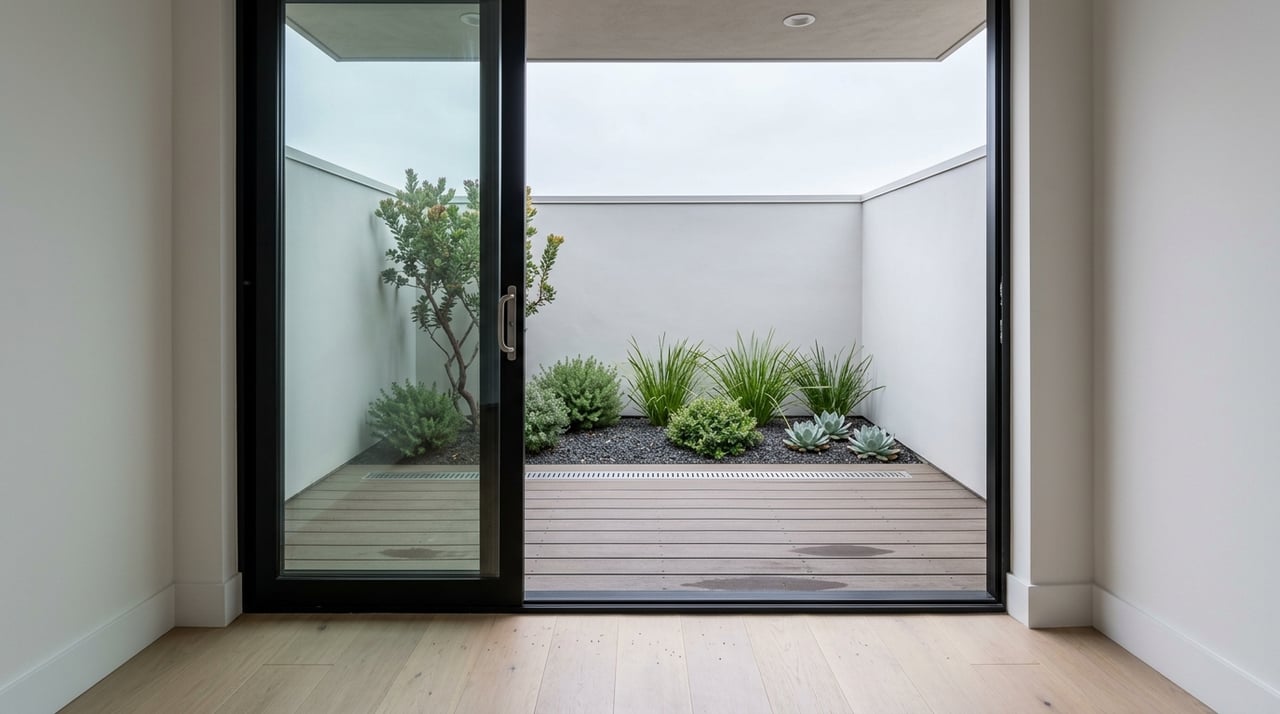
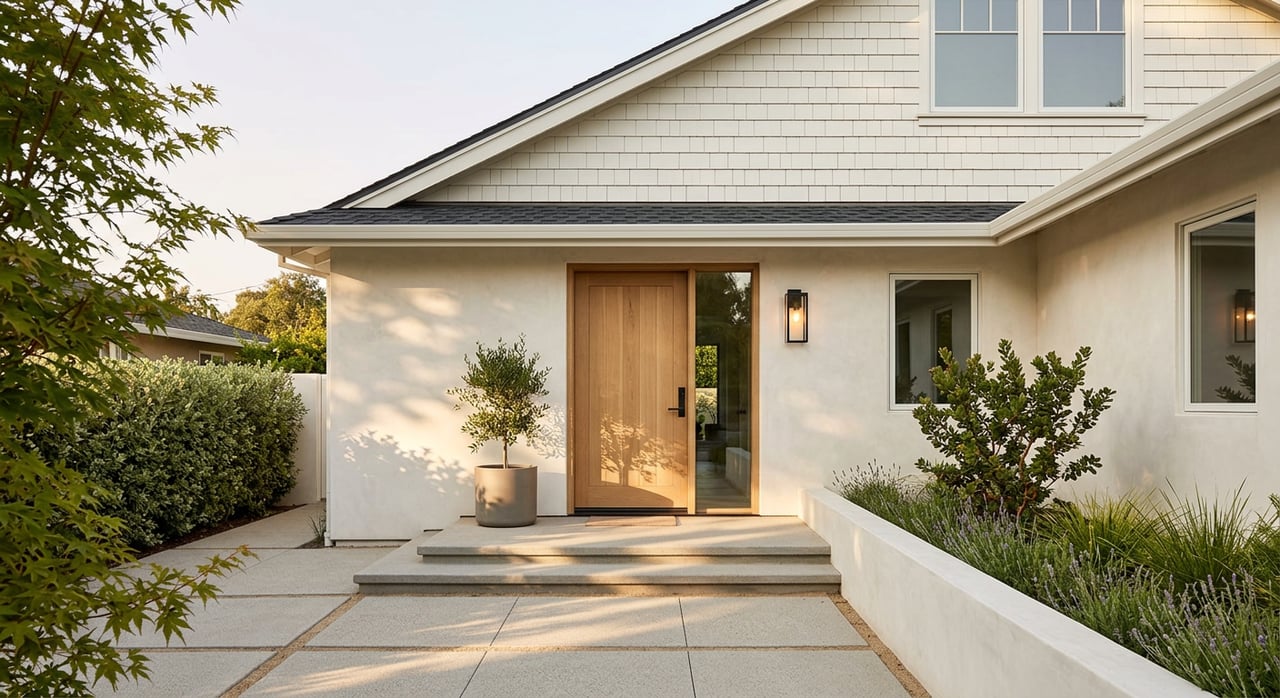
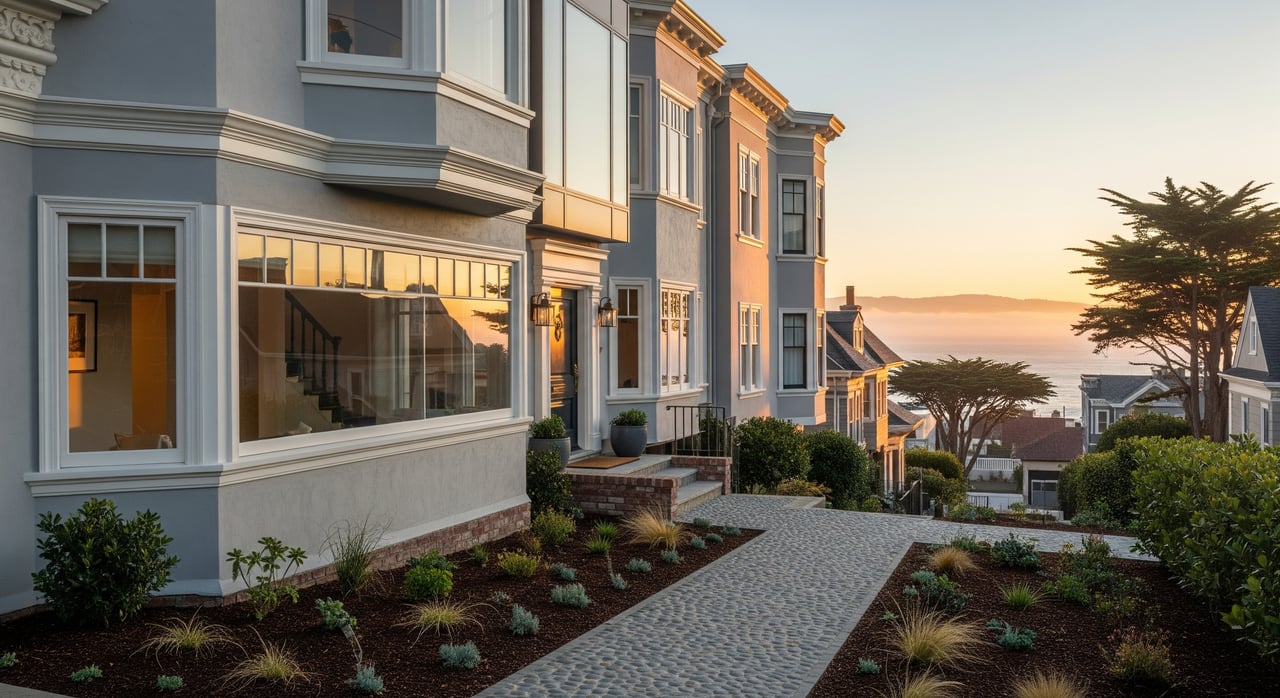
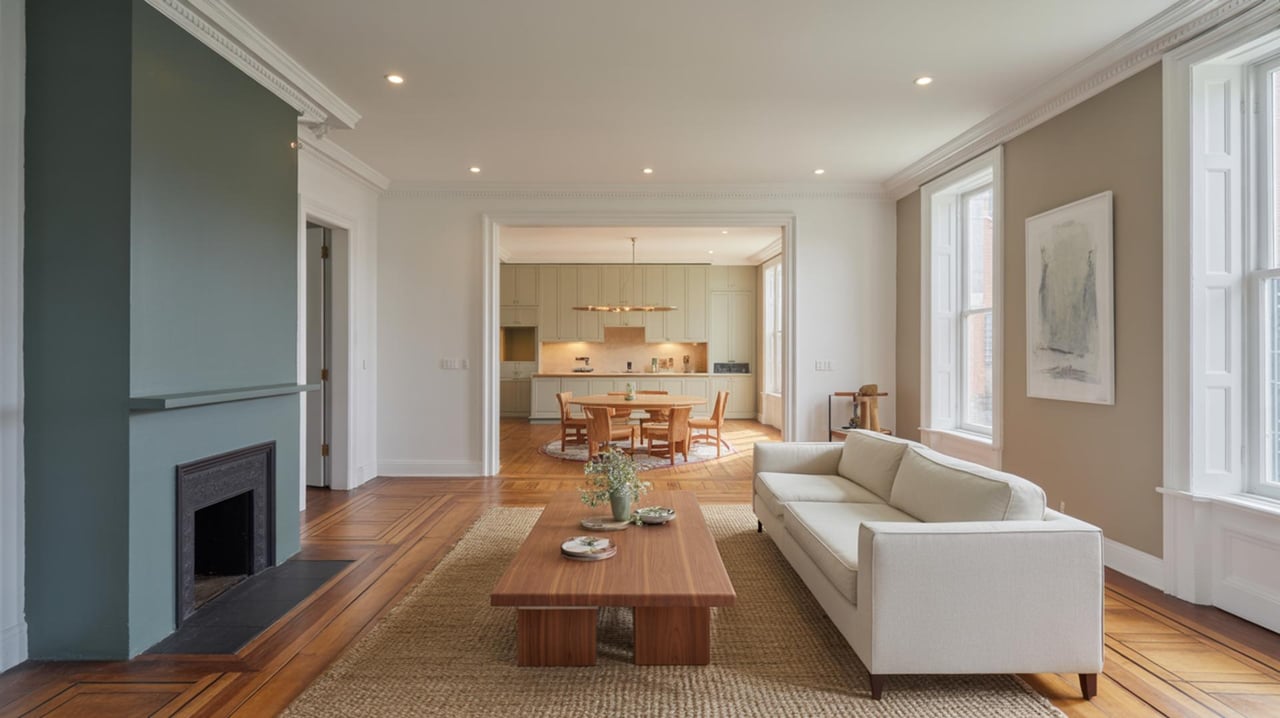
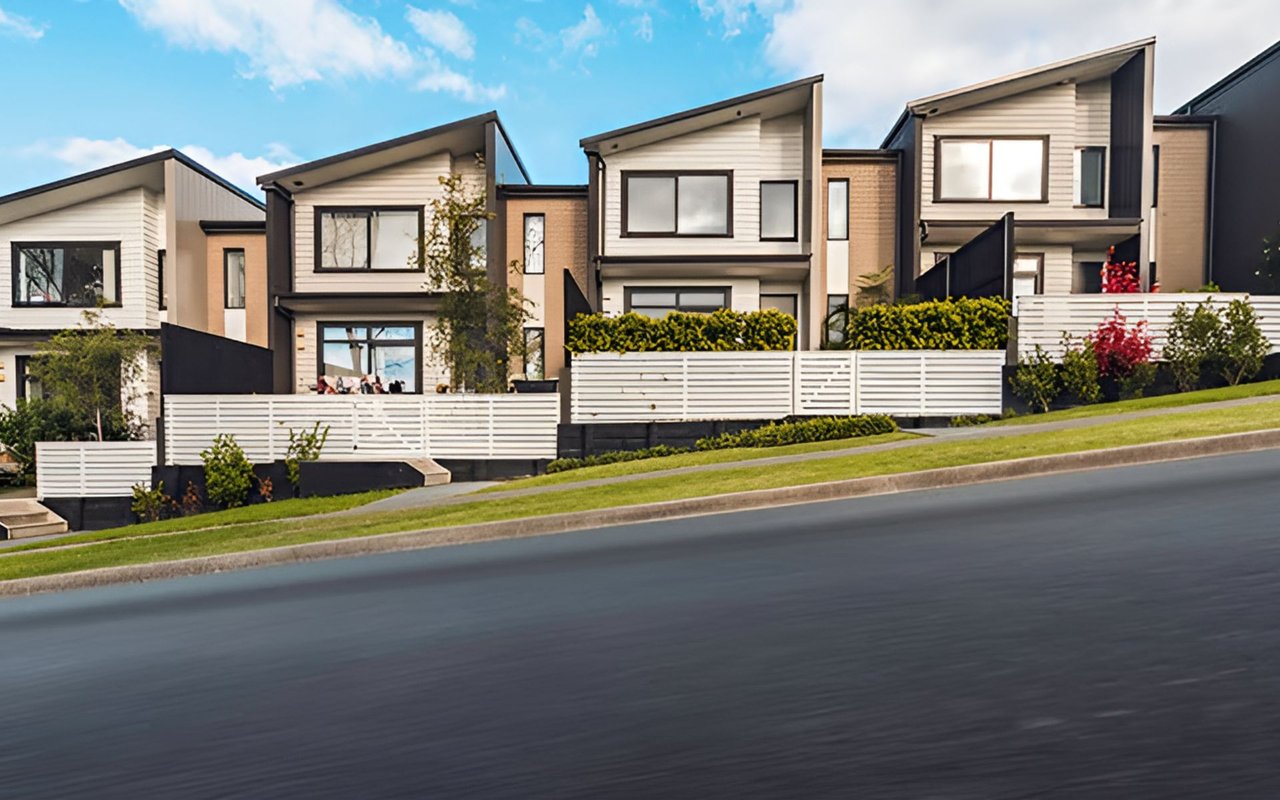
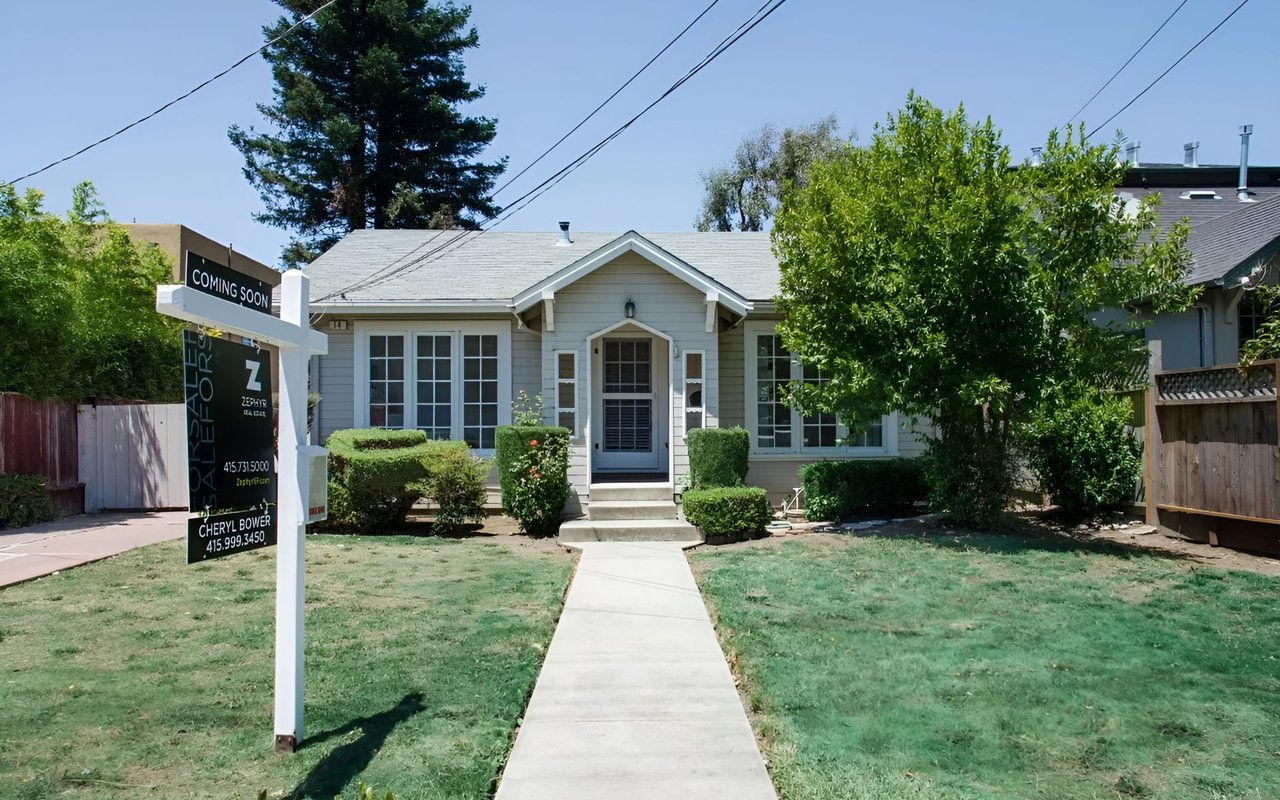
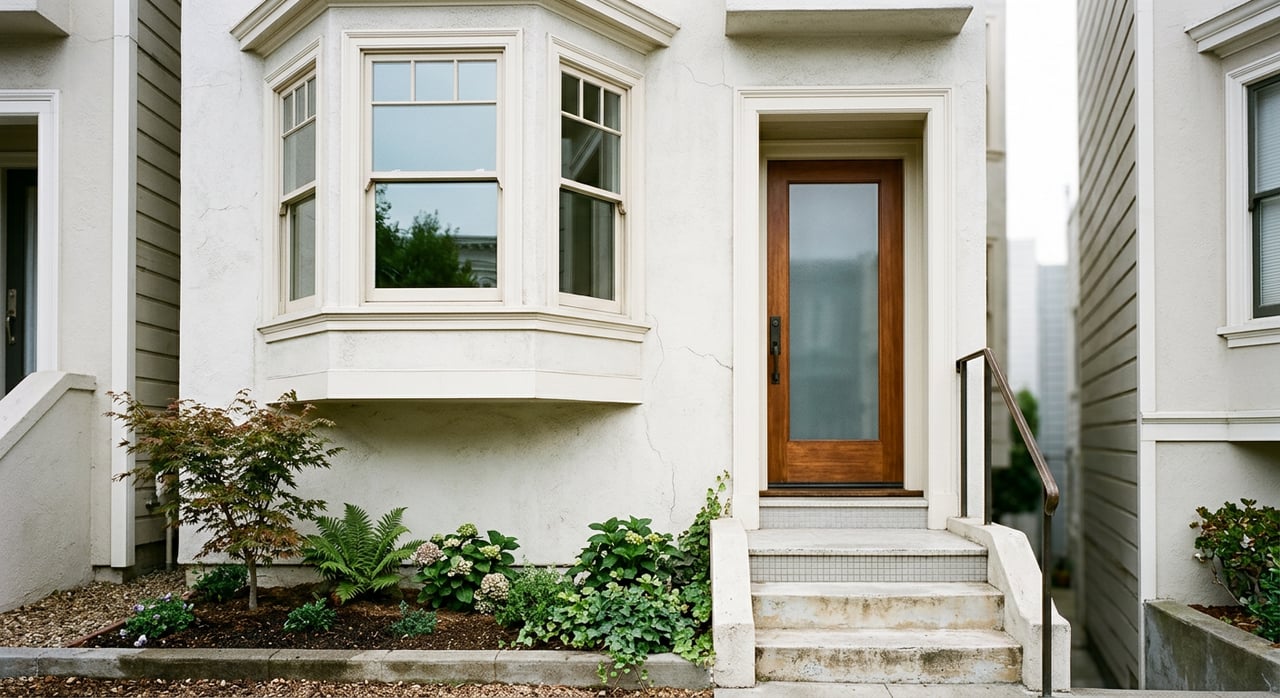
Much of the Sunset was built between the 1920s and 1940s, so you will see many two or three bedroom single-family homes with similar footprints. Common features include indoor patios or light wells, garages, and period-revival or storybook details on select blocks. For background on these distinctive tracts and why so many floor plans feel familiar across the Sunset, explore the Planning Department’s overview of the Rousseau’s Boulevard Tract.
What recent market snapshots show
Prices shift with inventory mix and timing, so always confirm current numbers. As a directional guide, Redfin’s February 2026 snapshots show a higher median sale price in the Inner Sunset, about $2.23 million, and a lower median in the Outer Sunset, about $1.61 million. You can review the latest neighborhood data on the Inner Sunset market page and the Outer Sunset market page.
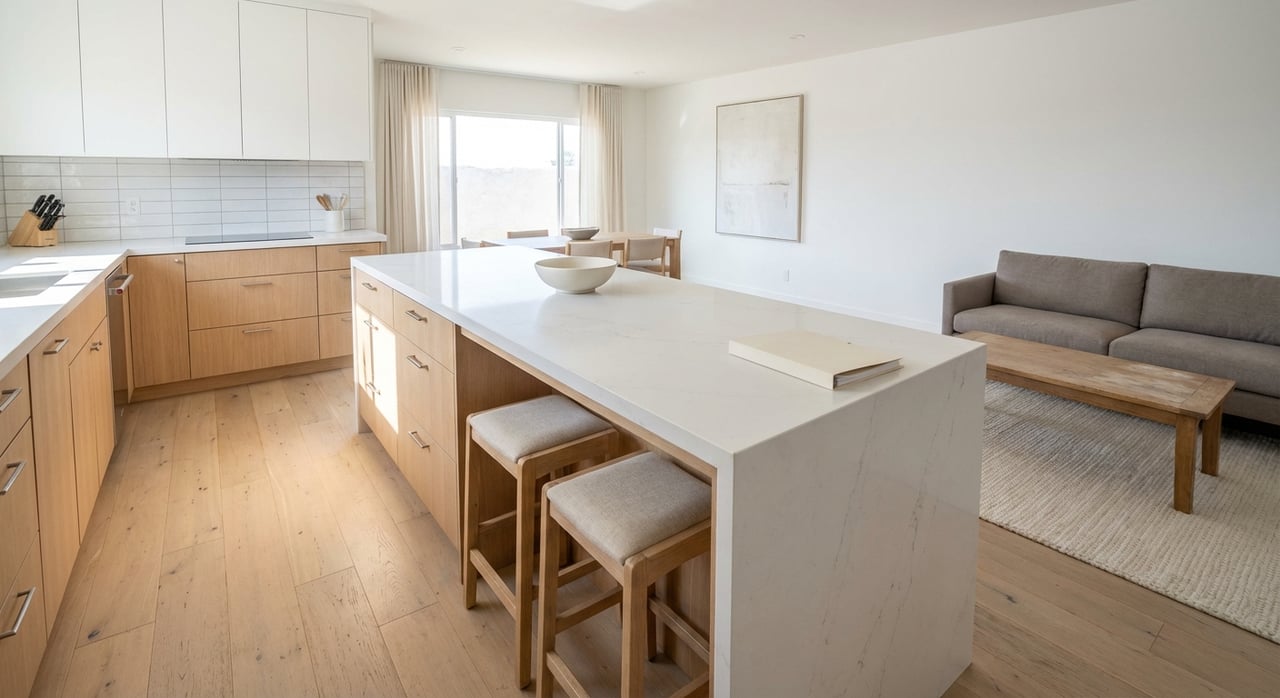
Keep in mind these are snapshots. A remodeled single-family home near 9th and Irving can trade far above the median, while a smaller home or condo farther west may come in below. Per square foot figures and days on market also move with small sample sizes, so look closely at recent comparable sales on the exact block.
Getting around: transit and commutes
The N Judah and L Taraval
The N Judah light rail is the Sunset’s main transit spine. It runs from Ocean Beach through both the Outer and Inner Sunset, then into downtown via the Sunset Tunnel and Market Street. If you plan regular downtown trips without a car, test your door-to-door time on the N Judah route during commute hours.
The L Taraval serves the southern side of the district and links Outer Sunset and Parkside blocks to west side corridors and transfer points. Depending on where you live, you may use the L, the N, or connecting bus routes. To see L service and stop patterns, check the L Taraval route.
Driving, parking, and 19th Avenue
19th Avenue is both a neighborhood divider and a major north south artery. It can be a barrier to quick cross-town trips and adds traffic near its intersections. If you depend on a car, review your likely routes at commute times and check block-level parking restrictions. Living in the Outer Sunset gives you faster access to the coast, while the Inner Sunset can shorten trips to central neighborhoods.
Who each area tends to fit
Choose the Inner Sunset if you
- Want everyday café strolls and a compact commercial core.
- Prefer high walkability and frequent Muni access to downtown.
- Value quick entry to Golden Gate Park for jogs, dog walks, and museum visits.
- Are comfortable with a higher median price point and more competition on the most sought-after blocks.
Choose the Outer Sunset if you
- Want daily beach access for surfing, runs, and sunset walks.
- Prefer a quieter, wide-block residential feel with destination cafés and restaurants nearby.
- Are drawn to a lower median price point within the district.
- Accept the coastal tradeoffs of more fog, wind, and salt air.
How to decide: a quick, on-the-ground checklist
- Visit your short list blocks twice, midday and evening, to feel the microclimate, noise, and parking.
- Ride the N Judah or L Taraval at commute time to test real travel times.
- Ask your agent for 3 month sold comparables for the exact block and property type. Medians can mask micro differences.
- If you have school needs, review SFUSD assignment details for the address and note proximity to parks or playfields.
- For coastal homes, factor in exterior maintenance and car care due to wind and salt air.
- For Inner Sunset homes near commercial cores, check evening activity, loading zones, and weekend parking.
Ready to compare homes with a plan?
Choosing between the Inner and Outer Sunset is easier when you match your daily routine to the street and block. If you want a calm, process-driven partner to help you test commute times, analyze nearby comps, and weigh prep or renovation needs, reach out to Cheryl Bower. You will get white-glove guidance backed by Compass tools, a vetted contractor network, and a step-by-step plan to move with confidence.
FAQs
What defines the Inner vs. Outer Sunset in San Francisco?
- Most city-facing maps use 19th Avenue as the divider, with the Inner Sunset east of 19th near Golden Gate Park and the Outer Sunset stretching west toward Ocean Beach, consistent with the city’s Inner Sunset historic context.
Is the Outer Sunset colder and foggier than the Inner Sunset?
- Yes, the west edge by the ocean is typically foggier, windier, and cooler, while the Inner Sunset is often a bit milder; the Chronicle’s neighborhood project shows these microclimate patterns.
How do home prices compare as of February 2026?
- Redfin’s Feb 2026 snapshots show a higher median in the Inner Sunset at about $2.23M and a lower median in the Outer Sunset at about $1.61M, per the Inner Sunset and Outer Sunset market pages.
Which area is more walkable for daily errands?
- The Inner Sunset typically ranks higher, with a concentrated 9th and Irving core described as a walker’s paradise on Walk Score, while the Outer Sunset remains walkable but more spread out.