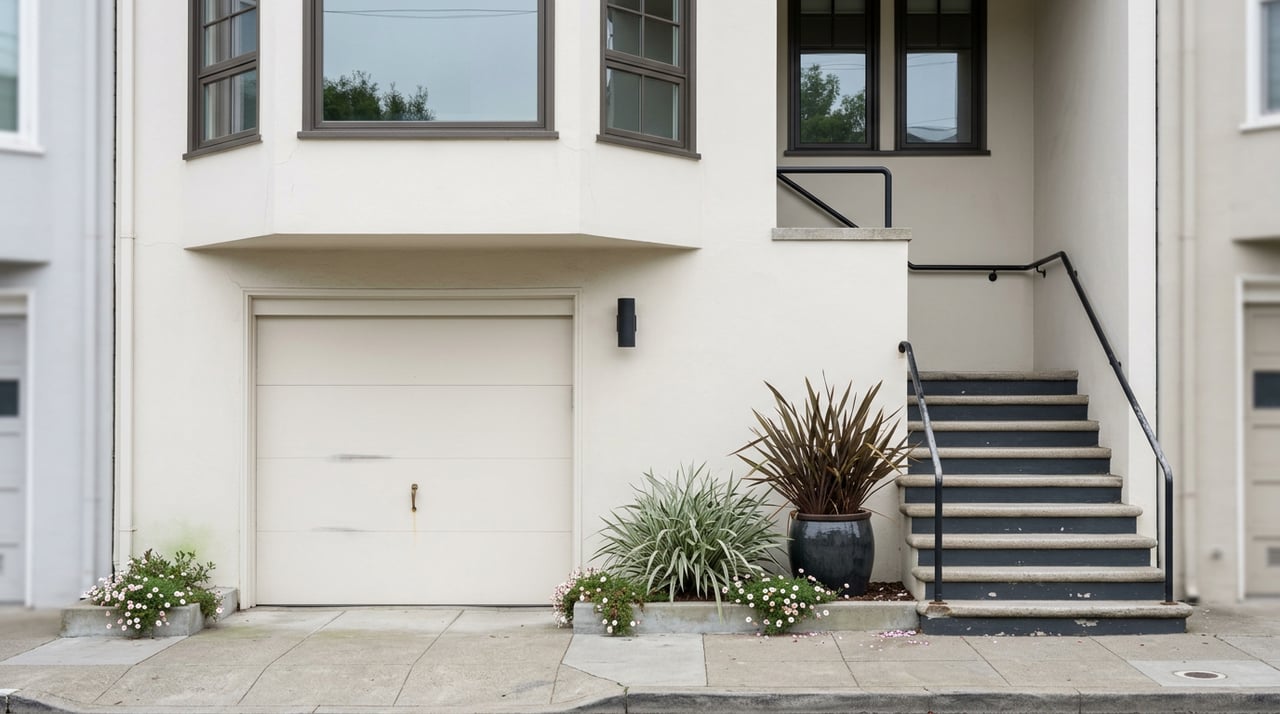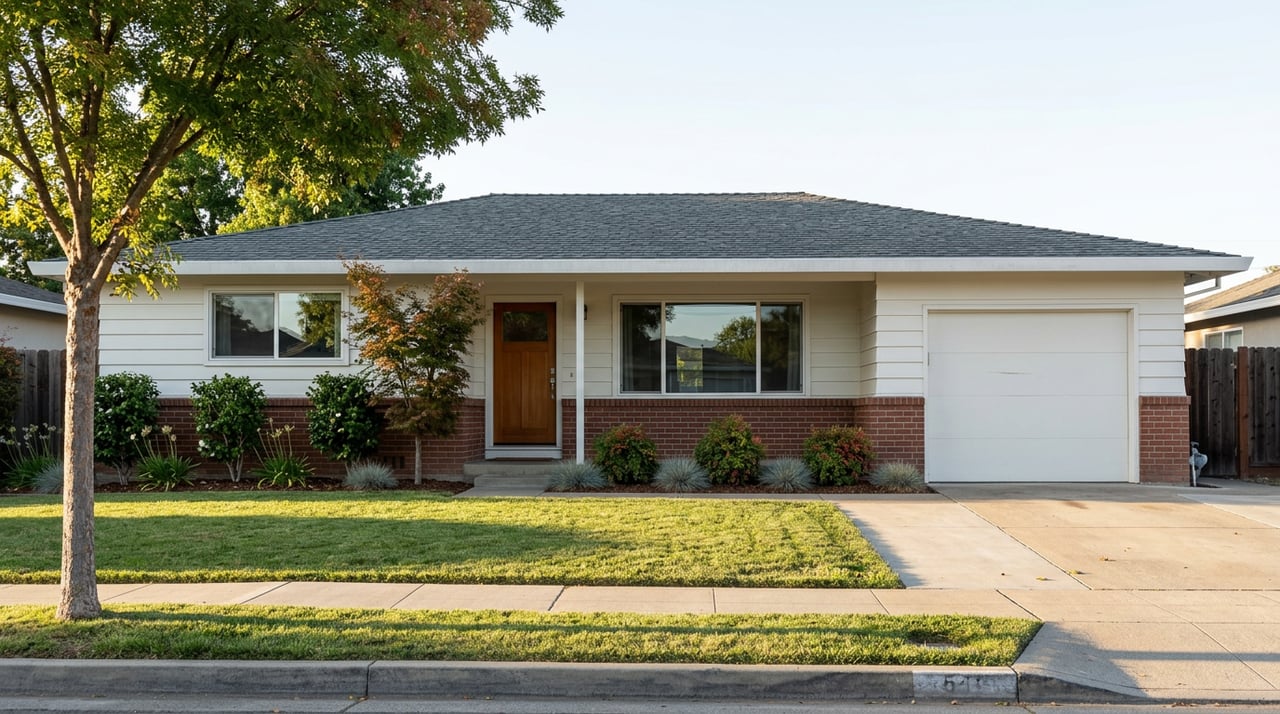
If you are considering a duplex, triplex, or fourplex in San Mateo, you are probably thinking about more than just buying a home. You may be looking for a way to offset your monthly payment, create long-term rental income, or secure a property with future flexibility. That opportunity can be compelling, but small multi-unit purchases come with different financing rules, tenant considerations, and due diligence steps than a typical single-family purchase. Let’s dive in.
Why small multi-units attract buyers
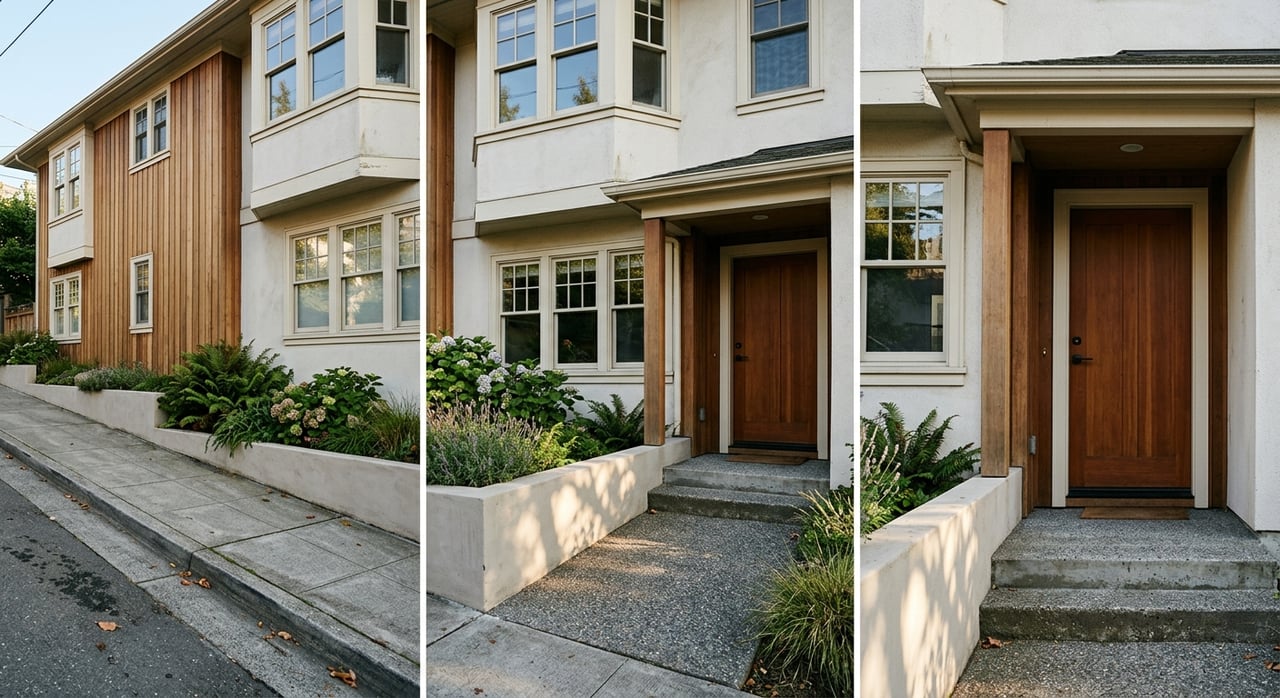
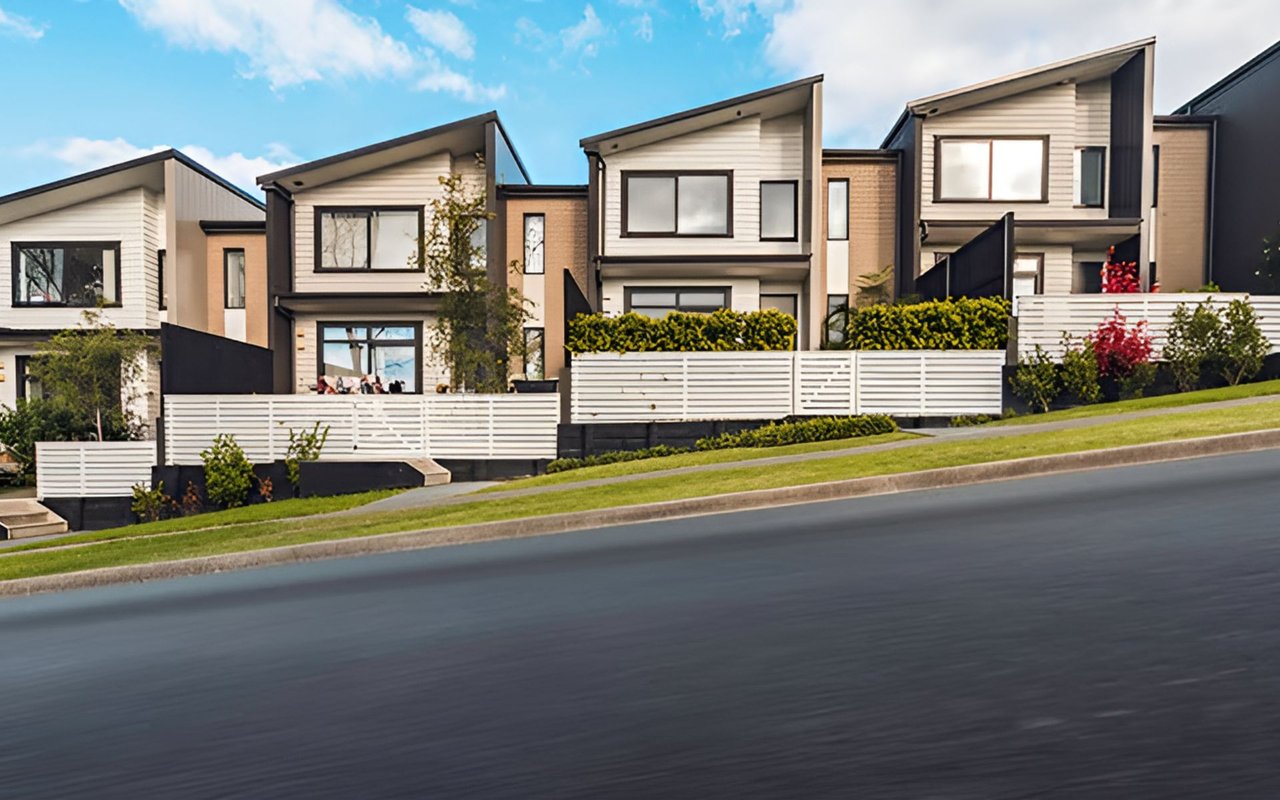
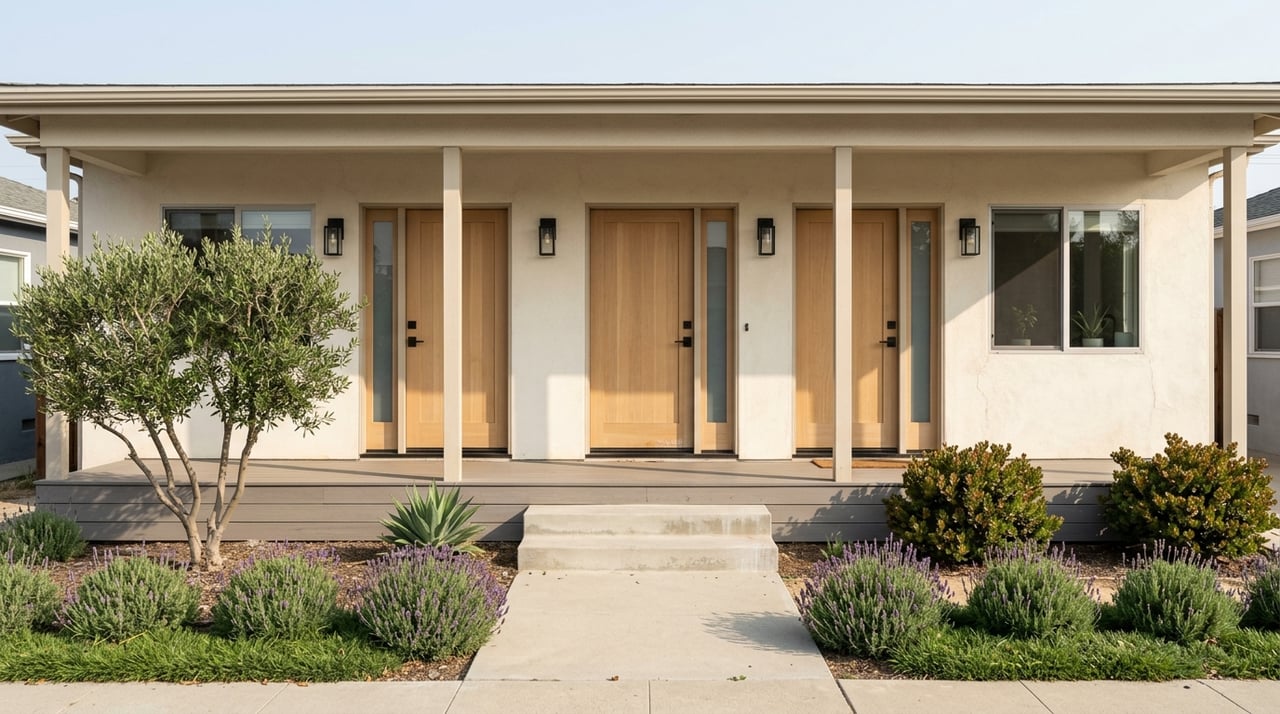
A small multi-unit property usually means a 2- to 4-unit building, such as a duplex, triplex, or fourplex. For many buyers in San Mateo, these properties offer a chance to live in one unit and rent out the others, often called house-hacking.
That setup can help reduce your carrying costs, but it also changes how a lender, appraiser, and buyer should evaluate the property. Owner-occupant financing and rental-income underwriting are not handled the same way they are for a standard single-family home, according to HUD’s overview of 1- to 4-unit FHA-eligible homes.
Financing matters early
In San Mateo County, financing is one of the first things to sort out because price and property type can quickly affect your loan options. The county is considered a high-cost lending market, and the FHFA 2026 conforming loan limits are $1,249,125 for 1 unit, $1,599,375 for 2 units, $1,933,200 for 3 units, and $2,402,625 for 4 units.
That means a purchase that looks straightforward at first glance may end up falling into conforming, FHA, HomeReady, or jumbo territory depending on price, occupancy, credit, and projected rent. If you plan to write an offer on a small multi-unit, talking with a lender before you shop is especially important.
Conventional loan options
Conventional financing can be attractive for buyers who plan to live in one of the units. Fannie Mae’s eligibility matrix shows up to 95% loan-to-value for 2- to 4-unit principal residences, although underwriting can be more conservative in practice depending on the file.
Fannie Mae also notes that HomeReady can support 1- to 4-unit principal residences. For 2- to 4-unit purchases, the borrower must contribute 3% from their own funds unless a grant applies.
FHA can be a path
FHA is another option worth discussing with your lender. HUD’s 203(b) program applies to one- to four-unit principal residences and is described by HUD as offering about 96.5% financing for qualified borrowers.
For some buyers, that can open the door to a property that would otherwise feel out of reach. The key is making sure the property and your occupancy plans match the program rules.
Can rent help you qualify?
In many cases, yes, but you should expect documentation requirements. Fannie Mae’s rental income guidance says rental income can be used when it is likely to continue, including for a 2- to 4-unit principal residence where you occupy one unit.
If subject-property rental income is part of your qualification, Fannie Mae requires the Small Residential Income Property Appraisal Report, Form 1025, for 2- to 4-unit properties. In practical terms, that means the projected or existing rent from the other units is not something a lender will simply take at face value.
Tenant rules can affect your purchase
If the property is tenant-occupied, you need to understand both state and local rules before you remove contingencies. Existing leases, notices, rent history, and occupancy status can all shape what happens after closing.
At the state level, the California Attorney General’s Tenant Protection Act summary explains that annual rent increases are generally capped at 5% plus CPI, up to 10% total, for most covered tenancies. The same guidance also notes just-cause requirements after 12 months for most covered tenants.
Owner occupancy changes the analysis
Coverage is not always the same for every property. The Attorney General notes that the statewide cap applies to most apartments, to single-family homes or condos owned by corporations, and to duplexes if the landlord does not live there.
That distinction matters for buyers considering a duplex where one unit may become owner-occupied. The California Courts guidance referenced in the research also makes clear that owner-occupied duplexes can fall into an exemption structure, so you should confirm occupancy and title details before assuming a property is or is not covered.
San Mateo adds local requirements
San Mateo has its own local tenant protection layer. Under the city’s Residential Tenant Protection Program, no-fault just-cause protections apply after 11 months, qualifying no-fault terminations require one month of relocation assistance, and certain written notices to existing tenancies were required by February 1, 2026.
For a buyer, this means seller disclosures and lease files deserve close review. If you are buying a tenant-occupied duplex or triplex, it is wise to verify that required notices and addenda were properly delivered.
Look beyond the mortgage payment
Your monthly payment is only part of the ownership picture. Small multi-unit properties often come with more moving pieces than a single-family home, including turnover planning, shared systems, maintenance coordination, and tenant communication.
You should also account for taxes that may not show up in the first headline number. San Mateo County Tax Collector guidance on supplemental tax bills explains that supplemental property taxes are triggered by a change in ownership or new construction and are usually mailed within nine months.
Know the property tax framework
The same county guidance notes that California property tax is generally capped at 1% plus voter-approved indebtedness under Proposition 13. That base framework helps, but supplemental bills can still surprise buyers who only budget for the regular annual tax amount.
When you evaluate affordability, it is smart to leave room for:
- Repairs and deferred maintenance
- Vacancy between tenants
- Insurance costs
- Supplemental property taxes
- Ongoing reserves for shared systems and common areas
Permits, zoning, and future flexibility
Many buyers are not only thinking about the property as it exists today. You may also be wondering whether the units are properly permitted, whether an ADU is possible, or whether the site has longer-term redevelopment potential.
San Mateo’s planning framework is active and evolving. The city’s housing and planning resources include parcel-specific zoning information along with separate guidance for ADUs, JADUs, and SB9 projects.
ADUs and SB9 are not one-size-fits-all
The city’s ADU handout says compliant ADUs and JADUs are ministerial, which means they do not require a planning application or public notification. That can be useful if you are evaluating future flexibility, but it does not mean every lot or building will support the same outcome.
The city’s SB9 guidance also notes that duplex and lot-split eligibility can depend on zoning, prior tenant occupancy, historic status, and hazard constraints. In other words, future upside should be verified, not assumed.
Redevelopment thresholds matter too
If you are thinking further ahead, San Mateo’s Developer Resources page is worth reviewing. It explains that the city’s below-market-rate program applies to rental or for-sale developments of 6 or more units, with a fractional fee for 5- to 10-unit projects.
That may not affect your day-one purchase of a duplex or triplex, but it can matter if you are evaluating a site for possible expansion or redevelopment later.
A practical due diligence checklist
Before you move forward on a small multi-unit in San Mateo, focus on the questions that most often change the risk profile of the purchase.
Questions to answer before offering
- Is the property owner-occupied or tenant-occupied?
- Can rental income from the other units help you qualify?
- Will the loan likely be conforming, FHA, HomeReady, or jumbo?
- Are current leases, notices, and rent increases compliant with state and San Mateo rules?
- Are all units permitted as represented?
- Is there realistic ADU or redevelopment potential based on current city guidance?
- How much cash should you hold for repairs, vacancy, insurance, management, and supplemental taxes?
The tradeoff to understand
A small multi-unit can be a smart way to enter or expand your footprint in San Mateo, especially if living in one unit and renting the others fits your goals. It can help offset expenses and create longer-term flexibility.
At the same time, these properties usually require more active management than a single-family home. Lease review, maintenance reserves, rent collection, vacancy planning, and day-to-day communication all become part of the ownership model.
The good news is that with the right preparation, this kind of purchase can feel much more manageable. If you want a calm, well-organized strategy for evaluating a small multi-unit in San Mateo, Cheryl Bower can help you think through property fit, due diligence, and the next steps with clarity.
FAQs
What counts as a small multi-unit property in San Mateo?
- A small multi-unit property usually means a 2- to 4-unit residential building, such as a duplex, triplex, or fourplex.
Can rental income from a San Mateo duplex or triplex help you qualify for a loan?
- Yes, in some cases, but lenders typically require documentation, and Fannie Mae requires Form 1025 when subject-property rental income is used for qualifying on 2- to 4-unit properties.
What are the 2026 conforming loan limits for small multi-units in San Mateo County?
- The 2026 FHFA conforming loan limits are $1,599,375 for 2 units, $1,933,200 for 3 units, and $2,402,625 for 4 units in San Mateo County.
Does San Mateo have local tenant protection rules for multi-unit properties?
- Yes, San Mateo has a Residential Tenant Protection Program that adds local rules, including no-fault just-cause protections after 11 months and relocation assistance for qualifying no-fault terminations.
Are supplemental property taxes a factor when buying a San Mateo multi-unit?
- Yes, San Mateo County says supplemental property taxes are triggered by a change in ownership or new construction and are usually mailed within nine months.
Can you add an ADU to a small multi-unit property in San Mateo?
- Possibly, but it depends on the specific property and current city rules, so zoning, permits, and site conditions should be verified before you rely on future expansion potential.