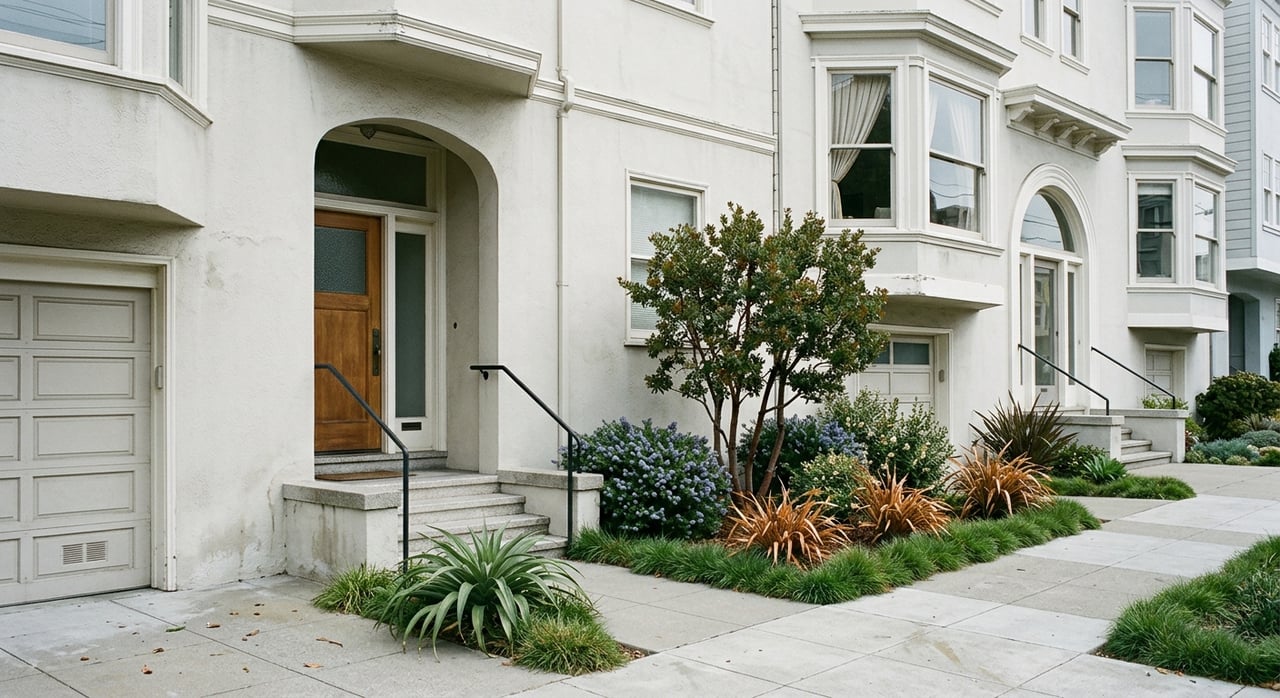
If you want a San Francisco neighborhood that feels both grounded and wide open, the Sunset District stands out fast. You get ocean air, easy access to Golden Gate Park, and a daily rhythm built around local commercial streets rather than nonstop bustle. Whether you are thinking about buying, selling, or simply getting to know the area, understanding how the Sunset lives on a day-to-day basis can help you make a smarter move. Let’s dive in.
Why the Sunset feels different
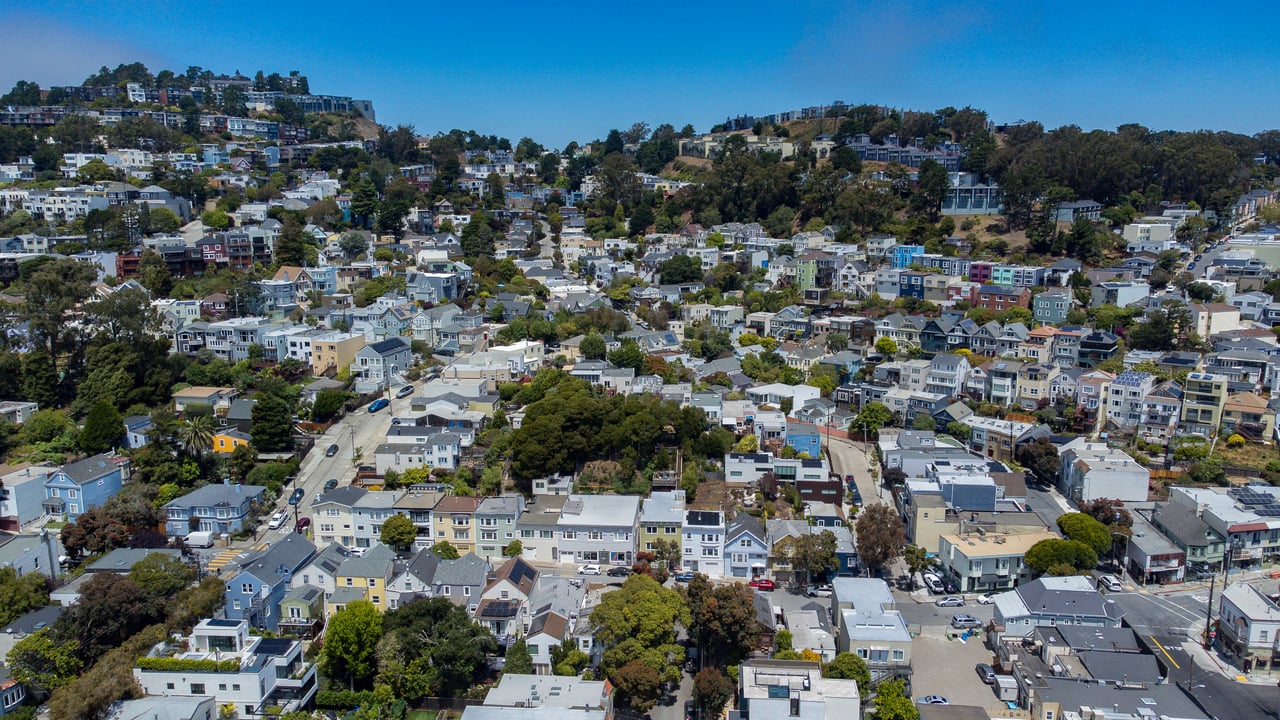
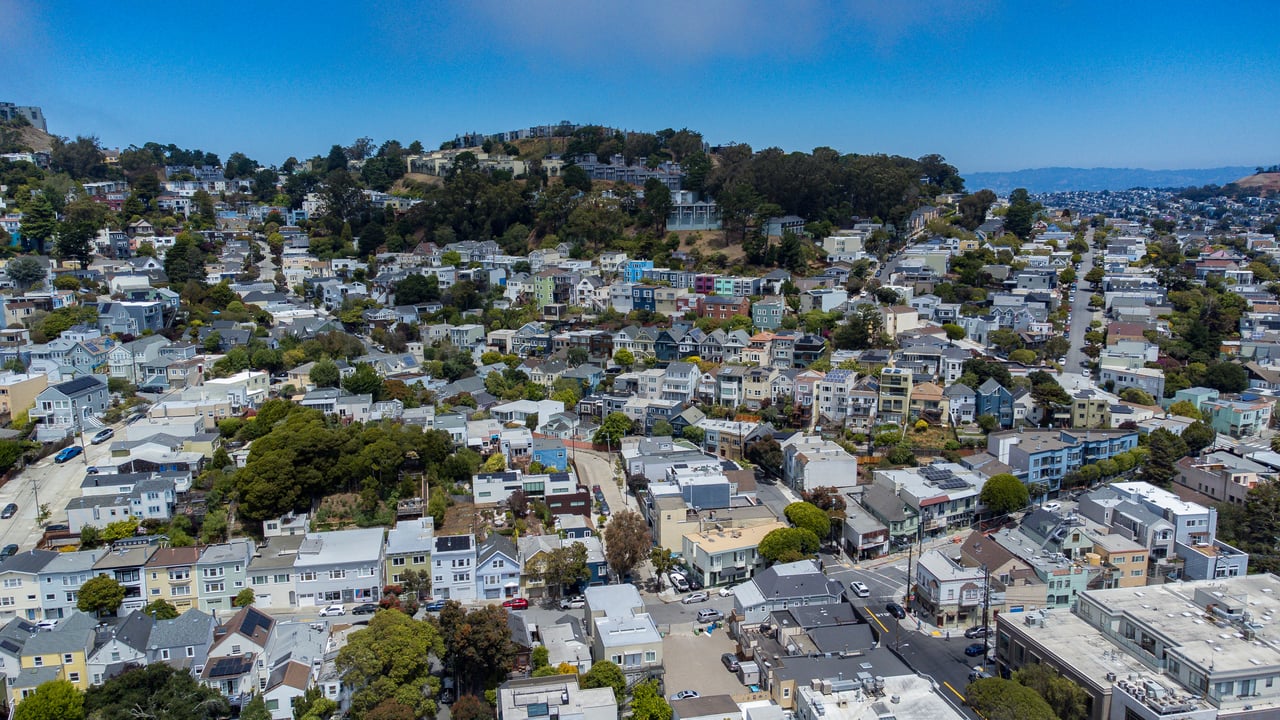
The Sunset District is one of San Francisco’s broadest west-side neighborhoods. City historic planning materials describe it as the city’s largest neighborhood at about 4.5 square miles, roughly bounded by the Pacific Ocean, Golden Gate Park, 4th and 15th Avenues, and Sloat Boulevard.
That size matters in real life. The Sunset is not just one narrow strip near the beach. It includes areas such as Inner Sunset, Outer Sunset, Parkside, Oceanside, Golden Gate Heights, and Parkway Terrace, which gives the neighborhood a broader range of streetscapes, housing patterns, and daily routines.
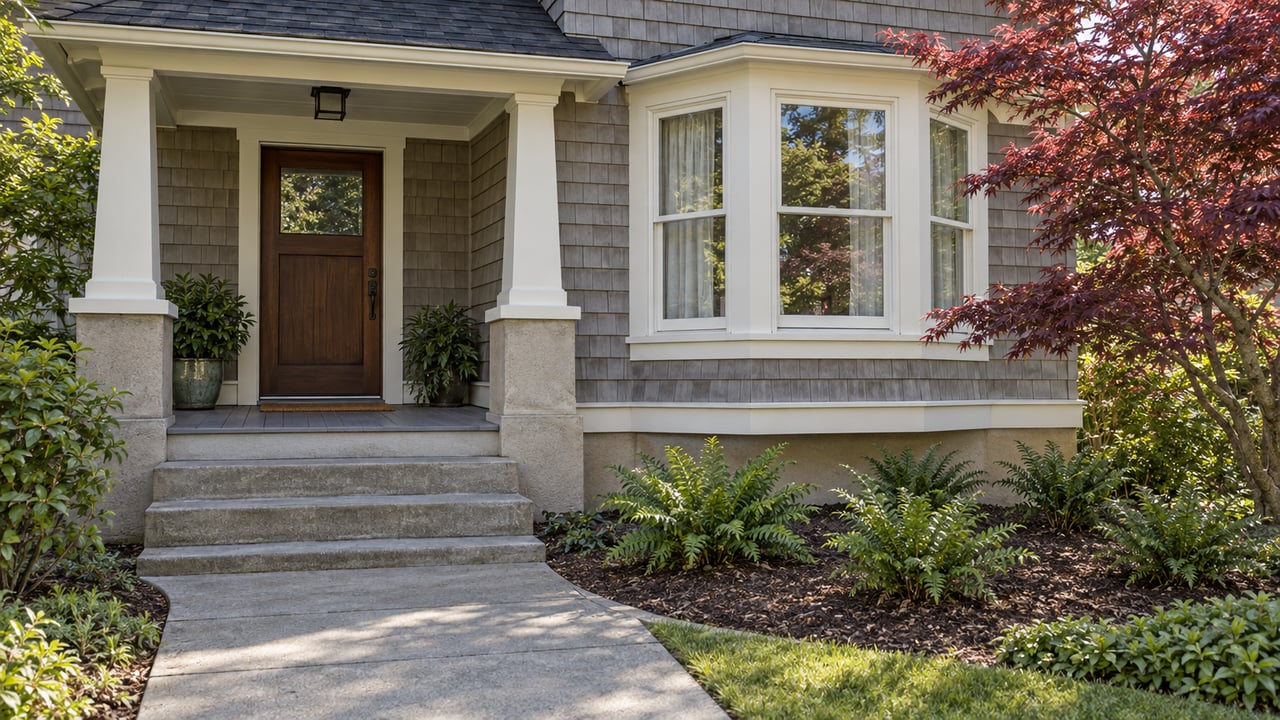
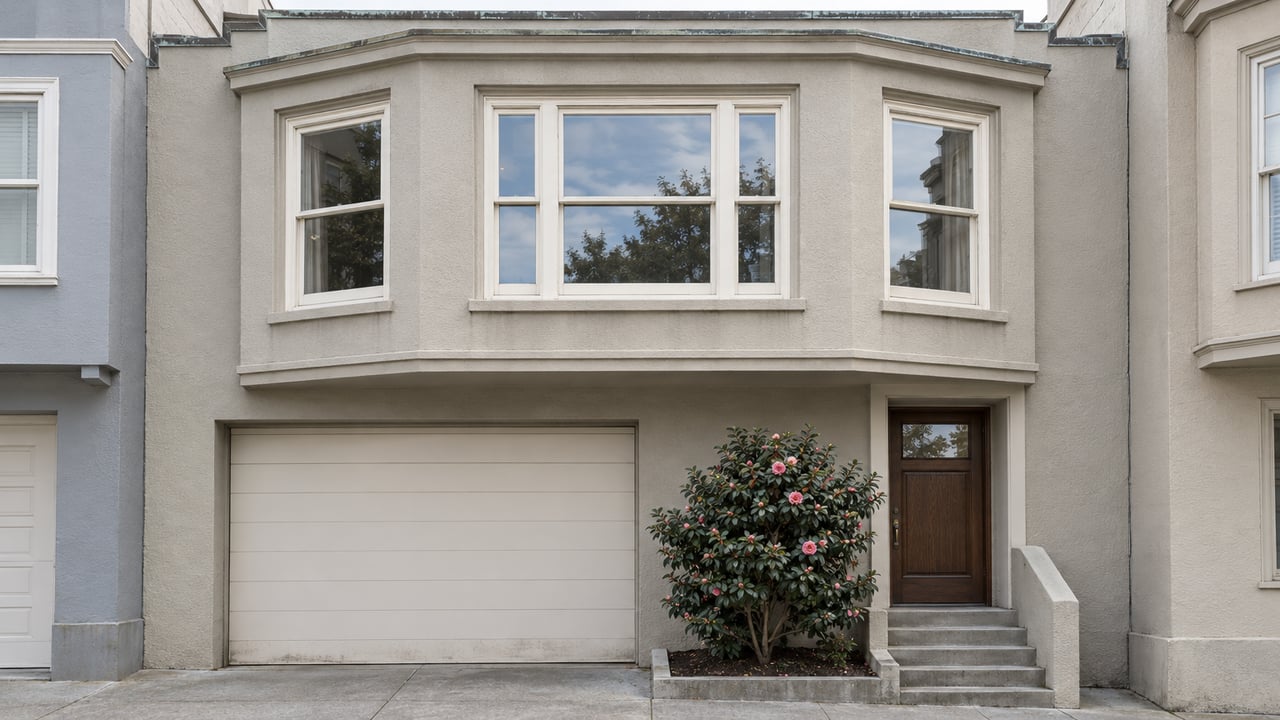
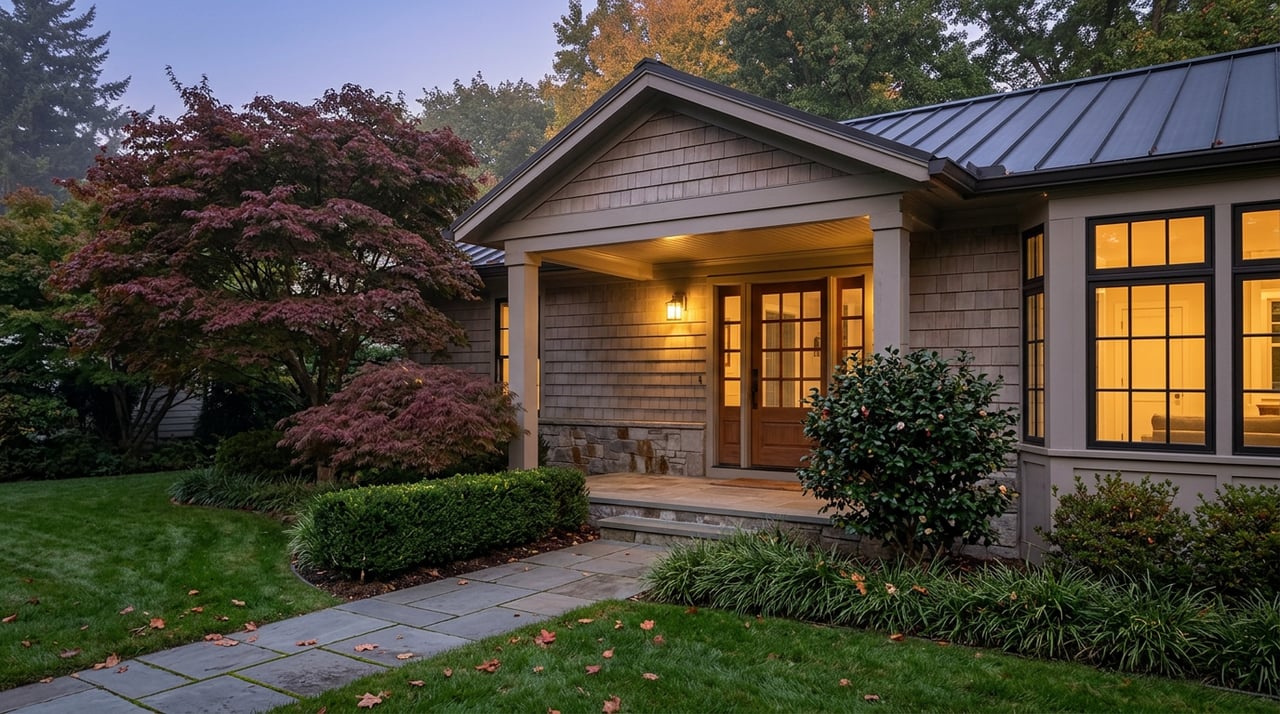
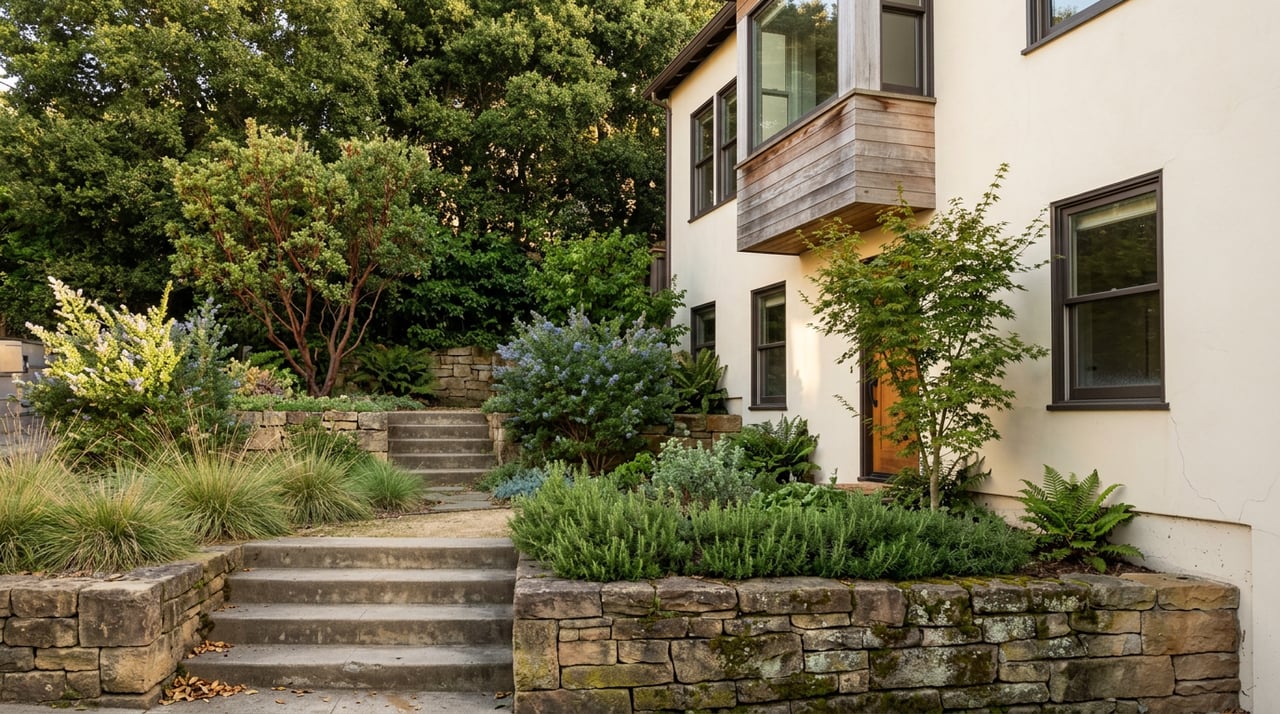
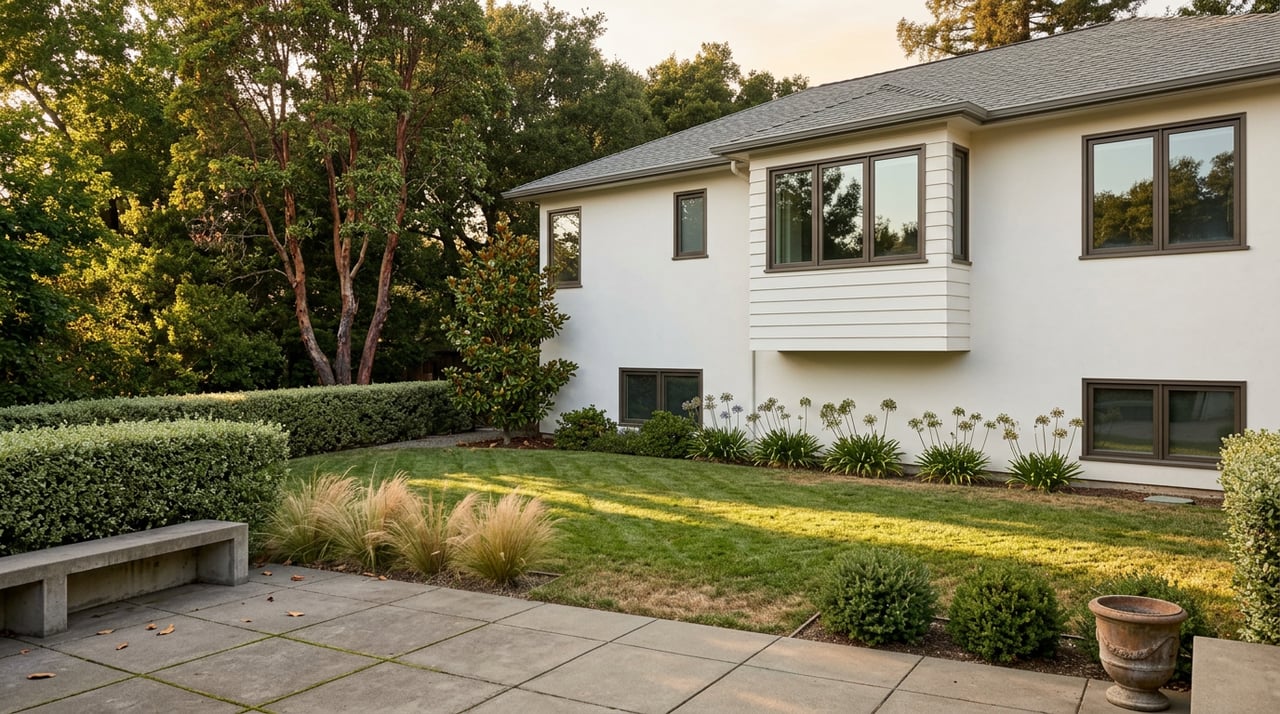
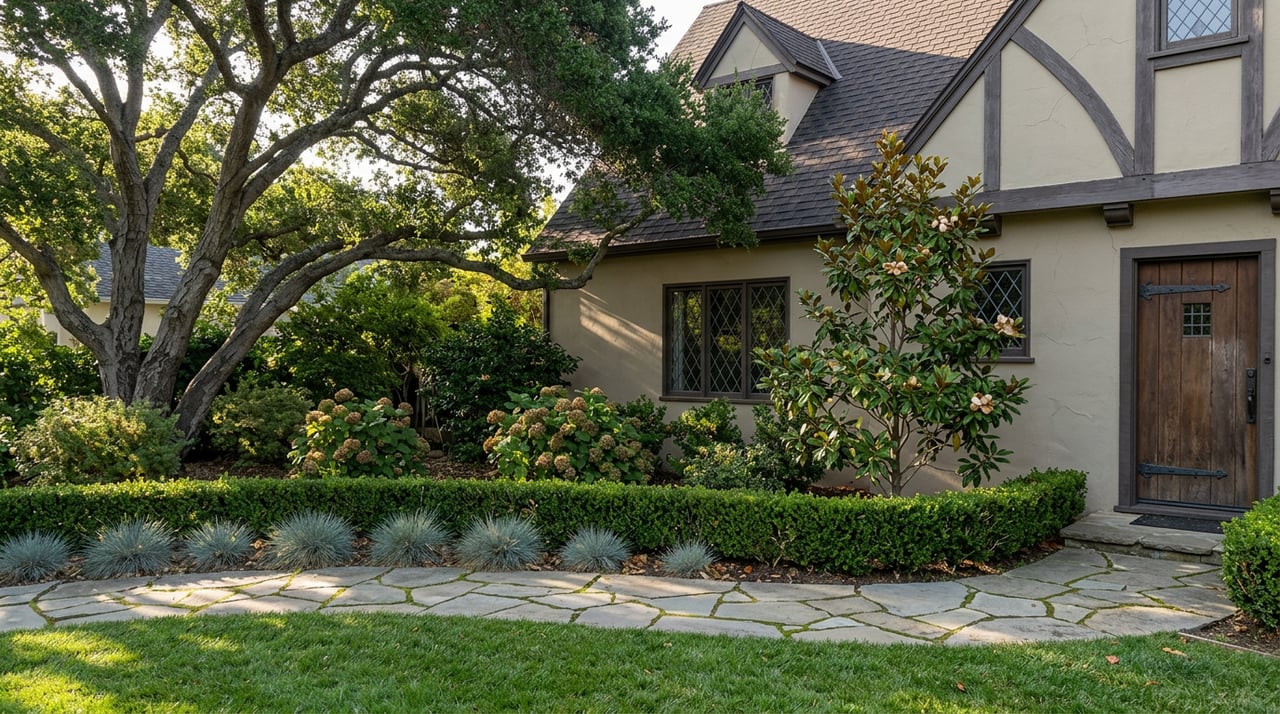
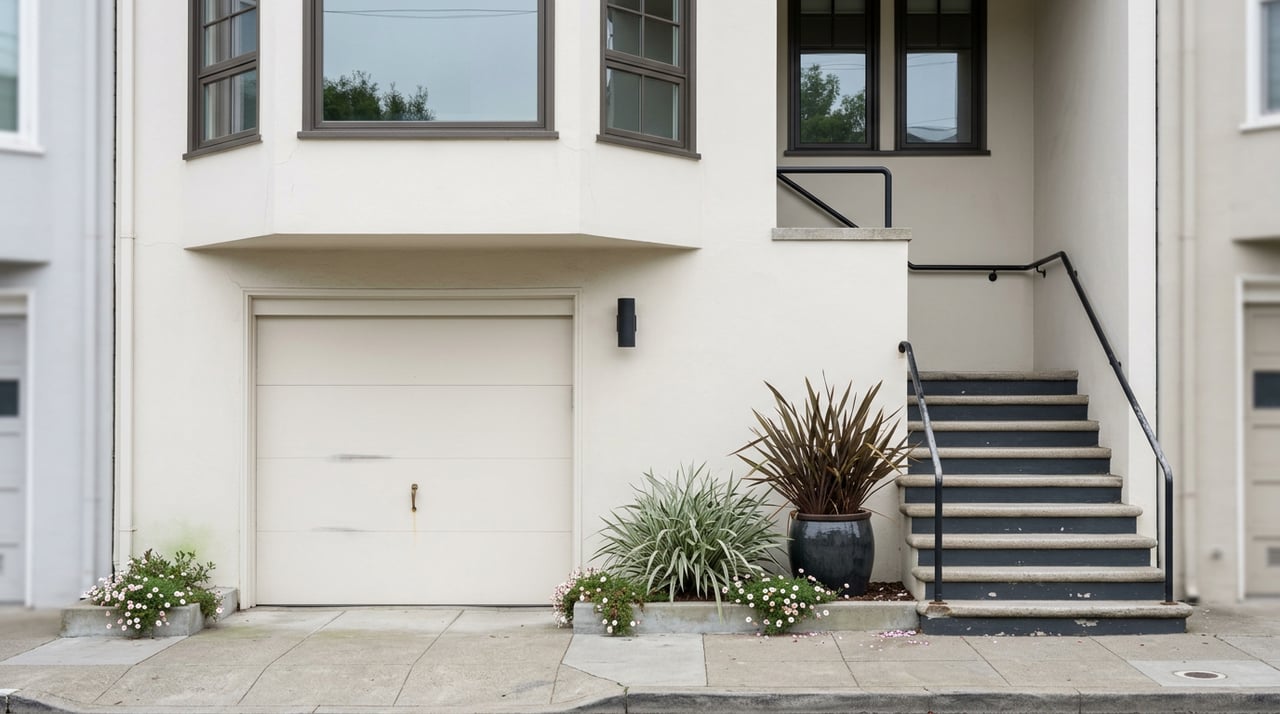
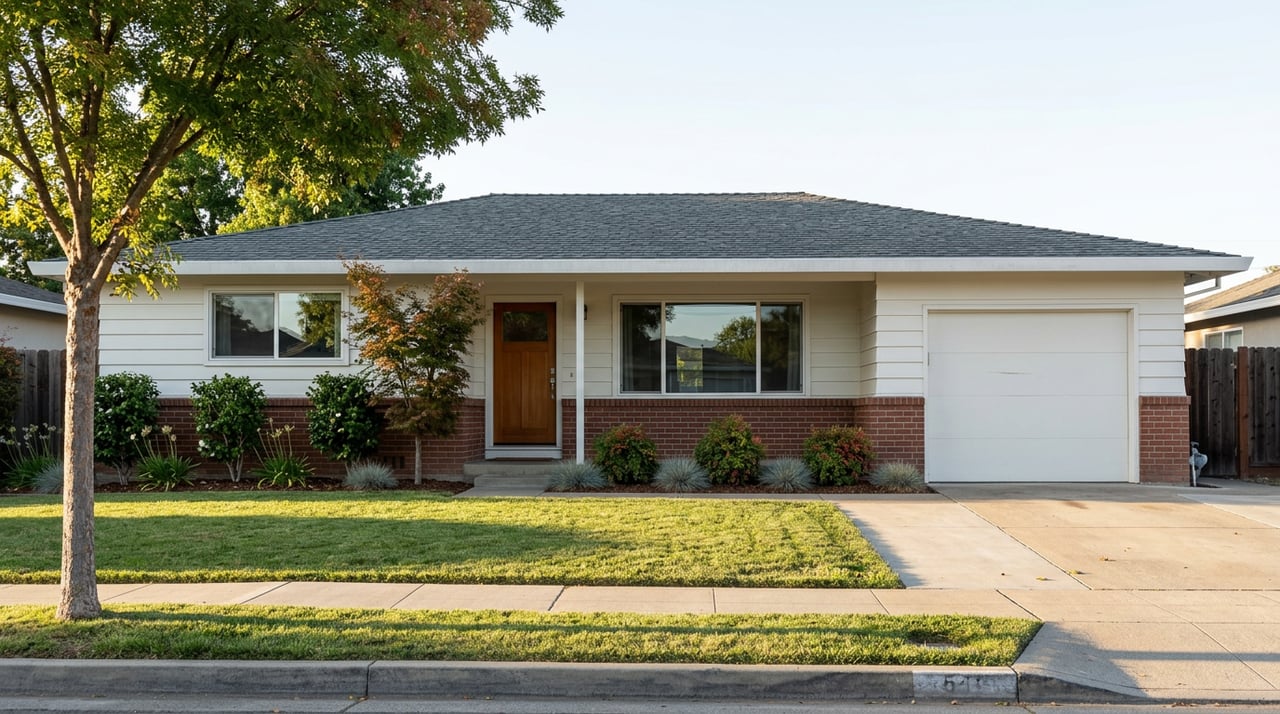
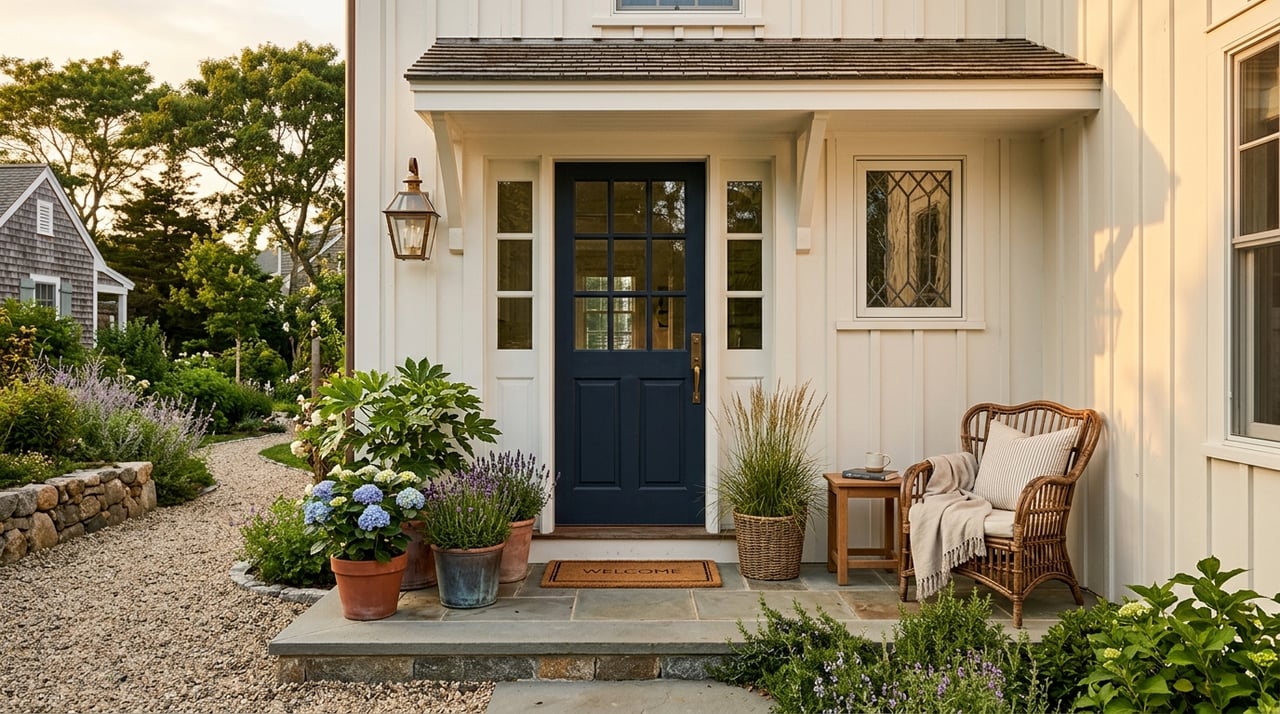
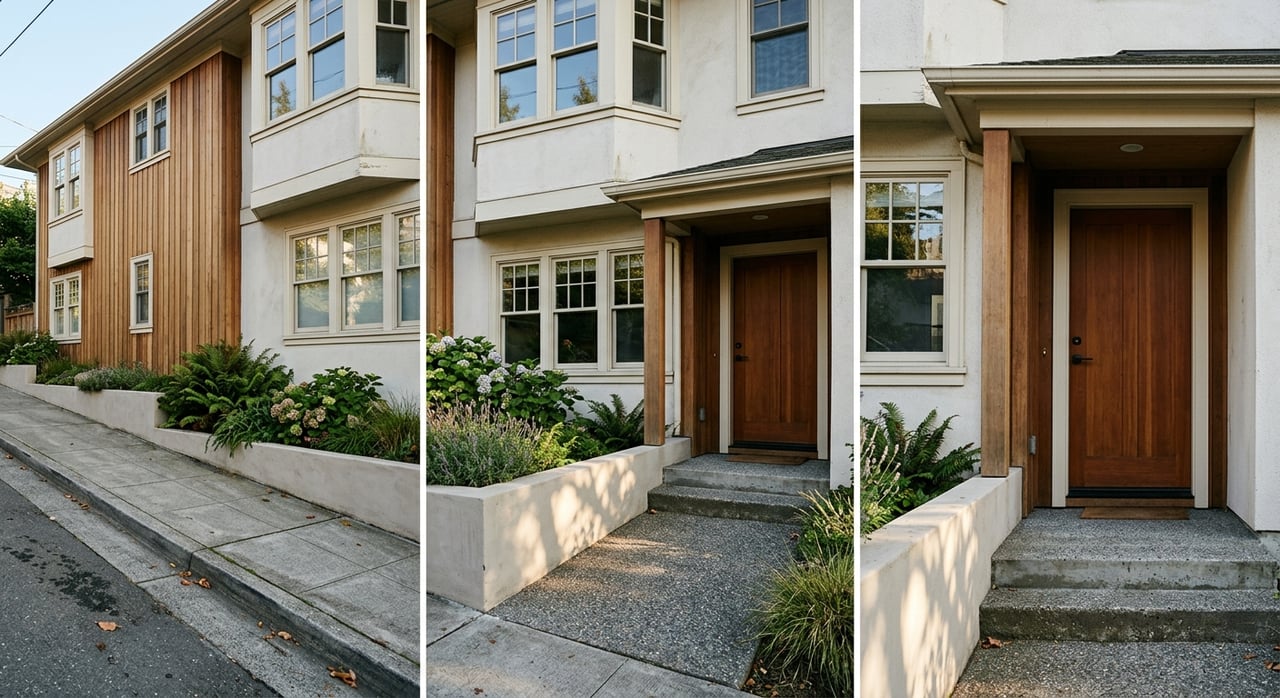
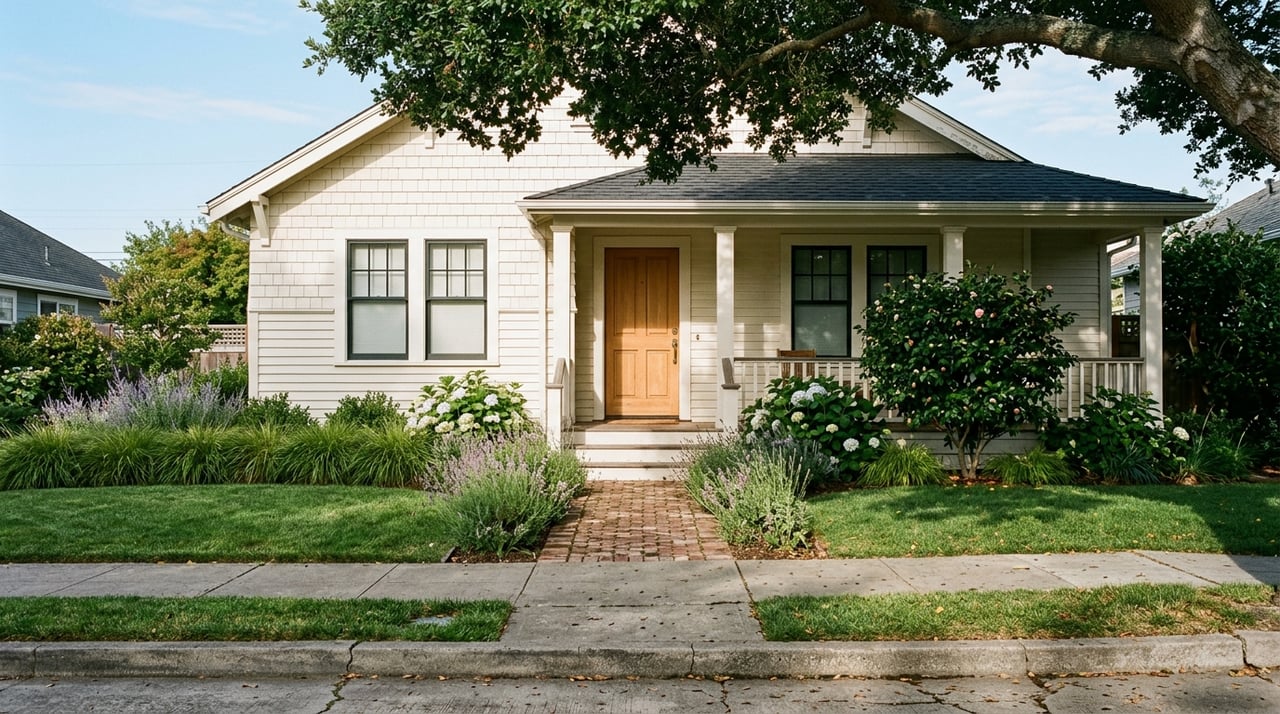
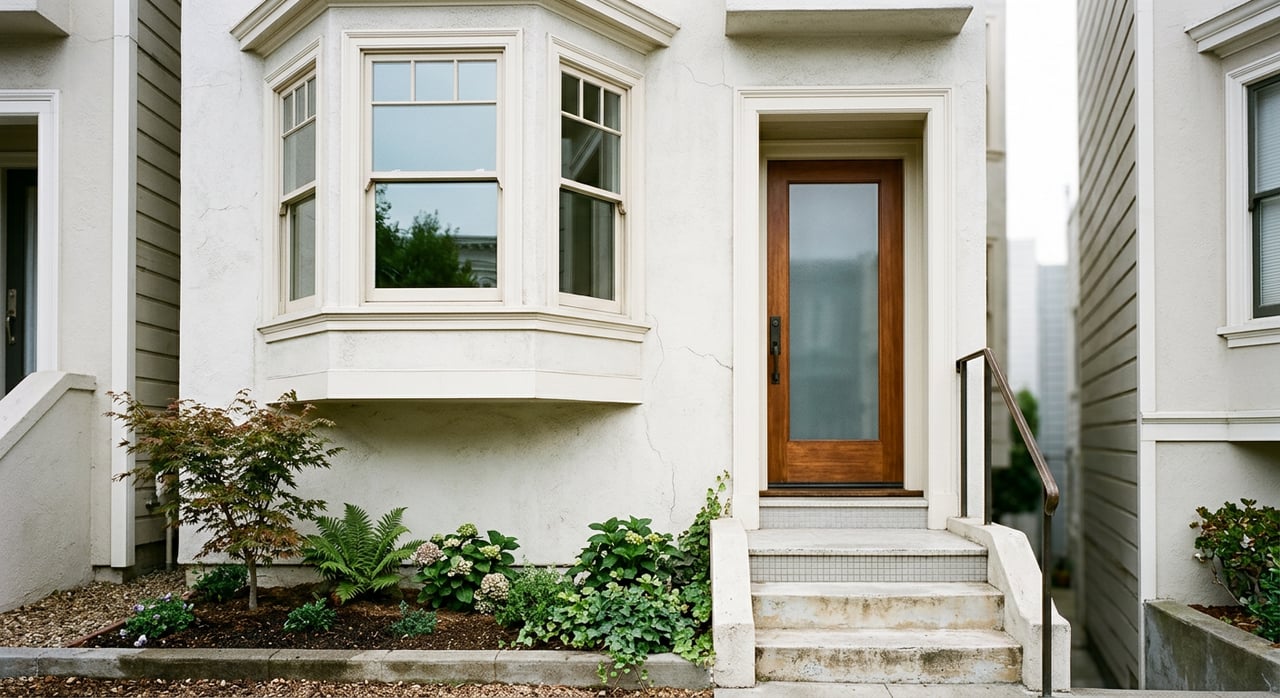
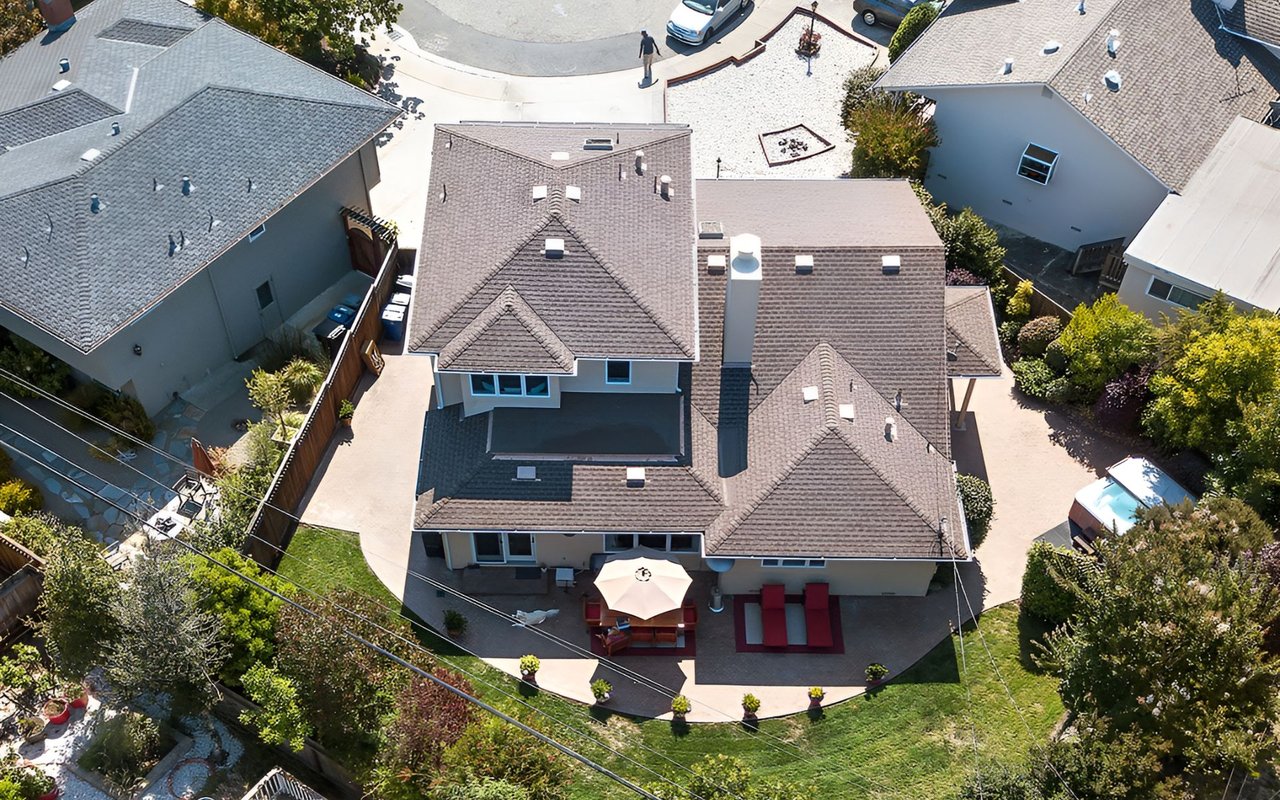
A lot of the neighborhood you see today took shape between 1925 and 1950, after streetcar tunnels and automobile access opened the west side to large-scale residential development. That history still shows up in the Sunset’s low-rise, residential feel and its long stretches of homes that create a more settled pace than many people expect from San Francisco.
Outdoor access shapes everyday life
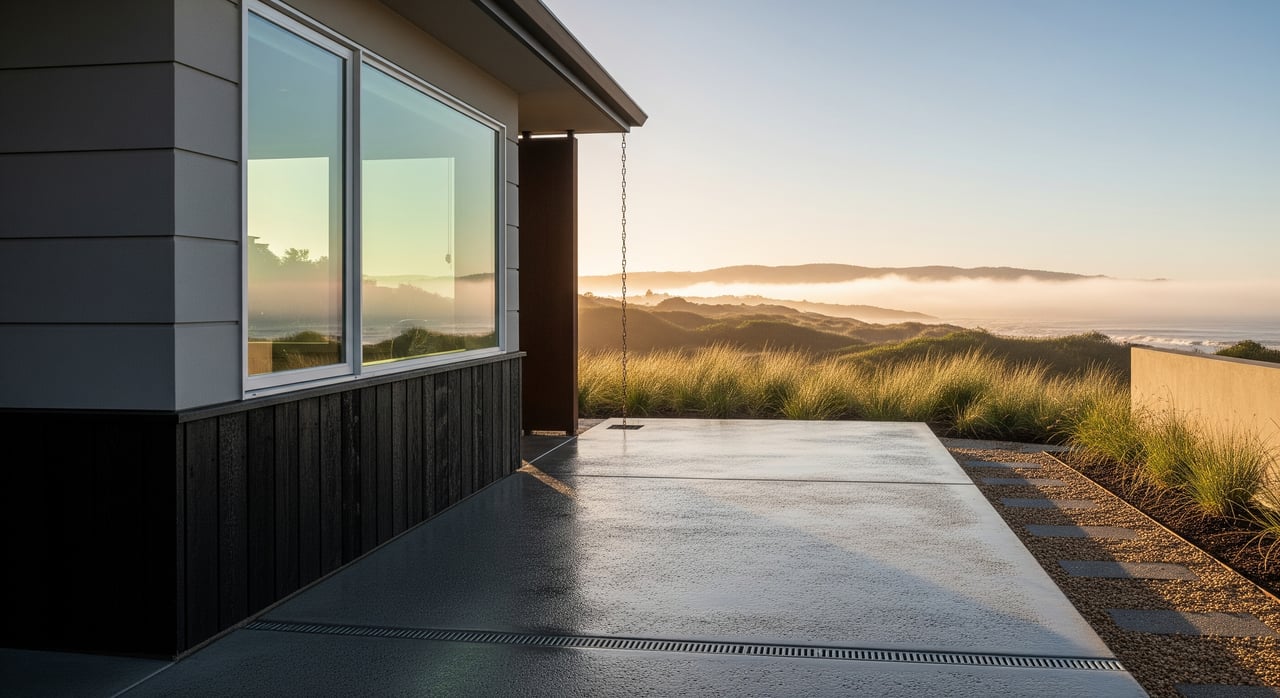
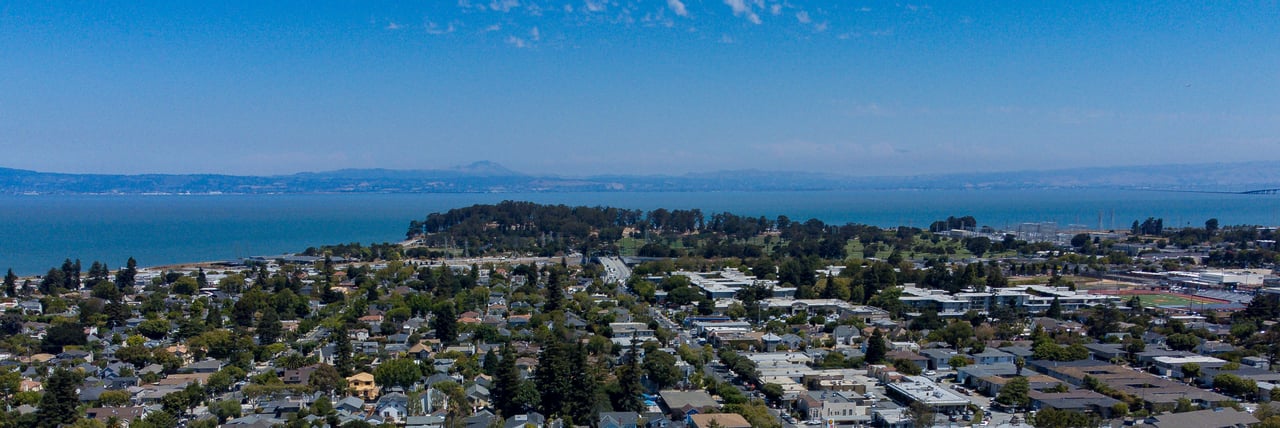
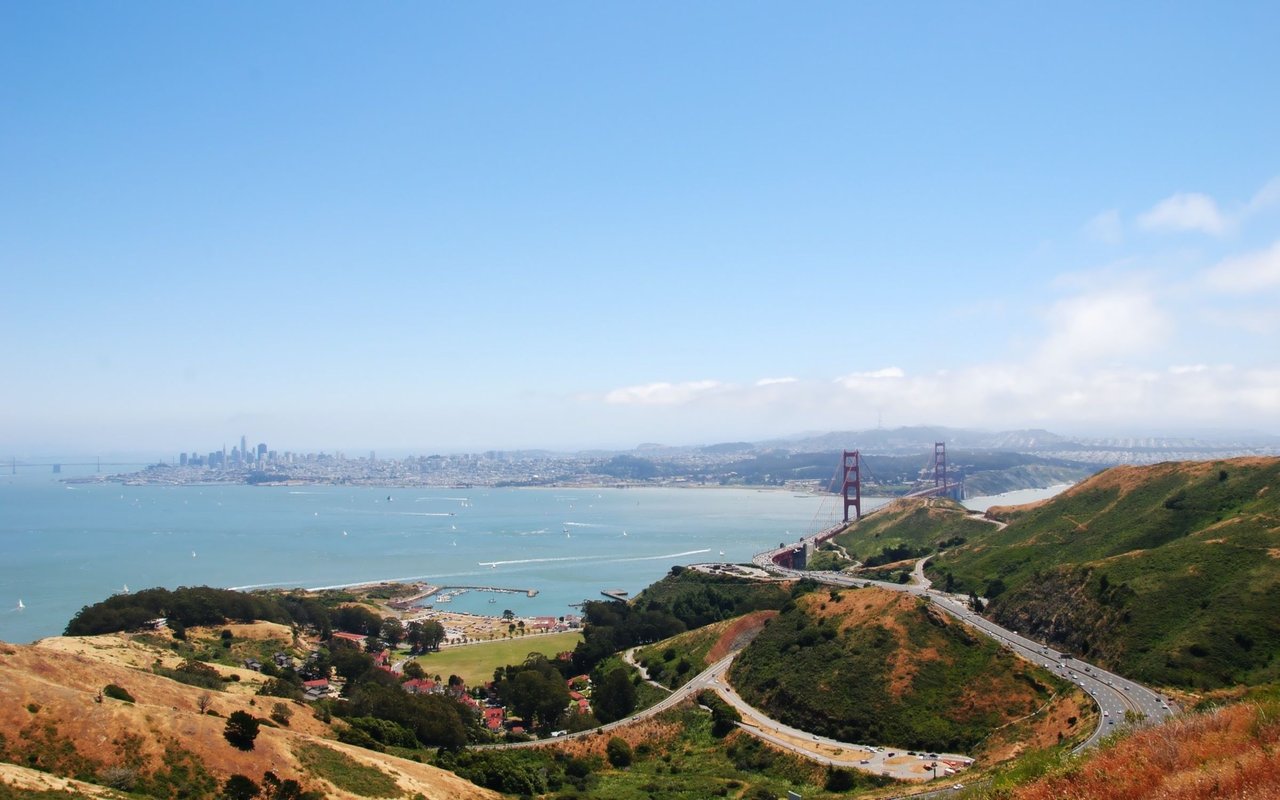
One of the biggest draws of living in the Sunset is how close you are to major open space. On the neighborhood’s western edge, Ocean Beach brings a wide, scenic coastline that feels distinctly separate from the city’s denser core.
Ocean Beach runs for about 3.5 miles along San Francisco’s western edge, next to Golden Gate Park. According to the National Park Service, it is better suited to walking and kite-flying than casual swimming because the water is frigid, the currents are hazardous, and late spring and summer are often foggy with temperatures in the 50s.
That does not make the beach less appealing. It simply means the experience is usually about fresh air, long walks, sunsets, and a stronger connection to the coast than you find in most city neighborhoods.
Golden Gate Park is just as important to Sunset life. San Francisco Recreation and Parks says the park covers 1,017 acres, stretches three miles from Haight-Ashbury to Ocean Beach, and sees about 24 million visits each year.
For many residents, the park feels less like an occasional outing and more like part of the weekly routine. JFK Promenade adds to that experience with a permanent car-free route featuring art installations, public pianos, rest stops, lawn games, and live music, which helps make the park feel welcoming and usable on an ordinary day.
The Sunset has a coastal-urban rhythm
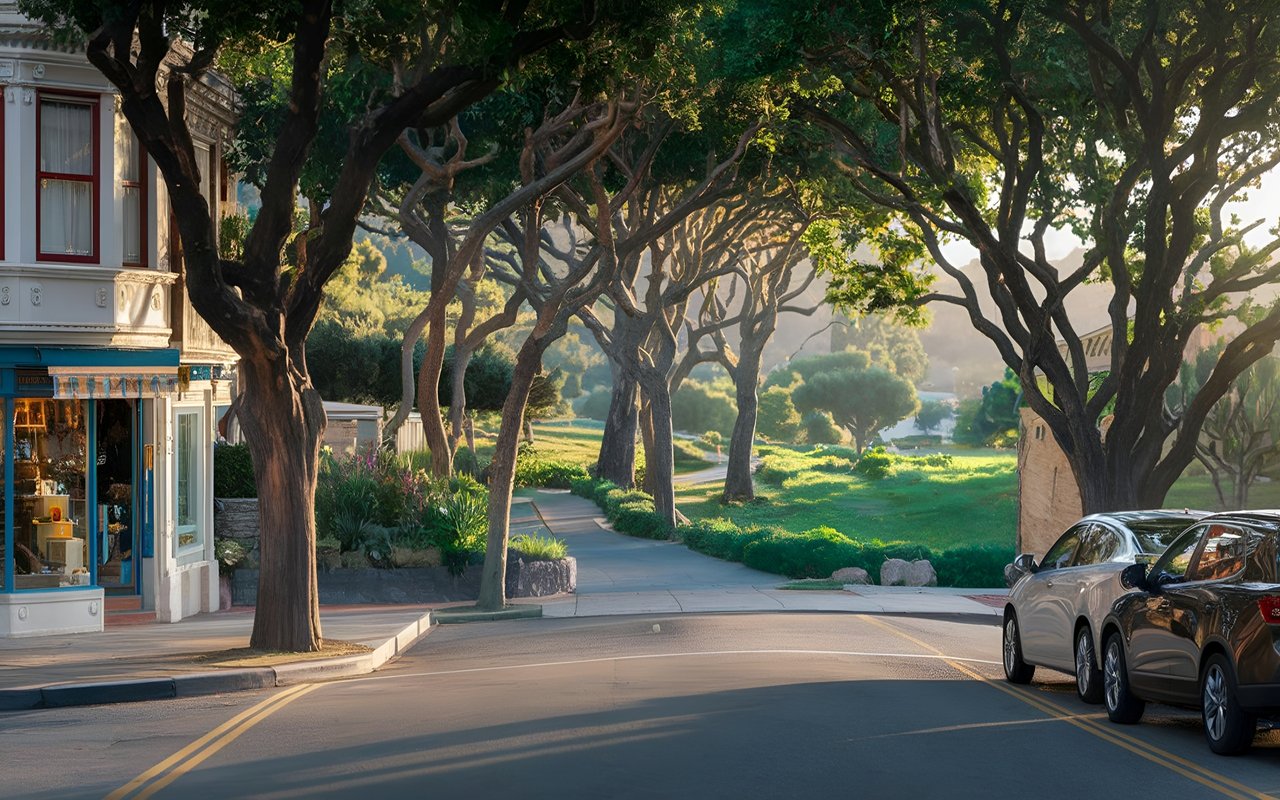
The Sunset often appeals to people who want city living without feeling boxed in. The combination of the coast, the park edge, and long residential blocks creates a setting that feels calmer and more spacious than many other parts of San Francisco.
In practical terms, daily life here often revolves around simple routines. You might grab what you need along a neighborhood commercial corridor, spend part of the afternoon in Golden Gate Park, or head west for a walk by the ocean before dinner.
That rhythm is a big part of the neighborhood’s appeal. It is urban, but it is not always urgent. For buyers especially, that balance can make the Sunset feel more livable over the long term.
Commercial streets keep errands local
The Sunset is not defined by a single downtown-style core. Instead, it functions through several neighborhood commercial corridors that support day-to-day living and keep errands close to home.
SF Planning identifies five official neighborhood commercial districts in the area: Taraval Street, Judah Street, Inner Sunset, Noriega Street, and Irving Street. These corridors are central to how the neighborhood works, and city planning materials also frame them as key areas for greenery, planters, tree planting, cleanup efforts, and public art.
That is useful context if you are thinking about lifestyle, not just map boundaries. In the Sunset, convenience often comes from being near one of these active local streets rather than near a single major retail hub.
Taraval Street as a main-street example
Taraval is one of the clearest examples of the neighborhood’s everyday structure. SFMTA describes Taraval Street as both a commercial district with more than 200 businesses and a residential corridor with about 27,200 people within a quarter-mile radius.
The L Taraval has served the corridor since 1919, and transit materials note its long-standing role in connecting the area from downtown to the ocean. That blend of homes, shops, and transit access helps explain why streets like Taraval play such an important role in the Sunset’s day-to-day convenience.
Transit connects the west side
For many buyers, the Sunset’s west-side location raises a practical question: how easy is it to get around? The answer depends on where in the neighborhood you are, but the district is served by a broad set of Muni routes.
SFMTA neighborhood pages show service that includes the N Judah, L Taraval, 7 Haight/Noriega, 28 19th Avenue, 29 Sunset, and others. SFMTA also notes that the N Judah connects Ocean Beach and the Outer Sunset to the Inner Sunset, then downtown, Mission Bay, and the Caltrain terminal.
That matters if you are comparing the Sunset with other San Francisco neighborhoods. You are not trading away transit entirely for a quieter setting. Instead, you are getting a neighborhood where transit and local commercial streets support daily needs, even while the overall feel remains more residential.
Housing stock has a distinct character
The Sunset’s housing pattern is one of its defining traits. In District 4, which city planning materials use as neighborhood context for the Sunset and Parkside, more than 70% of residential buildings are single-family homes, and 96% of housing units were built before 1960.
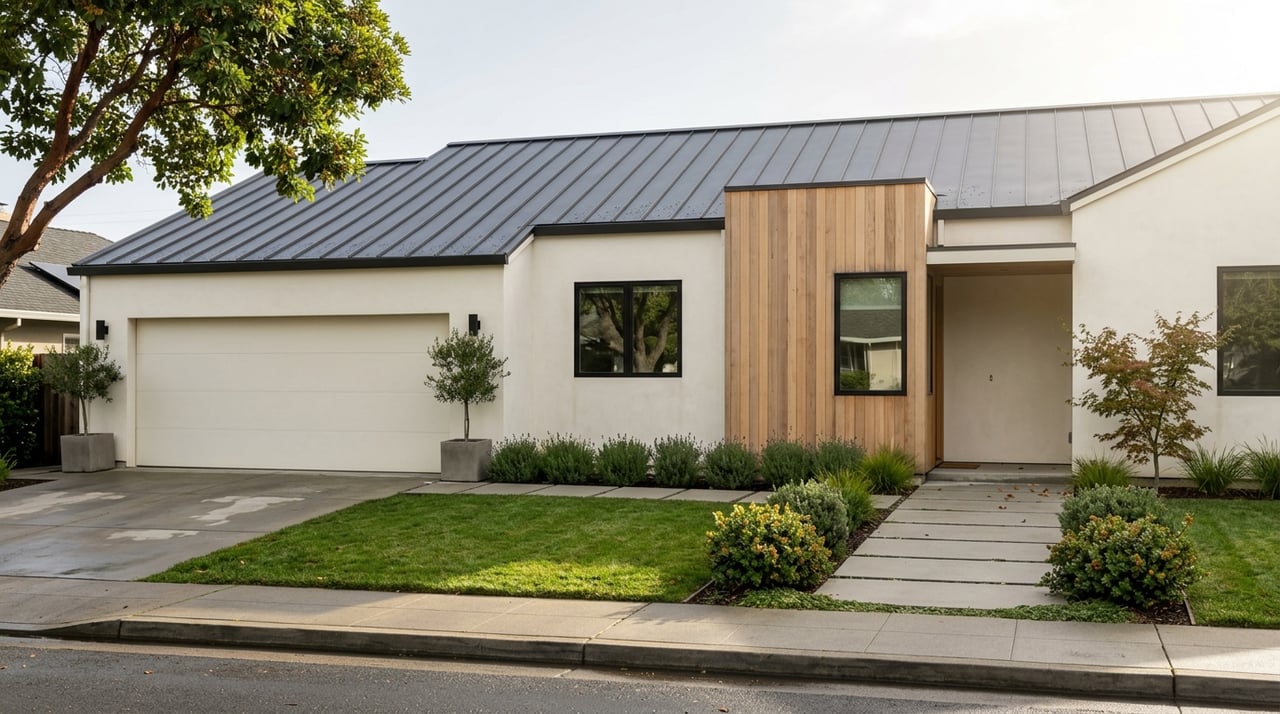
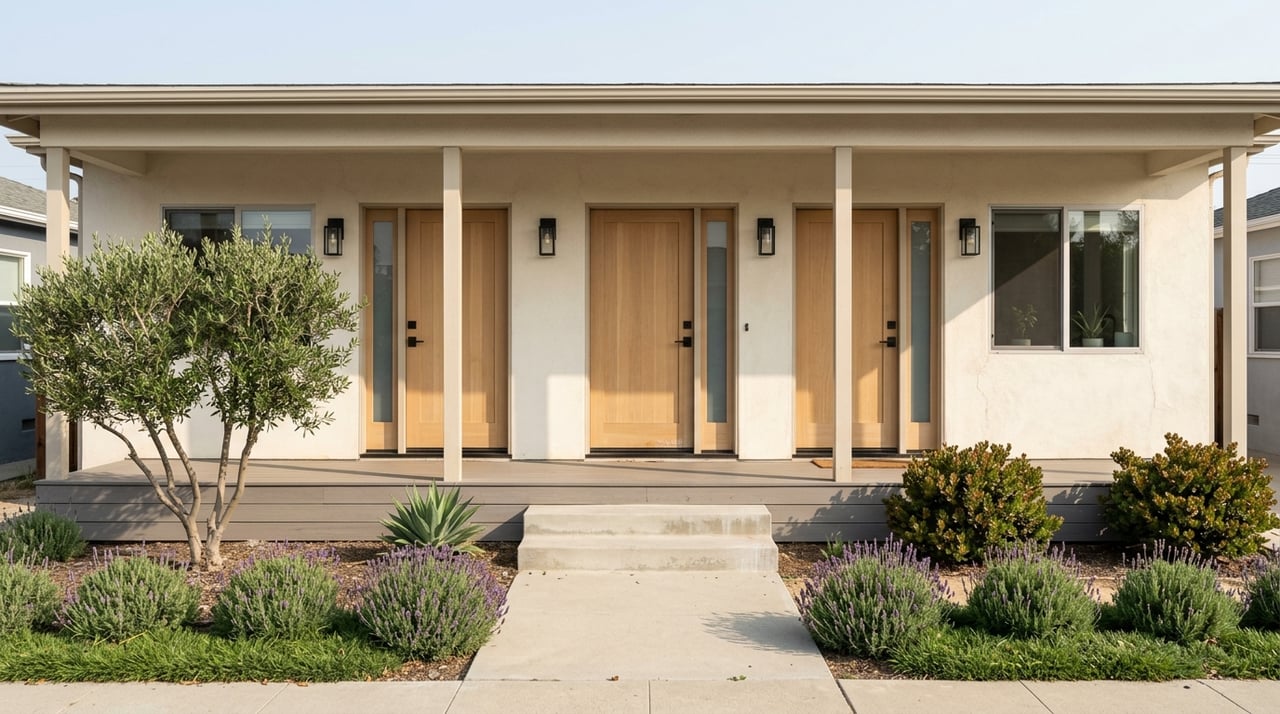
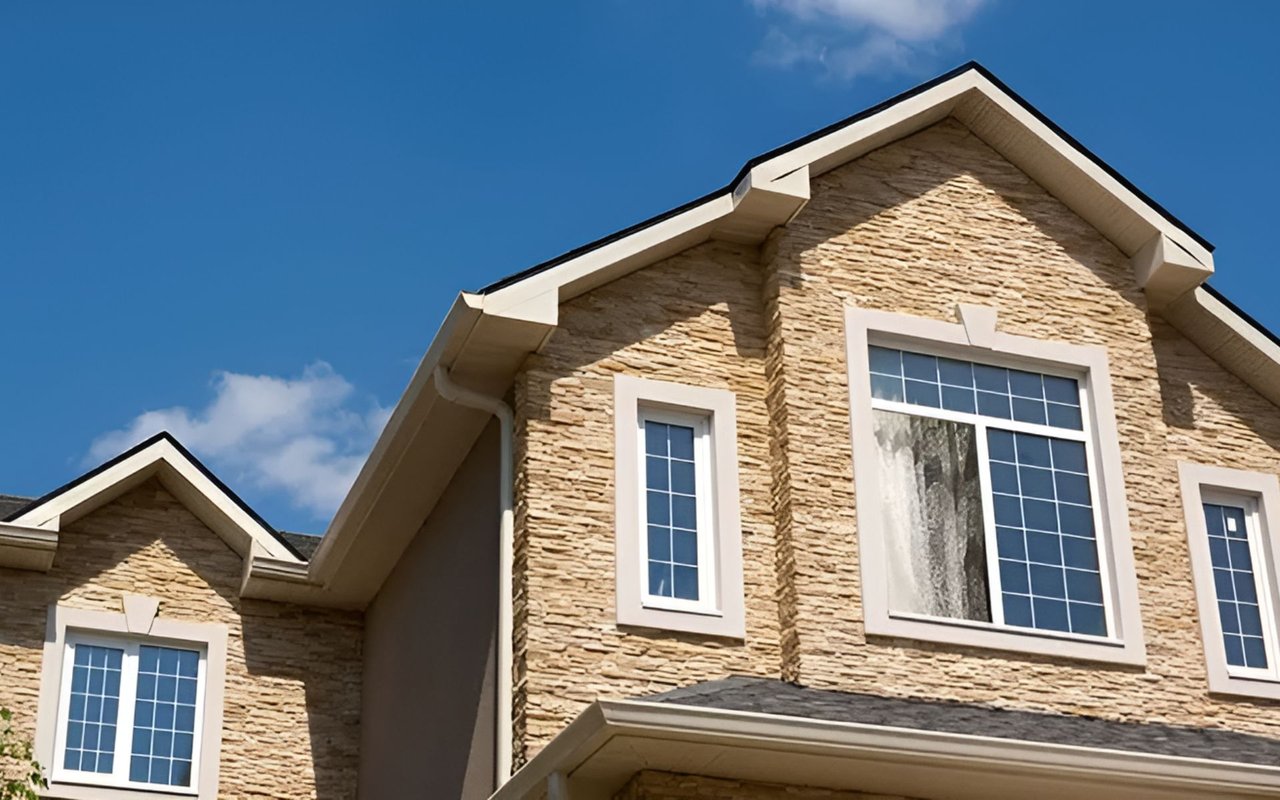
That older housing stock gives the neighborhood a strong sense of continuity. It also means buyers and sellers are often dealing with homes that reflect mid-20th-century development patterns rather than newer high-density construction.
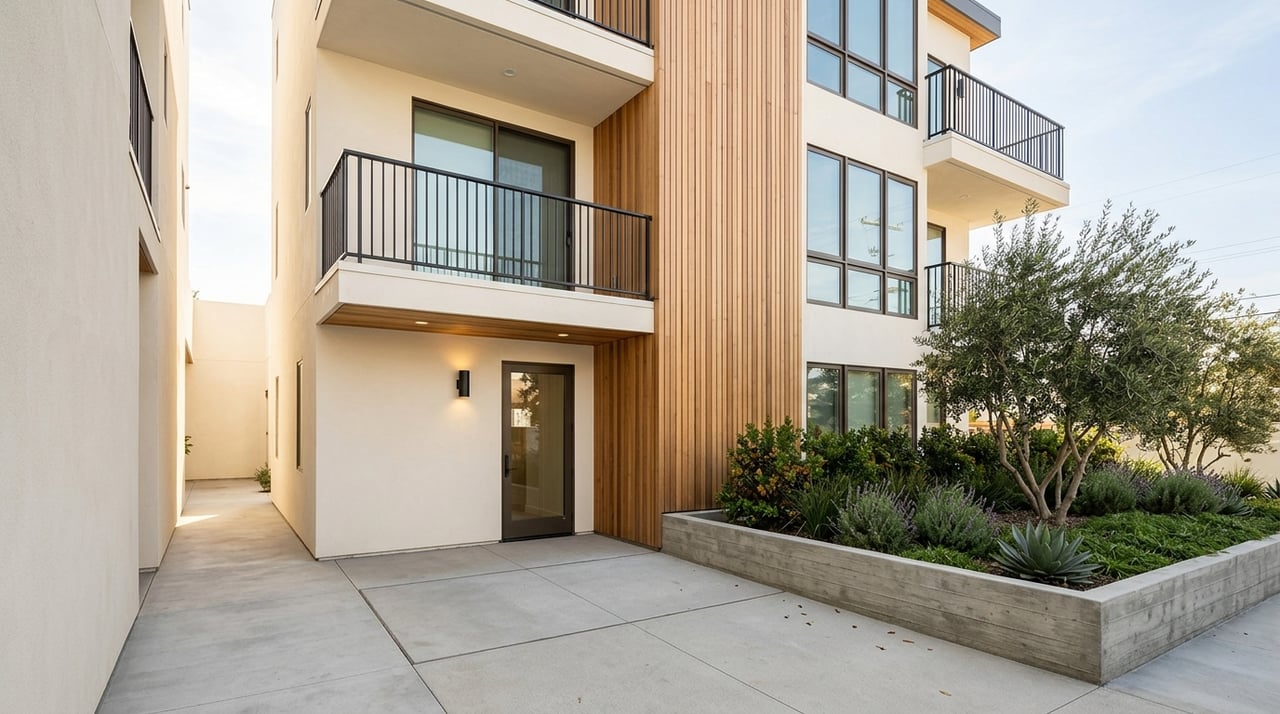
Another useful point from SF Planning is that much of the Sunset was built before modern zoning controls. Because of that, existing density does not always match what zoning allows, which is a reminder that the neighborhood’s built form reflects its history as much as current planning rules.
The community is stable and established
District 4’s 2018 profile shows a mostly owner-occupied residential area, with 61% owner-occupied housing and 39% renter-occupied housing. The average household size is 2.9, which supports the idea of the Sunset as a neighborhood where people often put down roots.
The same profile shows that 22% of households include children and 10% are senior households living alone. Those figures point to a neighborhood with a mix of life stages rather than a single dominant resident profile.
At the same time, housing costs remain a real issue. SF Planning reports that 41% of renters in District 4 pay more than 30% of their income on rent, which is an important reminder that even a neighborhood known for its more relaxed feel still comes with meaningful affordability pressures.
Cultural mix adds depth to the neighborhood
The Sunset is often described as quiet, but quiet does not mean uniform. District 4 planning data shows that 53% of residents identify as Asian, 42% are foreign-born, and 14% of households are limited English-speaking households.
That helps explain why the Sunset often feels like an everyday neighborhood with broad cultural texture rather than a one-note beach district. For residents, that can show up in the businesses along local corridors, the range of households in the area, and the neighborhood’s steady, lived-in character.
What buyers should know about Sunset living
If you are considering a move to the Sunset, it helps to look beyond postcard images of the beach. The neighborhood works best for people who value a residential setting, consistent access to outdoor space, and local commercial streets that support daily life.
A few practical takeaways stand out:
- You get meaningful outdoor access through Ocean Beach and Golden Gate Park.
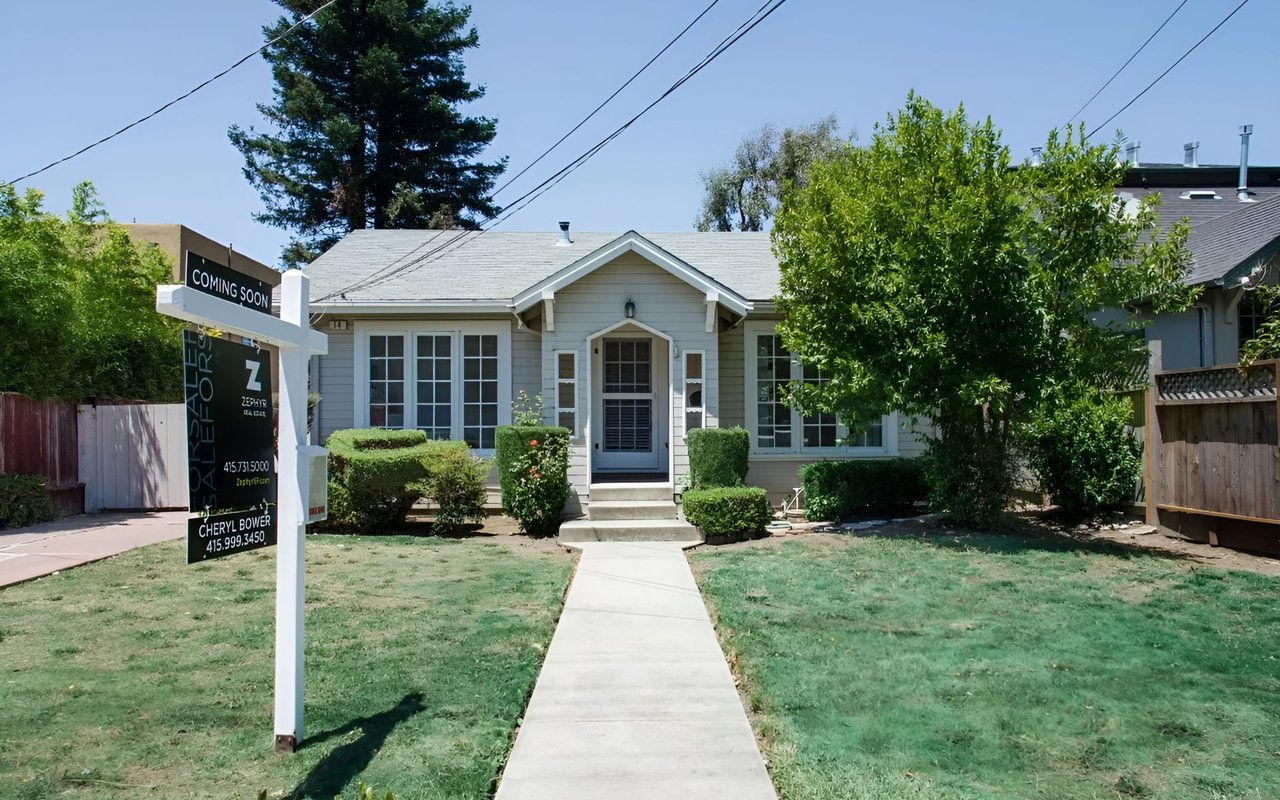
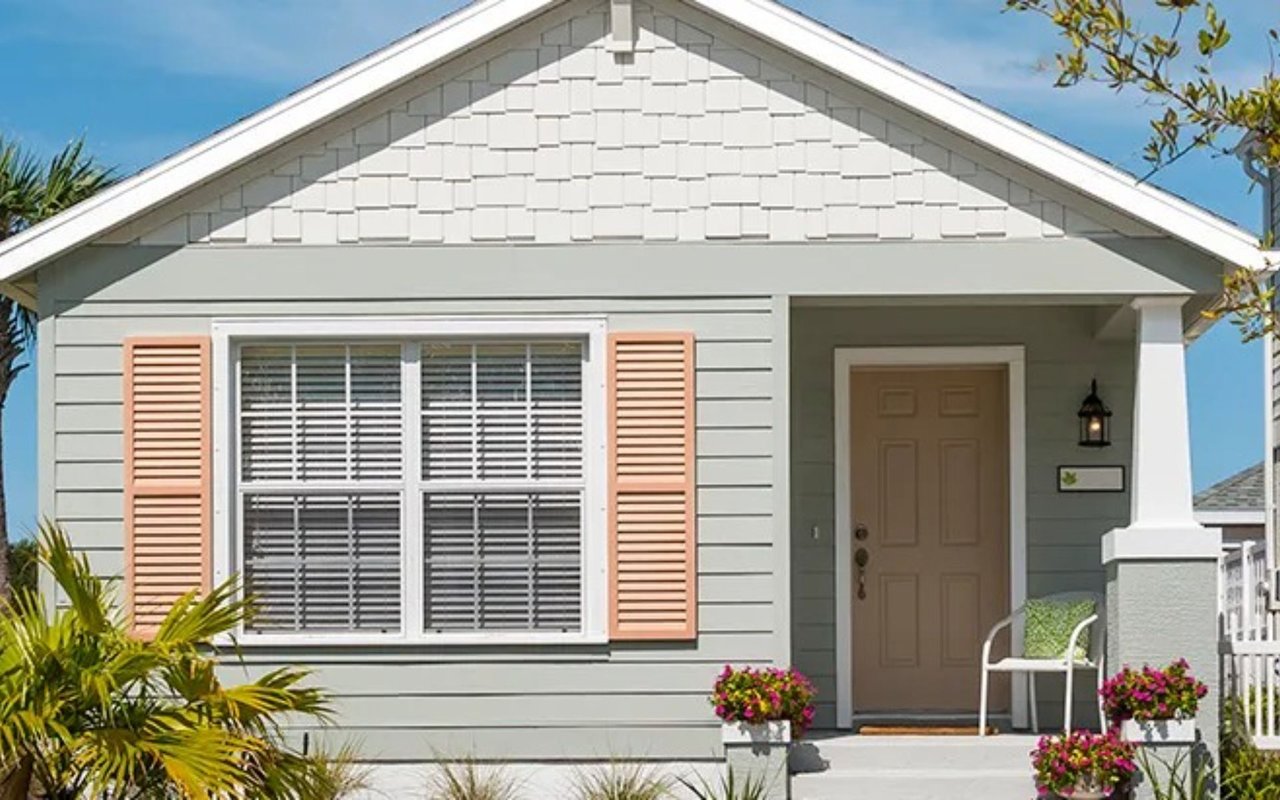
- Housing tends to be older and low-rise, with a strong concentration of single-family homes.
- Daily errands often revolve around commercial corridors like Taraval, Judah, Noriega, Irving, and Inner Sunset.
- Transit is part of the equation, especially through routes like N Judah and L Taraval.
- The neighborhood feels established, with a stable residential base and a broad cultural mix.
For buyers who want a San Francisco neighborhood that feels more grounded and less compressed, the Sunset can offer a compelling mix of space, routine, and access.
What sellers can highlight
If you are preparing to sell in the Sunset, the neighborhood story matters. Buyers are often responding not only to the home itself, but also to the lifestyle the location supports.
That means strong marketing should clearly frame the practical benefits of the area. Proximity to Golden Gate Park, Ocean Beach, Muni lines, and neighborhood commercial corridors can all help buyers picture how daily life works.
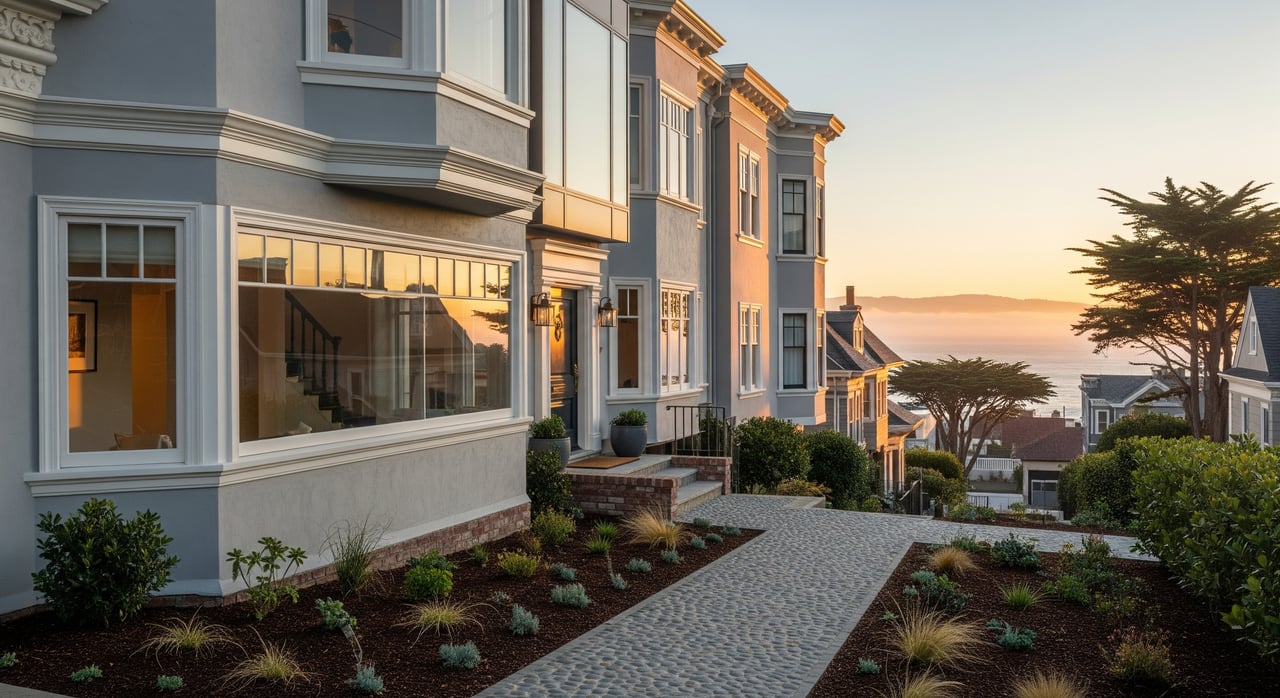
It is also worth highlighting the Sunset’s established housing character. Because so much of the area was built before 1960 and remains low-rise and residential, buyers often see the neighborhood as offering a more consistent physical environment than some other parts of the city.
For sellers, that is where thoughtful positioning and polished presentation can make a difference. A well-prepared home and a clear neighborhood narrative can help your listing connect with buyers who are specifically searching for the Sunset lifestyle.
If you are exploring a move in the Sunset District or thinking about how to position your home for today’s market, Cheryl Bower can help you navigate the process with local insight, steady guidance, and a thoughtful strategy tailored to your goals.
FAQs
What is the Sunset District in San Francisco known for?
- The Sunset District is known for its west-side location, low-rise residential character, access to Ocean Beach and Golden Gate Park, and neighborhood commercial corridors like Taraval, Judah, Noriega, Irving, and Inner Sunset.
How big is the Sunset District in San Francisco?
- City historic planning materials describe the Sunset as San Francisco’s largest neighborhood at about 4.5 square miles.
What is Ocean Beach like near the Sunset District?
- Ocean Beach is a 3.5-mile stretch along San Francisco’s western edge that is popular for walking and kite-flying, while the water is generally considered too cold and hazardous for casual swimming.
How does transit work in the Sunset District?
- The Sunset is served by several Muni routes, including N Judah, L Taraval, 7 Haight/Noriega, 28 19th Avenue, and 29 Sunset, with N Judah connecting the west side to the Inner Sunset, downtown, Mission Bay, and the Caltrain terminal.
What kind of housing is common in the Sunset District?
- District 4 planning data shows that more than 70% of residential buildings are single-family homes, and 96% of housing units were built before 1960.
Is the Sunset District more residential than commercial?
- Yes. The Sunset is primarily a low-rise residential neighborhood, with daily shopping and services concentrated along several neighborhood commercial corridors rather than one central business district.