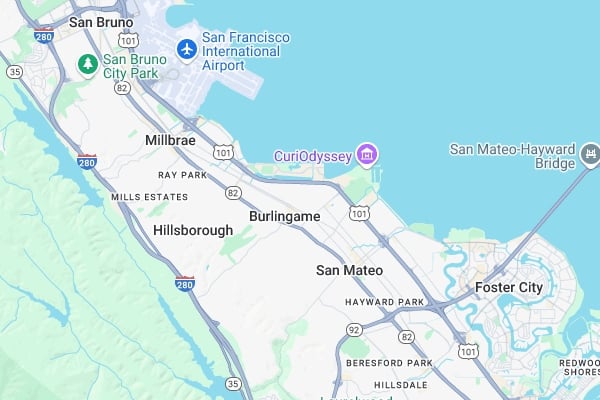
The City of Burlingame, CA is working on its updated master plan for bicycle and pedestrian accommodations. As part of this initiative, the city is conducting a community workshop on Wednesday, November 20, to begin receiving input from residents regarding the plan that has been laid out so far.
The workshop takes place from 6:30–8:30 p.m. in Lounges I and II at the Burlingame Recreation Center, located at 850 Burlingame Ave. This event will give residents the opportunity to view the preliminary Draft Recommendations and voice their opinions. The public comment period will also begin on the same day.
What’s in the Updated Master Plan?
The updated master plan aims to improve the network of bicycle and pedestrian paths throughout Burlingame. The current network already includes:
-
Bay Trail connections
-
Pedestrian accommodations
-
On-street bike routes
-
Street and highway crossings
City leaders are specifically seeking a better understanding of issues related to public safety, including:
-
Local trouble spots
-
Community challenges
-
General public feedback on walking and biking in Burlingame
Project Timeline and Phases
The first two phases of the master plan are already underway:
-
Phase I began in spring 2019 and continued through the summer. It served as the project kickoff, including a review of existing bicycle and pedestrian facility conditions.
-
Phase II also began in the summer of 2019 and focused on identifying potential infrastructure improvements.
-
Phase III is scheduled for winter 2020 and will involve reviewing the draft plan and public comments, and determining final priorities.
Further public outreach scheduling will be determined after Phase III.
Why a Bicycle and Pedestrian Master Plan?
An article by the U.S. National Library of Medicine and the National Institutes of Health (NIH) highlights the importance of improving walking and biking infrastructure for public health.
Not only do these upgrades enhance safety, but they also:
-
Encourage outdoor physical activity
-
Make it easier for residents—especially those with weight-related health risks—to substitute driving with walking or biking on short trips
-
Support the integration of healthy exercise into daily routines