Buying in Glen Park can feel simple at first glance, then surprisingly nuanced once you look block by block. You may be drawn to the village feel near Diamond and Chenery, the convenience of BART, or the open space around Glen Canyon Park, but those same features can affect price, access, parking, and competition in very different ways. If you want to buy with confidence, the key is to match your priorities to the right micro-pocket, study the right comparable sales, and stay ready to move when the right home appears. Let’s dive in.
Start With Glen Park's Micro-Pockets
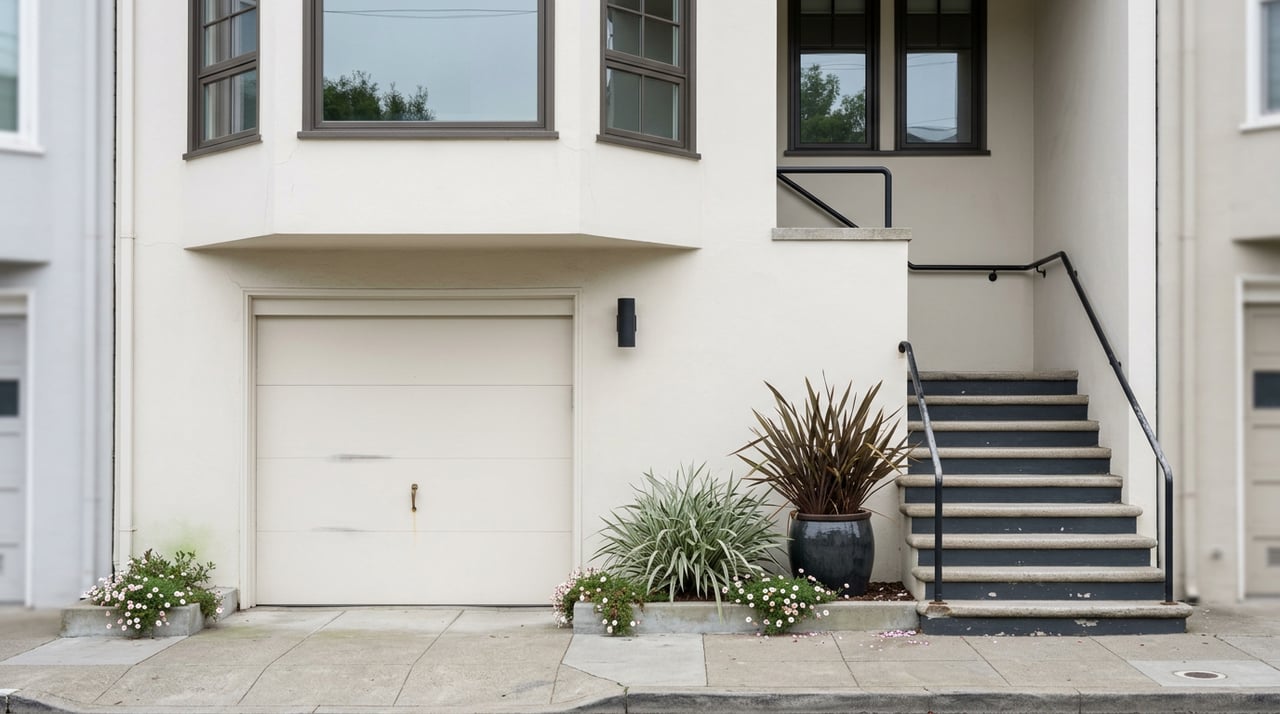
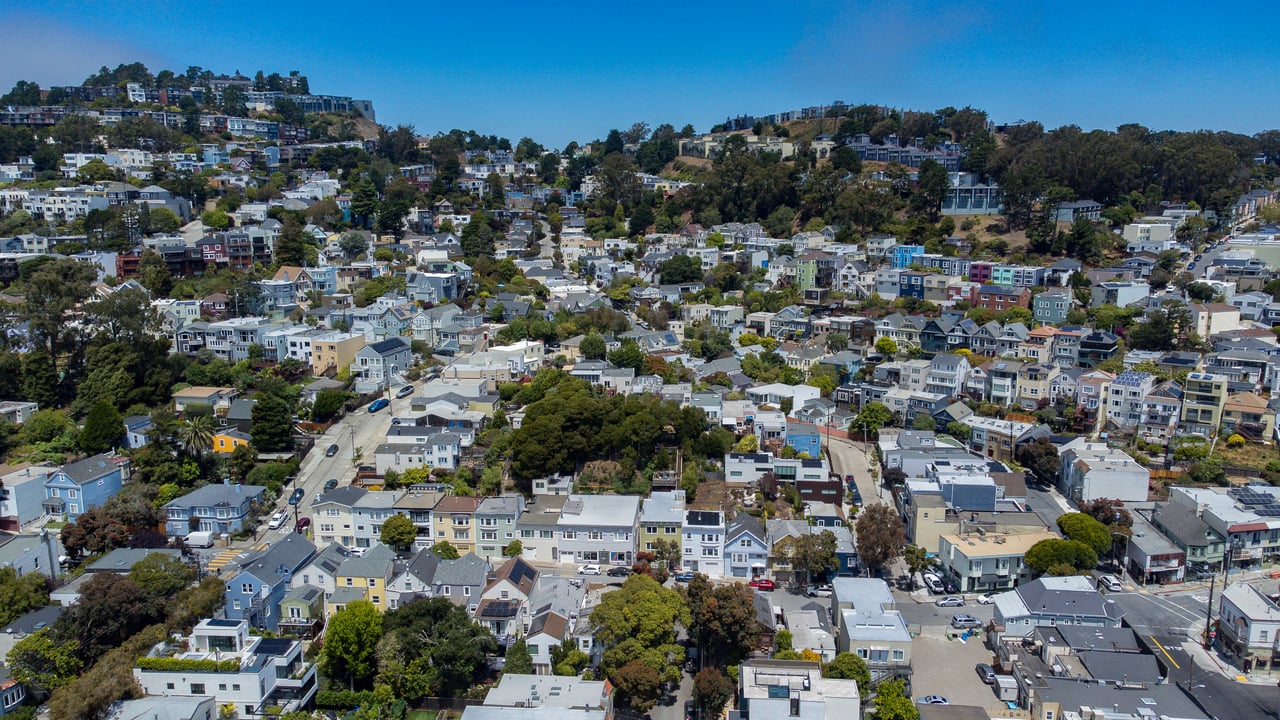
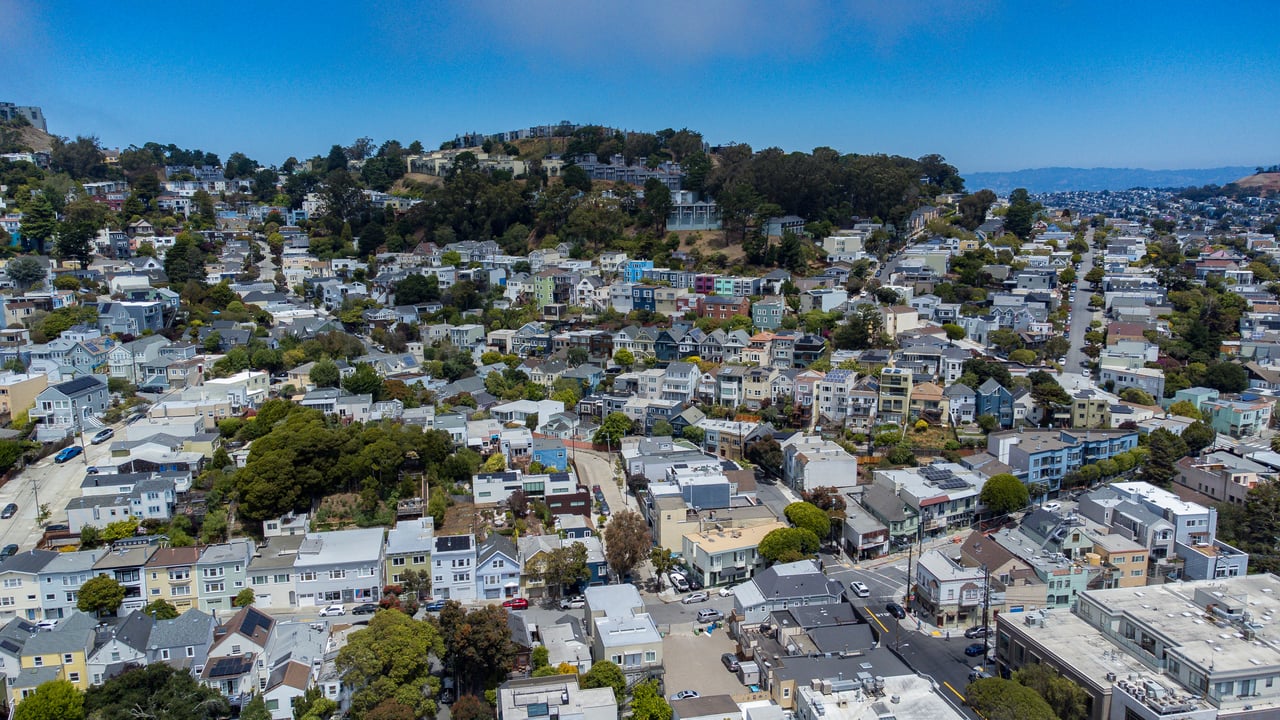
Glen Park is not a one-note neighborhood. San Francisco Planning describes it as a valley neighborhood with steep topography, a village center along Diamond and Chenery Streets near the BART station, and only limited future development sites in the commercial core. For you as a buyer, that means supply is constrained and value can shift meaningfully from one block to the next.
A smart search starts with the kind of location you want, not just the number of bedrooms on a listing. In practical terms, Glen Park often breaks down into three useful areas: the BART and village core, canyon-adjacent streets, and hillside or view-oriented pockets.
BART and Village Core
If commute ease and walkable errands matter most, the village core may be your best fit. BART places Glen Park Station at 2901 Diamond Street at Diamond and Bosworth, and SF.gov notes the neighborhood has access to the station, the J-Church light rail, seven SF Muni bus lines, and Highway 280.
This part of Glen Park can offer strong day-to-day convenience. It can also come with more activity, tighter parking conditions, and a faster pace than some quieter residential blocks.
Canyon-Adjacent Streets
If you want quick access to outdoor space, streets near Glen Canyon Park may stand out. San Francisco Recreation and Park describes Glen Canyon Park as a 66.6-acre recreation area with hiking trails, a playground, two baseball fields, two tennis courts, and a recreation center.
For many buyers, this area offers a strong lifestyle pull. At the same time, proximity to canyon terrain can make slope, drainage, stairs, and access more important parts of your evaluation.
Hillside and View Pockets
Some buyers prioritize privacy, outlooks, or sunlight over being steps from transit. In Glen Park, hillside locations can offer a different living experience than the flatter village core.
These homes may feel more tucked away, but that tradeoff can affect parking, stair access, and how easy it feels to move around without a car. This is why your first decision should be which advantages matter most to you.
Know What Drives Glen Park Competition
Glen Park is currently a very competitive market, according to Redfin. Over the three months ending May 2026, Redfin reports a median sale price of $1,937,848, a median of 15 days on market, and 21 homes sold.
Inventory also remains tight. Redfin shows 13 homes for sale, which helps explain why well-positioned buyers need to be ready to act quickly when a strong match comes up.
That said, speed alone is not the whole story. Glen Park rewards buyers who move quickly and stay disciplined about value.
Use Sold Comps, Not Just List Price
One of the biggest mistakes buyers can make in Glen Park is treating list price like a reliable predictor of final value. Recent sales show a wide range of outcomes, which suggests that asking price can be a strategy rather than a finish line.
In a recent sample reported by Redfin, 834 Congo Street sold for $1,575,000 after listing at $1,095,000, while 366 Chenery Street sold for $3,350,000 after listing at $3,300,000. Other examples fall across a broad middle range, including 48 Sussex Street at $1,825,000 after listing at $1,598,000, 373 Chenery Street at $2,150,000 after listing at $1,495,000, and 44 Nordhoff Street at $2,850,000 after listing at $1,895,000.
The lesson is clear: you should not assume every home will sell far over asking, and you should not assume list price reflects market value. Instead, anchor your strategy to recent sold homes that truly match the property you are considering.
What Makes a Comp Relevant
The best comparable sale is not just nearby. It should be similar in size, condition, renovation level, lot characteristics, and micro-location.
A home near the village core may not compare well to one on a quieter hillside block. A canyon-edge property with more stairs, different access, or distinct outdoor conditions may also need its own comp set.
Match Your Offer to the Right Block
In Glen Park, block selection often matters before property selection. Because the neighborhood combines transit convenience, open-space access, steep terrain, and limited supply, your offer strategy should reflect the specific block and home type you are targeting.
If you are focused on the BART and village area, convenience may be a major value driver. If you are looking near the canyon or in hillside pockets, privacy, outlook, sunlight, and access may carry more weight.
This is where a calm, process-driven approach matters. You want to compare the home to recent sales with similar strengths and tradeoffs, rather than relying on broad San Francisco averages.
Get Financing Ready Before You Tour Seriously
In a market with a 15-day median time on market and limited inventory, preparation matters. If you wait until you find the right home to organize financing, you may already be behind.
A strong buyer position usually includes:
- A fully documented preapproval
- Current proof of funds for your down payment
- Current proof of funds for closing costs
- A clear comfort level on budget
- A plan for how much contingency protection you want before writing
This kind of preparation helps you act quickly without feeling rushed. It also gives you a better framework for making clear decisions under pressure.
Inspect for Glen Park-Specific Issues
Every home is different, but Glen Park's topography and transit-oriented layout make certain issues especially important to review. The neighborhood's steep terrain, canyon setting, and constrained station parking can shape how a home functions day to day.
As you evaluate a property, pay close attention to practical details that may affect both livability and pricing.
Key Items to Evaluate
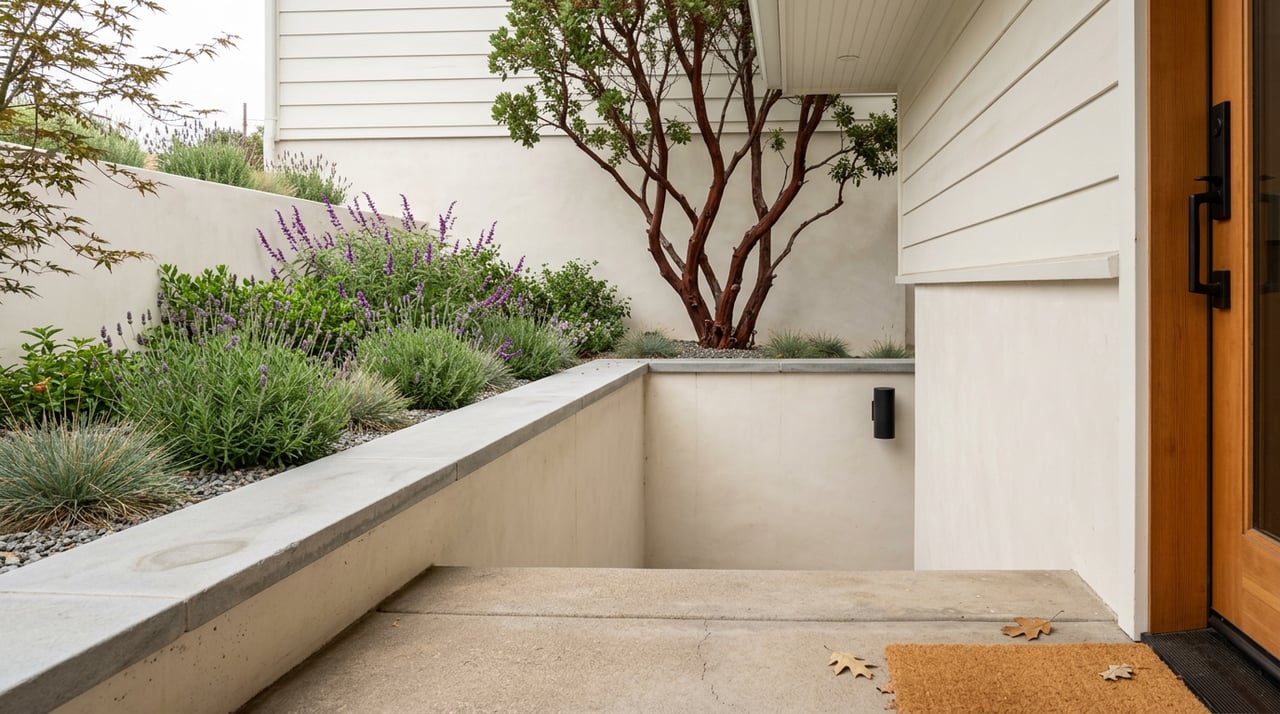
- Slope and drainage
- Stairs and ease of access
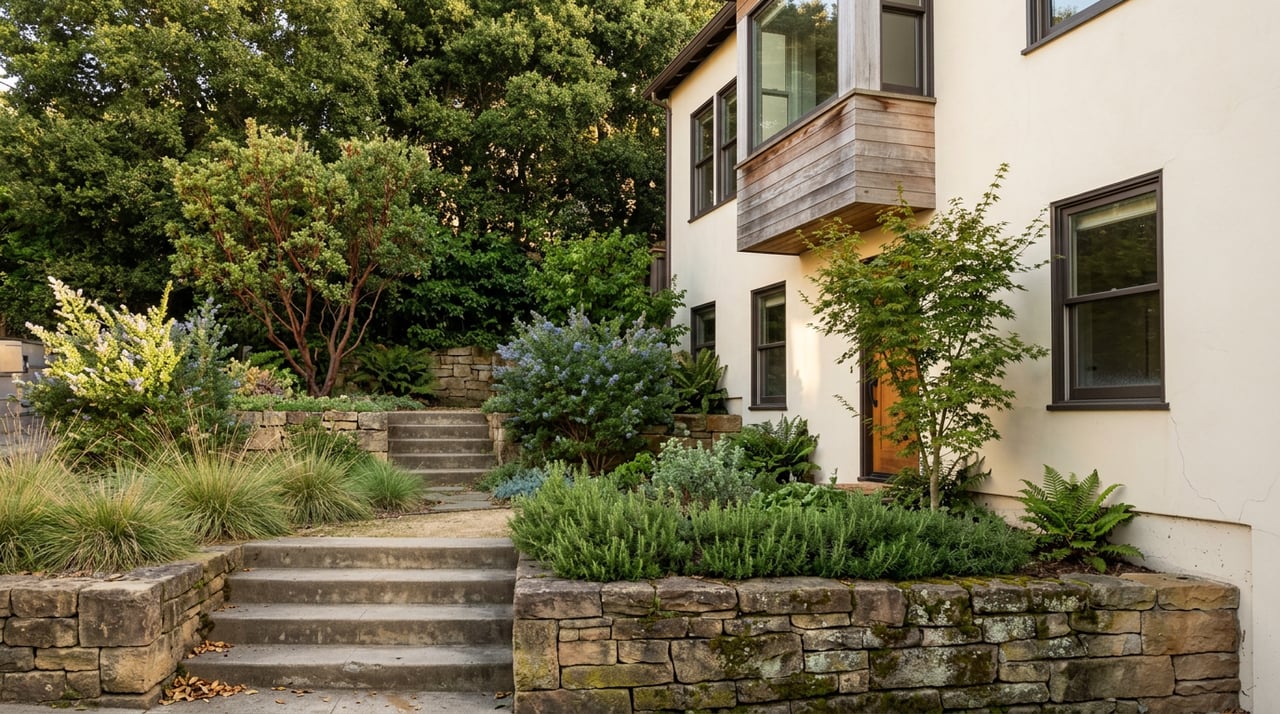
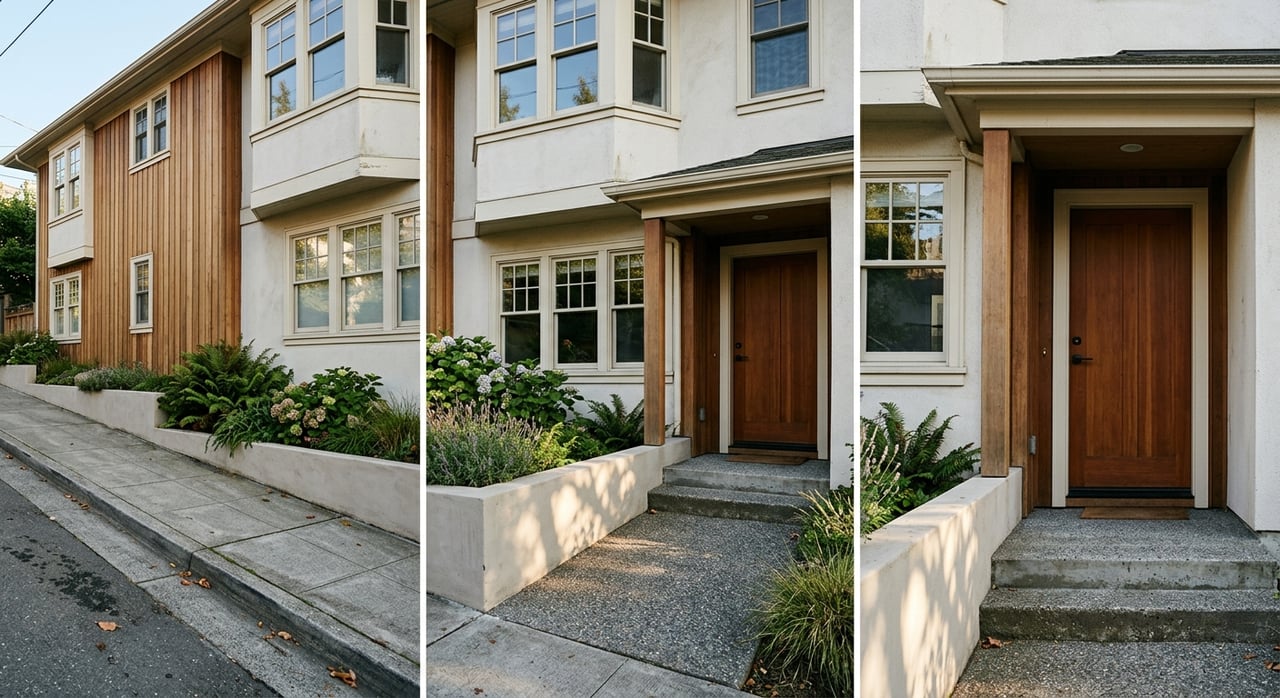
- Retaining walls
- Parking logistics
- Whether the home feels better suited to transit-based living or car-based living
These factors do not automatically make a home better or worse. They simply need to be priced and understood correctly before you write an offer.
Remember That Glen Park Offers More Than Detached Homes
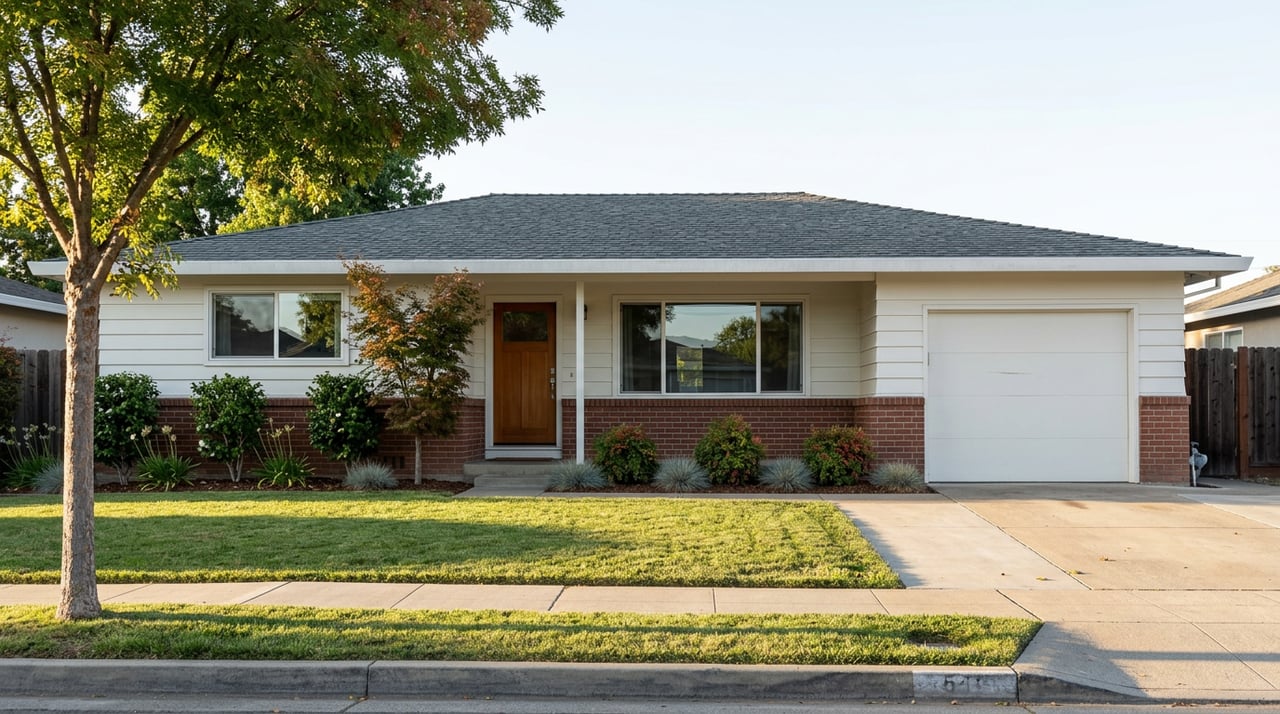
If you picture Glen Park only as a single-family market, you may miss good opportunities. Redfin neighborhood data also shows condo and multi-family activity alongside detached homes.
That can matter if you are a first-time buyer, a relocator, or someone who wants an entry point into the neighborhood without stretching for a classic detached house. In a supply-constrained area, flexibility on property type can widen your options.
A Strategic Glen Park Buying Plan
If you want a simple framework, keep your process focused on four steps. This approach fits the way Glen Park behaves as a neighborhood with distinct micro-pockets, limited supply, and fast-moving listings.
1. Choose Your Micro-Pocket
Decide what matters most to you before you fall in love with a listing. Be honest about your priorities, whether that is commute convenience, park access, privacy, views, sunlight, parking, or quieter residential character.
2. Review the Right Sold Homes
Use recent comparable sales that match the home's location, condition, and overall profile. Avoid using broad city averages or unrelated blocks to justify your price expectations.
3. Prepare Your Financing
Have your paperwork, funds, and decision-making framework in place early. In a competitive market, readiness helps you move with clarity instead of scrambling.
4. Write a Disciplined Offer
Let the property's real strengths and tradeoffs guide your price and terms. In Glen Park, disciplined buyers tend to do better than buyers who react only to the asking price.
Buying in Glen Park is rarely about one headline number. It is about understanding how transit access, open space, topography, and limited supply show up in the exact block and home you are considering. If you want a steady, informed approach to buying in this part of San Francisco, Cheryl Bower can help you navigate the process with local insight and calm guidance.
FAQs
What makes Glen Park home values vary so much from block to block?
- Glen Park has distinct micro-pockets tied to its valley setting, steep topography, village core, canyon edge, and hillside locations, so convenience, views, privacy, sunlight, parking, and access can affect value differently by block.
How competitive is the Glen Park real estate market for buyers?
- Redfin describes Glen Park as a very competitive market, with a median of 15 days on market, 21 homes sold over the three months ending May 2026, and 13 homes listed for sale.
How close is Glen Park to public transit and commuting options?
- Glen Park Station is at 2901 Diamond Street at Diamond and Bosworth, and the neighborhood has access to BART, the J-Church light rail, seven SF Muni bus lines, and Highway 280.
Why should Glen Park buyers look beyond asking price?
- Recent sales show a wide range of outcomes above list price, from relatively modest premiums to much larger jumps, so buyers should rely on recent comparable sales rather than assume the list price reflects the final market value.
What should buyers inspect carefully in Glen Park homes?
- Buyers should pay close attention to slope and drainage, stairs and access, retaining walls, parking logistics, and whether the property works better for transit-based or car-based living.
Are there condos or other alternatives to single-family homes in Glen Park?
- Yes. Redfin neighborhood data shows condo and multi-family activity alongside detached homes, which can create additional options for first-time buyers and relocators.