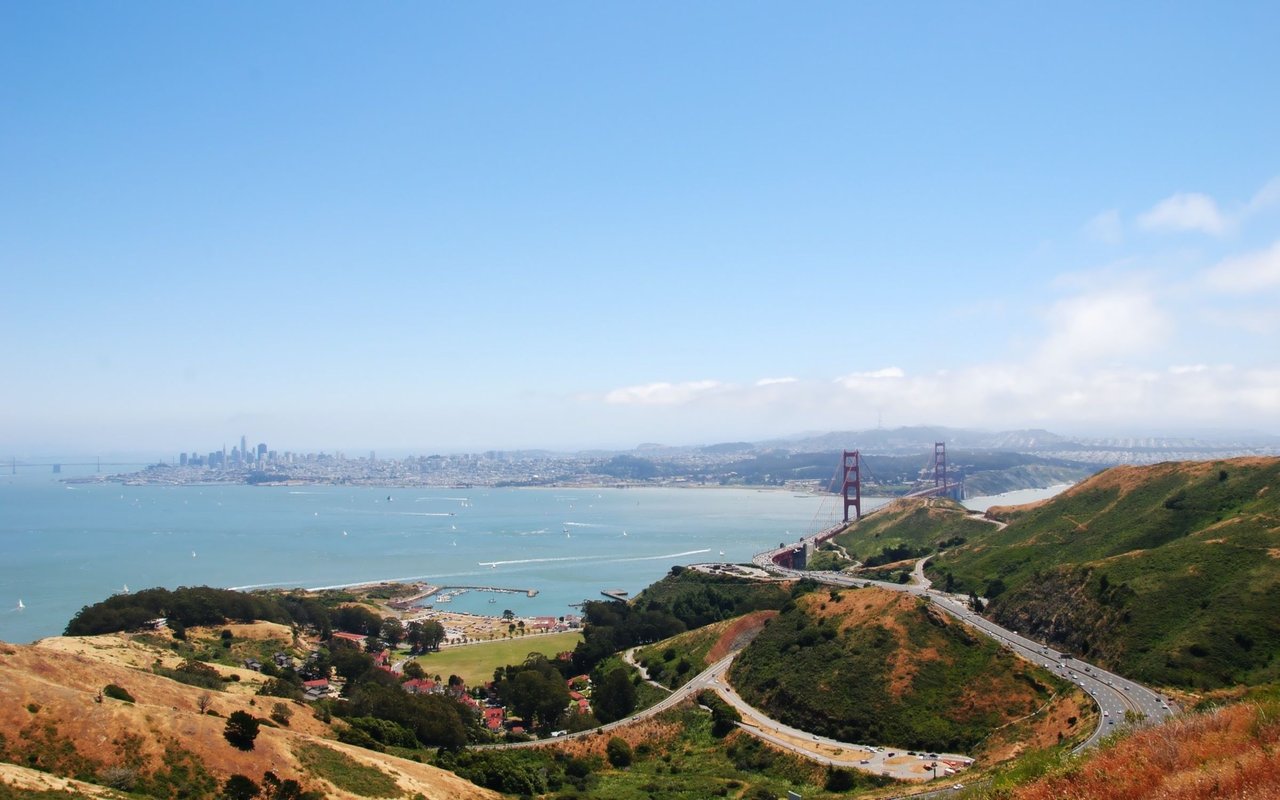
Wondering whether the Sunset District is actually within reach for a first-time purchase? You are not alone. Many buyers love the idea of a classic San Francisco neighborhood with parks, transit, and everyday conveniences, but they also need the numbers and tradeoffs to make sense. This guide will help you understand what first-time buyers can realistically expect in the Sunset, from home types and monthly costs to commute options and long-term value. Let’s dive in.
Why the Sunset appeals to first-time buyers
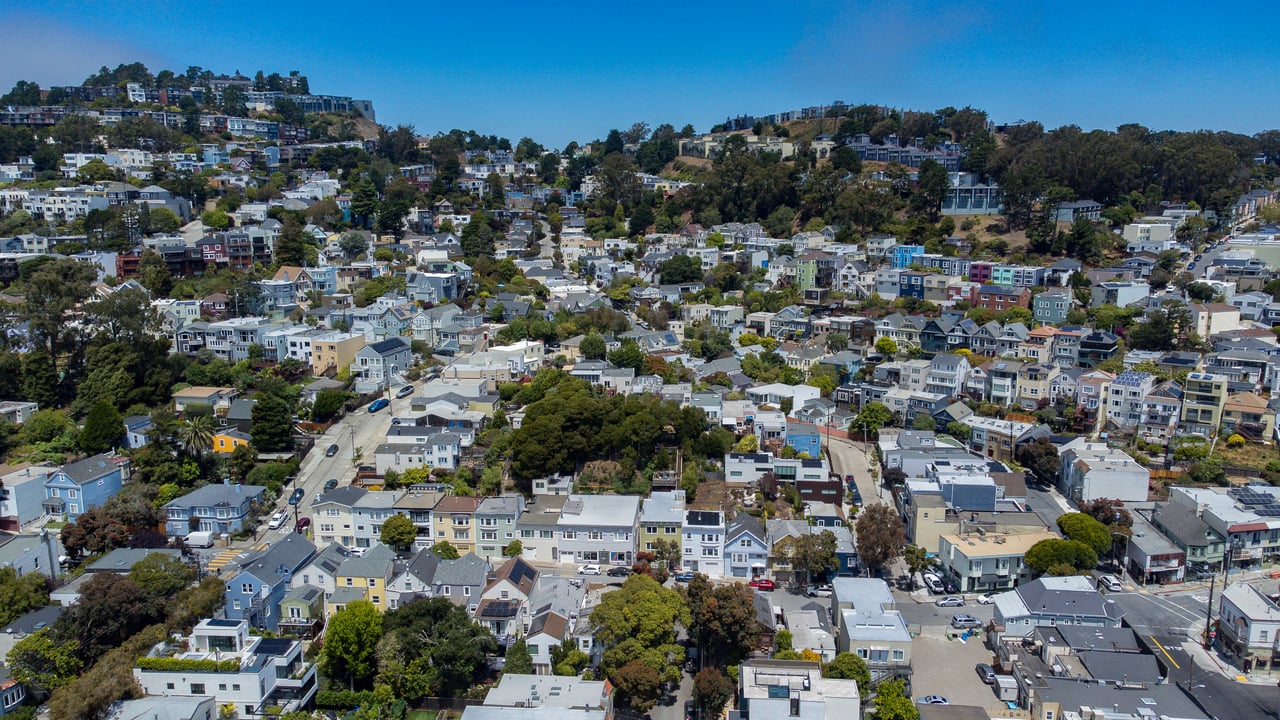
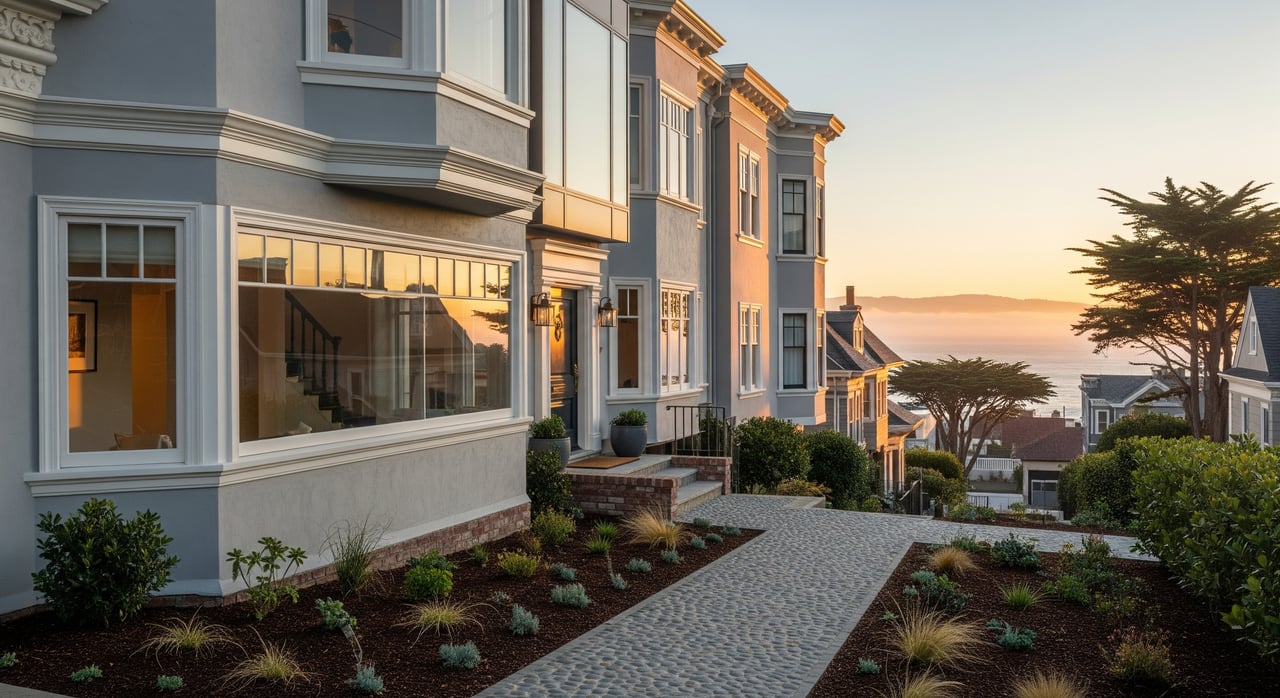
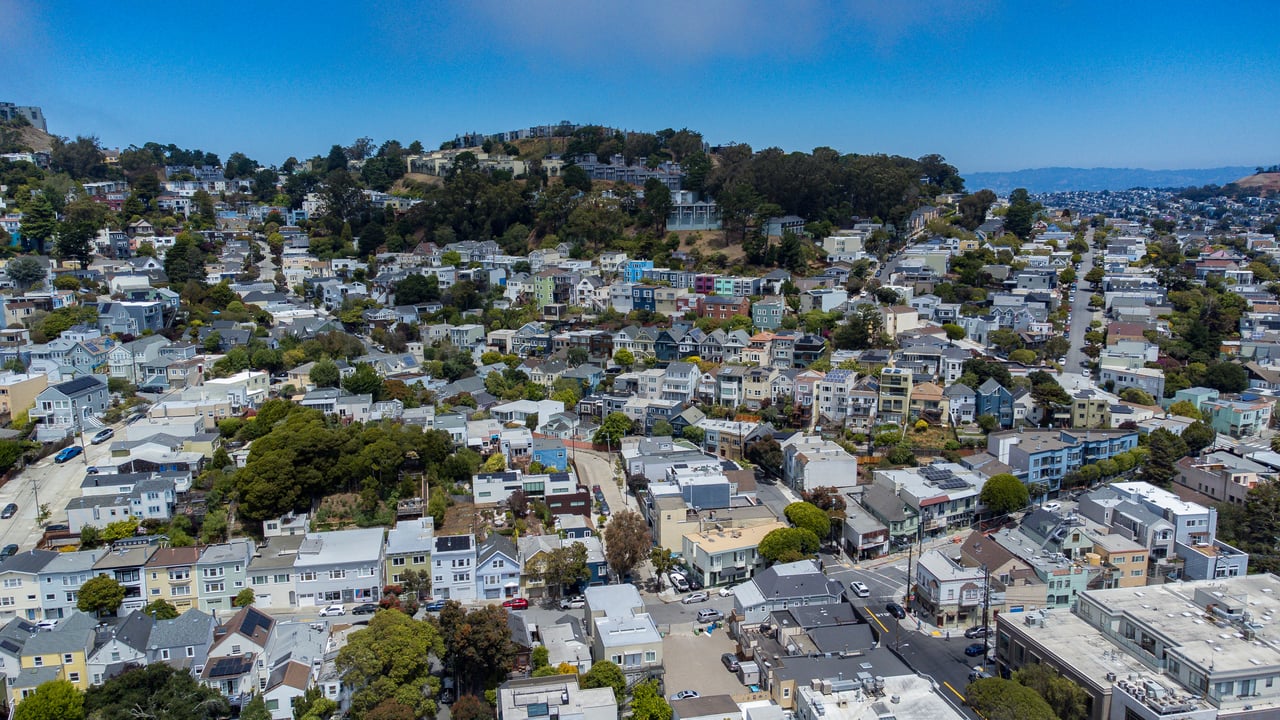
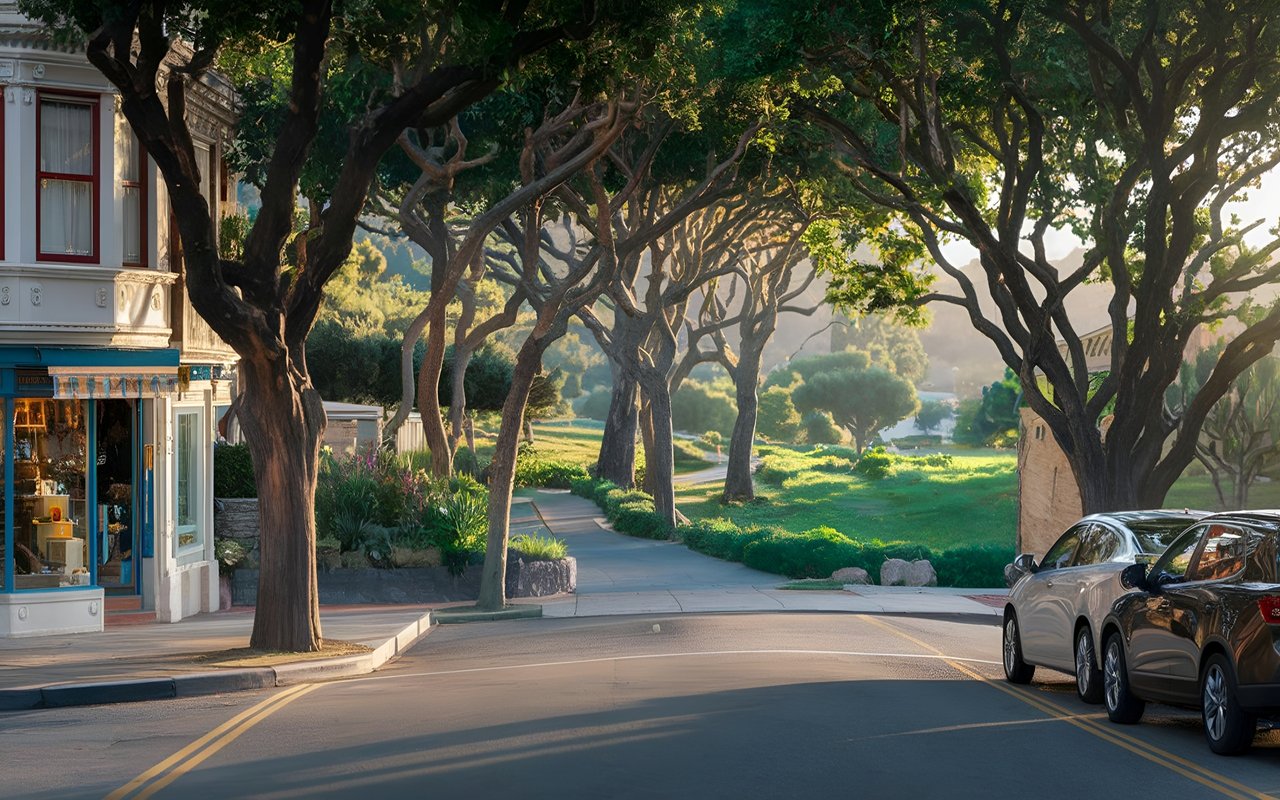
The Sunset offers something many buyers want but struggle to find in San Francisco: a low-rise residential feel with strong daily livability. You get a neighborhood known for parks, access to the coast, and practical commercial corridors instead of a purely high-density urban environment.
For many first-time buyers, that mix feels approachable and familiar. At the same time, the Sunset is not an entry-level market in the traditional sense. Current market data places the area in the high-$1 million range, with homes moving quickly and competition still strong.
What homes look like in the Sunset
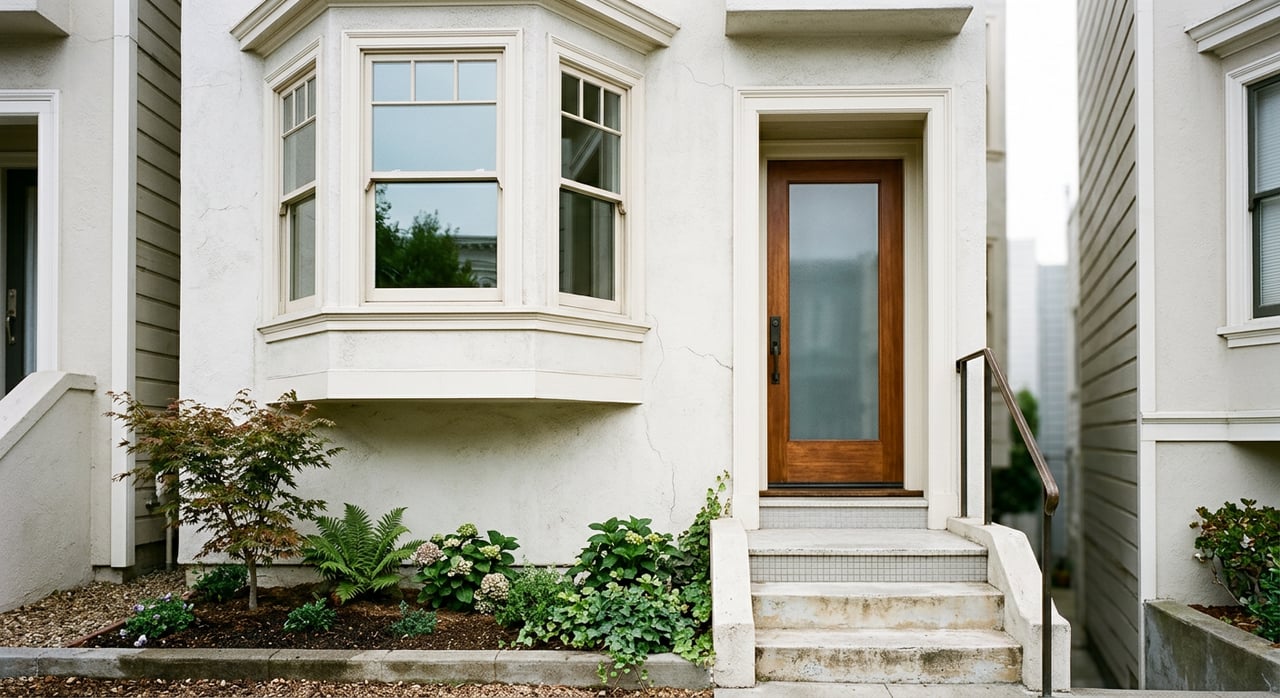
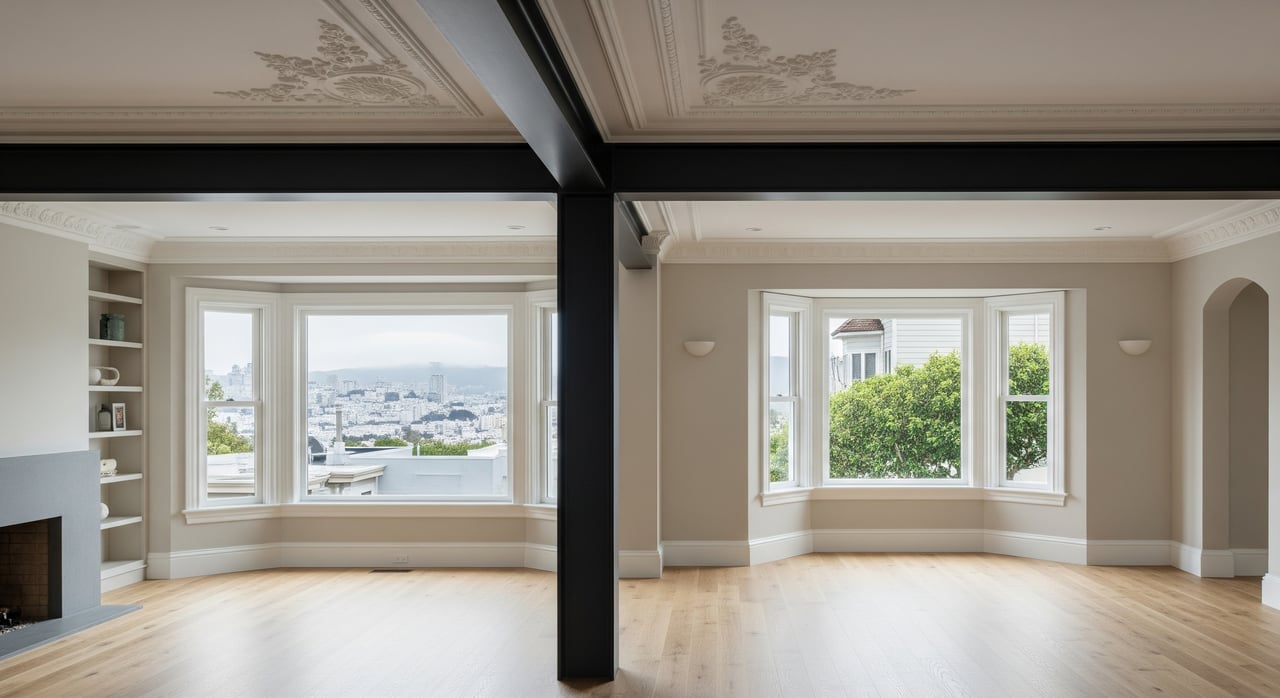
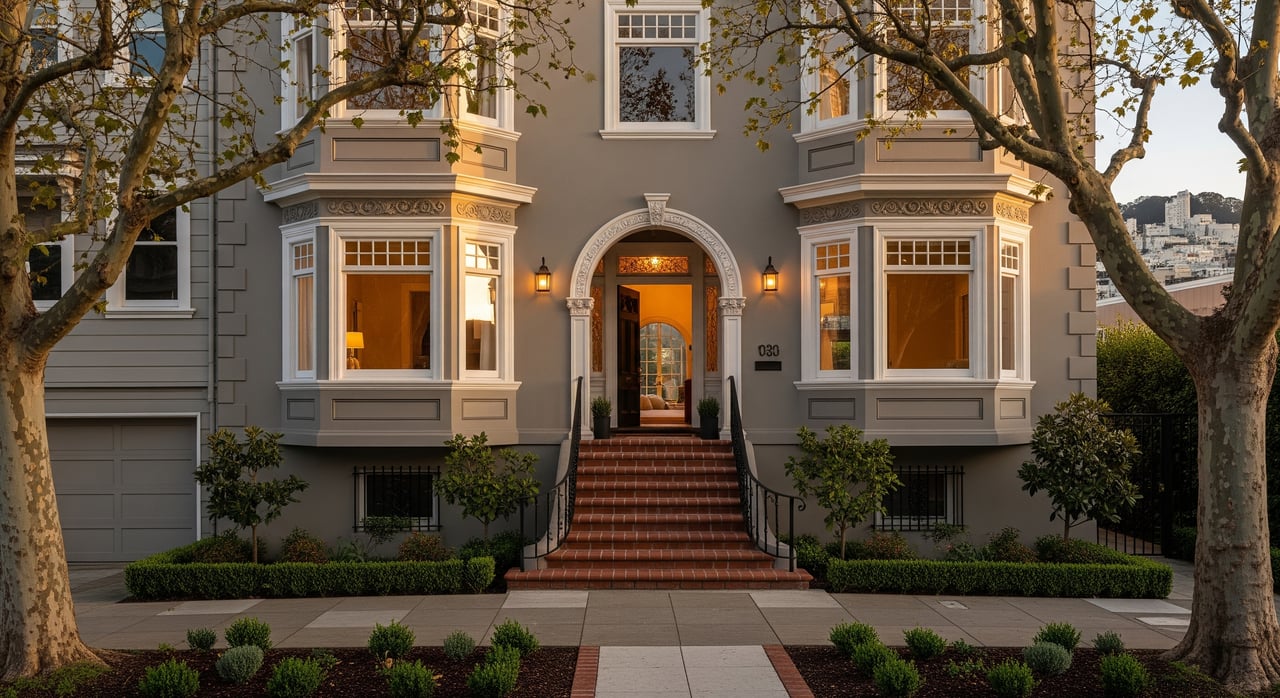
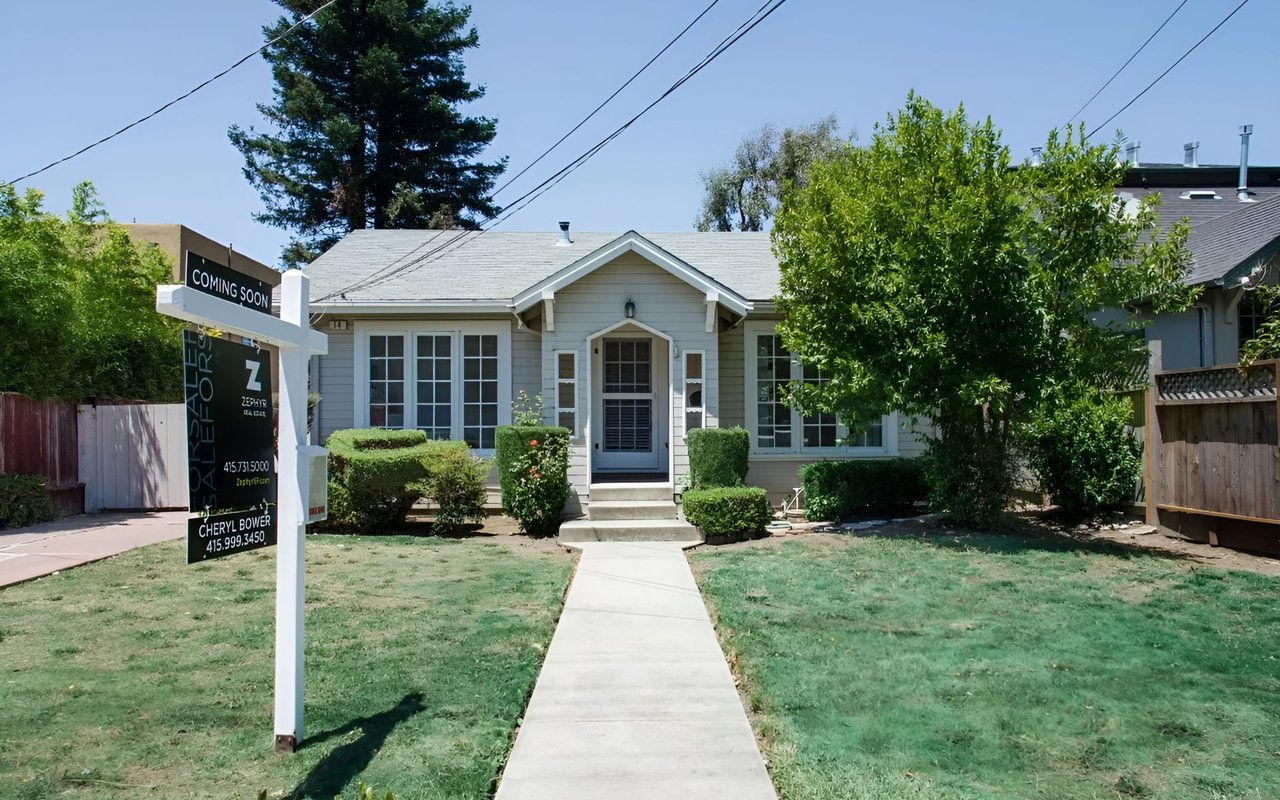
Older housing shapes the neighborhood
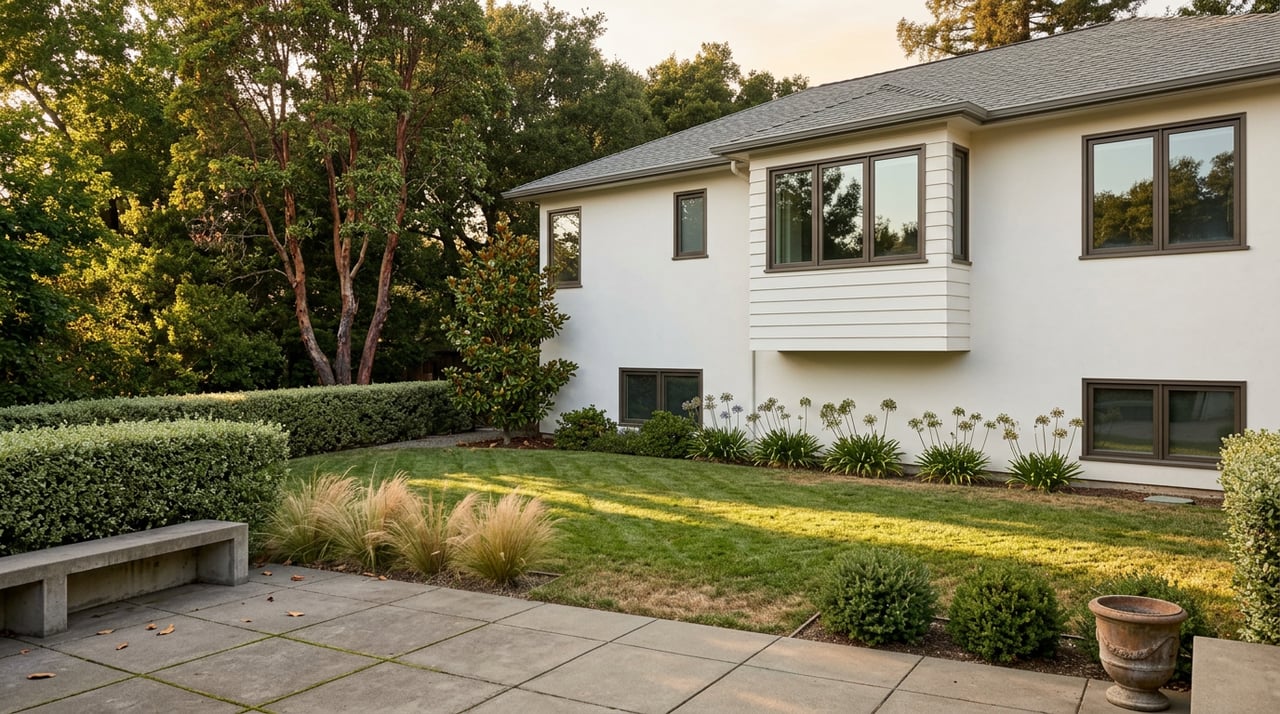
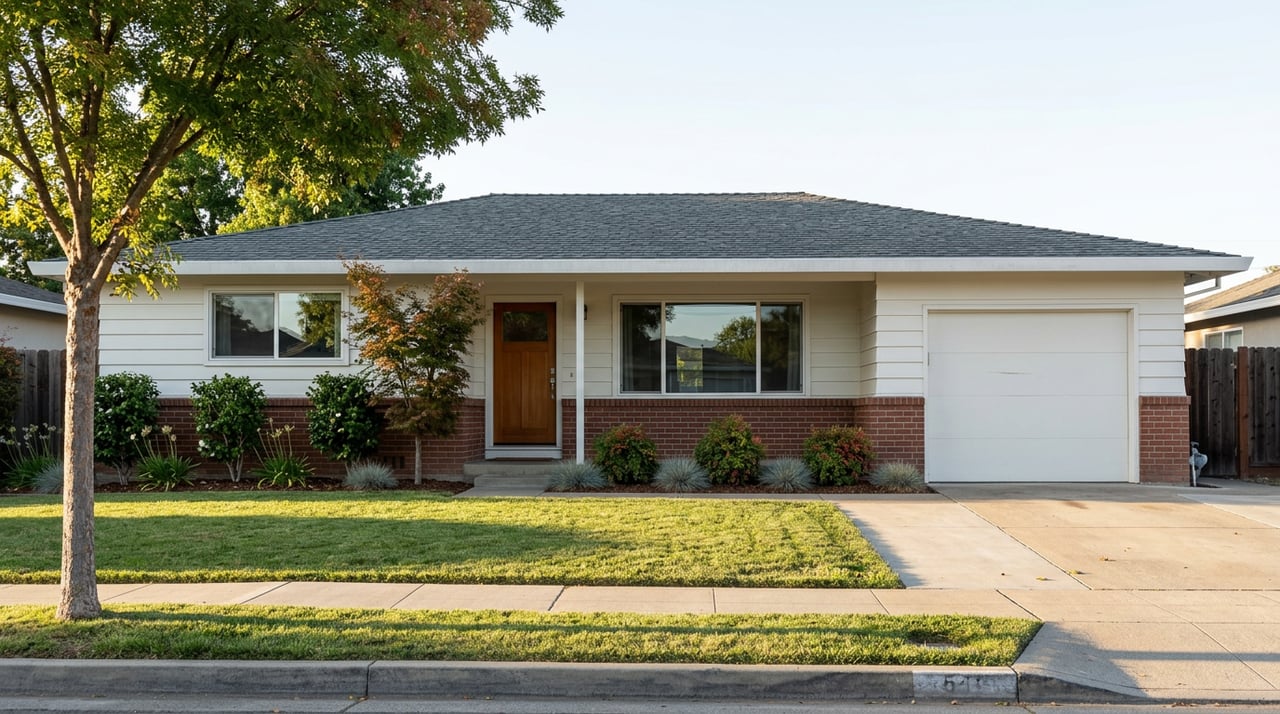
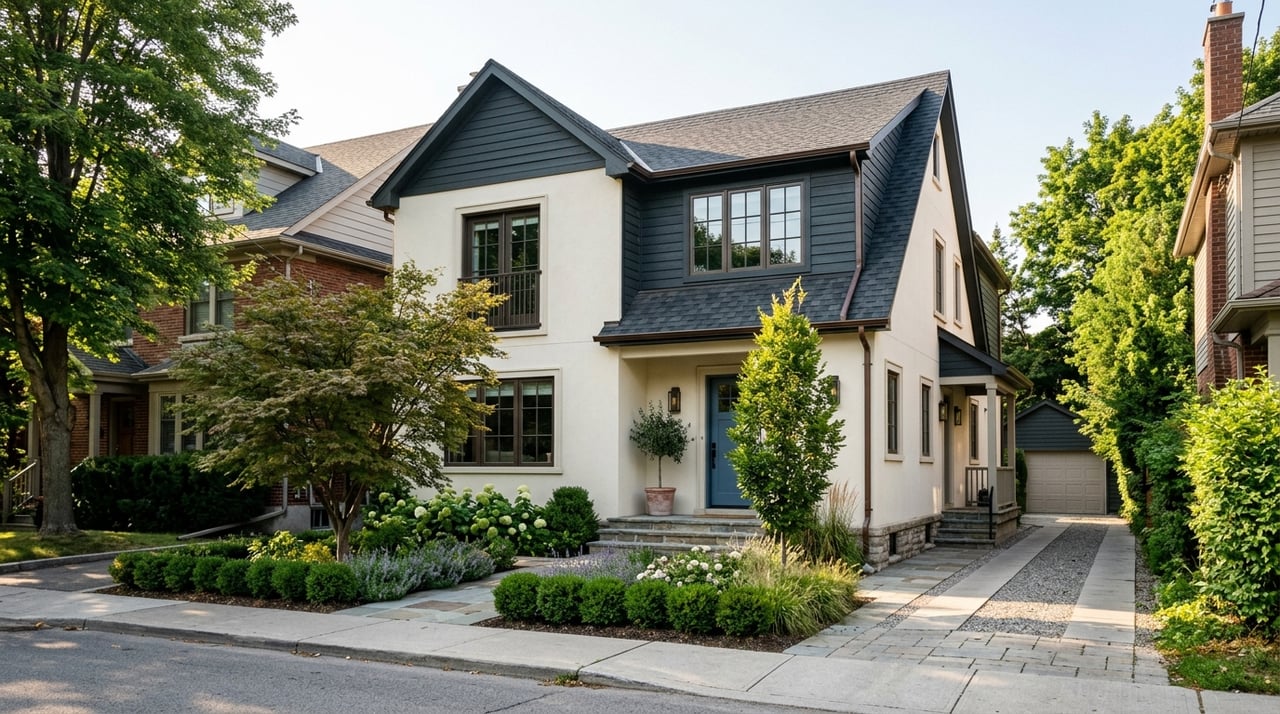
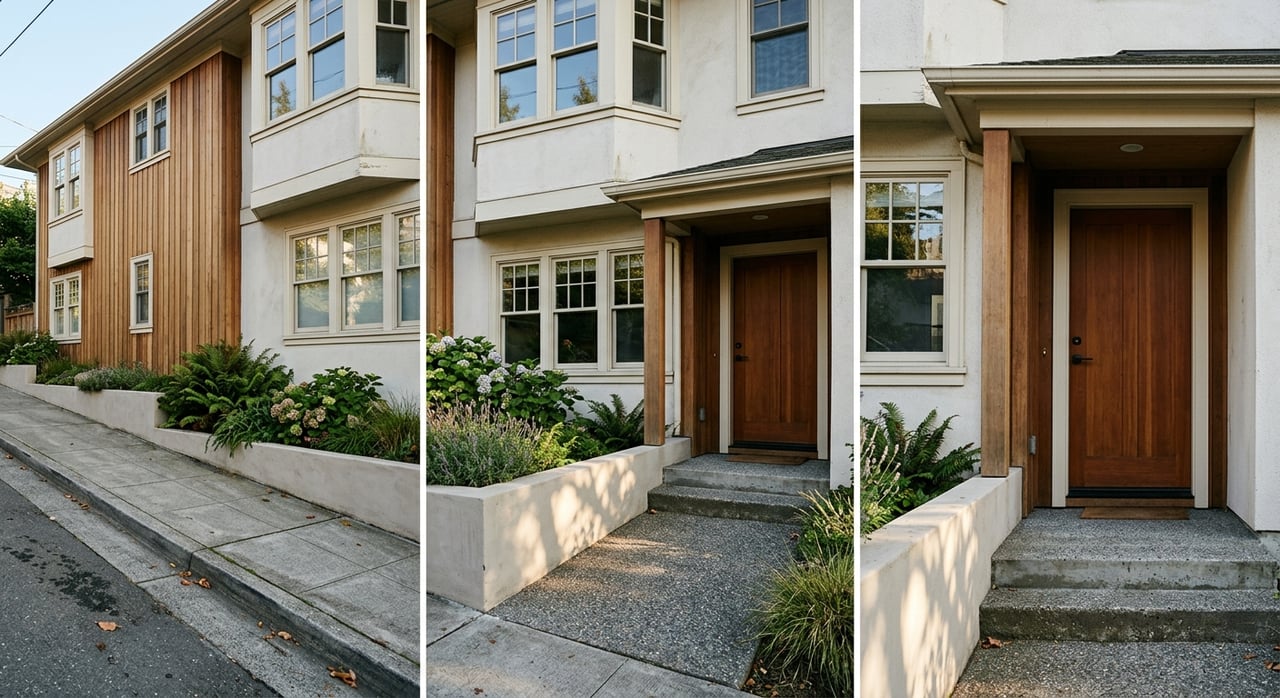
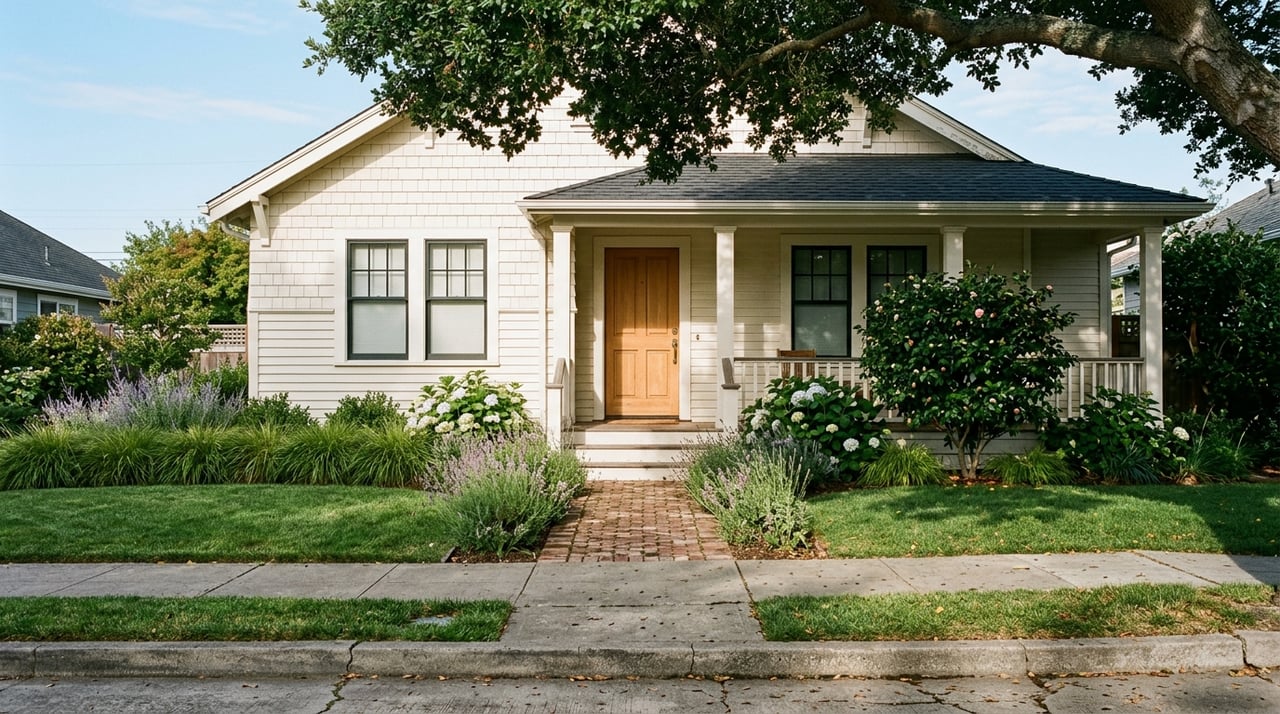
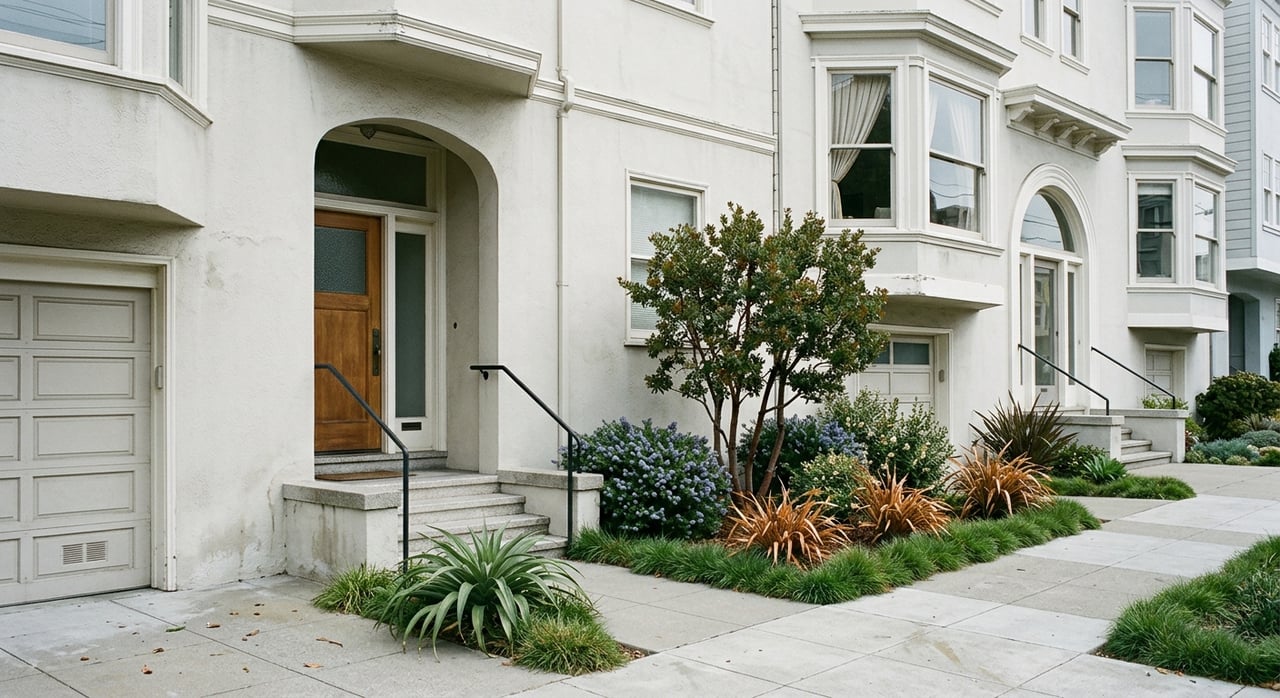
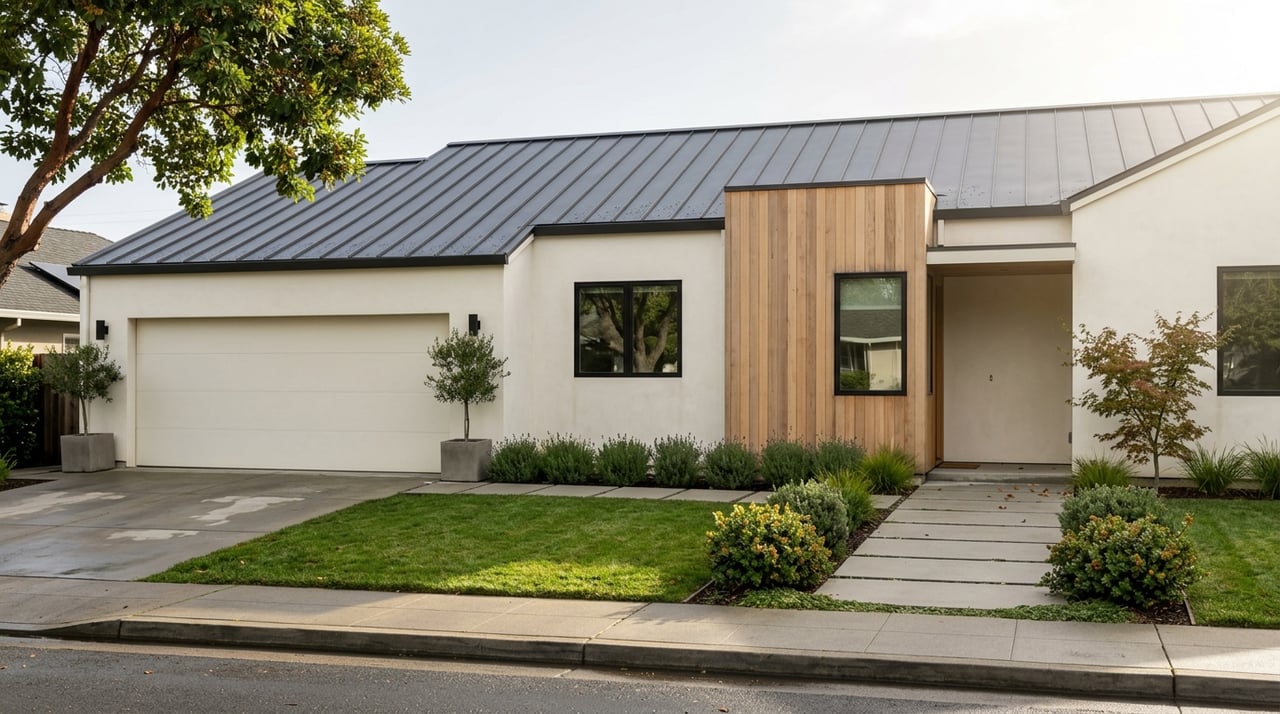
A big part of the Sunset’s character comes from its housing stock. According to SF Planning’s District 4 profile, more than 70% of residential buildings are single-family homes, 96% of housing units were built before 1960, and 61% of households are owner-occupied.
That tells you a lot about what buying here feels like. The neighborhood is still defined by older, established housing rather than large amounts of recent development. If you want a classic San Francisco residential setting, that can be a major plus.
Many homes are compact but flexible
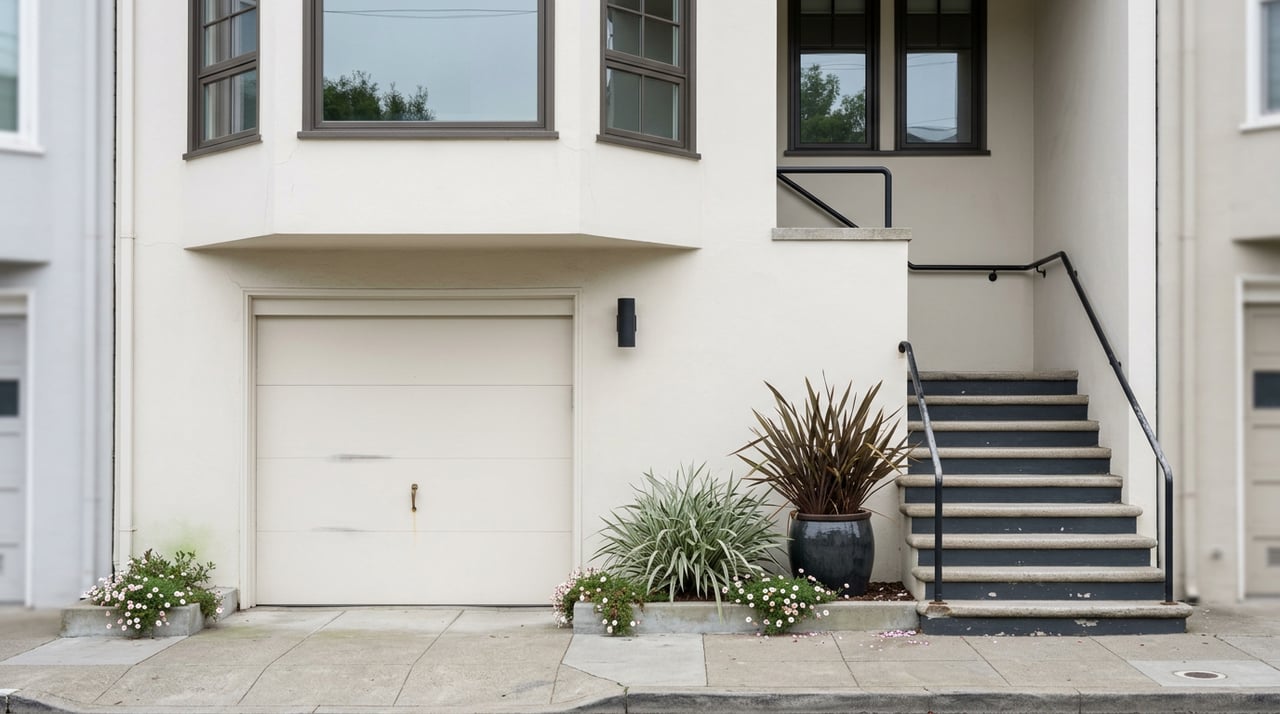
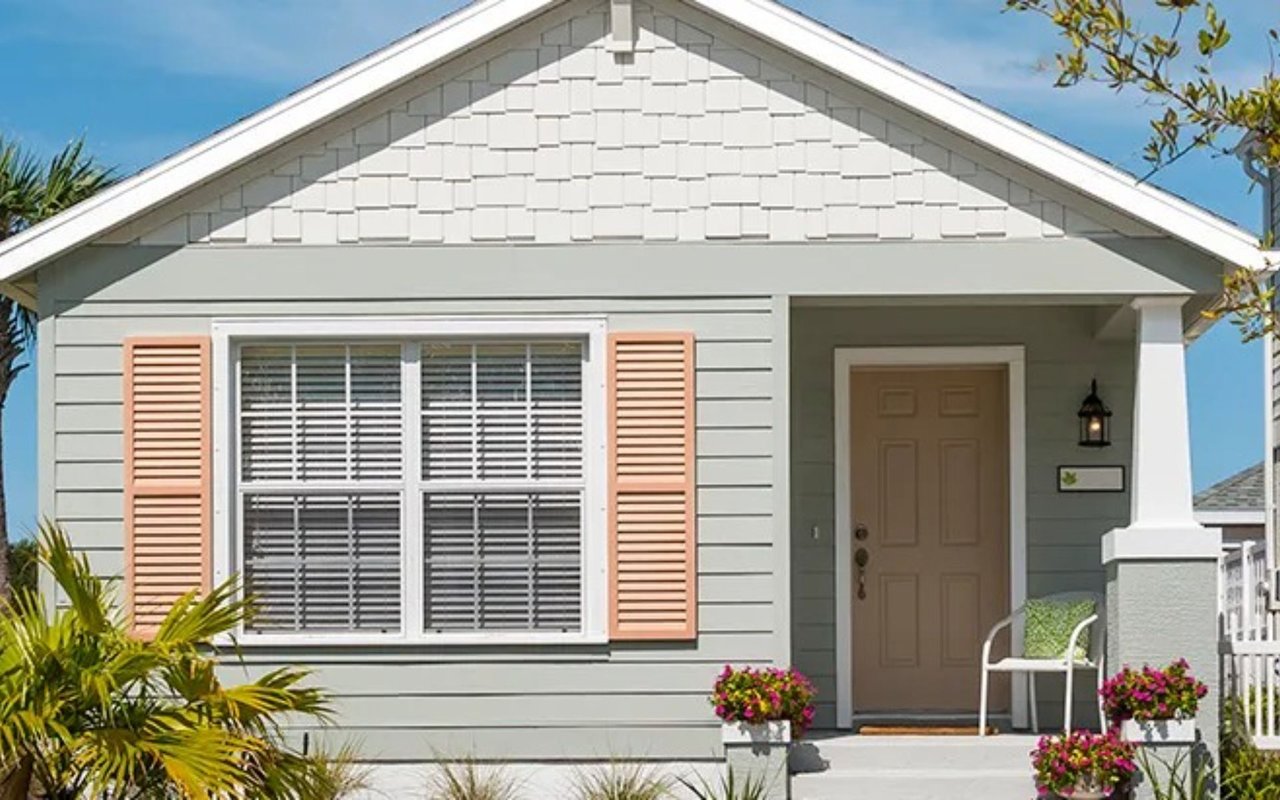
Historic planning research helps explain why so many Sunset homes feel efficient rather than oversized. The typical Sunset house was designed as a five-room home with a little under 1,000 square feet of livable area, usually with two bedrooms and a tandem garage.
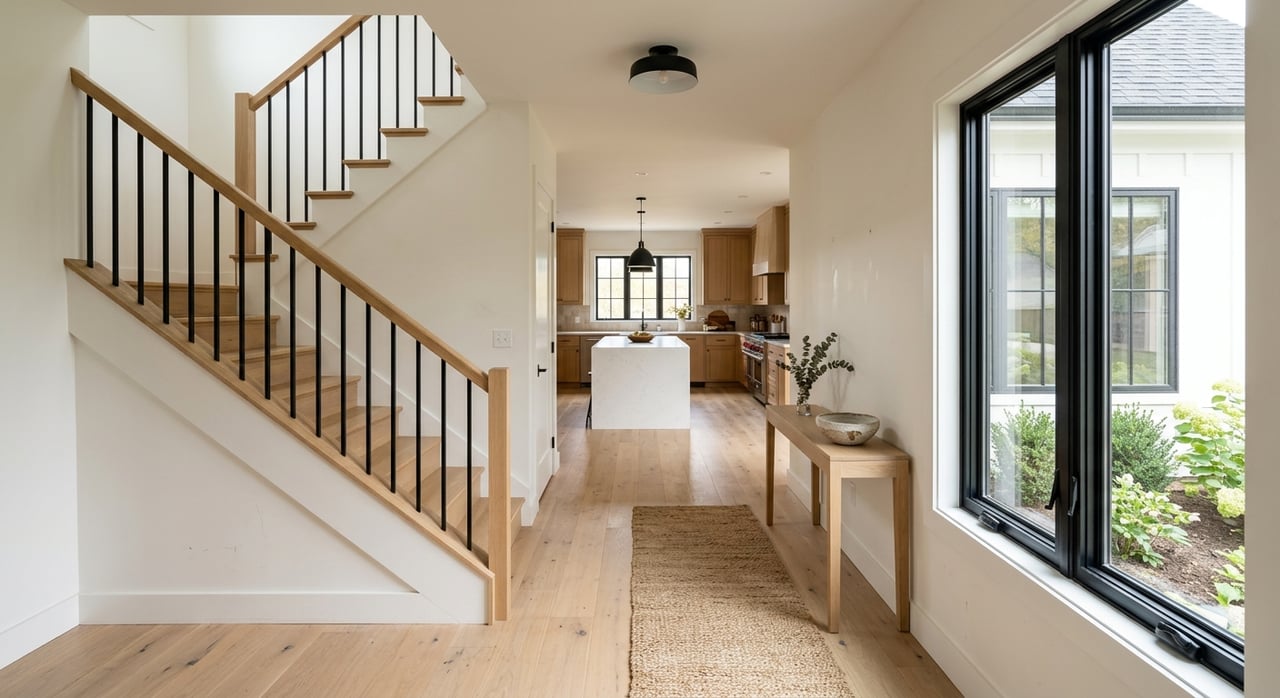
Some floor plans also included a sunroom, third bedroom, or ground-story living space. For you as a first-time buyer, that often means older homes with usable bonus space instead of the larger layouts you might see in newer construction elsewhere.
Condo or house: Which makes more sense?
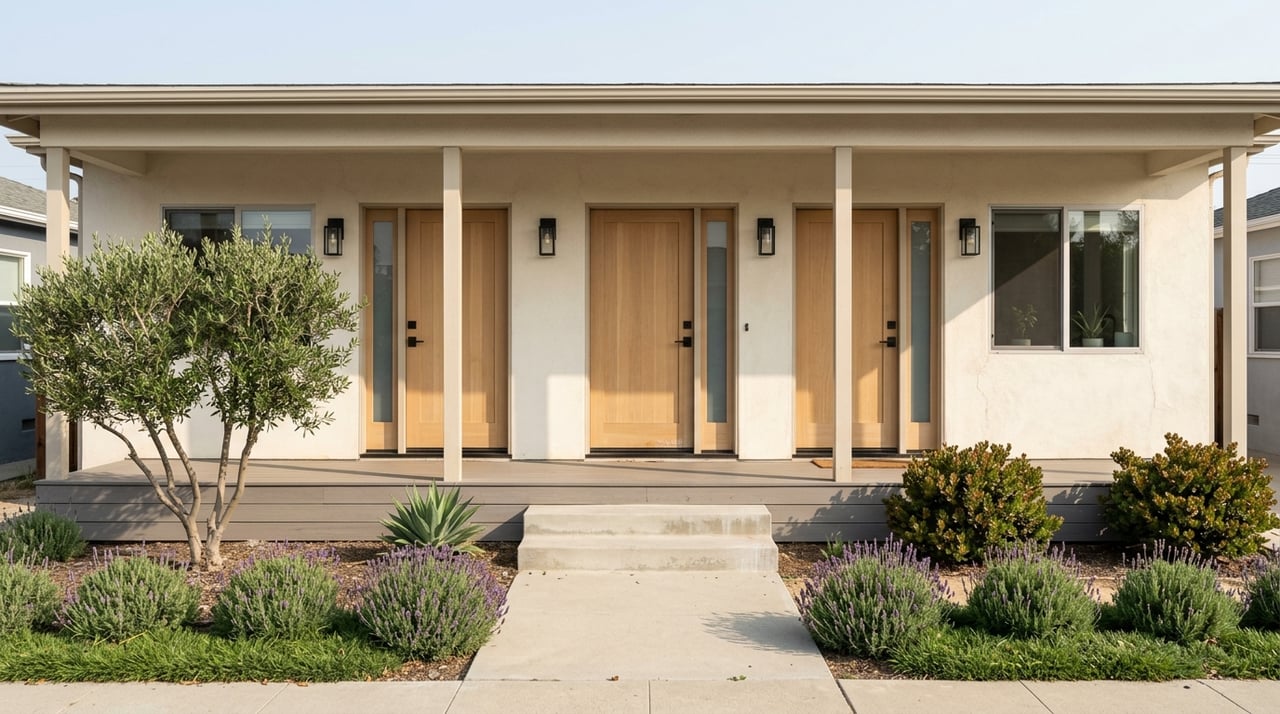
The Sunset is known for single-family homes, but it is not houses only. Current market tracking shows single-family homes, townhouses, and condos or co-ops all exist in the area.
For many first-time buyers, the real decision is less about whether the neighborhood works and more about which property type fits your budget and lifestyle. A condo may offer a lower purchase price, while a house may offer more control, space, and parking.
The tradeoffs to weigh carefully
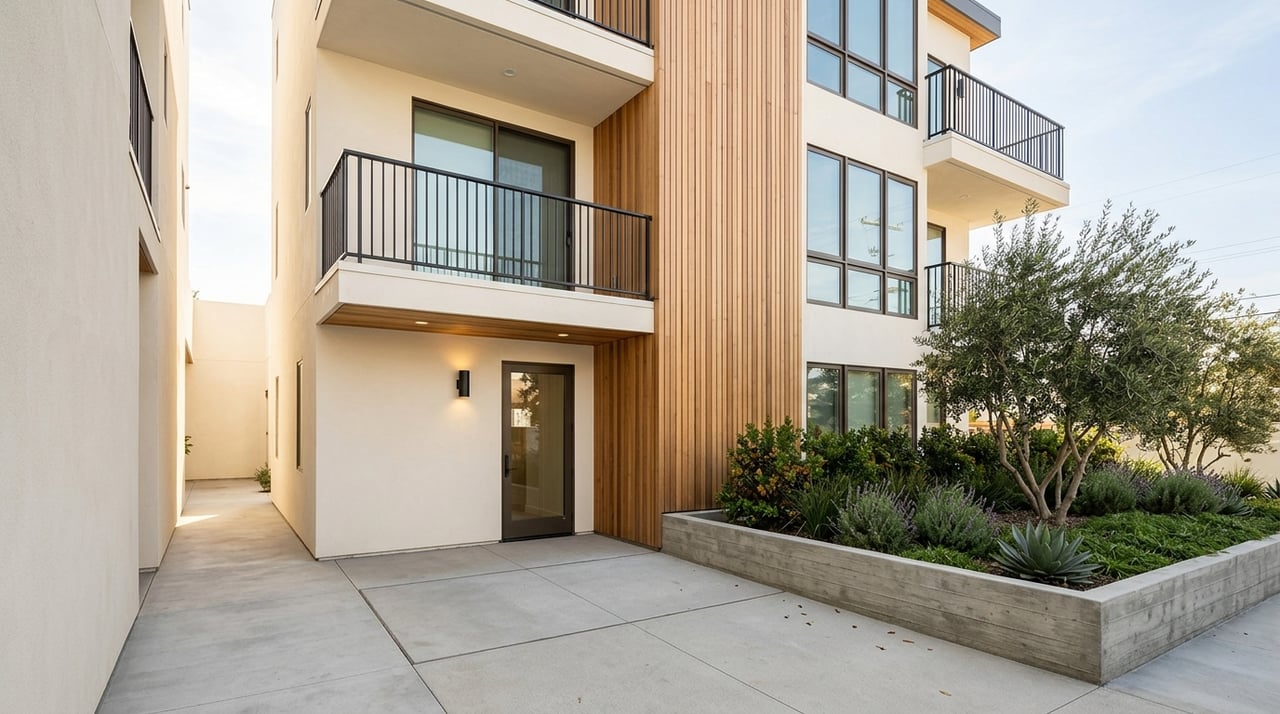
A condo can be a more realistic entry point if you want to stay in San Francisco and keep the upfront price lower. However, HOA dues are usually separate from your mortgage payment and can add several hundred dollars per month, sometimes more.
A house may give you more independence and potentially more storage or flexible space. But you should also expect a much higher monthly payment and full responsibility for maintenance and repairs.
The cost reality in today’s market
This is the part many first-time buyers need to study most closely. The Sunset can absolutely be a smart choice, but only if the monthly cost fits your life comfortably.
Recent market data shows a median sale price of about $1.9 million in the Sunset District over the last three months. Zillow’s Outer Sunset page also showed a median sale price of $1,796,667 with 31 active listings in late June 2026, which points to limited inventory and continued demand.
Why monthly payment matters more than headline price
It is easy to focus on the list price and stop there. In practice, your monthly payment is what determines whether a neighborhood is sustainable for you.
Using Freddie Mac’s 30-year fixed average of 6.55% and San Francisco’s FY 2025–26 secured property tax rate of 1.18268325%, a $1.8 million purchase with 20% down comes to about $9,149 per month in principal and interest, plus about $1,774 per month in property tax. That is roughly $10,923 per month before insurance, HOA dues, and maintenance.
For first-time buyers, this is the key takeaway: the Sunset may look appealing on paper, but the full monthly carrying cost is what should drive your decision.
Transit and commute options are a real strength
One reason the Sunset continues to attract buyers is that it offers multiple commute paths. That flexibility matters in a city where access can shape your day-to-day experience just as much as the home itself.
SFMTA lists several useful routes serving the Sunset. The N Judah connects Outer Sunset with downtown, SoMa, and Caltrain access. The 28 19th Avenue route runs from Daly City BART to Fisherman’s Wharf and serves Outer Sunset and Parkside, while the 28R 19th Avenue Rapid provides weekday daytime rapid service between Daly City BART and the Inner Richmond through the Sunset.
SFMTA also lists the 29 Sunset and alternate downtown options when N Judah service is disrupted, including NX Judah Express and 7 Haight/Noriega. For you, that means the neighborhood offers more than one commuting option, which can be a practical advantage over areas that rely too heavily on a single line.
Check transit by address, not just by neighborhood
That said, transit convenience is not identical on every block. Access can vary depending on how close you are to a rail line, major bus route, or commercial corridor.
If commute time matters to you, it is smart to look at each property through that lens. In the Sunset, a few blocks can make a meaningful difference in your daily routine.
Parks and daily amenities add lasting value
The Sunset stands out for open space. For many first-time buyers, this becomes one of the neighborhood’s biggest long-term advantages because it supports both daily routines and weekend recreation.
SF Rec & Park says Sunset Dunes opened on April 12, 2025 as a 2-mile, 50-acre coastal park stretching from Sloat Boulevard to Lincoln Way. The neighborhood also has easy access to Golden Gate Park and Ocean Beach, which sits along San Francisco’s western edge and is often foggy in late spring and summer.
Recreation is built into daily life
The park system here is not just scenic. Sunset Playground offers nearly four acres of recreation space, West Sunset Playground spans about 738,000 square feet, and Sigmund Stern Grove includes athletic fields, a children’s playground, and the Stern Grove Festival.
That matters if you want a neighborhood where outdoor space is part of normal life rather than an occasional destination. For many buyers, this is one of the clearest reasons the Sunset remains so desirable.
Shopping is practical and neighborhood-based
The Sunset does not revolve around one central downtown area. Instead, everyday shopping and services are spread across neighborhood commercial streets.
SF Planning and SF.gov identify Irving, Noriega, Taraval, and Judah as the main commercial corridors. Irving, Noriega, and Taraval are described as offering convenience goods and services, along with a high concentration of restaurants and professional or financial services.
Long-term potential looks steady, not flashy
If you are thinking about the Sunset as a first home, it helps to think beyond the next year or two. The neighborhood’s long-term story is less about dramatic change and more about constrained supply, stable demand, and established housing.
SF Planning reports that most new housing in recent decades has been concentrated in eastern San Francisco, while the north and west have seen relatively little growth. It also states that only 10% of new housing over the past 15 years was built in those areas, even though they cover more than half the city.
Future housing change may be gradual
Current planning efforts aim to add more housing options, including ADUs, fourplexes, townhomes, and mid-sized multi-family buildings, especially near transit and commercial corridors. Sunset Forward also calls for family-sized housing, small multi-unit buildings that fit typical blocks, and more ADU and small-site options.
For buyers, that suggests a neighborhood that may evolve over time without losing its basic character. In other words, the value case here is tied more to durable housing in a supply-limited area than to rapid reinvention.
The tradeoffs first-time buyers should expect
No neighborhood is perfect, and the Sunset comes with real tradeoffs. Most homes are older, which means upkeep is part of the ownership equation.
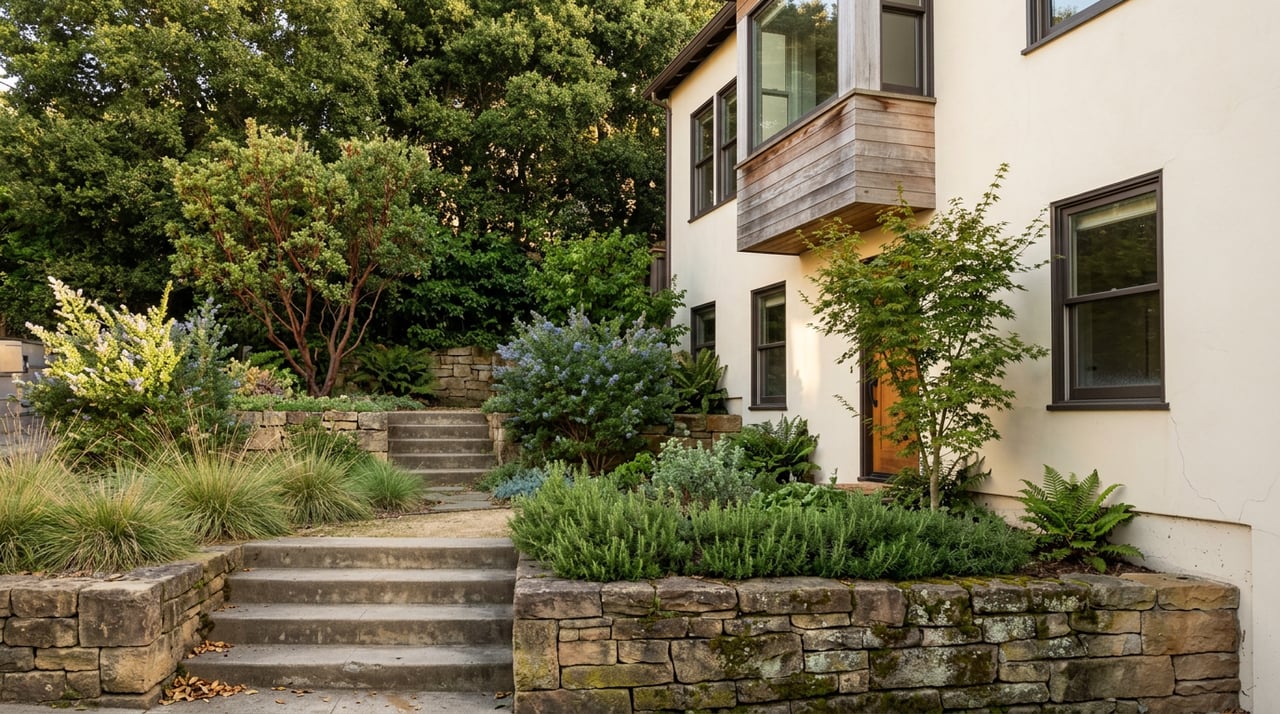
The neighborhood’s foggy climate and sandy soil can also affect landscaping and long-term maintenance. That does not make the area less appealing, but it does mean you should go in expecting coastal weather exposure, ongoing improvement projects, and housing that often needs thoughtful care.
So, is the Sunset a smart choice?
Yes, the Sunset can be a smart choice for a first-time buyer if you want a stable San Francisco neighborhood with parks, transit access, everyday retail, and housing that tends to hold broad appeal over time. It is especially compelling if you value classic residential character and are comfortable with older homes.
It is a weaker fit if your top priority is the lowest possible entry price or newer construction with minimal maintenance. The Sunset is best understood as a high-cost, high-demand starter market that can reward buyers who are prepared, realistic, and focused on long-term livability.
If you are weighing the Sunset against other San Francisco neighborhoods, a calm, detailed strategy can make the process much clearer. Cheryl Bower can help you compare property types, evaluate block-by-block tradeoffs, and navigate the buying process with steady local guidance.
FAQs
Is the Sunset District affordable for first-time buyers?
- The Sunset is not a low-cost entry market. Recent data places median sale prices in roughly the high-$1 million range, so affordability depends heavily on your down payment, financing, and full monthly costs.
What kind of homes do first-time buyers find in the Sunset District?
- Many buyers find older single-family homes built before 1960, often with compact layouts, tandem garages, and flexible bonus spaces such as sunrooms or ground-level rooms.
Are there condos in the Sunset District for first-time buyers?
- Yes. While the neighborhood is dominated by single-family homes, current market data confirms that condos, co-ops, and townhouses are also part of the local housing mix.
What transit options serve the Sunset District?
- SFMTA lists the N Judah, 28 19th Avenue, 28R 19th Avenue Rapid, and 29 Sunset, along with alternate downtown connections when service is disrupted.
What makes the Sunset District attractive beyond housing?
- The neighborhood offers strong access to open space and daily amenities, including Sunset Dunes, Golden Gate Park, Ocean Beach, playgrounds, and commercial corridors along Irving, Noriega, Taraval, and Judah.