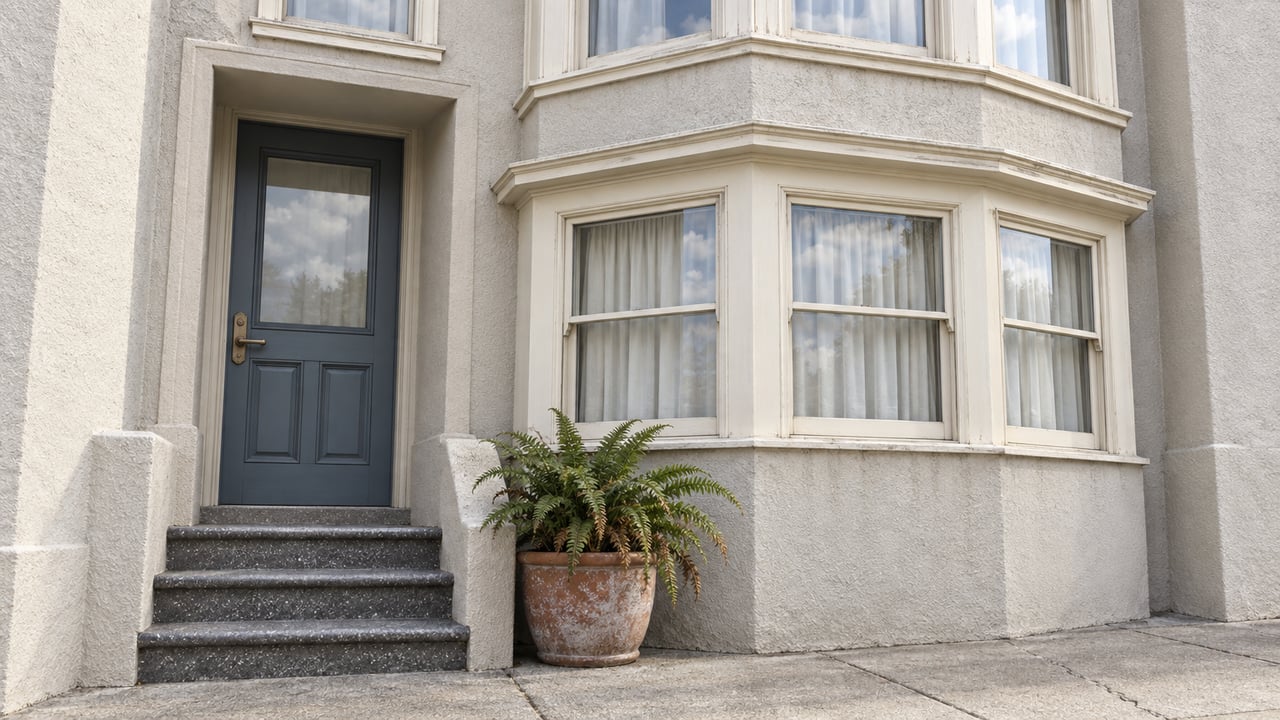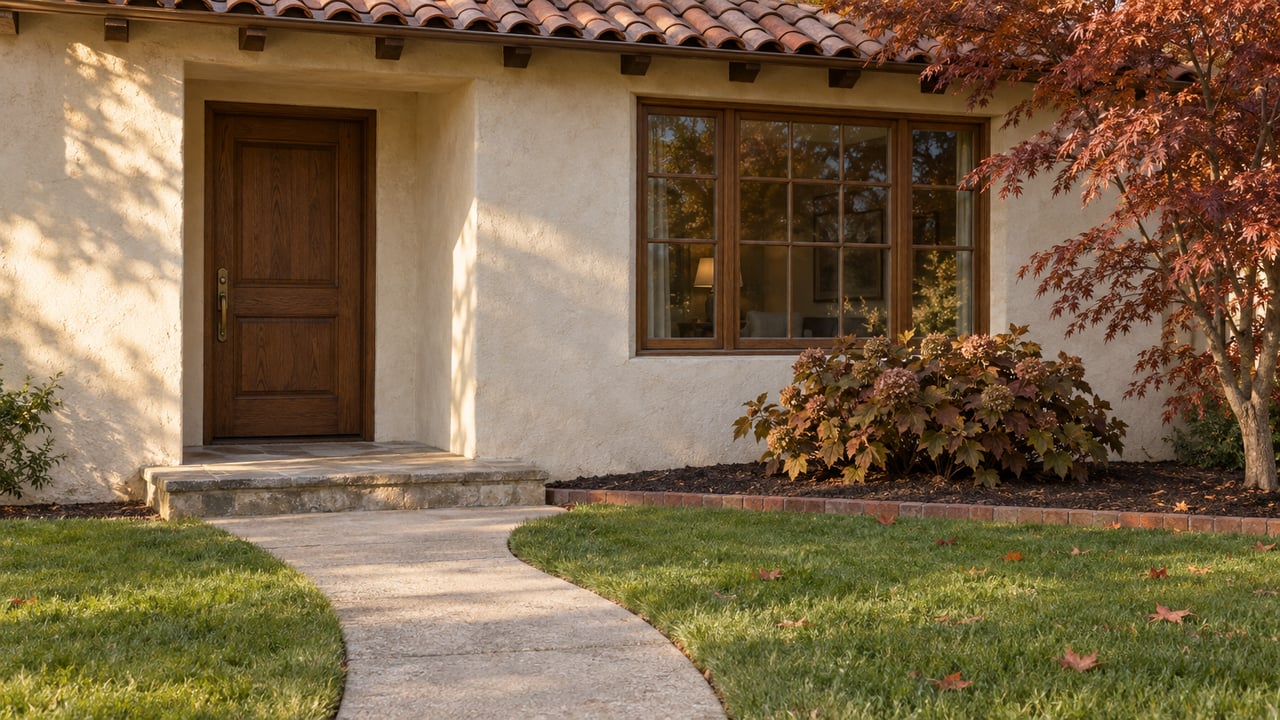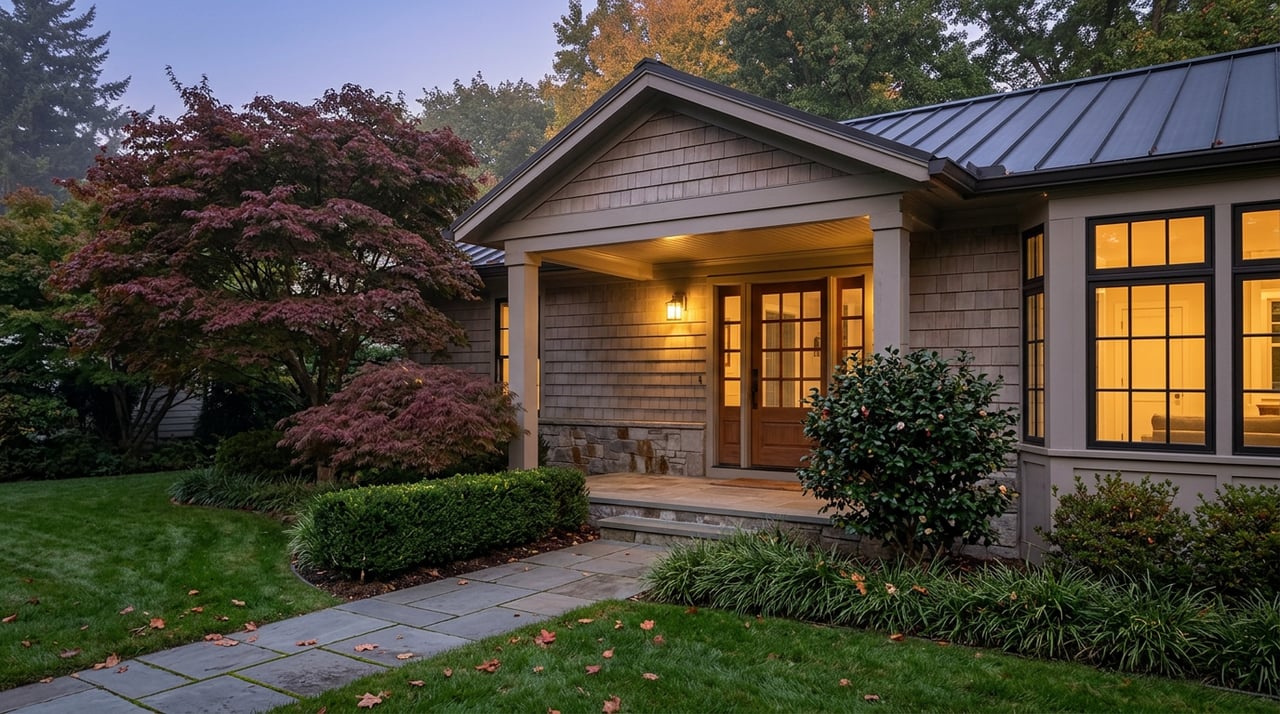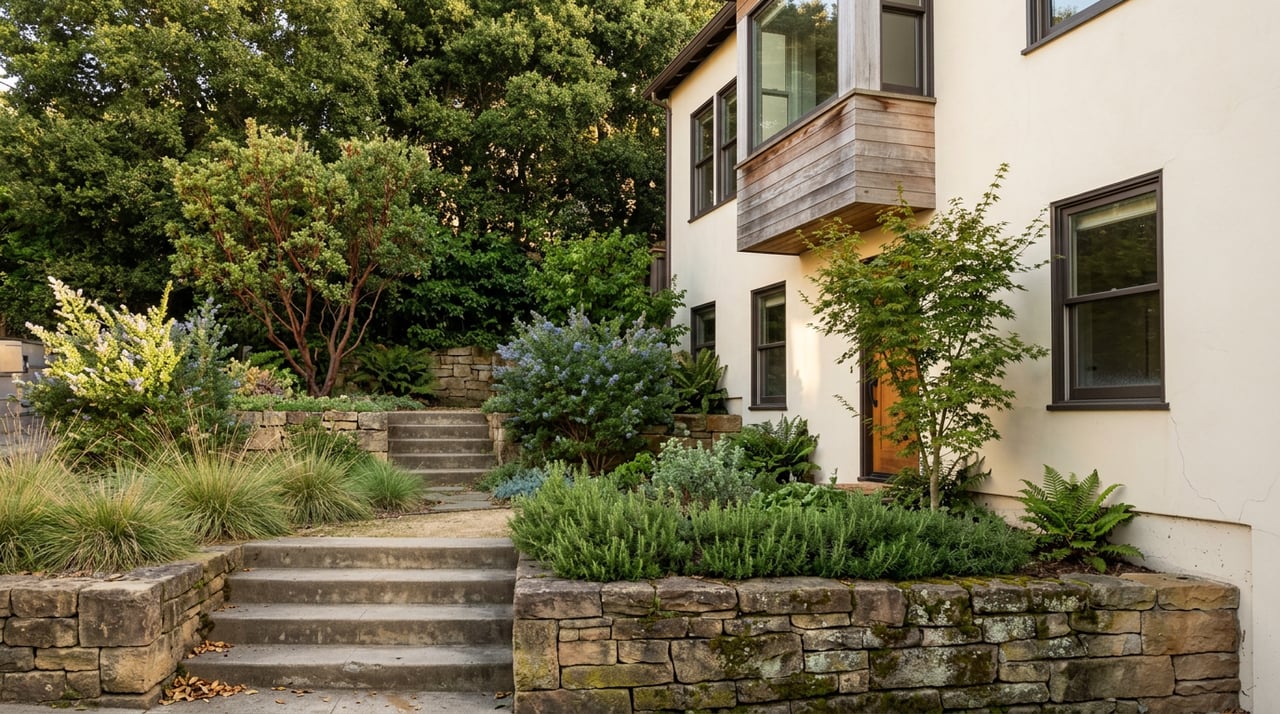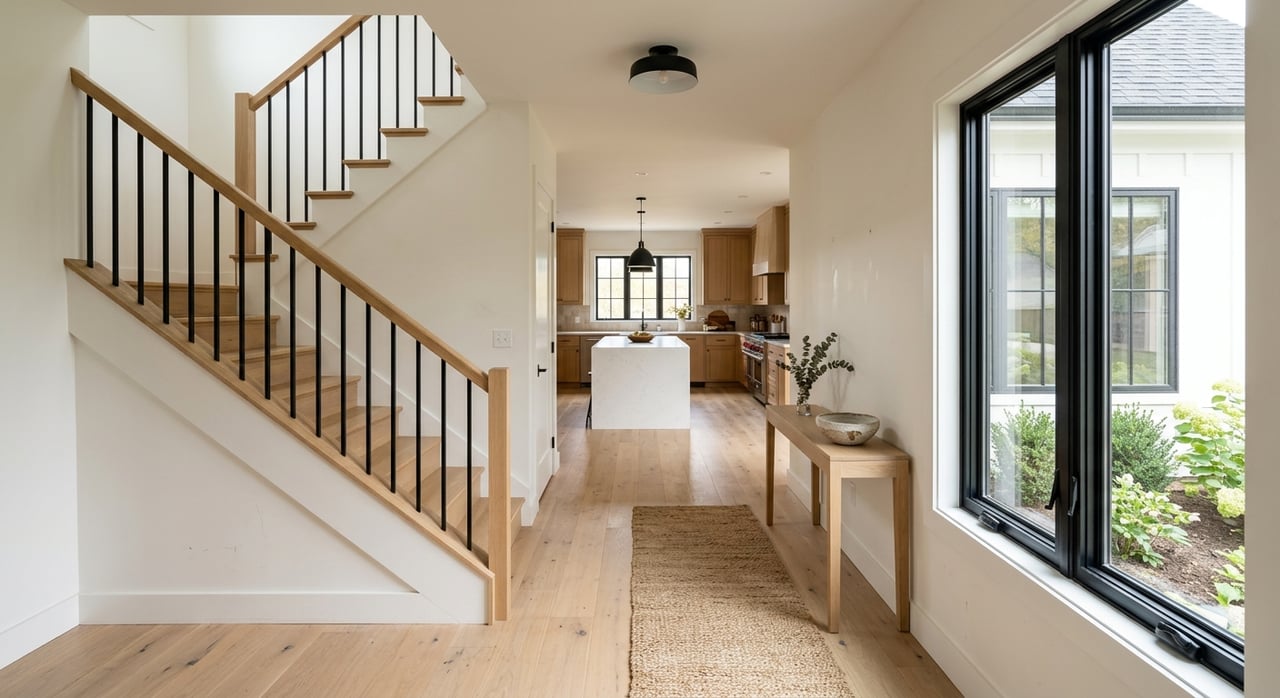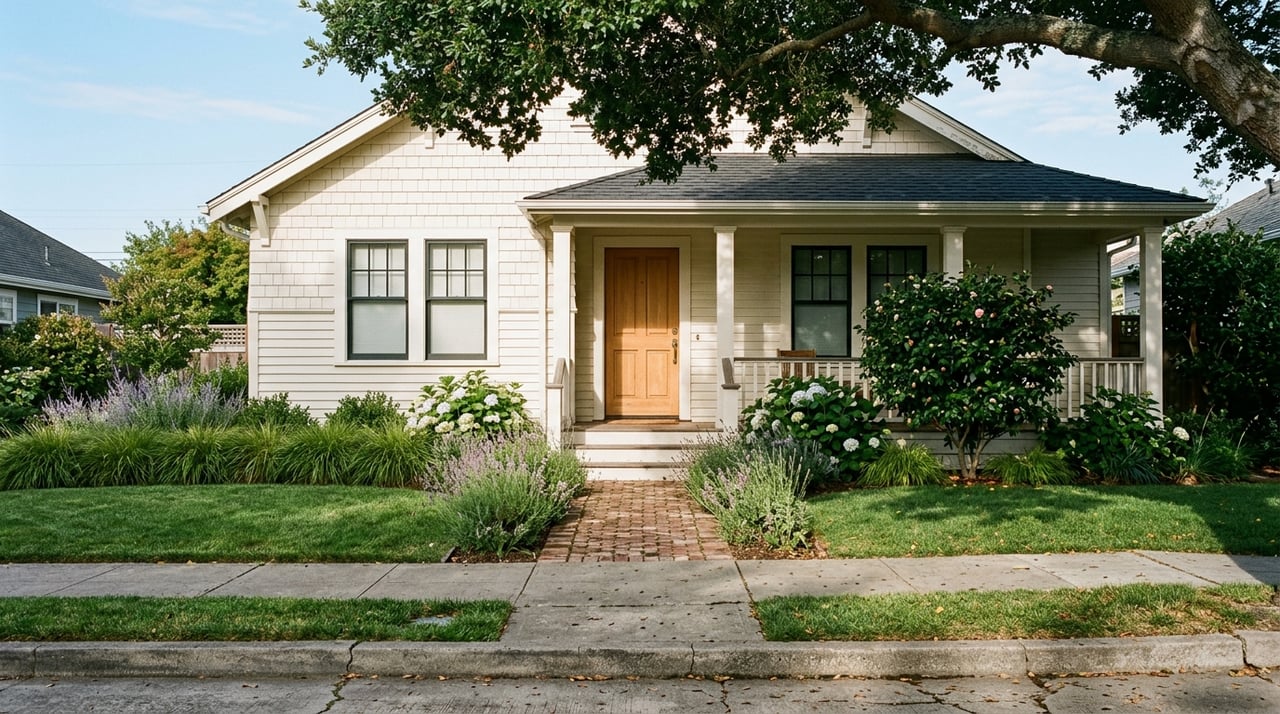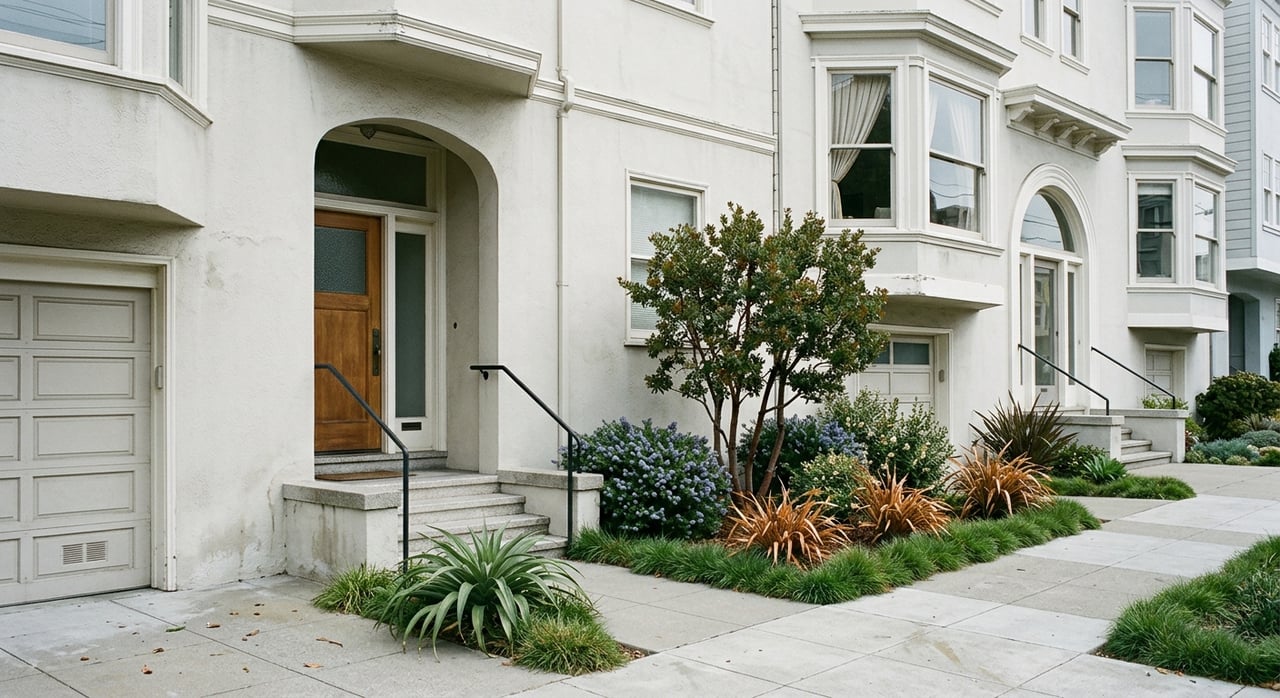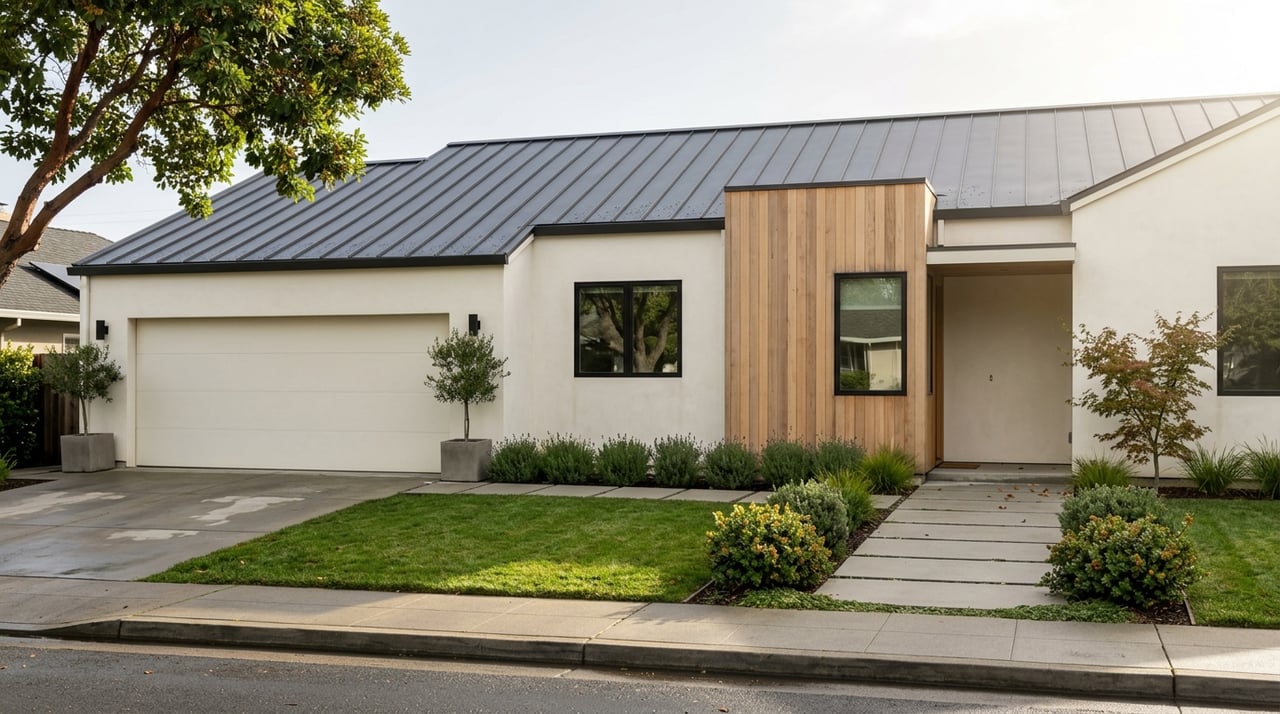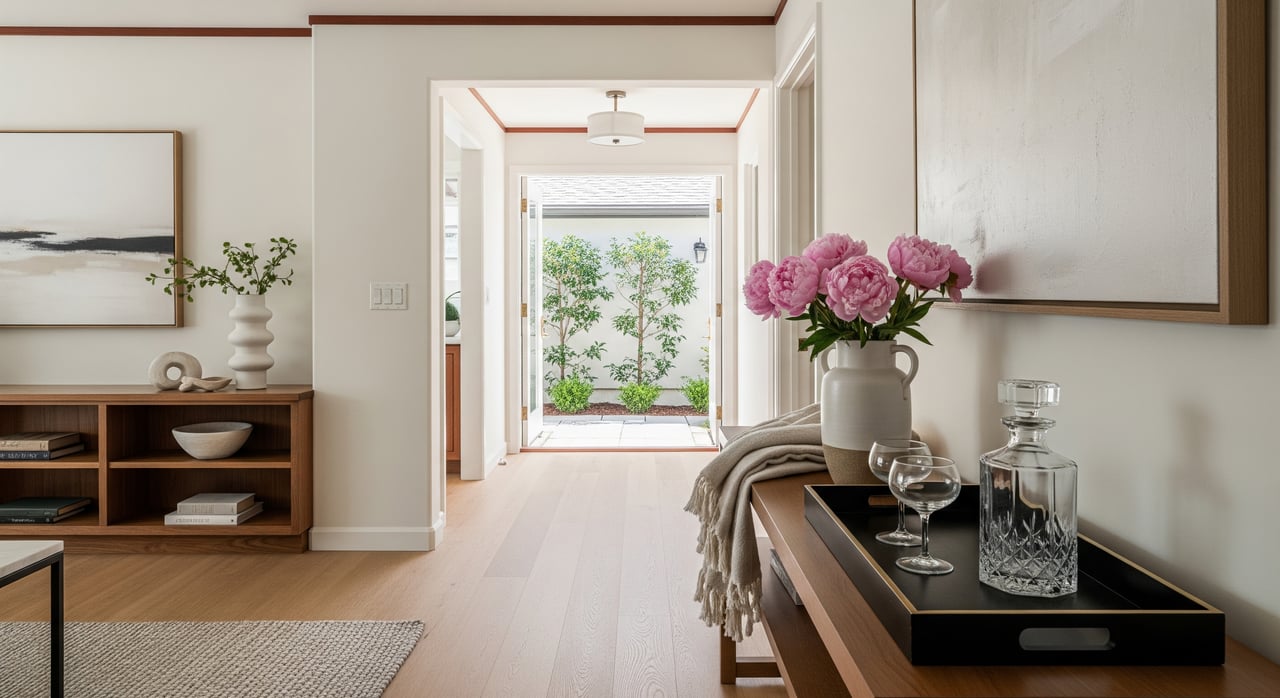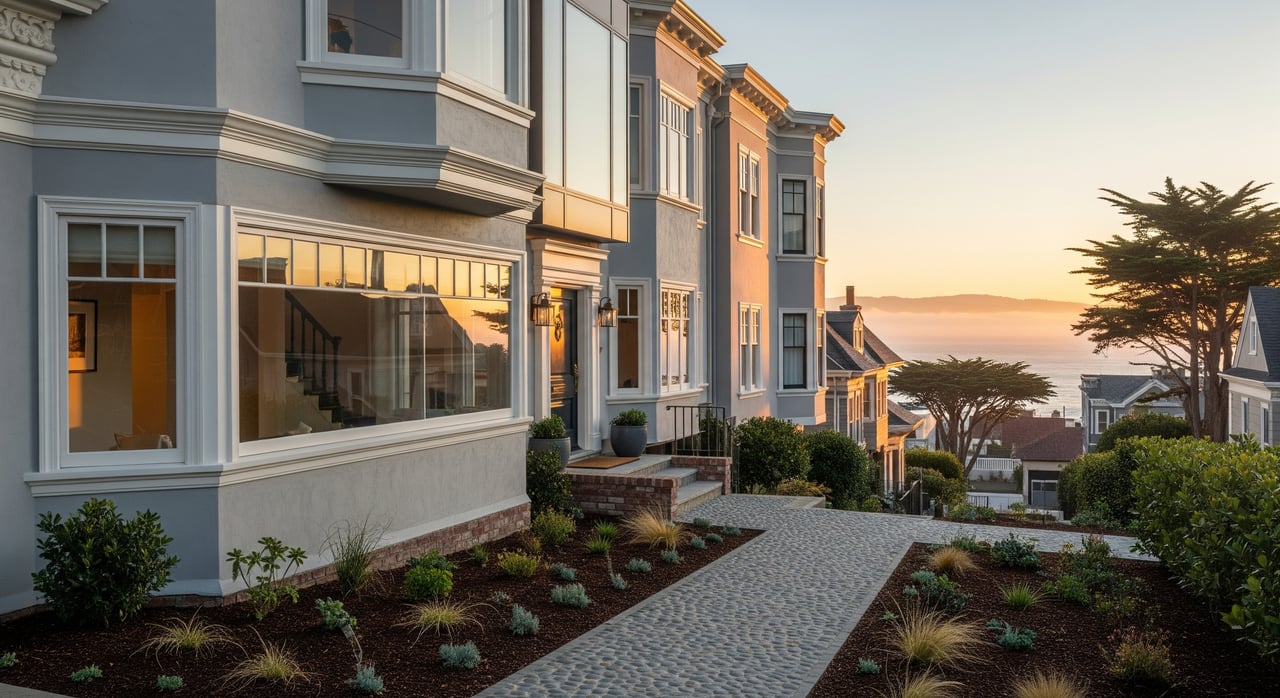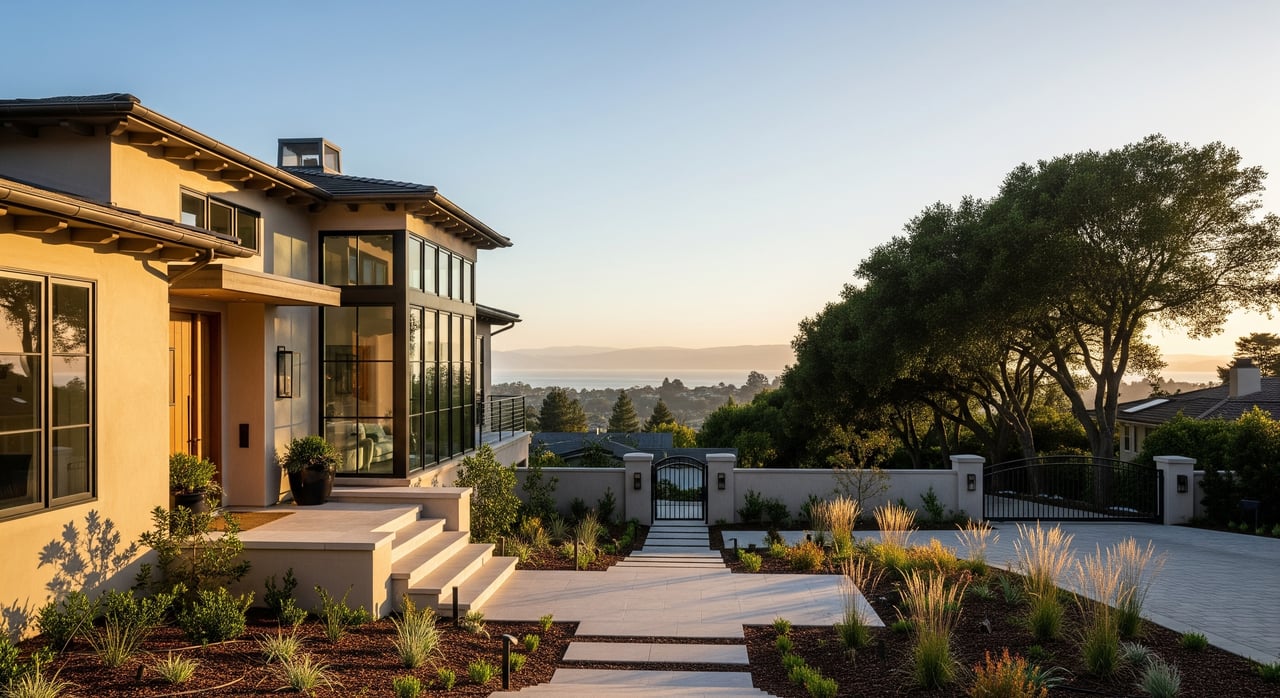
Two buyers open the same portal on the same morning. One is looking at a two-bedroom condo a block from the BART plaza. The other is looking at a mid-century house tucked into the hillside above Glen Canyon. Both see a Glen Park median in the low $2 millions and assume they are shopping in the same market.
They are not. They are shopping in two of three distinct sub-markets, each moving at its own speed, on its own comp set, with its own negotiation math. The headline median is the average of those speeds. If you write your offer strategy against the average, you will misprice one of them.
The number that hides three markets
Start with the widely cited figures. Through the end of June 2026, the Glen Park Association reported a year-to-date median sale price of $2,275,000, up 9% year over year, with properties selling roughly 20% over asking. Redfin's February 2026 read landed at a median price of $2.0M, up 10.8% year over year, with the neighborhood scoring 91 on their competition index. Movoto's June 2026 snapshot put the median at $2,195,000 on 13 sales.
Different data providers, similar picture: a small, high-priced, competitive neighborhood.
Now split the number apart. The same June 2026 recap noted that median price per square foot in Glen Park is now over $1,300, up 11% year over year, and if you take condos out of the mix, it is over $1,400, up 14% year over year. Meanwhile, at the citywide level, the 2025 year-end review documented that San Francisco condos and TICs closed the year with a median around $1,125,000, essentially flat year over year, and 0% over asking, a figure that has been flat since 2022.
That is the thesis in one line. Single-family houses in Glen Park are accelerating. Condos and TICs, even here, are behaving like the broader San Francisco attached market: steady, patient, and not bid up over list. When those two trends sit inside one "median," the median tells you almost nothing about the transaction you are actually about to write.
Why the supply stays locked
Scarcity is the first thing every Glen Park buyer notices. In late June 2026, the neighborhood had only 3 active listings, and two of those were multi-unit properties. That is not a seasonal blip. It is a structural feature.
The mechanism is Proposition 13. A parcel-level analysis published in May 2026 found that more than 1,197 residential parcels in Glen Park have been held for over ten years, and 736 of those have been owned for more than two decades. Owners at those tax bases have a strong financial reason to stay put, because selling and rebuying anywhere nearby resets their property tax to today's assessed value. The result is a small neighborhood where the qualified buyer pool for any well-positioned home has been queued up for months.
Layered on top of that, the total 2025 transaction count for Glen Park was 72 sales versus 70 the year prior, with the median up 14.3% to $2,071,000. Volume is roughly flat, prices are moving up, and inventory keeps shrinking against a durable demand base of families and BART commuters. That is a textbook supply-locked market, and it is why the SFH price-per-foot line keeps climbing while the condo line does not.
Reading the three sub-markets
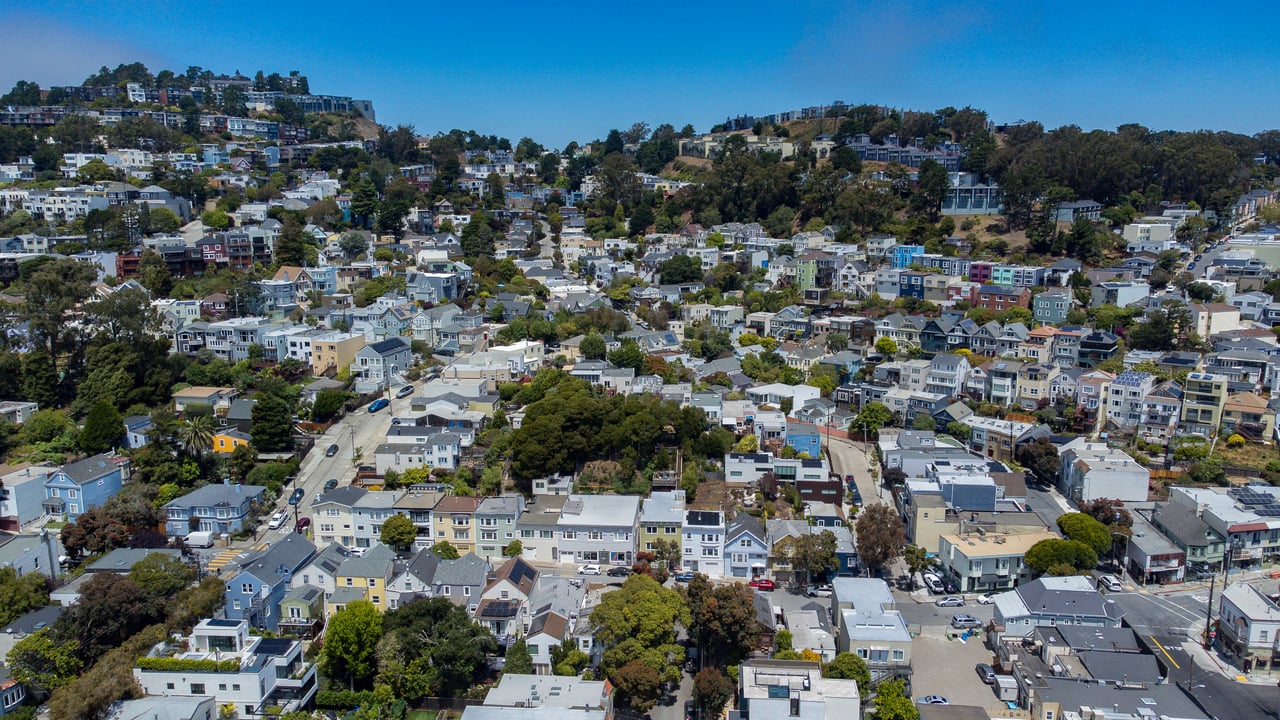
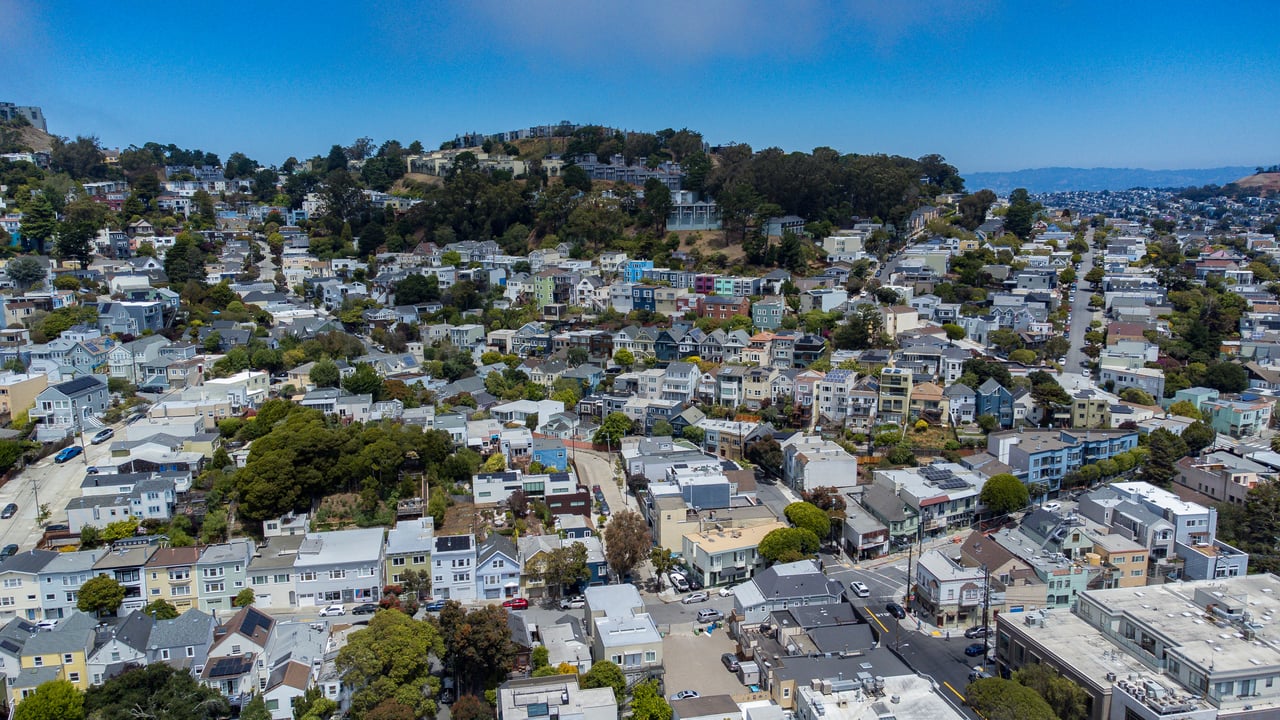
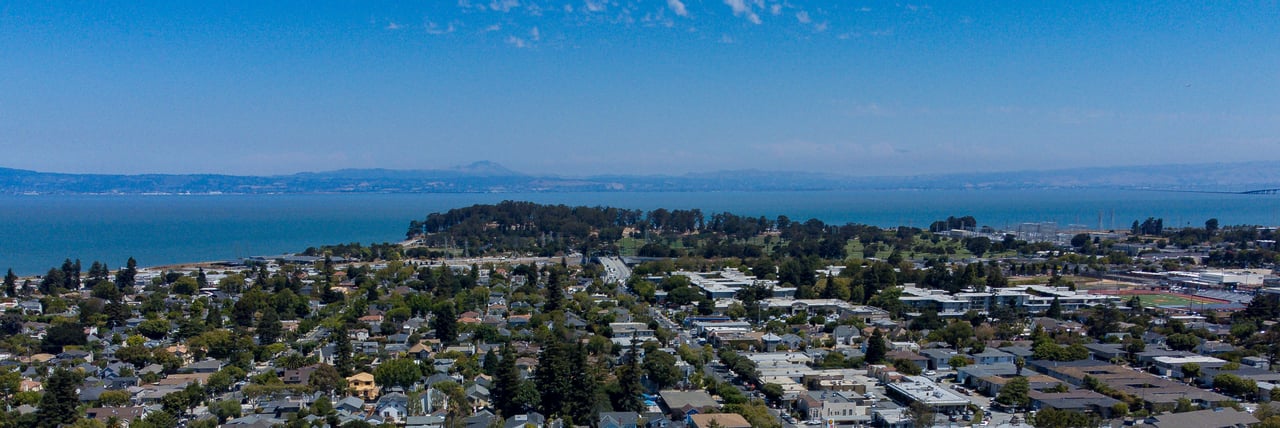
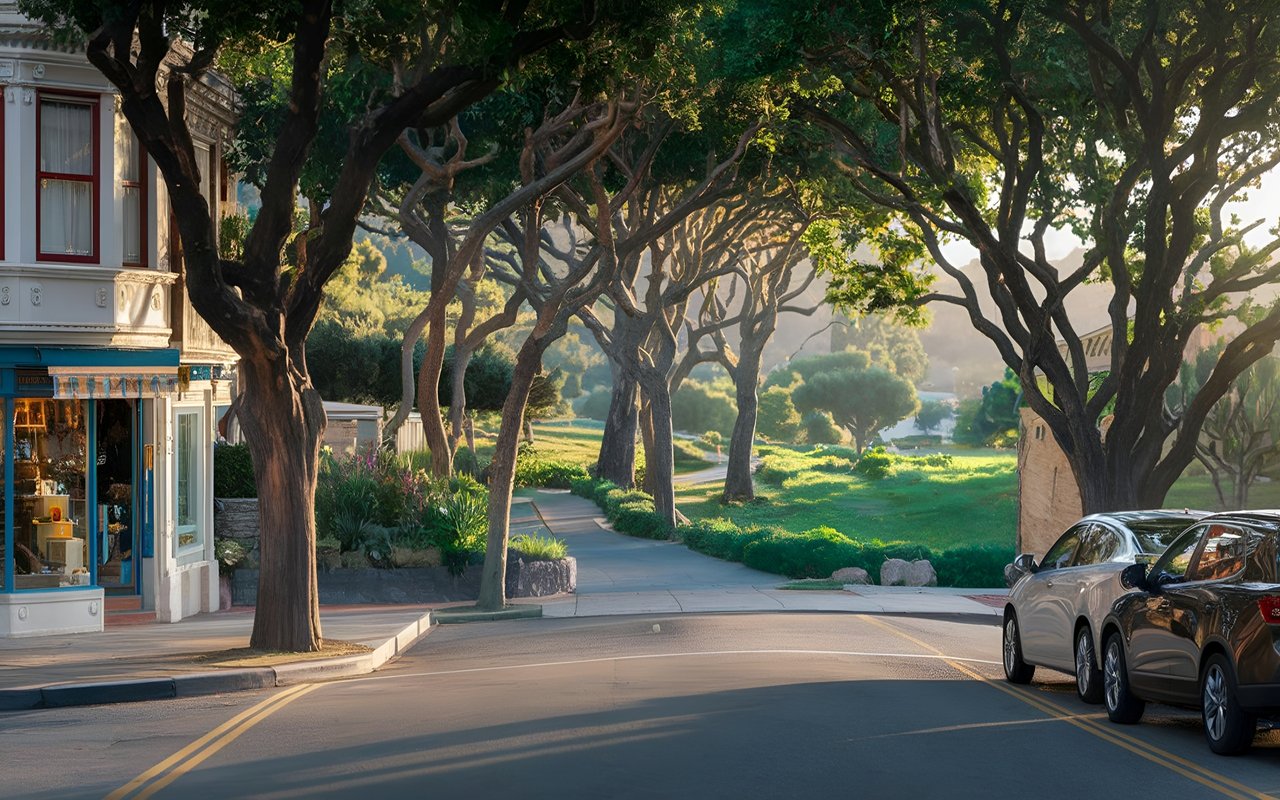
Once you accept that the neighborhood is not one market, the map becomes readable. The physical geography helps here. Glen Park sits at the southeastern edge of the San Miguel Range and includes Gold Mine Hill, a portion of Fairmount Hill to the east, and Martha Hill to the south, with streets that follow the contours down to a small commercial district at Chenery and Diamond.
Those contours create three distinct product types, each with its own pricing logic.
| Sub-market | Where it sits | How it prices |
|---|---|---|
| Village-adjacent SFH | Level and gently sloped blocks around Chenery and Diamond | Highest $/sqft, thinnest comp set, most bidding pressure |
| Hillside mid-century | Steeper streets climbing toward Diamond Heights and Glen Canyon | Prices on outlook, garage access, parking, and updating scope |
| Condos, TICs, flats | Village-adjacent and along the Fairmount slopes | Entry point; prices tied to building, floor, HOA/TIC structure |
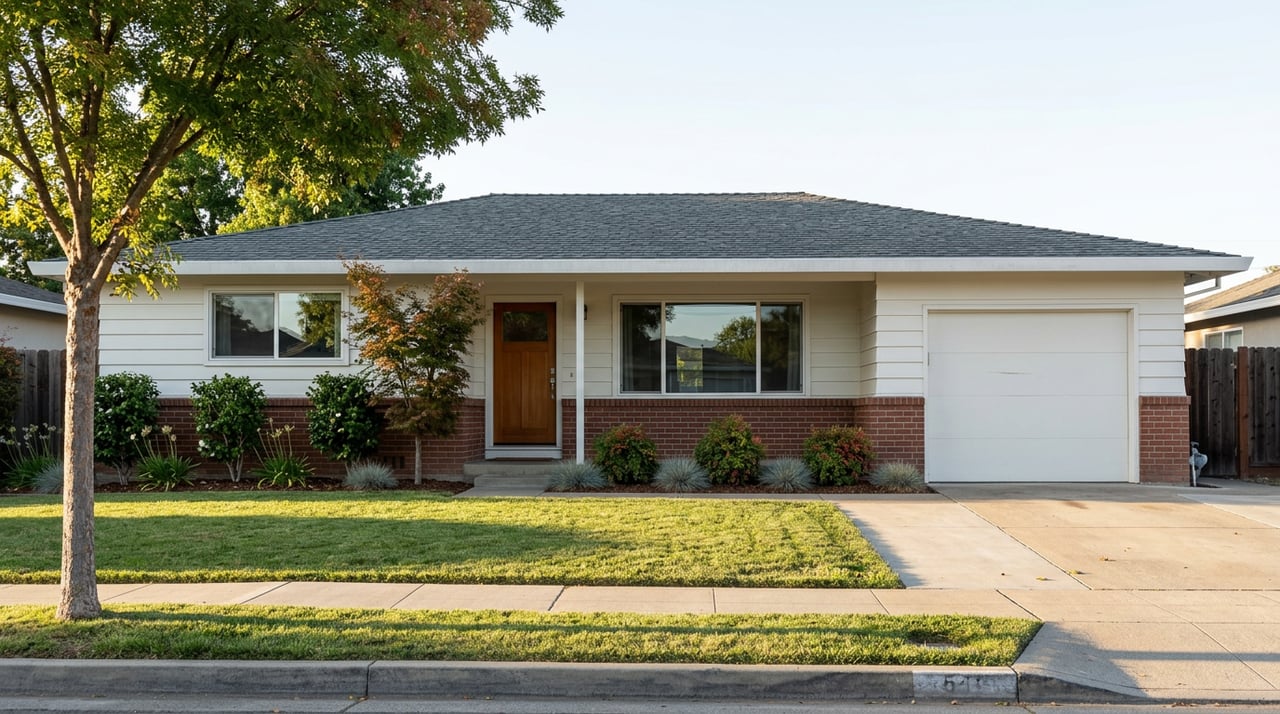
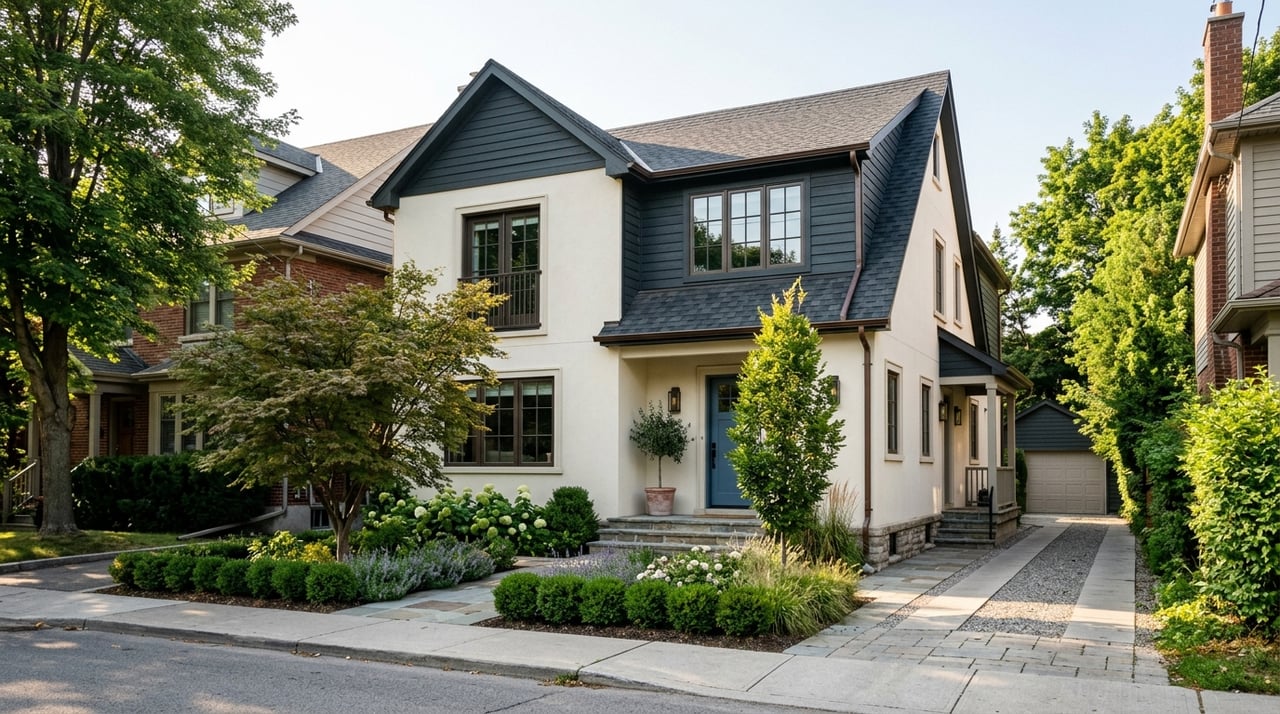
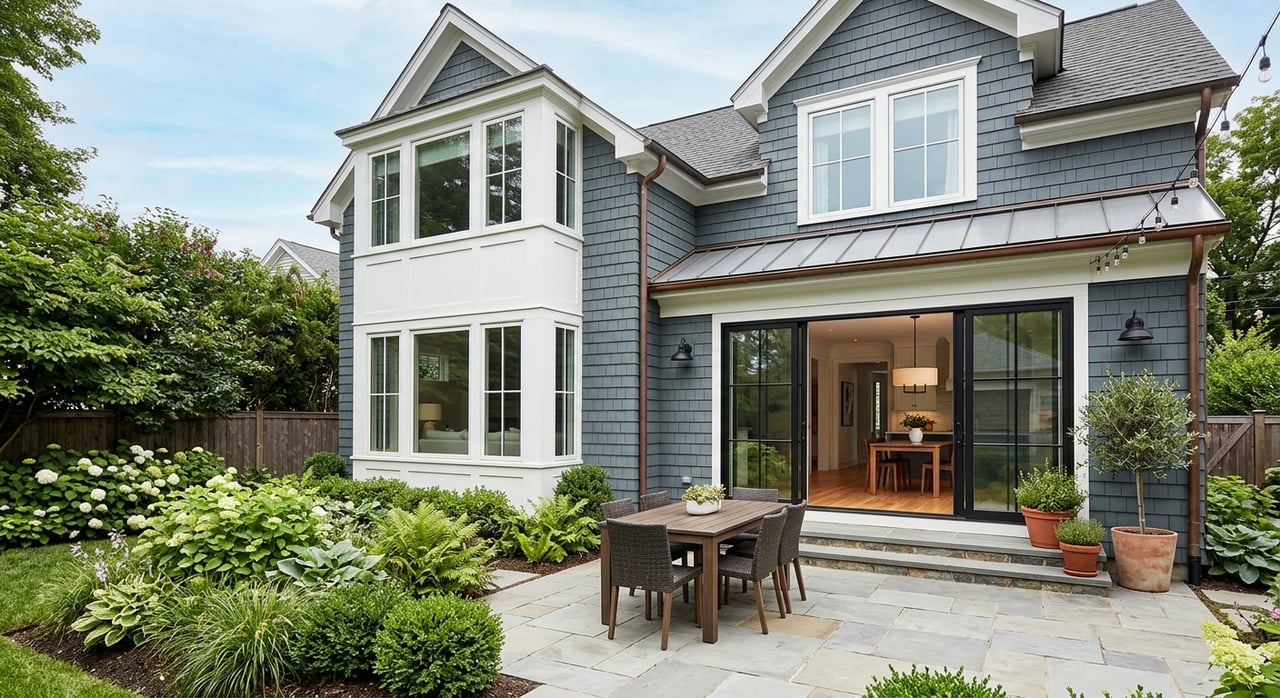
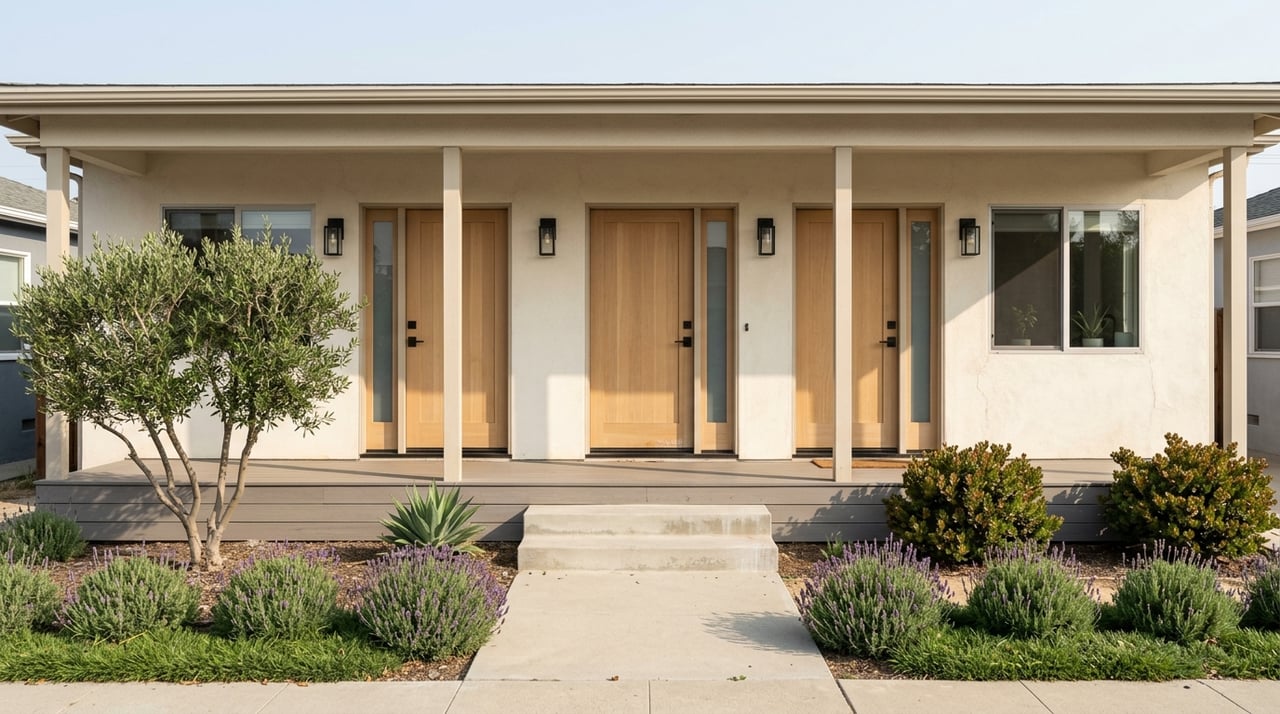
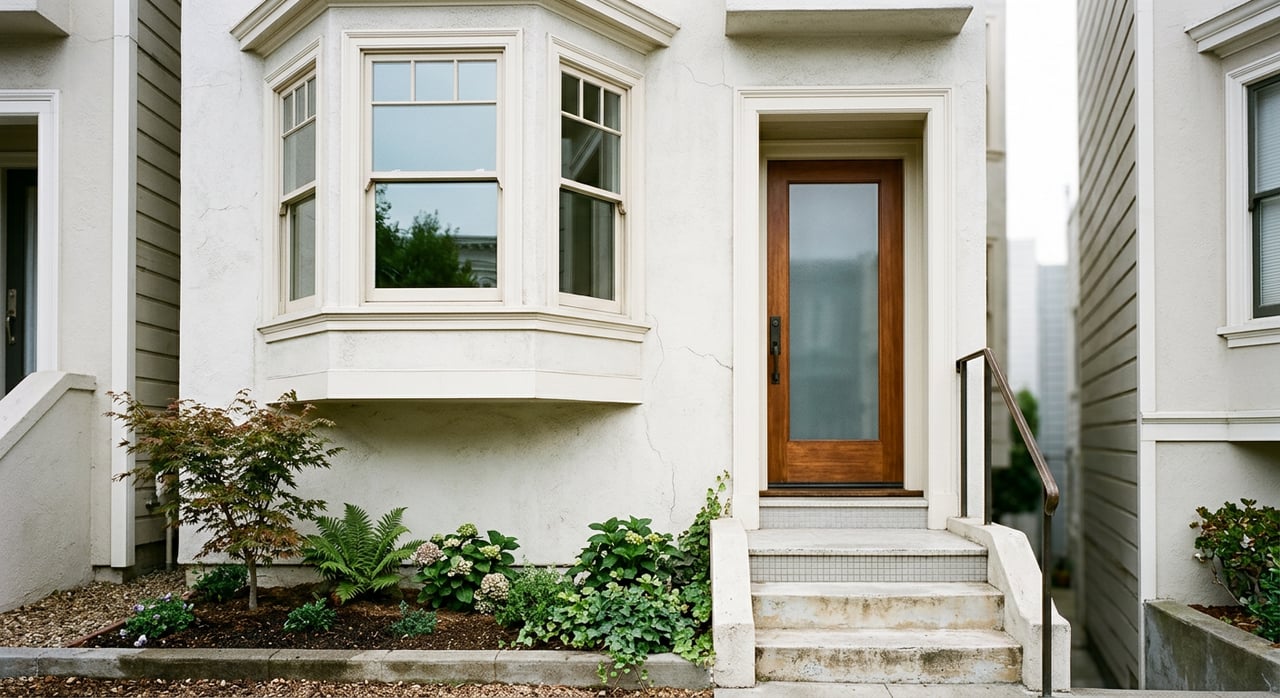
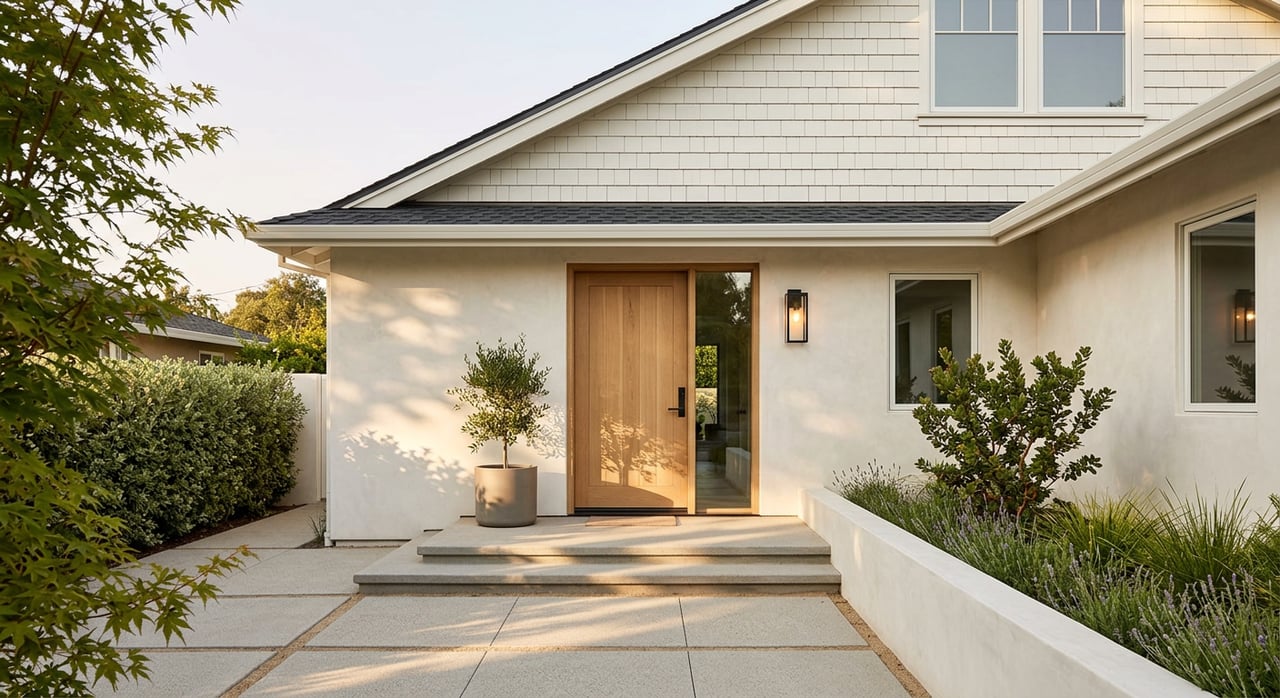
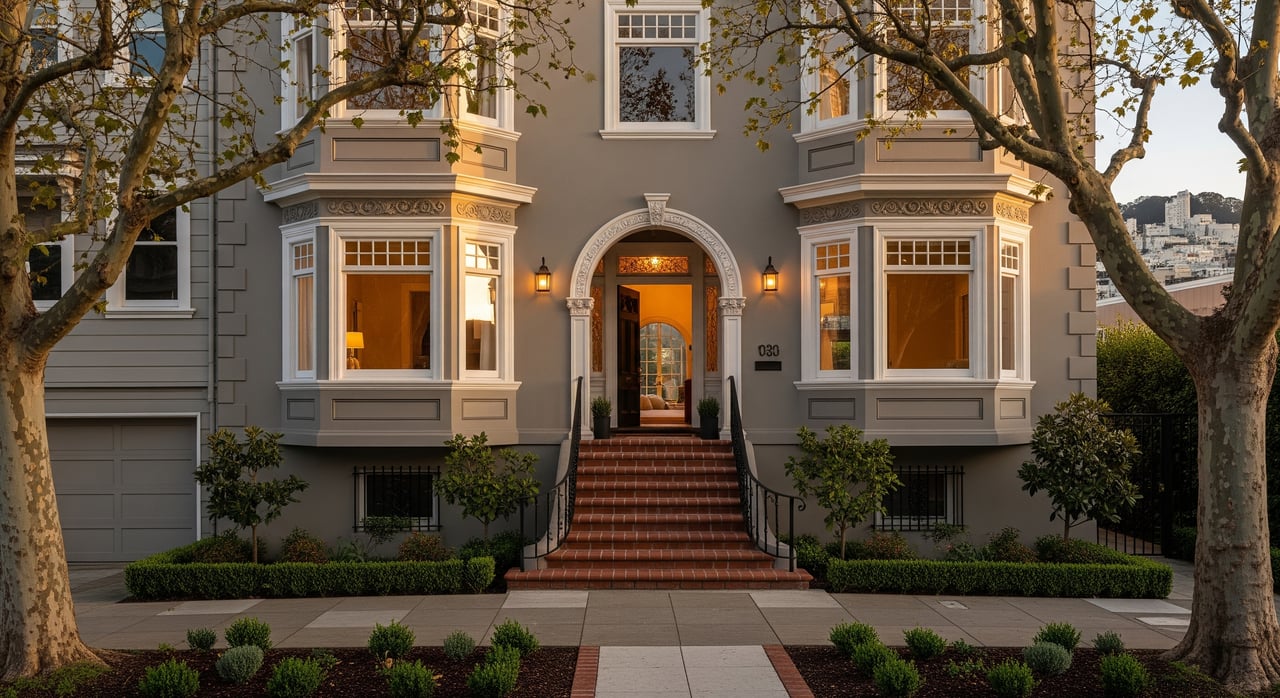
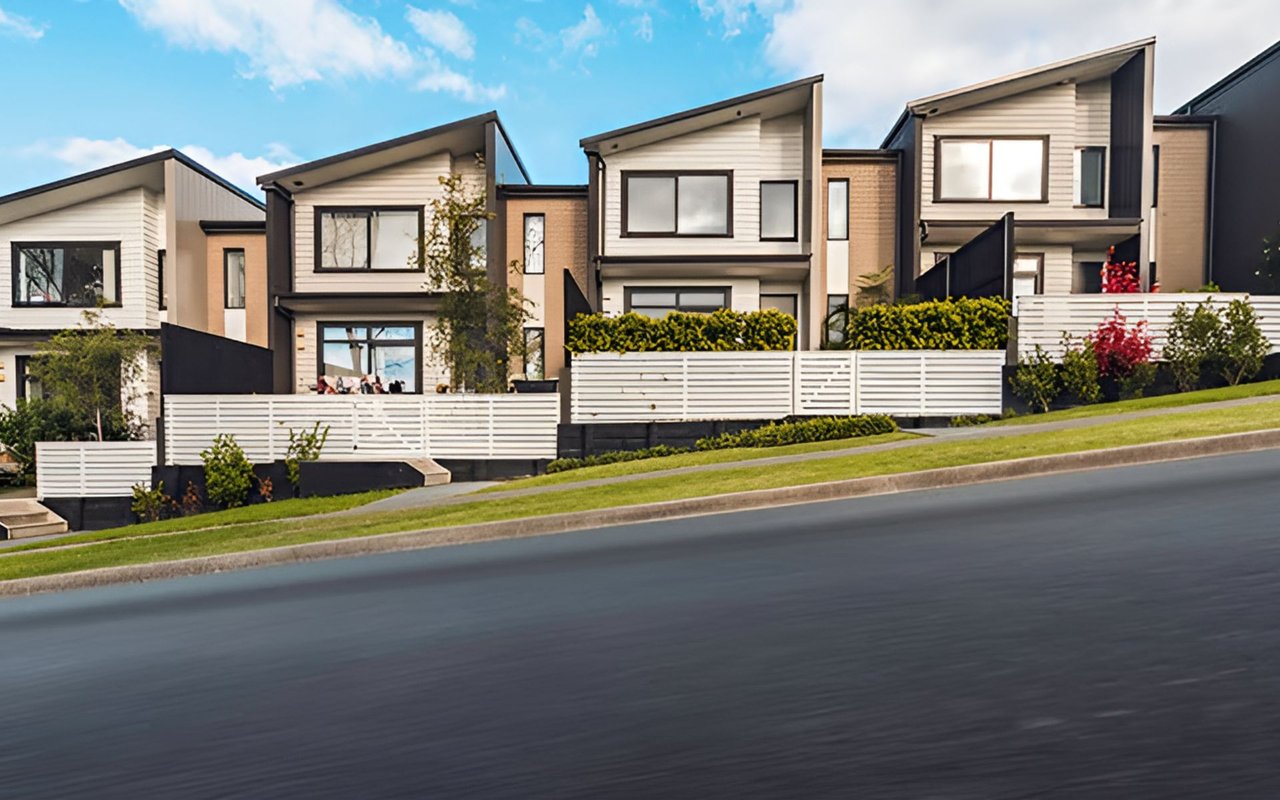
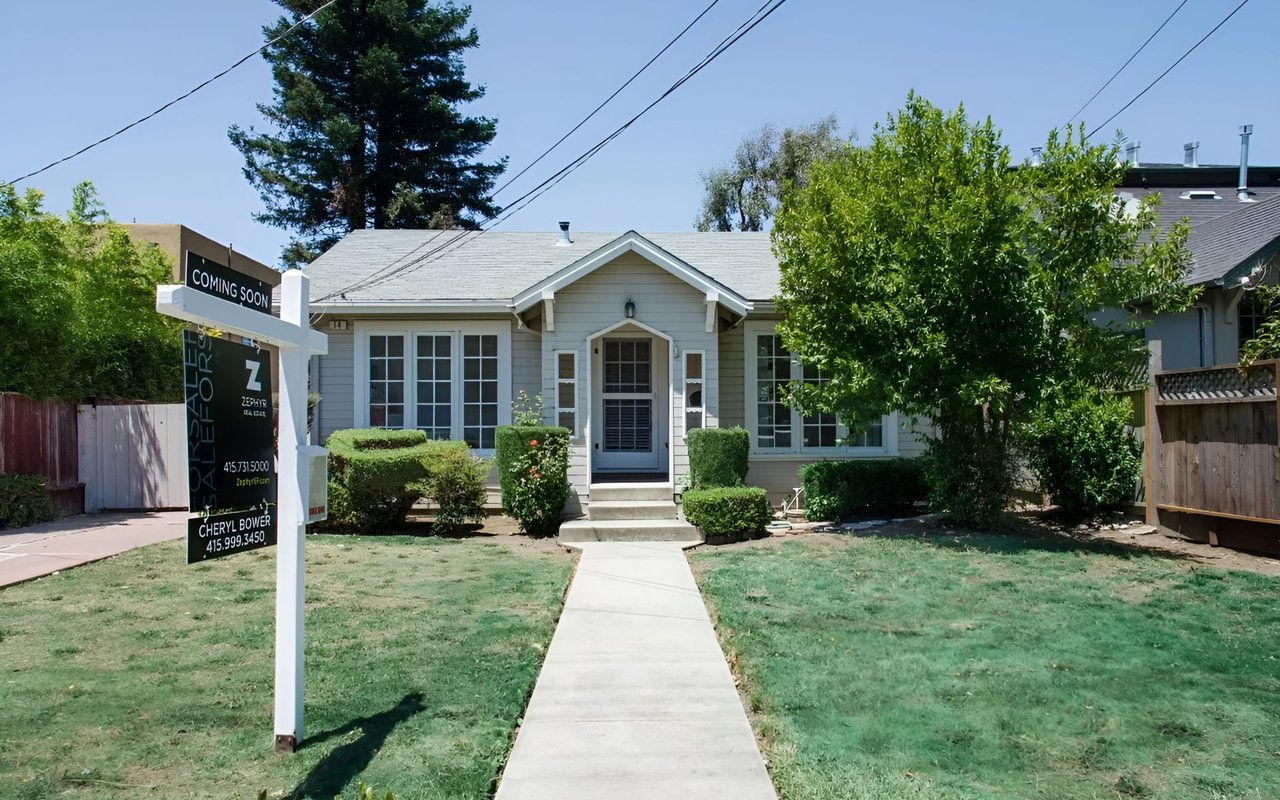
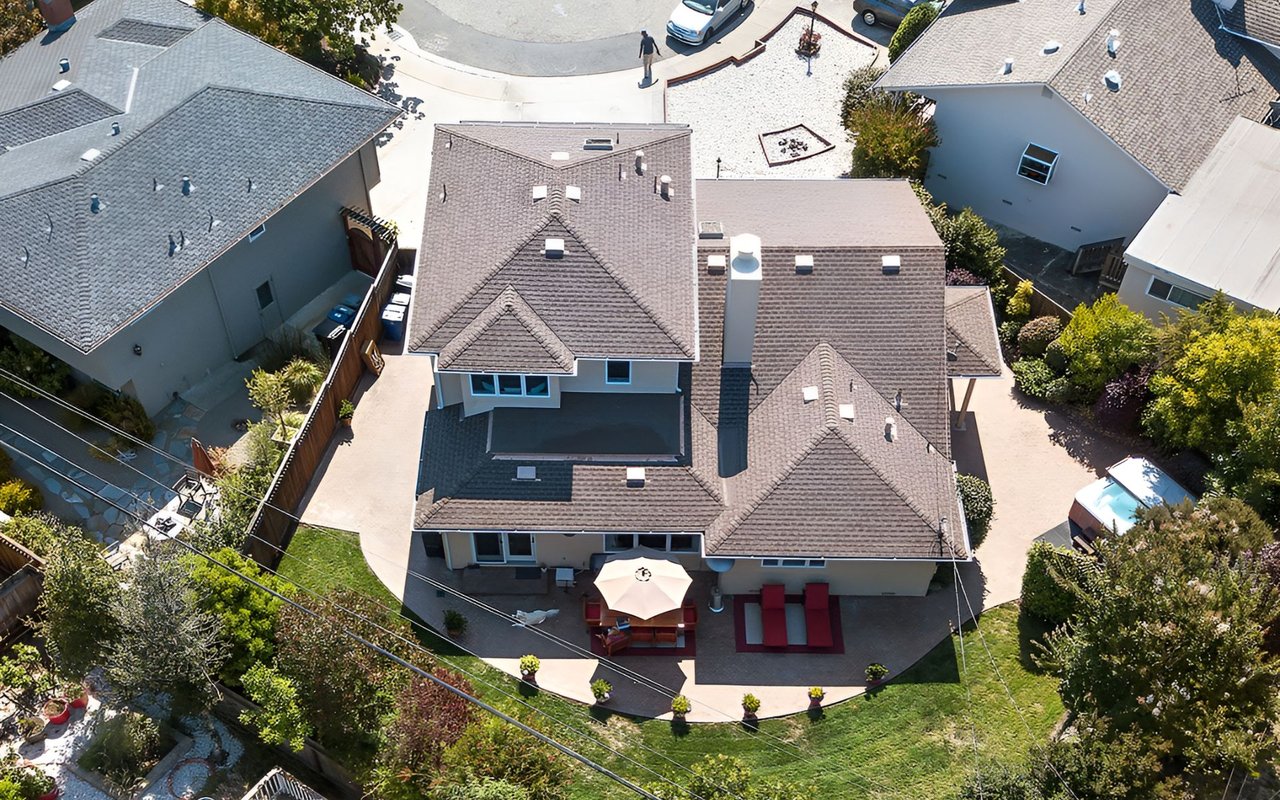
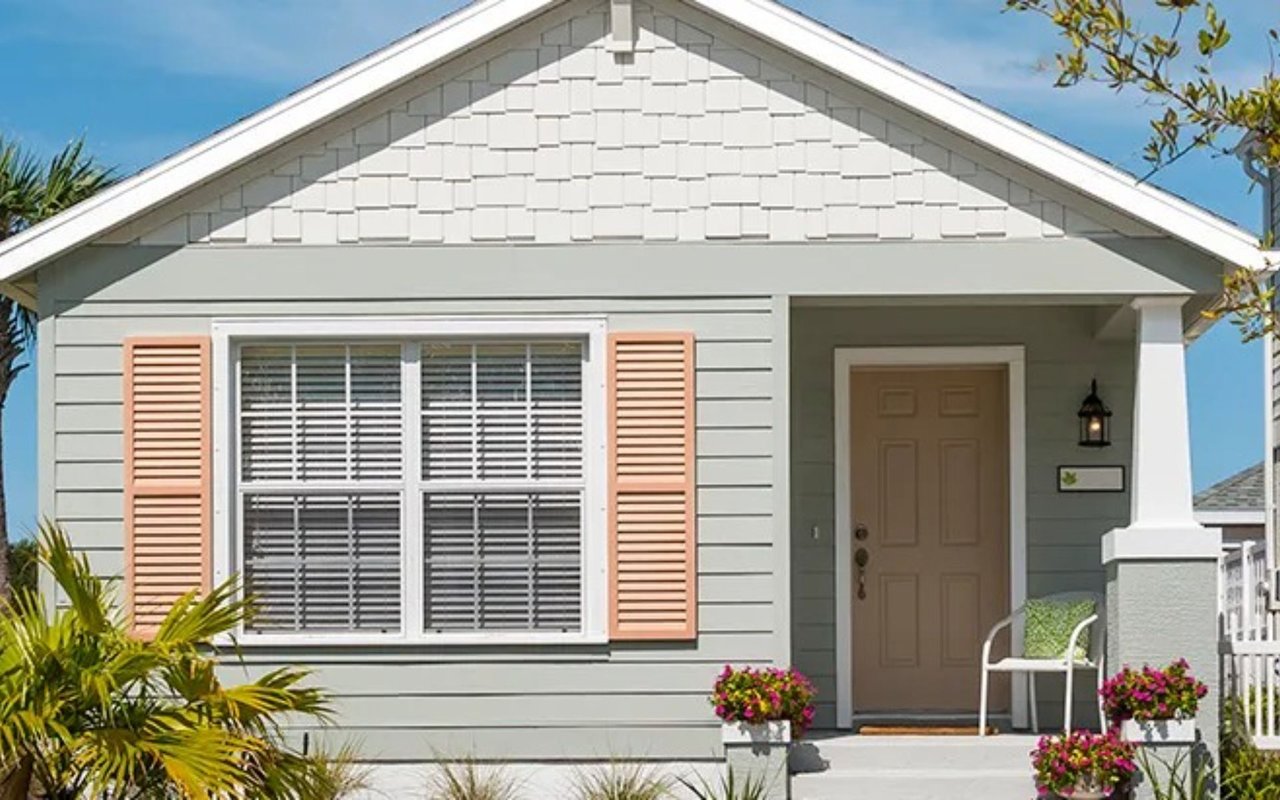
The Village-adjacent single-family home is the driver of the $1,400+ price-per-foot figure. A garage, a real backyard, and a five-minute walk to Glen Park BART and Bird & Beckett Books & Records is genuinely rare in San Francisco, and buyers pay for that specific combination rather than for square footage alone. Comp sets on the level blocks are thin enough that a single strong sale reprices the band for months.
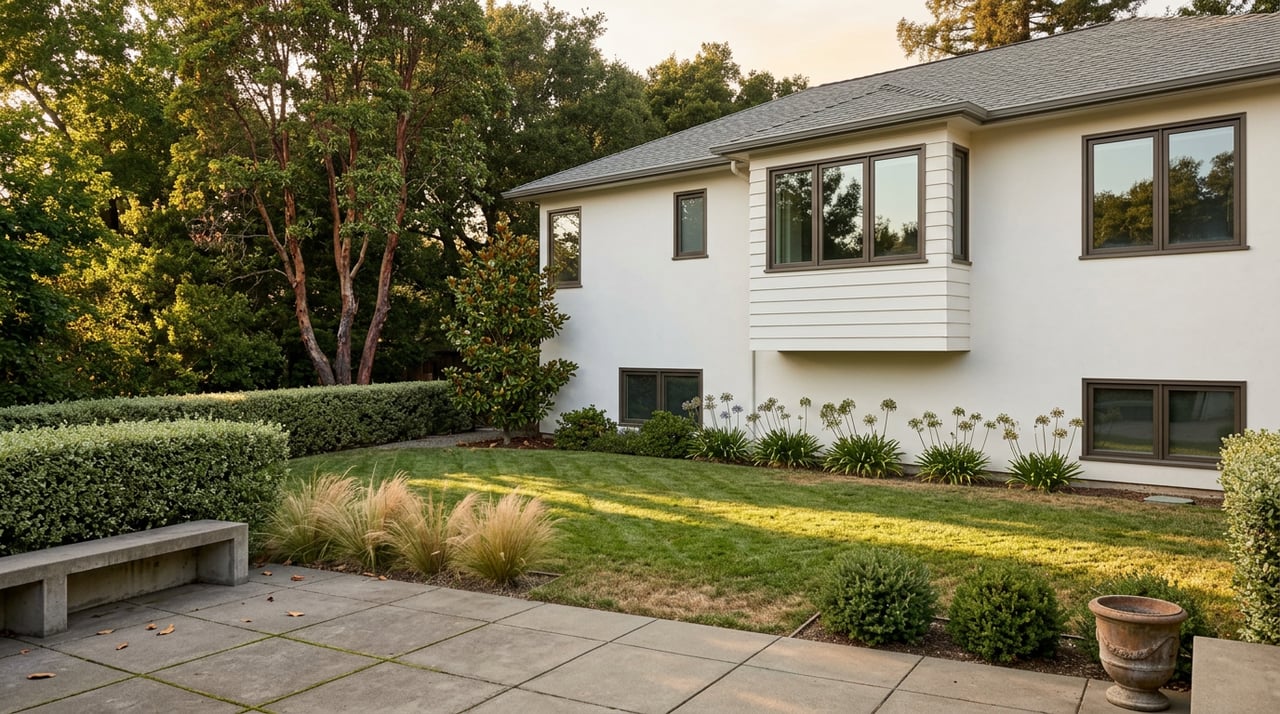
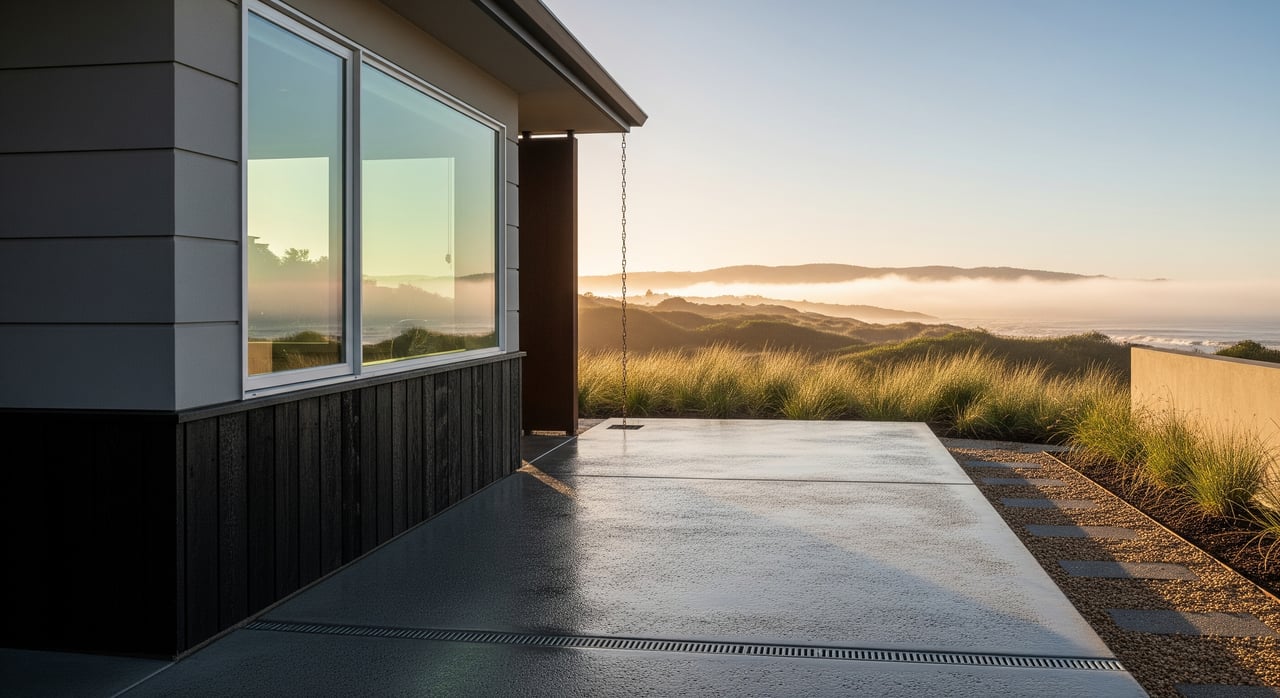
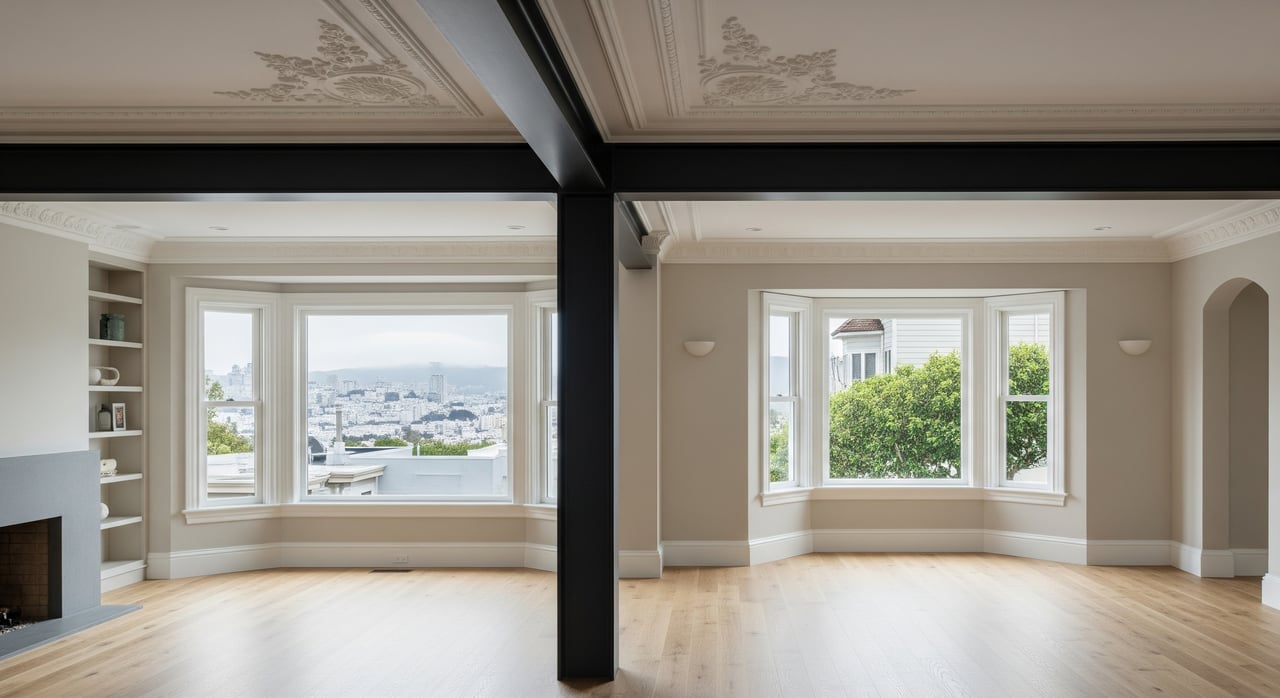
The hillside mid-century houses further up the slopes read as a different property class. Views, garage access on a grade, and the scope of any recent updating dominate the pricing conversation. A well-updated hillside home with a clean garage entry can outperform its comps; a similar home on a harder driveway with dated systems can sit noticeably longer. Buyers should also read the parcel-level ground story here. The May 2026 analysis specifically flagged seismic vulnerability, soft-story retrofit exposure, liquefaction, and landslide potential, which vary widely across the hillside and the Fairmount slope. That is a diligence line item, not a talking point.
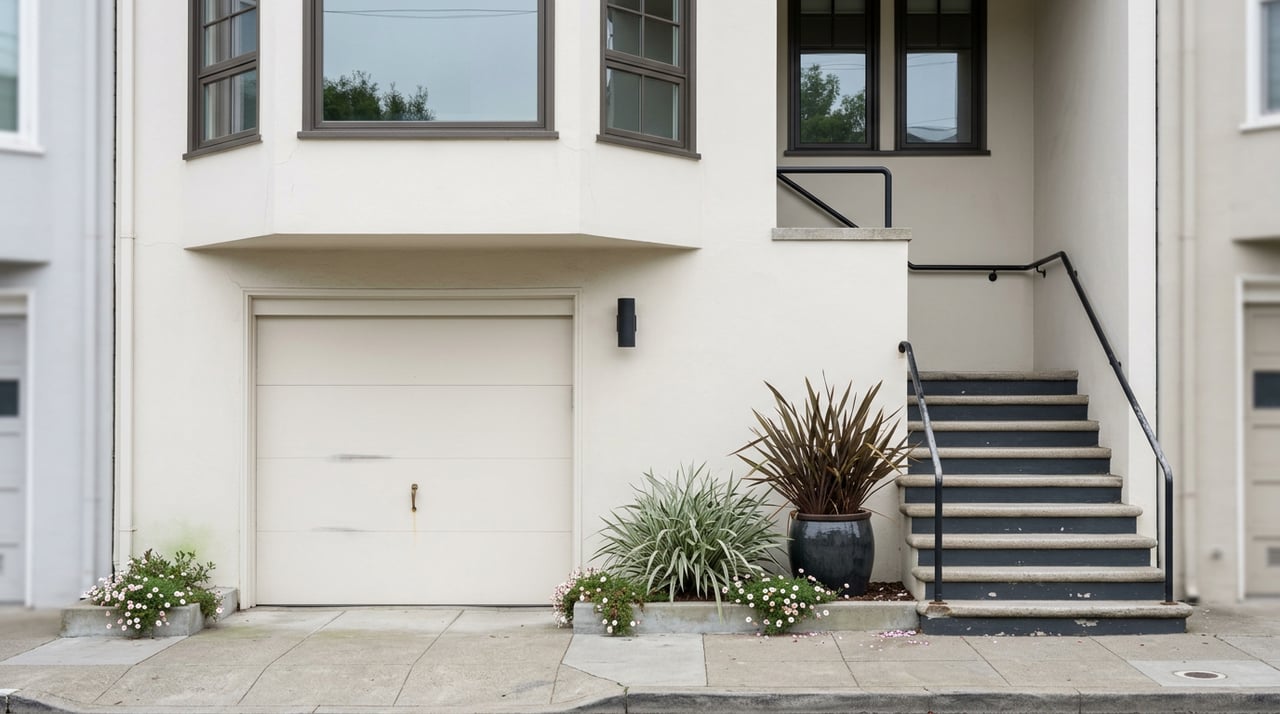
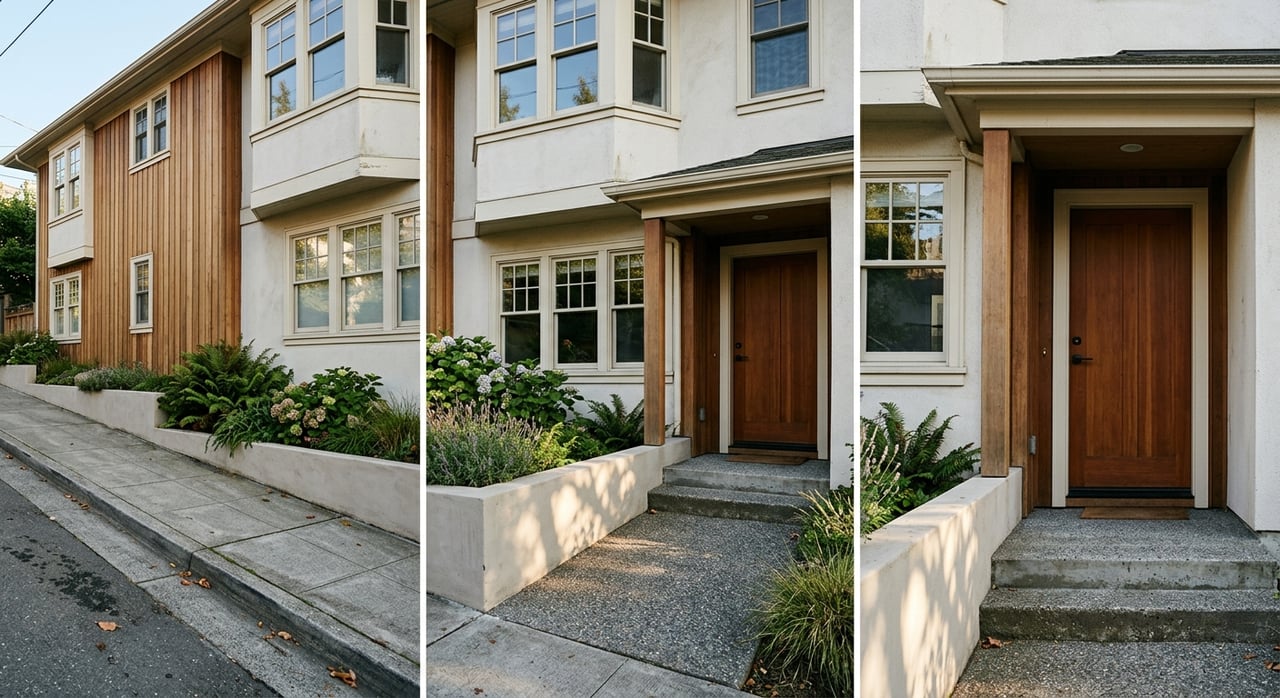
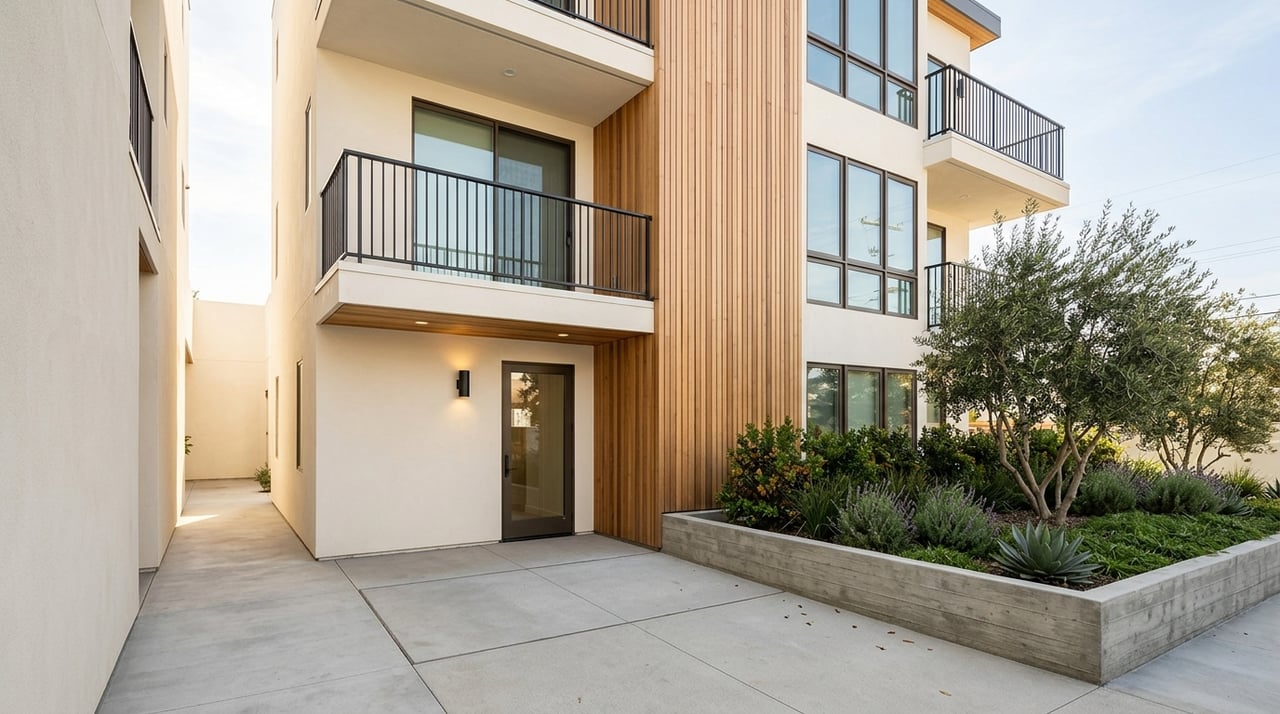
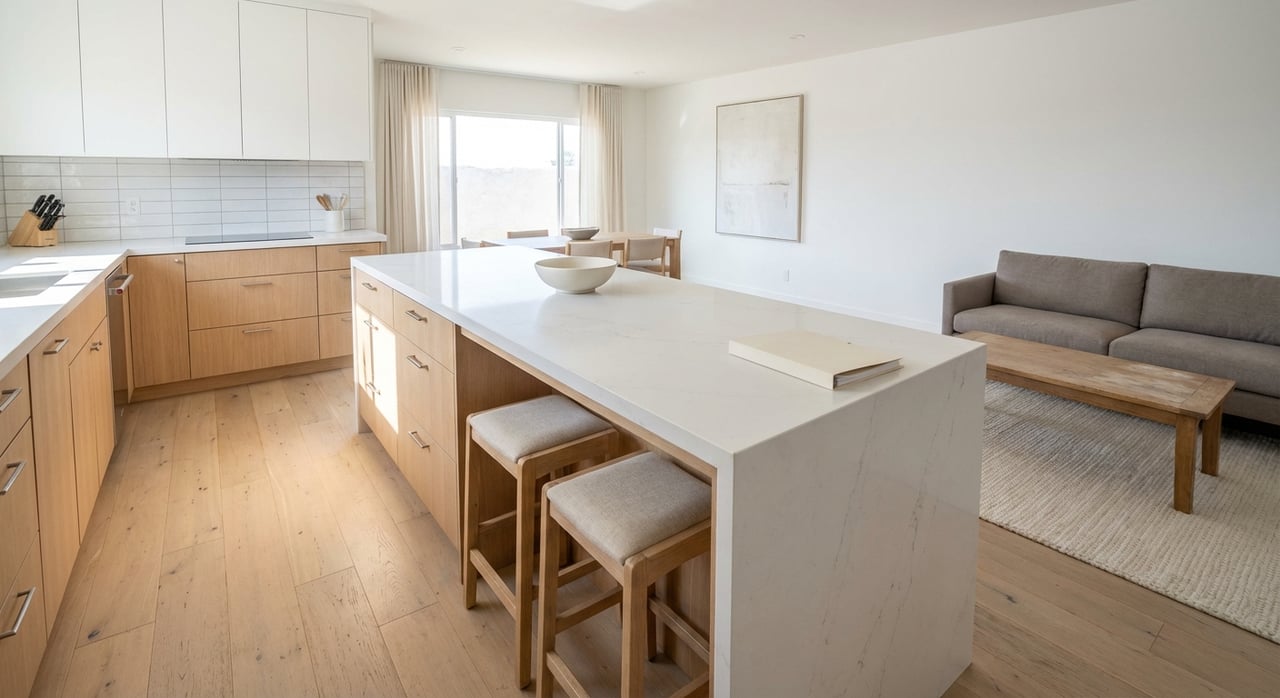
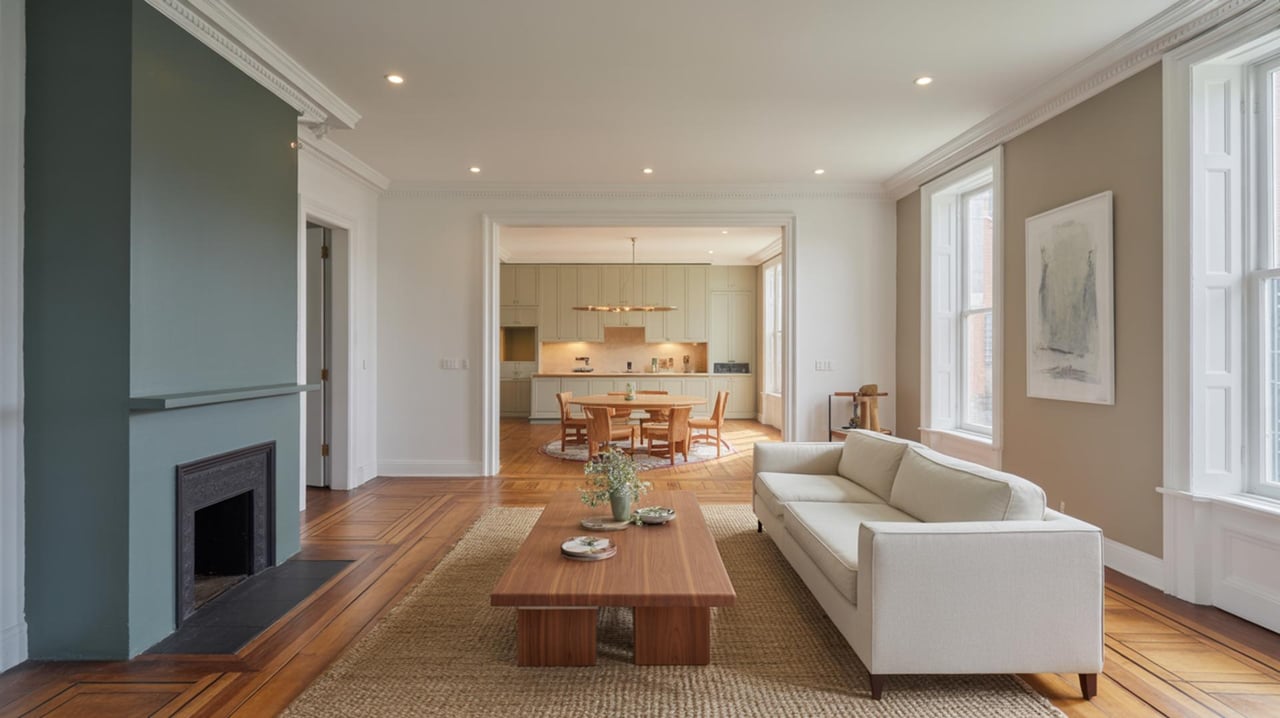
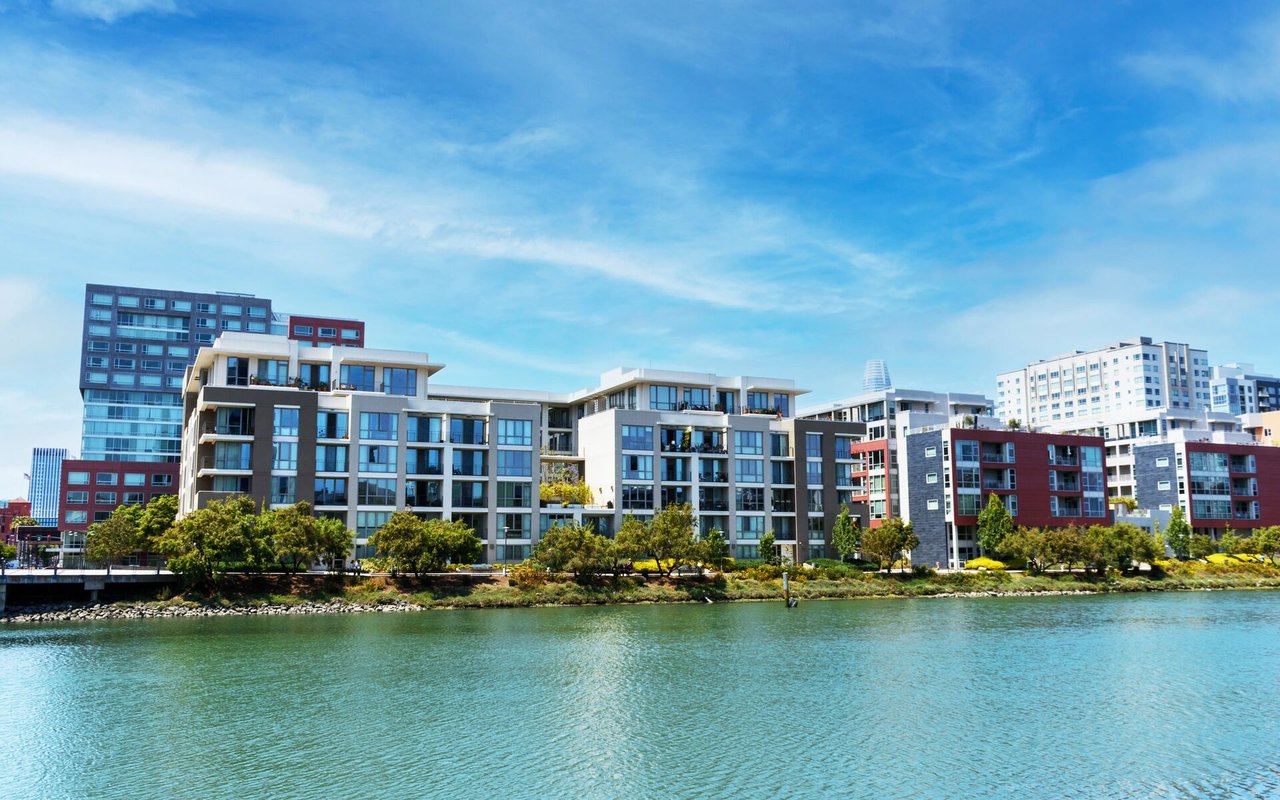
The third sub-market, condos and TICs, is where the divergence from the SFH story is sharpest. Village-adjacent condos still draw interest, but they are trading against the citywide attached-housing pattern, which is not bidding over list. That gives a first-time buyer or downsizer a very different negotiating posture than the family competing for a house two blocks away.
A single "median" that pools 14% year-over-year SFH price-per-foot growth with essentially flat condo pricing is not a market read. It is a blended average of two markets moving in different directions.
What this changes about your offer
If you are writing an offer on a Village-adjacent single-family home, price the property against a comp set that may only include two or three genuinely similar recent sales, and expect the seller's agent to be reading the same short list. Homes with garage, outdoor space, and light are getting the roughly 20% over asking that the summer 2026 recap flagged. The strategic question is not whether to compete, it is which contingencies you are prepared to shorten, because thin comp sets make appraisal risk a real conversation.
If you are writing on a hillside mid-century, the pricing negotiation is about the specific outlook, the ease of the garage on a grade, and the scope of work you would take on after close. The comp set here is even thinner and less transferable across blocks. A pre-offer conversation with a structural engineer or a foundation contractor is often more valuable than another Saturday of open houses.
If you are writing on a condo or TIC, you are shopping in a market that has been flat for years at the citywide level. That does not mean Glen Park condos are soft, it means the pricing power sits with the building's specifics: floor, light, outdoor space, HOA or TIC financing terms, and how the unit shows relative to what else is active. Buyers here can often ask for reasonable contingency timelines that the SFH market would not entertain a block away.
The through-line: same ZIP, same "median," three different negotiations.
FAQ
Is the widely quoted Glen Park median misleading?
Not misleading, but incomplete. The June 2026 year-to-date median of $2,275,000 is a real number. It just averages three product types that are pricing on different logics, so it should be a starting point rather than an offer benchmark.
Why has inventory been so persistently thin?
Proposition 13 gives long-tenure owners a strong reason to stay. With more than 736 Glen Park residential parcels held for over two decades, new supply does not casually appear. When a well-prepared home lists, the qualified buyer pool is already waiting.
Are Glen Park condos a better relative value right now?
They are trading in line with the broader San Francisco attached-housing market, which has not been bid over list since 2022 at the citywide level. That gives buyers a different negotiating posture than the SFH market a block away, particularly on contingencies and timelines. The right building matters more than the neighborhood average.
What should hillside buyers check before writing?
Beyond the standard inspections, the parcel-level ground story. The May 2026 neighborhood analysis specifically flagged seismic vulnerability, soft-story retrofit exposure, liquefaction, and landslide potential varying across the hillside and Fairmount slope. A structural walk-through before offer, not after acceptance, is often the better sequence here.
If you are weighing an offer in Glen Park and want a read on which of the three sub-markets your target property actually sits in, and what the recent comps say about pricing power on that specific street, Cheryl Bower can walk the block with you before you write. Reach out for a private market conversation or a home valuation.