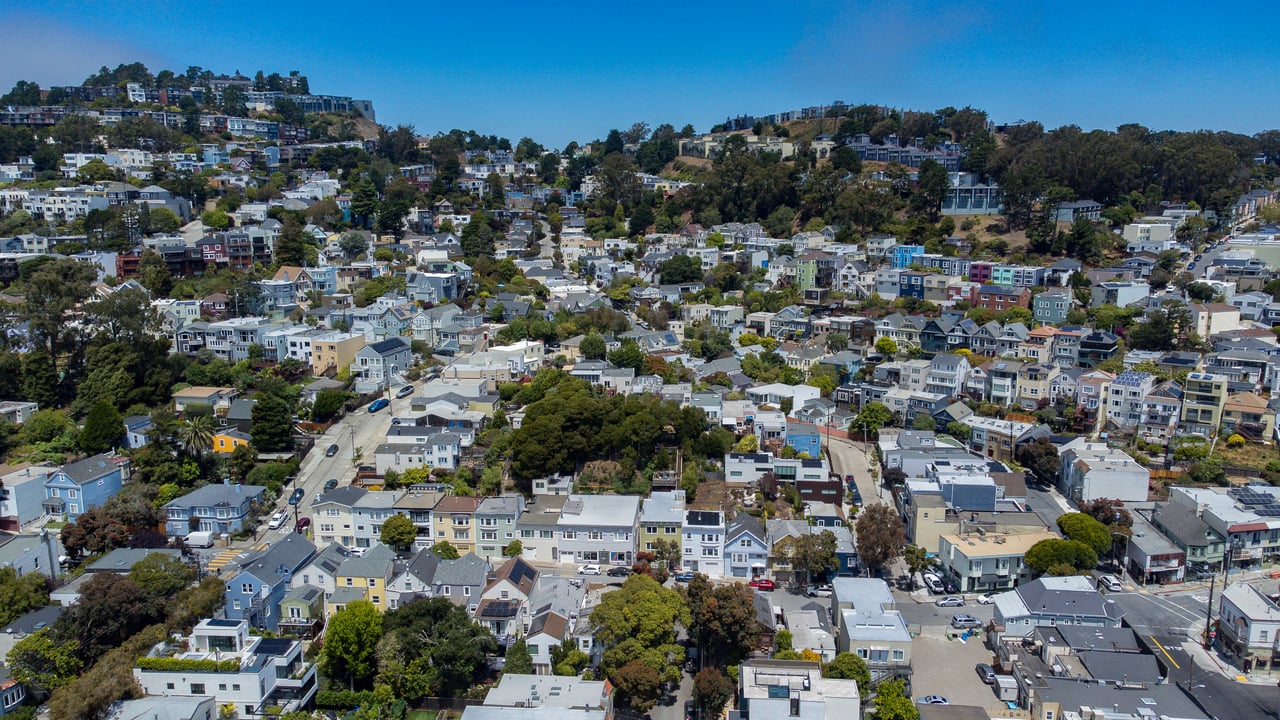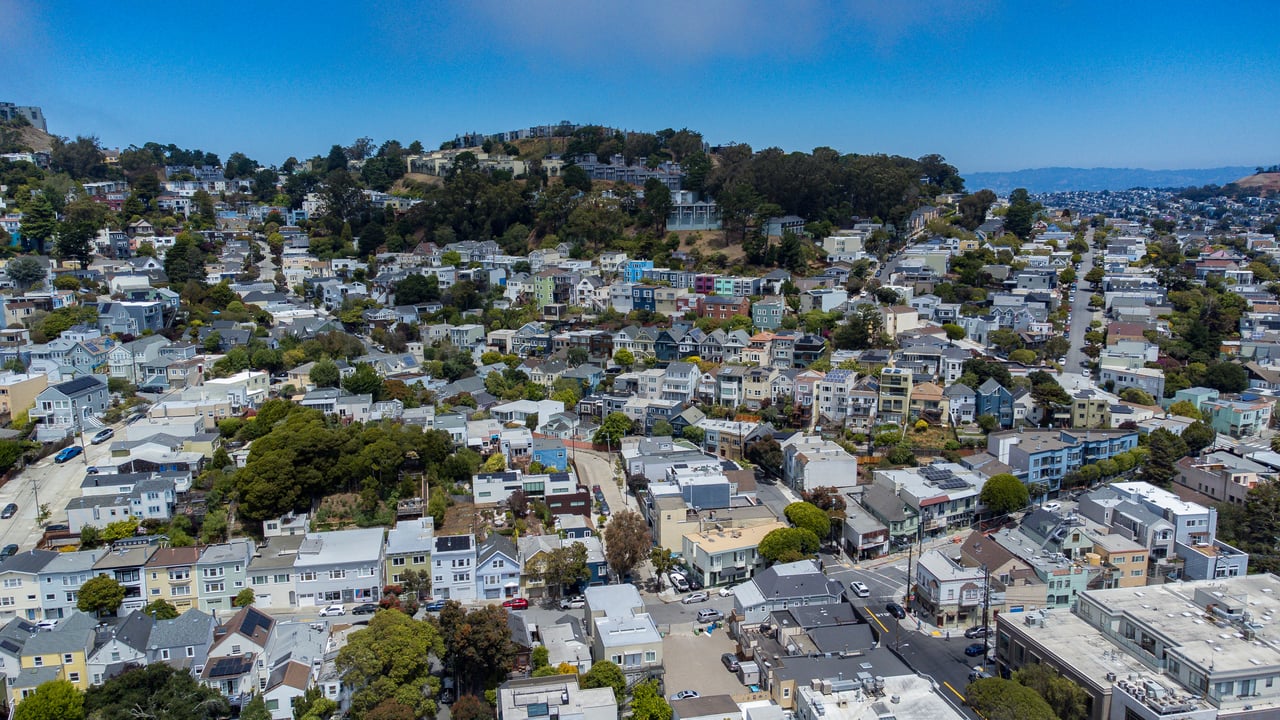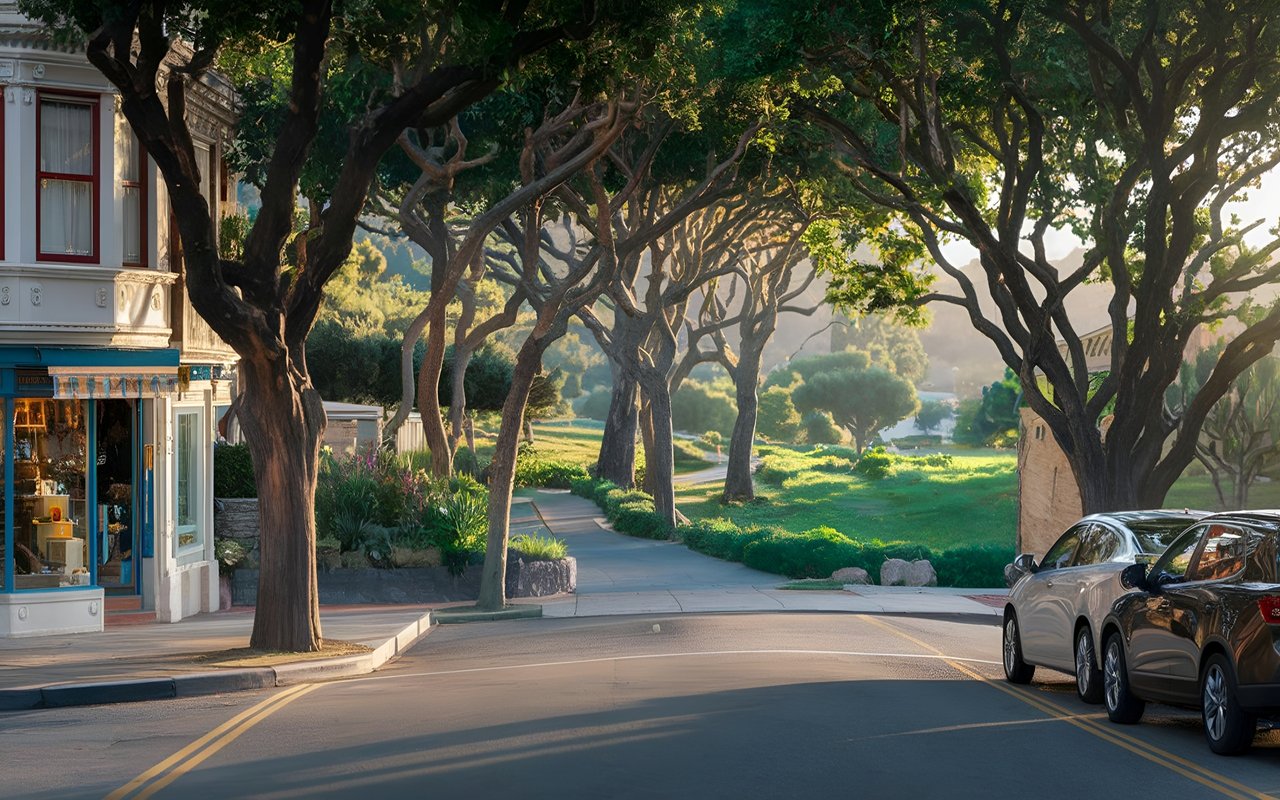
Walk down Chenery Street on a random Tuesday evening and Glen Park feels like what it always claims to be: a quiet village between the freeway noise of the Outer Mission and the fog line over Twin Peaks. Walk down that same block three weeks later, on the right Friday, and something has changed. The lights are on later at Bird & Beckett. There's a line for the register at Gus's Market. Somebody's dog is tied up outside the bookstore because its owner couldn't resist ducking in for the music.
The neighborhood isn't evenly busy across the month. It has a rhythm, and that rhythm peaks on the third weekend.
The pattern hiding in a bookstore's calendar
Bird & Beckett Books & Records, the shop at 653 Chenery Street that Eric Whittington opened in 1999 and moved around the corner to its current spot in 2008, runs two of its longest-standing jazz residencies on a fixed monthly schedule. Guitarist Scott Foster, who has anchored the shop's regular jazz programming since it began in late 2002, leads his own combo on the third Friday of every month. Drummer Vince Lateano, a mainstay of the San Francisco jazz scene since he arrived from Sacramento in the 1960s, brings his trio with bassist Peter Barshay and pianist Ben Stolorow to the same stage on the third Sunday, and the trio runs a jam session on the last Sunday as well.
That alone would just be a nice detail about a neighborhood bookstore. What makes it a pattern is what falls in between those two dates. For four months this year, June through September, the Glen Park Night Market has taken over Kern Street between Diamond and Brompton on the same run of third Saturdays. Live music, local makers, food from neighborhood regulars, all happening on the exact Saturday that sits between Scott Foster's Friday set and Vince Lateano's Sunday one.
Nobody planned this as a coordinated calendar. A bookstore's booking habits and a street market's seasonal schedule arrived at the same weekend independently. But the effect on the ground is real: for one weekend out of every four, Glen Park is doing three consecutive nights of something instead of its usual one.
Third Friday: the bookstore that outgrew its name
Bird & Beckett looks like what it is, a general-interest bookshop strong on literature, poetry, jazz history, and art, with low ceilings and a back room called Ex-Libris that doubles as a small gallery. What the shelves don't tell you is that the shop runs more than two dozen live events a month, including at least three concerts a week, almost all of it funded by a pay-what-you-can door and a nonprofit called the Bird & Beckett Cultural Legacy Project that covers musician wages, insurance, and licensing fees the cover charges alone don't touch.
Scott Foster's third-Friday date is one of the anchors of that schedule. He's an East Bay native trained at Berklee who now chairs the performing arts department at San Francisco's Urban School, and he's been showing up to lead a combo at Bird & Beckett since the shop's weekly jazz programming started. The room seats maybe forty people comfortably. On a good third Friday, it doesn't feel like it.
Saturday belongs to the canyon first
Between Friday's set and Saturday night's market sits a version of Glen Park most visitors never see: the daytime one, built around Glen Canyon Park and the greenway trail that connects it to the village.
Islais Creek is the reason the canyon exists in its current shape. It's one of only two creeks in San Francisco that still flows above ground anywhere in the city, and in the 1800s it supplied as much as 85 percent of San Francisco's drinking water. Most of its length was buried after the 1906 earthquake and again during later development, but the stretch running through Glen Canyon Park still flows free, feeding a rocky, chert-outcropped 70-acre canyon that the city almost lost entirely.
In the 1960s, San Francisco planned to route the Crosstown Freeway straight through it, connecting I-280 to the Golden Gate Bridge. Three young Glen Park mothers, Zoanne Theriault Nordstrom, Joan Seiwald, and Geri Arkush, organized against the plan and stopped it. City officials at the time nicknamed them the "Gum Tree Girls," meant as a dismissal. The name stuck anyway, and today it belongs to one of the canyon's own hiking trails.
That history is easy to miss if you're just there for the dog walk, but it's part of why the trails feel the way they do now: a network of paths (Islais Creek Trail along the water, Coyote Crags Trail up along the rock outcroppings, Gum Tree Girls Trail winding past the old freeway fight's ground zero) that locals treat less like a destination hike and more like a errand route. A loop through the canyon before or after a stop at Gus's Market is a normal Saturday, not a special occasion.
Third Saturday night: Kern Street, for now
By evening, the energy shifts three blocks over to Kern Street, where the Glen Park Night Market sets up between Diamond and Brompton for its third-Saturday run. It's a straightforward format: local makers, live music, food from neighborhood vendors, all under string lights on a residential street built for exactly this kind of one-night takeover.
The market only runs June through September, so this month's installment is the last one until next summer. That seasonal limit matters for how the neighborhood treats it. There's no casual assumption that the market will just be there next month the way Bird & Beckett's jazz nights will. September's third Saturday carries a little more weight because everyone selling and shopping there knows the next one is months away.
Third Sunday closes the loop
By Sunday, the volume drops but the room at Bird & Beckett fills again for Vince Lateano's trio, a lower-key set that closes out the weekend the same way Scott Foster opened it three nights earlier. It's a small thing, a single trio playing a single set in a single bookstore, but it's the kind of small thing that repeats often enough to become a fixture rather than an event.
Put the three nights together and you get a weekend built almost entirely out of things that only happen because a handful of people decided to keep showing up: a guitarist honoring a twenty-plus-year booking, a market organized around a four-month season, a drummer who's been a fixture of San Francisco jazz since the 1960s still playing a monthly date in a neighborhood bookstore.
Why the third weekend, specifically
None of this happened by citywide design. San Francisco is in the middle of its own moment of leaning into neighborhood identity, with the city's Good Neighbor Week kicking off at Civic Center on September 26 and running through October 4 this year, a citywide push to spotlight the small commercial corridors that make up neighborhoods like this one. Glen Park has had its own version of that spotlight already. In 2025, Time Out named it one of the coolest neighborhoods in the world, coverage that made at least one longtime mural organizer in the neighborhood note that its appeal has always come from being unshowy rather than performed.
That's the part worth sitting with. The third-weekend rhythm isn't a marketing calendar. It's what's left when a bookstore owner keeps a twenty-year booking habit, a street market commits to a short season instead of overpromising a year-round one, and a canyon that almost became a freeway keeps drawing people down into it on a Saturday morning. None of it needed to add up to a pattern. It did anyway, and that's a better argument for what makes this neighborhood work than anything a ranking list could put into words.
If you already live here, you've probably felt this rhythm without naming it, the sense that some weekends in Glen Park just run a little fuller than others. Now you know why, and you know which Friday to walk past Bird & Beckett with your evening plans still open.
For those thinking about what a home in a neighborhood with this kind of texture is actually worth, Cheryl Bower has spent her career learning the corridors, canyons, and calendars that make San Mateo County and San Francisco's micro-neighborhoods work the way they do. Reach out anytime you want a local's read on the market, not just the map.