Most sellers in the Sunset District order their 3R report and relax. It is the city's own paperwork, delivered by the city's own building department, so the assumption is that whatever has been going on with the garage downstairs for the last thirty years will show up on it one way or another. That assumption is wrong, and it is wrong in a specific, structural way that has nothing to do with how careful the seller has been.
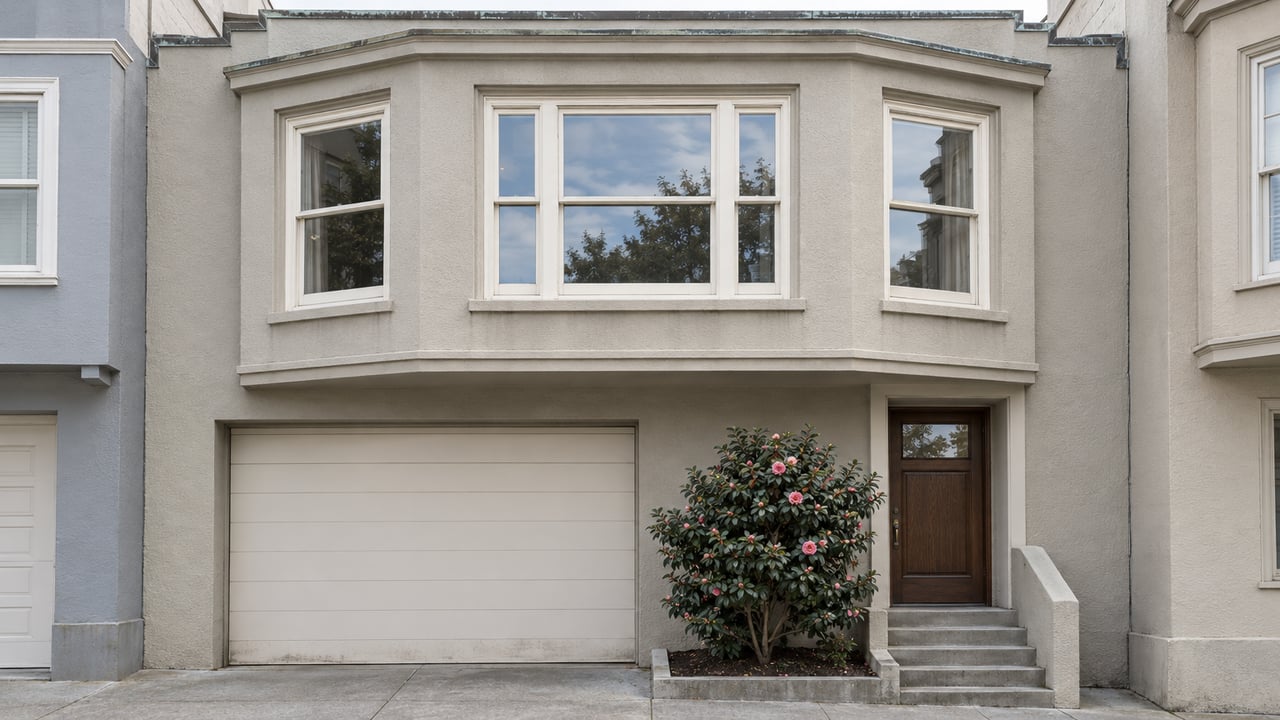
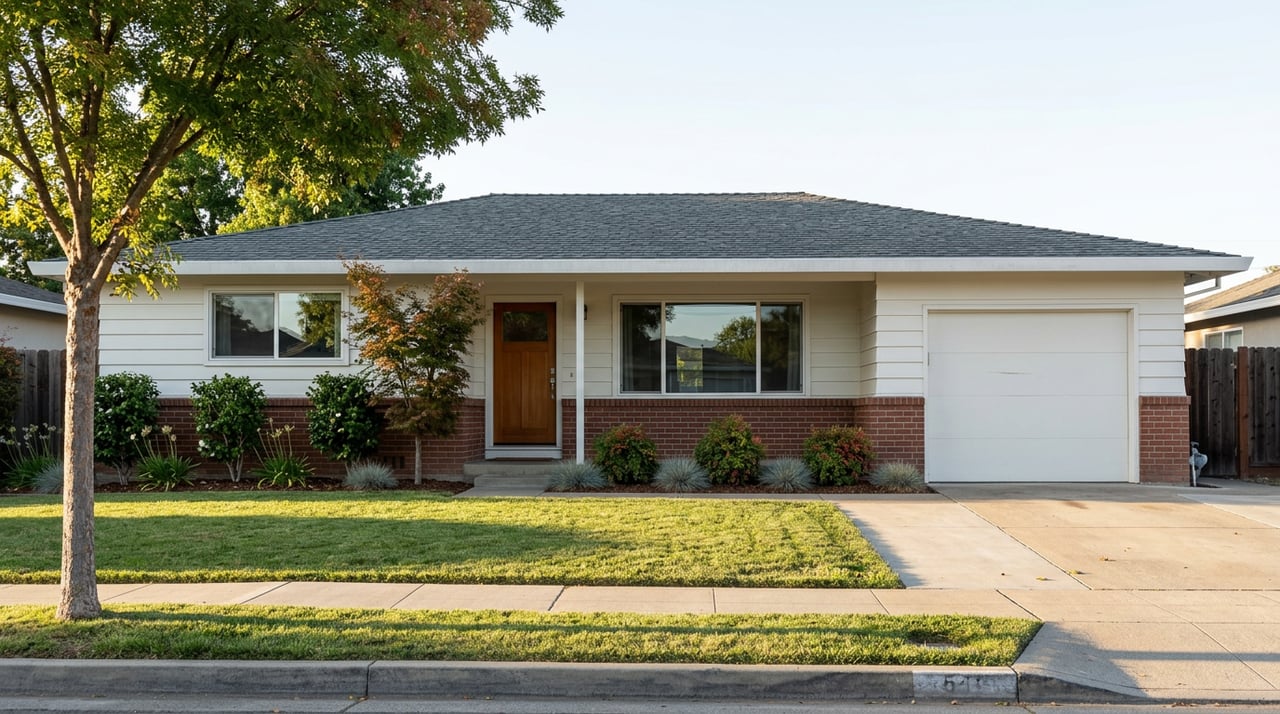
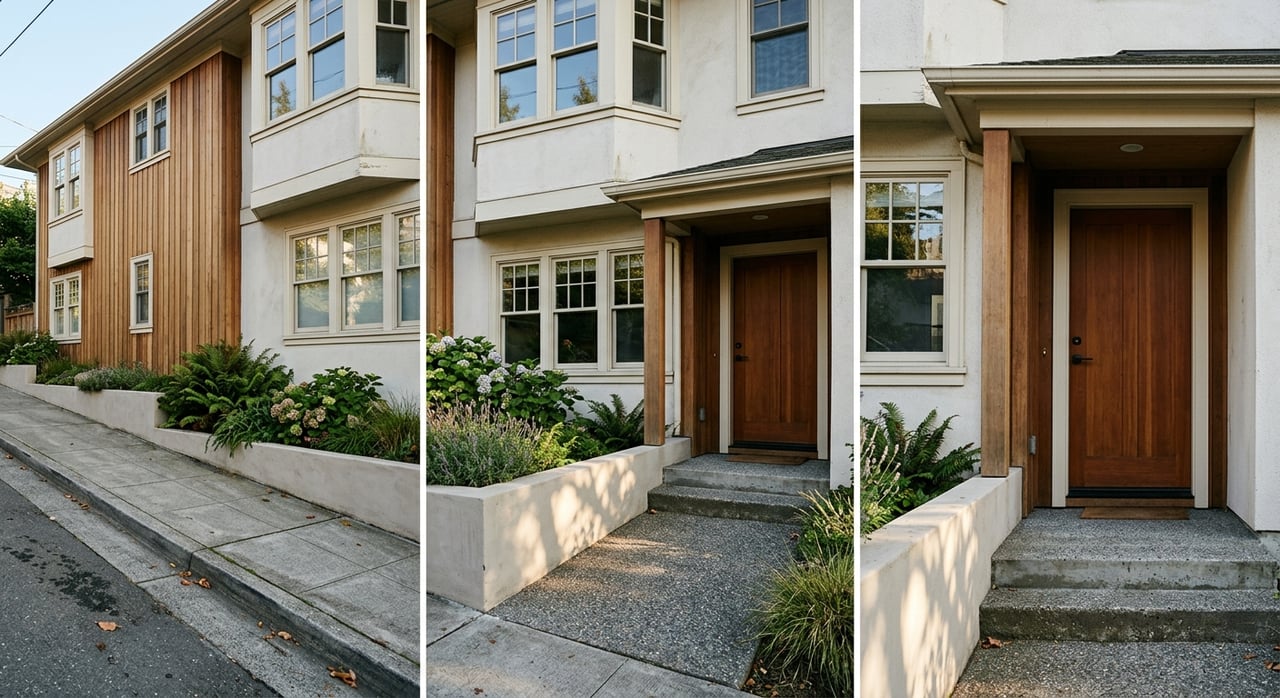
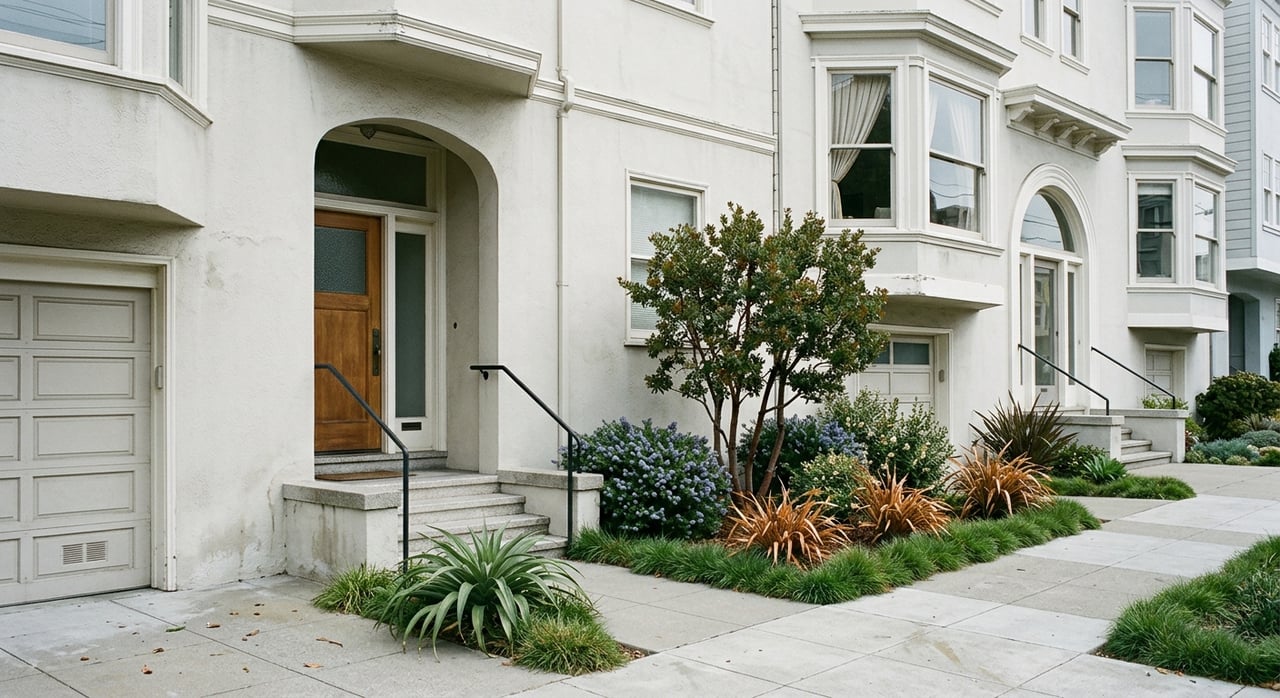
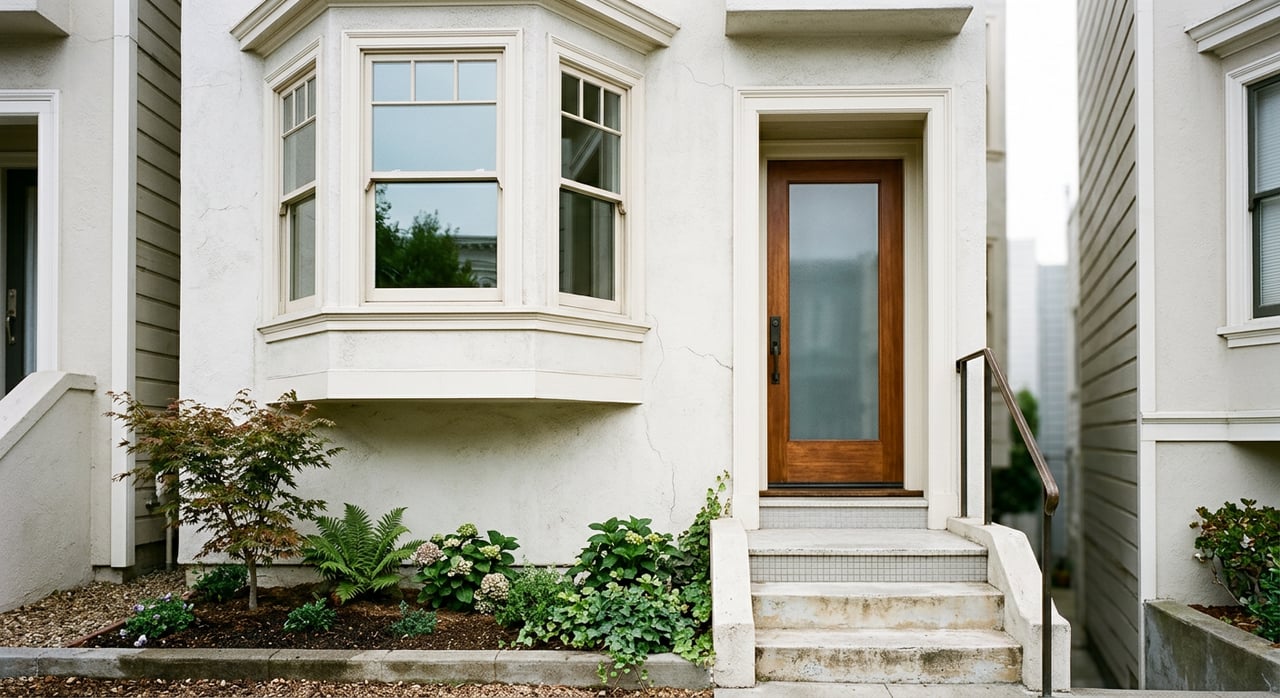
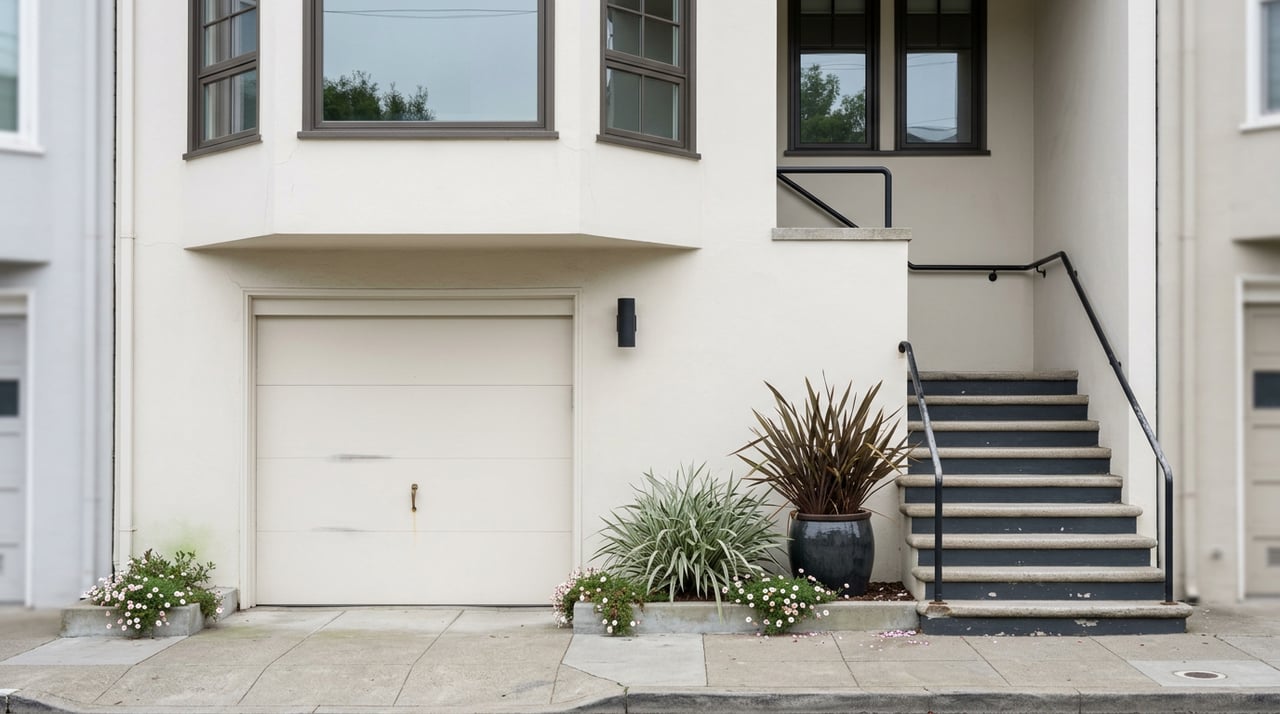
The Outer Sunset's housing stock makes this a live question far more often than most other San Francisco neighborhoods. These are narrow-lot rowhouses built with a ground-floor garage as a matter of course, and over decades, a lot of those garages quietly became bedrooms, offices, in-law units, or full second households. Real estate attorneys who work this market have long put the share of Outer Sunset homes with some kind of garage-level living space at around a third, most of it added without a permit. That is not a fringe scenario. It is close to a defining feature of this particular slice of San Francisco.
The city has effectively admitted the same thing at a much larger scale. When San Francisco wrote the ordinance that lets homeowners legalize these spaces, it built the justification directly into the Planning Code, stating that unofficial estimates put the number of unpermitted dwelling units citywide at 30,000 to 40,000 as of 2013, most of them tucked into basements, garages, and attics. That figure sits in the code itself, not in a blog post. It is the city acknowledging that its own permit records have never told the full story of what people actually built.
What the 3R report actually certifies
A Report of Residential Building Record, universally shortened to a 3R, is required for residential sales in San Francisco, with exceptions.
Here is where the blind spot lives. The 3R pulls from the Department of Building Inspection's permit records, and it reports construction dates, zoning, occupancy classification, and building permit history. It explicitly does not include plumbing or electrical permits. It also does not certify that anything on the property is legal. It only tells you what the city has on file as authorized. If the file says two-family dwelling and a walkthrough turns up three kitchens, the report has done exactly what it is designed to do by showing the gap. It was never built to close that gap.
That distinction matters enormously for a garage conversion, because the systems that make a converted garage livable, the wiring for outlets and a range, the plumbing for a bathroom or a kitchen sink, are precisely the categories the 3R skips. A seller can pull a clean 3R on a home with an obviously converted garage and the document will not contradict them, because it was never asking the question in the first place.
Processing takes real time too. DBI's Records Management Division handles a limited number of applications a day and turnaround has run two weeks or longer, so a seller who waits until the listing is live to request one is already behind. The practical move is to request it the same week the decision to sell gets made, not the week the sign goes in the yard.
Where the actual disclosure duty sits
If the 3R is not where a garage conversion gets flagged, the real exposure sits in two other places.
The first is the seller's own Transfer Disclosure Statement and Seller Property Questionnaire, which directly ask what work was done during the seller's ownership and what unpermitted work the seller is aware of. If the conversion happened under a previous owner two or three sales back, and nobody ever mentioned it in writing, the paper trail can be thin through no fault of the person listing the home today. That is exactly why a buyer's home inspector matters here in a way the 3R never will. Inspectors do not certify permit history, but an amateur electrical panel, a bathroom vent that dead-ends into an attic, or a slab pour that does not match the rest of the foundation are the kinds of details that tell their own story regardless of what any city document says.
The second is forward-looking rather than tied to the sale itself. San Francisco's Planning Code requires that any future development application at a property disclose the presence of an unauthorized unit, and if none is identified, the owner has to sign a declaration under penalty of perjury that none exists. That means the question does not disappear once escrow closes. It resurfaces the moment a future owner pulls a permit for a kitchen remodel or a new deck, which is worth knowing whether you are the one selling or the one about to buy.
Two paths for closing the gap before listing
San Francisco actually offers two distinct routes to bring an unpermitted garage-level unit into the legal column, and which one applies depends almost entirely on when the space was built.
For anything that existed before January 1, 2013, the city runs its own Dwelling Unit Legalization Program through DBI. It is voluntary, it allows one unit per lot to be legalized, it requires the space to meet life-safety conditions, and it comes with a real tradeoff: a legalized unit under this program cannot later be subdivided or sold off separately from the main house.
For space built between 2013 and January 1, 2020, the relevant tool is a state law rather than a city program. Government Code Section 66332 lets local agencies approve permits for qualifying unpermitted ADUs and JADUs built in that window even where they fall short of current zoning, development standards, or building code, as long as the conditions do not rise to the level of a substandard building under Health and Safety Code Section 17920.3. It is a lower bar than legalizing from scratch, and San Francisco's own Planning Department has published guidance walking through how it applies locally.
There is also a newer piece worth knowing about heading into a 2026 listing decision. ADU Zoning notes that a state law that took effect January 1, 2026 strengthened the rule that if the city fails to act on a qualifying application within 60 days, it is automatically approved. That does not erase the cost or the paperwork, but it does undercut the old argument that legalizing anything in San Francisco takes years by default.
The math sellers actually have to run
Interior and garage conversions in this part of the city commonly run somewhere from the mid five figures into the $300,000 range once structural upgrades, egress requirements, and utility work are factored in. That is a real number to weigh against what a buyer's lender or appraiser will discount for an unresolved garage-level room, and against how many extra weeks legalization adds to a timeline.
There is no single right answer here. A seller with a straightforward pre-2013 conversion and a flexible timeline may come out ahead legalizing before listing, turning a liability into square footage the appraisal can actually count. A seller who needs to move faster may be better served pricing the home with the space clearly disclosed as unpermitted and letting the market account for it. What matters is making that choice on purpose, with the 3R and TDS already in hand, rather than having a buyer's inspector make the choice for you three weeks before a scheduled close.
FAQ
What should Sunset sellers know about the 3R report? San Francisco has a 3R-report requirement for residential sales, with exceptions.
What if I genuinely don't know whether my garage was ever permitted? Start with the 3R and whatever permit history you can find, but go in expecting it will not settle a plumbing or electrical question. A licensed contractor or building professional doing an on-site assessment is usually the only way to know before deciding whether to legalize or list as-is.
What should I consider if I decide not to legalize an unpermitted space? Plenty of Sunset homes sell every year with disclosed unpermitted space. Disclosure is an important part of the decision.
Deciding whether to legalize before you list, disclose and price around it, or something in between is exactly the kind of decision that benefits from a local advisor who has walked other Sunset sellers through it before. If you are weighing that choice on your own home, Cheryl Bower can help you look at the numbers and the timeline together before you commit to either path. Get Your Home Valuation to start that conversation.
This article is general information, not legal, tax or financial advice. Consult a qualified professional about your situation.