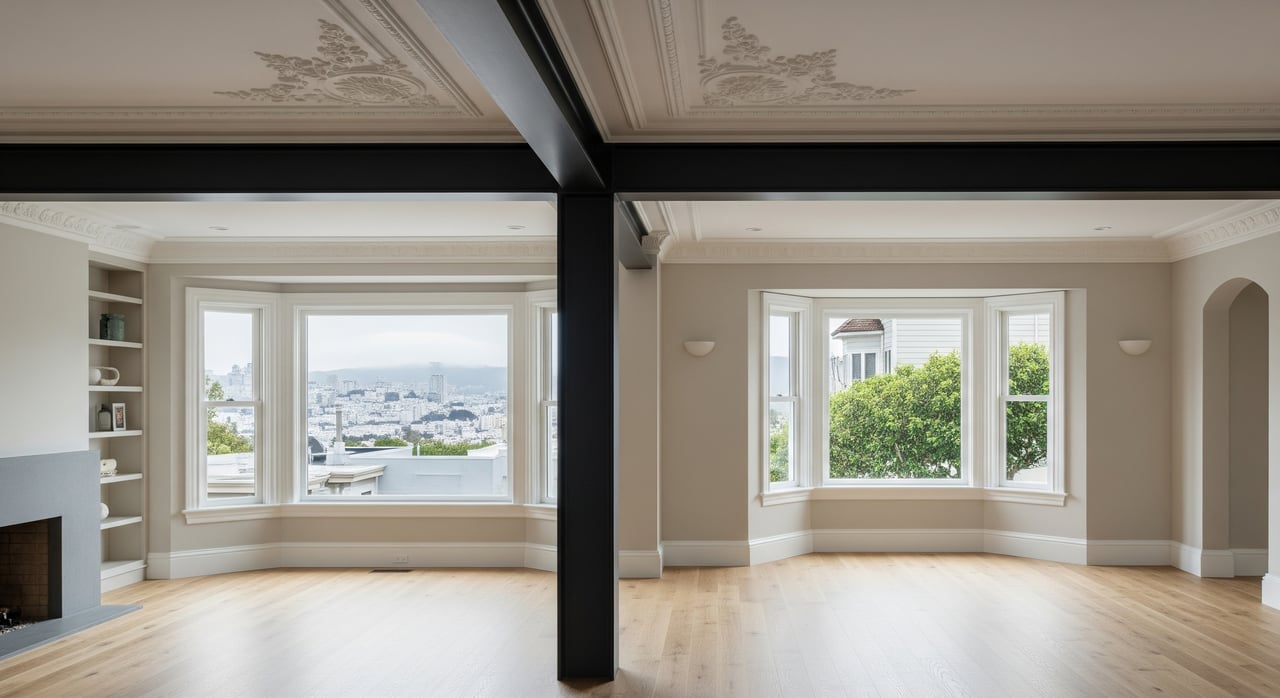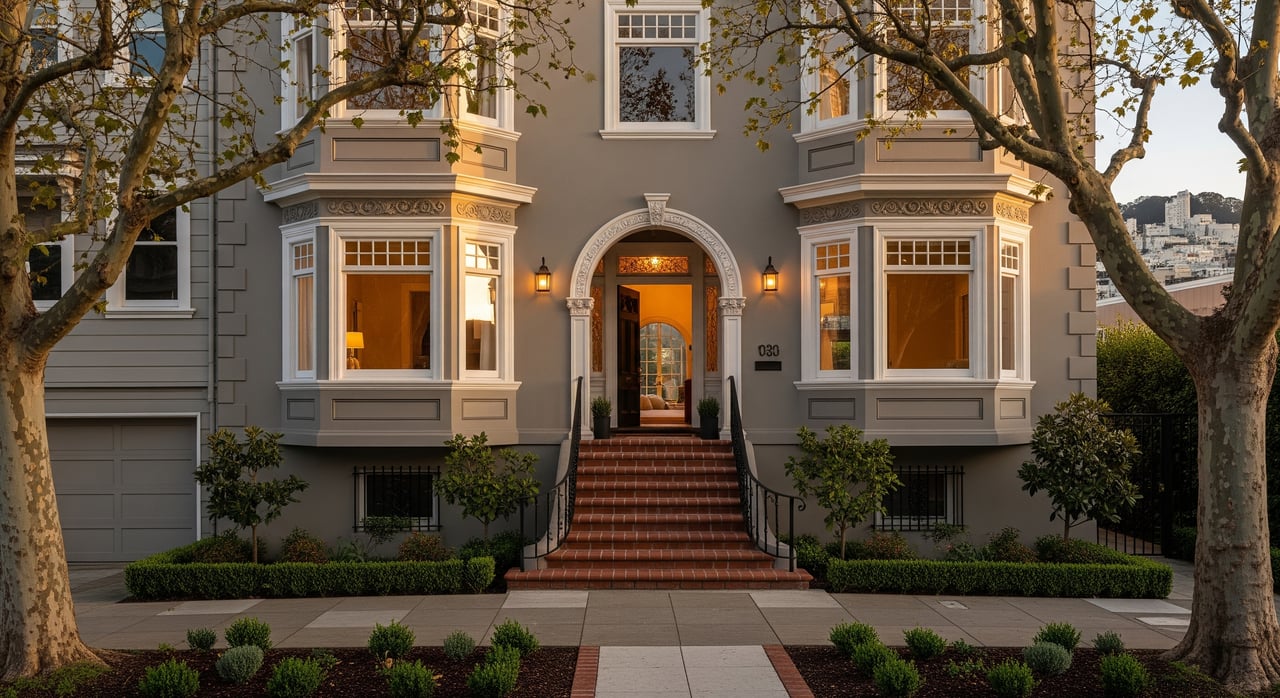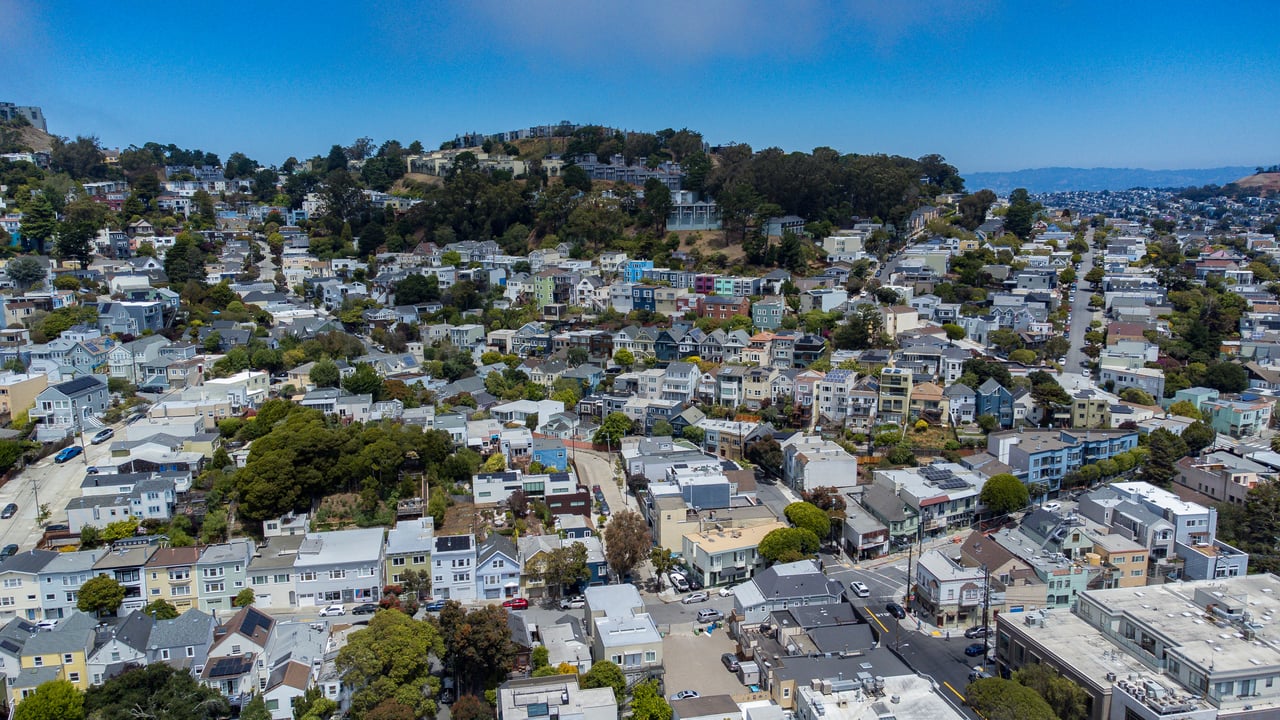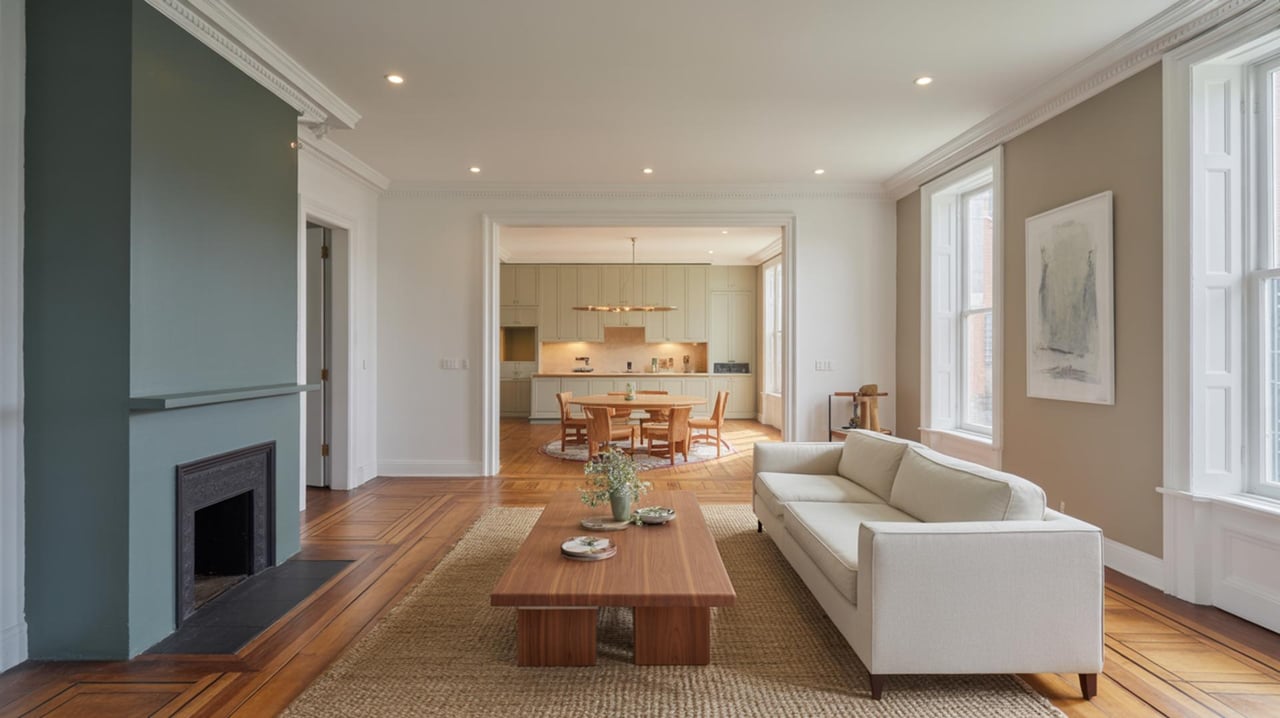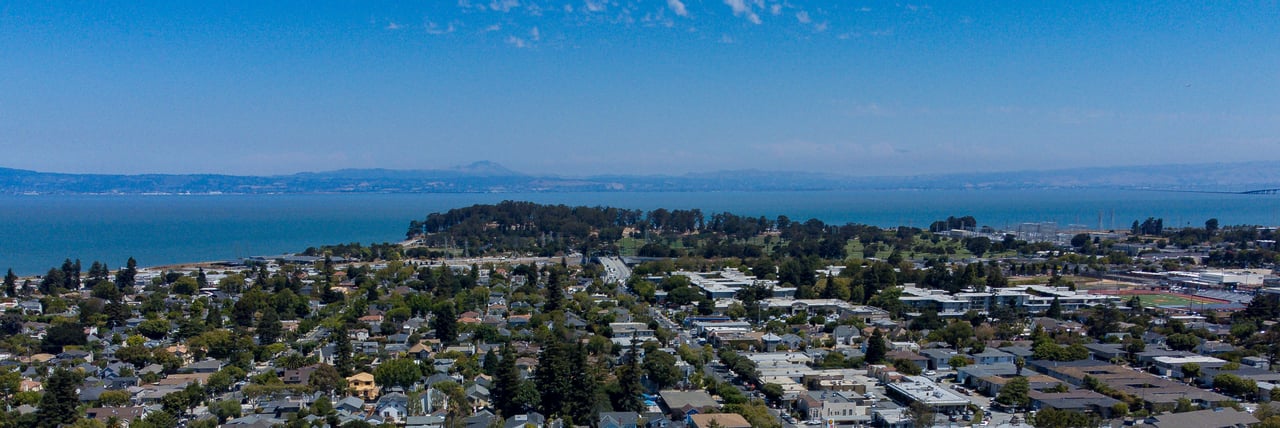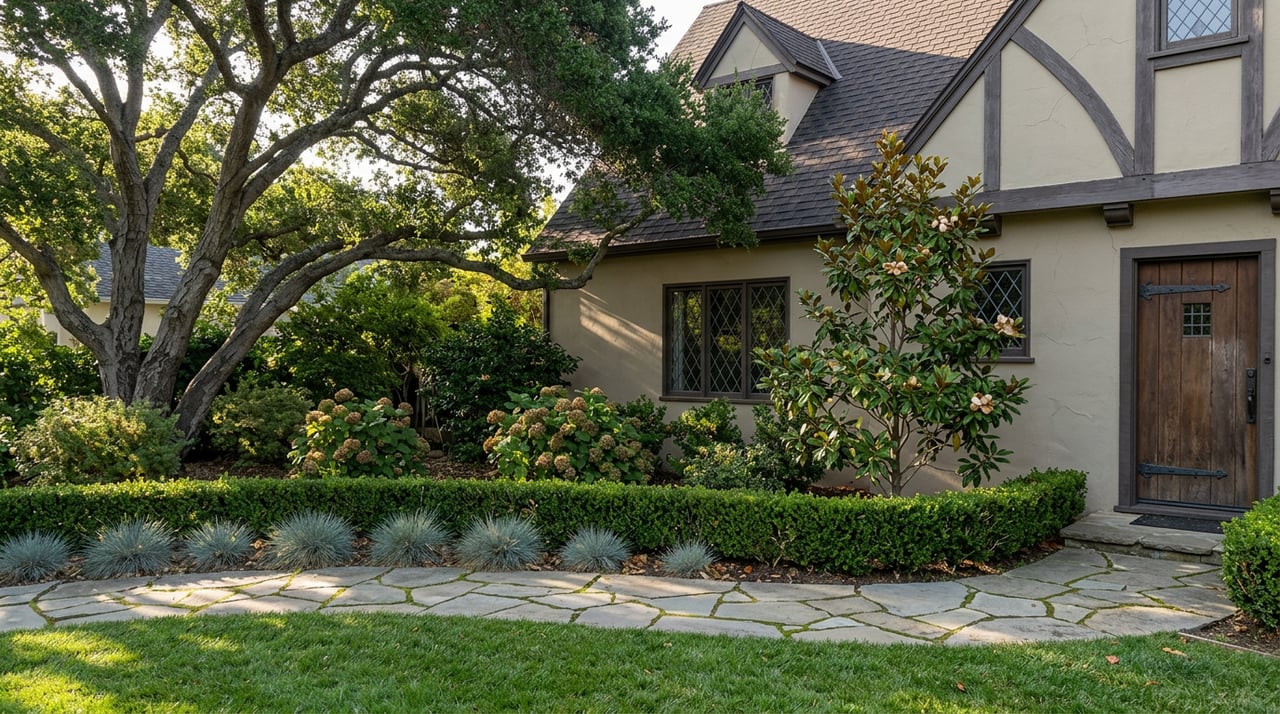
Open two listings this month, one on a curving street in San Mateo Park, one on a straight block in Baywood, and the price tags will land within a few hundred thousand dollars of each other. Read the listing copy and the pitch changes completely. One agent is selling privacy and acreage. The other is selling a walk to three different schools and an easy walk to dinner on B Street.
Buyers moving into San Mateo for the first time tend to treat these two names as rungs on the same ladder, one slightly nicer than the other, both roughly interchangeable if the budget allows. The sales data says otherwise. These are two different products that happen to share a price bracket this year, and understanding why matters more than the median itself.
Two Streets, Two Different Products
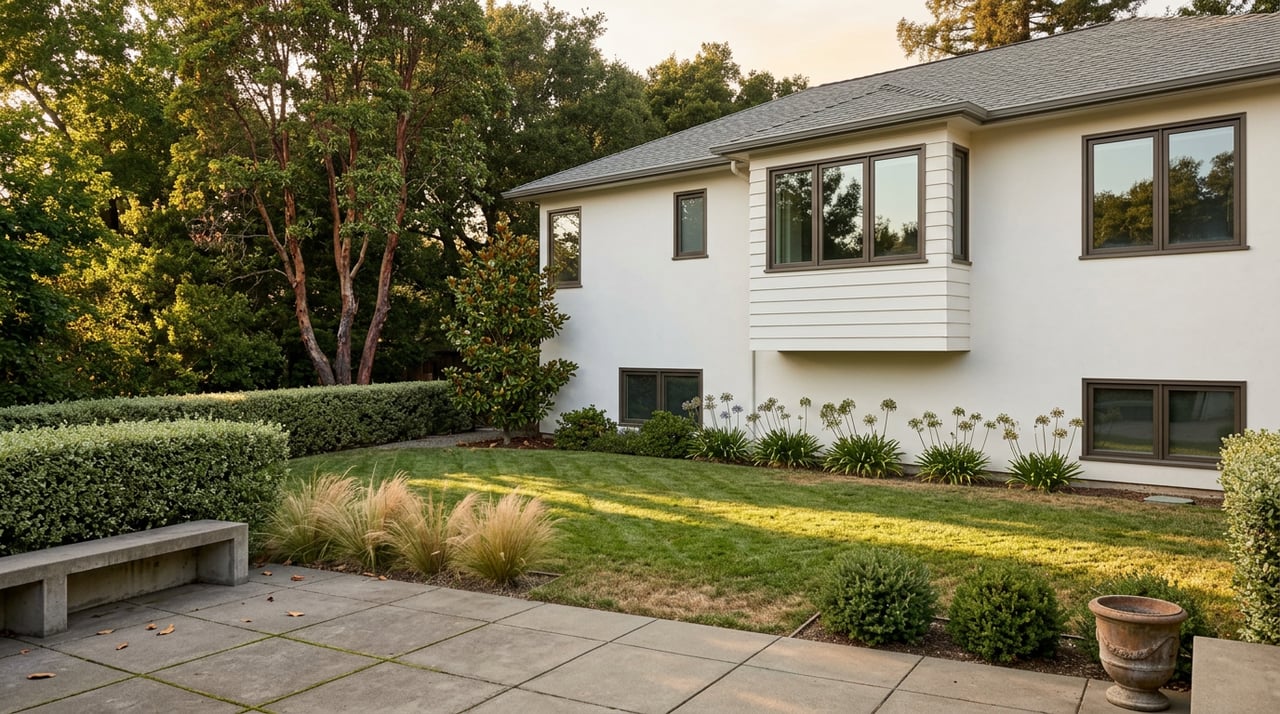
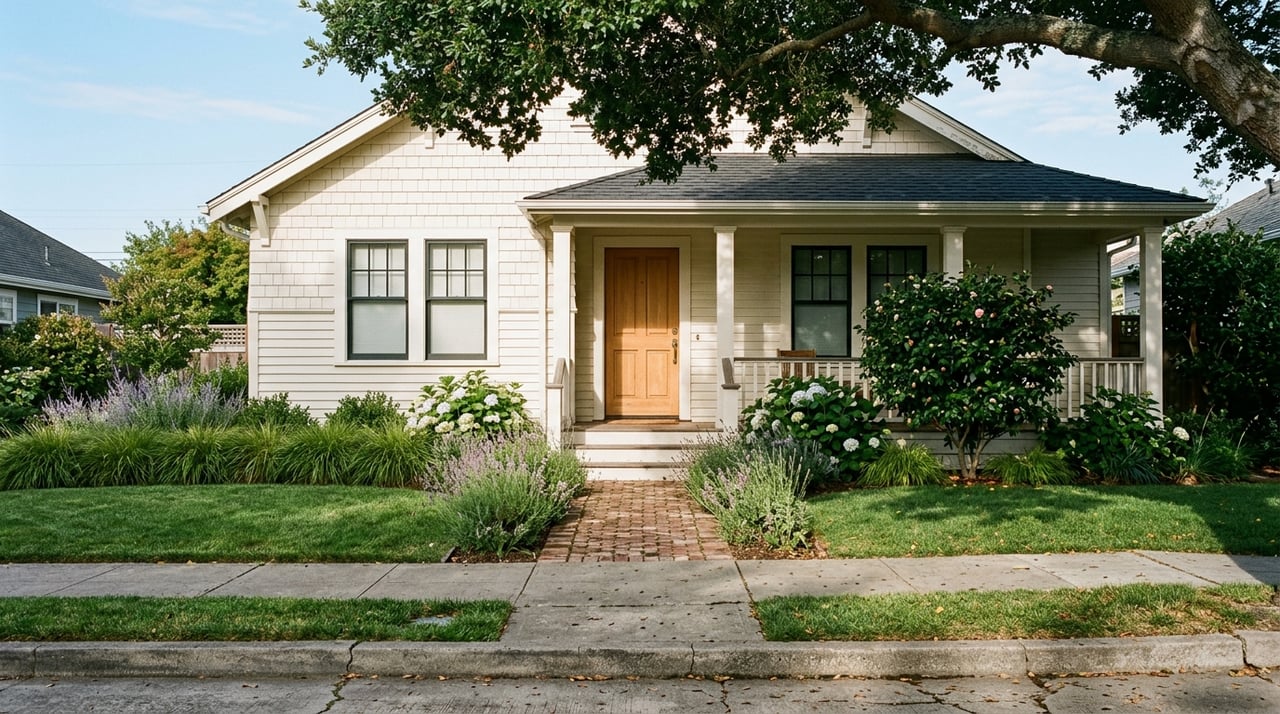
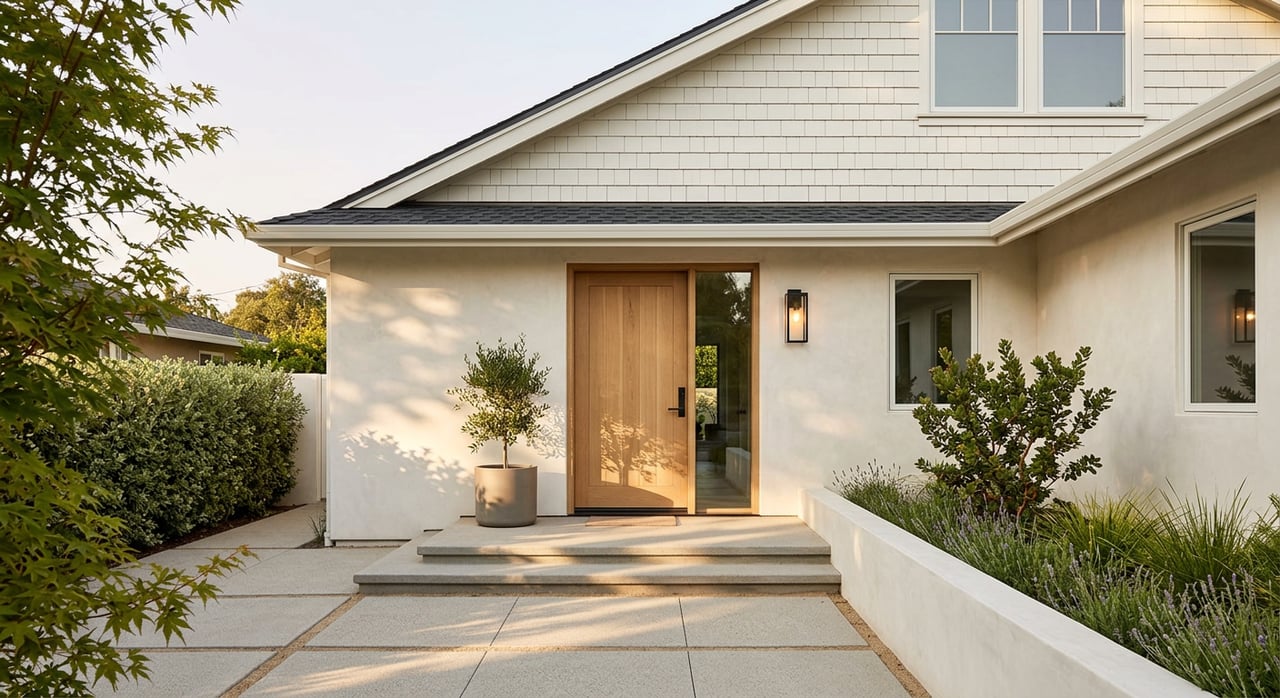
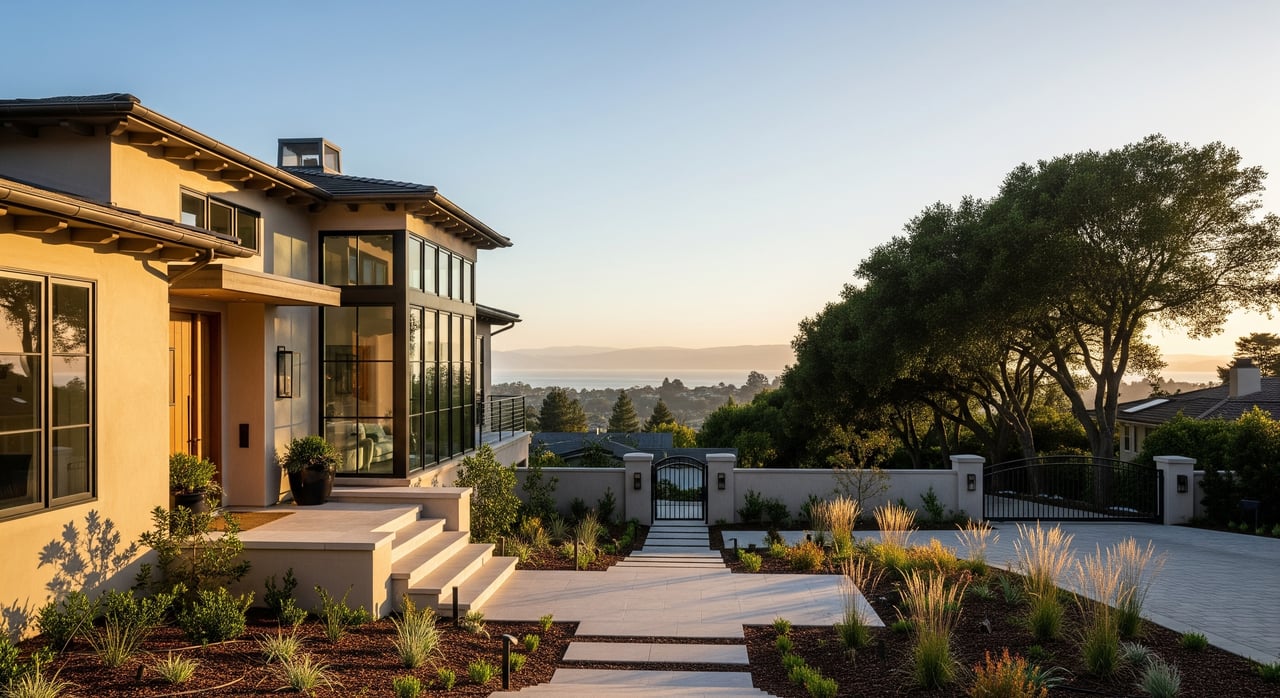
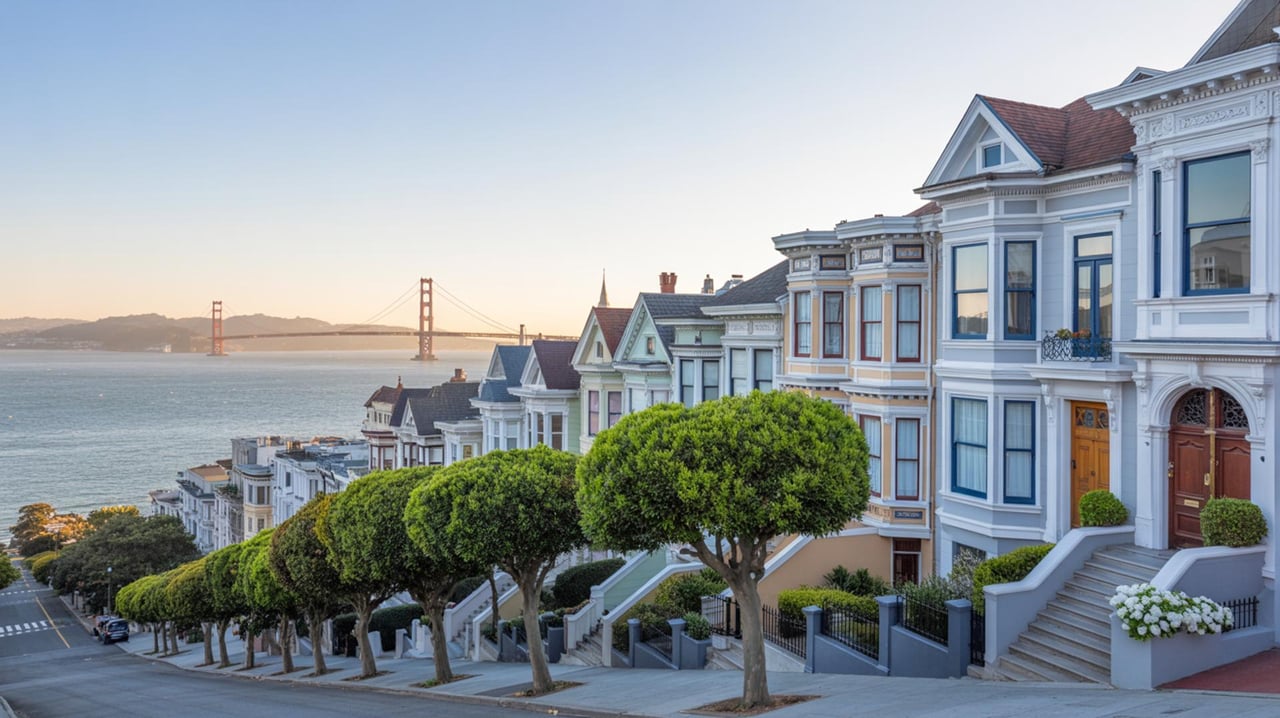
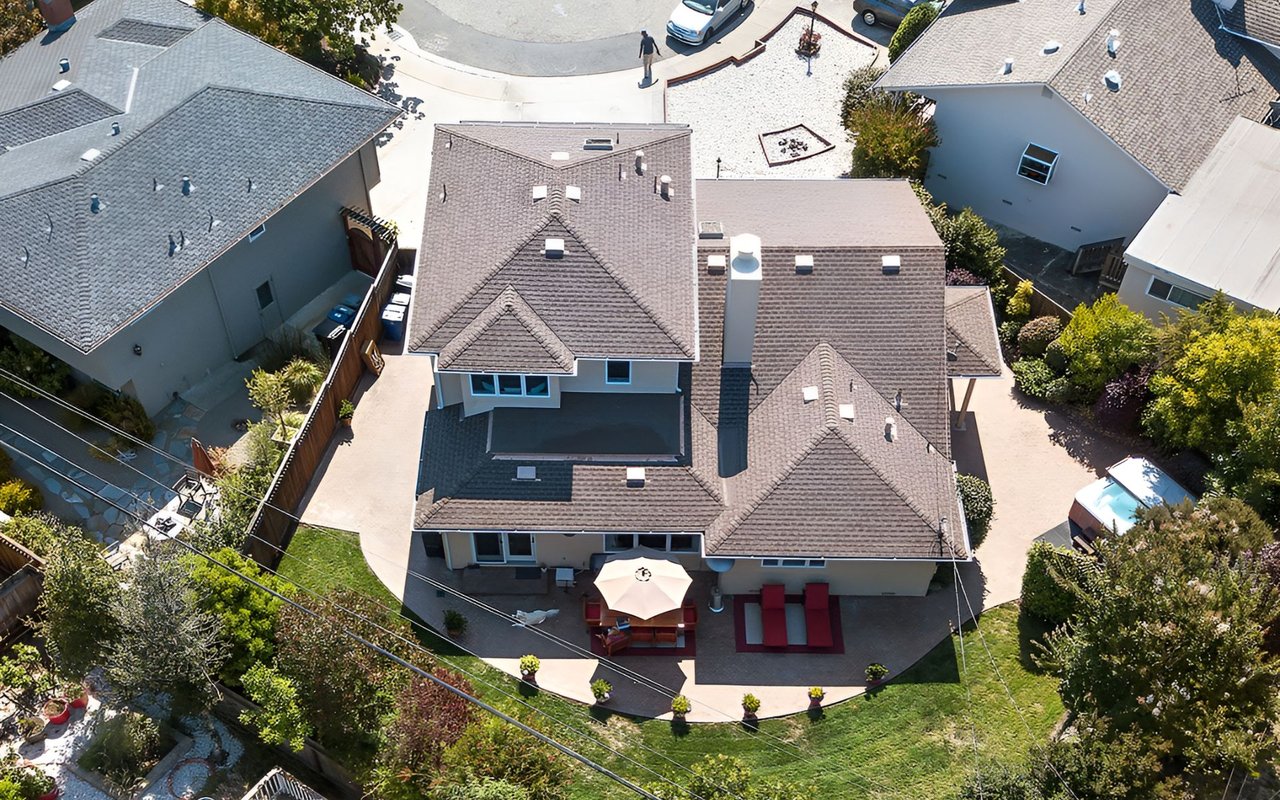
San Mateo Park was platted in the early 1900s and built out mostly after the 1906 earthquake, through the 1910s and into the 1930s. Its streets were never laid on a grid. They curve, loop around landscaped traffic circles, and were shaped with a design pedigree that traces back to John McLaren, the same landscape architect behind Golden Gate Park. The result is a neighborhood of Tudors, Colonials, Craftsman bungalows, and Mediterranean estates sitting on lots that run close to 9,000 square feet at the median, with several this year pushing past 10,000.
That layout produces genuine scarcity. In a typical month, only two or three homes come up for sale in San Mateo Park. Sales this year have mostly clustered between the mid $3 millions and the low $5 millions, with an occasional sale reaching into the $6 million to $8 million range. In late May, a snapshot of the market showed exactly one active listing in the entire neighborhood, priced at $5.25 million. Desirable homes here tend to sell in around ten days, not because buyers are rushing a bad decision, but because there is rarely more than a handful of comparable properties to compare against.
San Mateo Park sells land, privacy, and a non-grid setting where the next house isn't visible from your porch. It does not sell proximity.
Baywood and Aragon Are Selling You Something Else
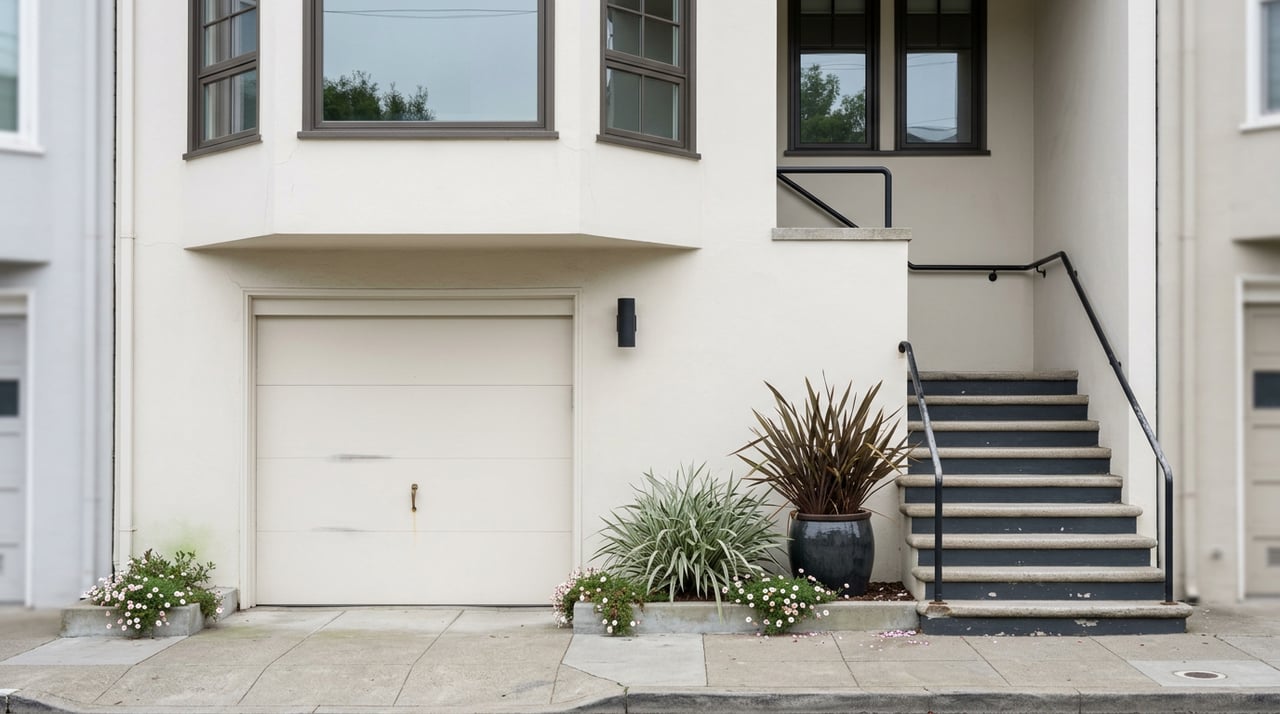
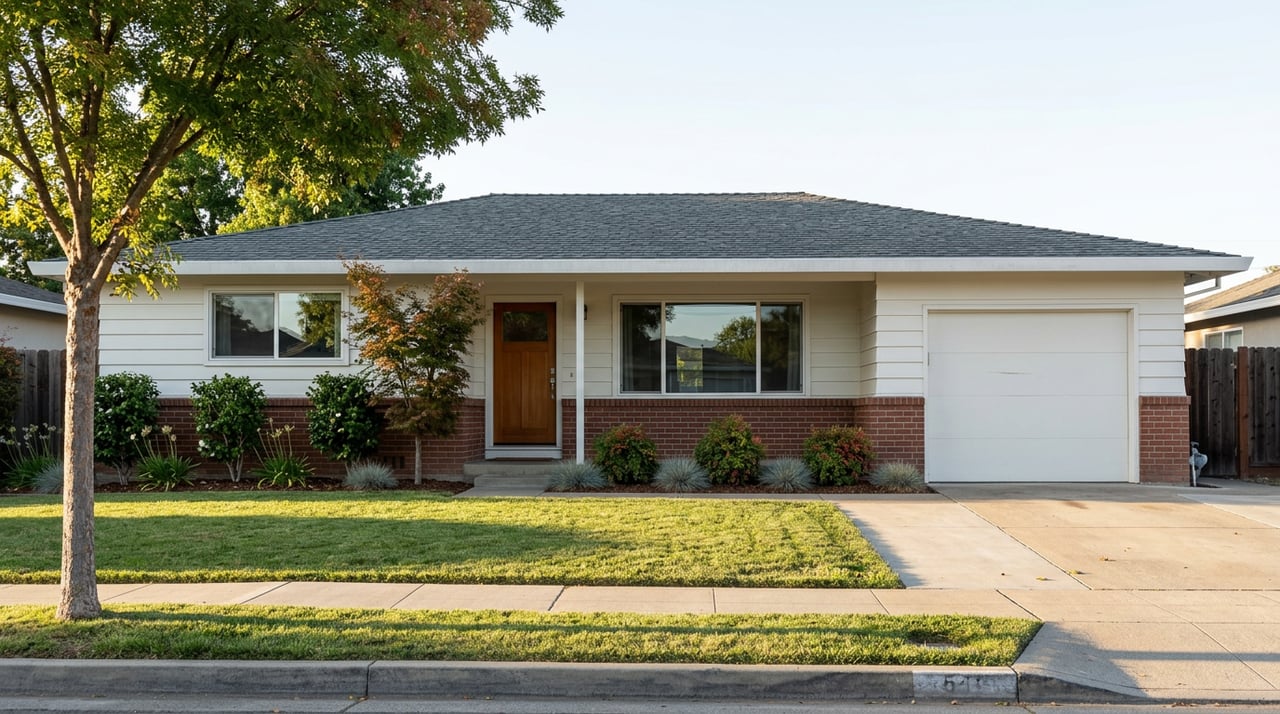
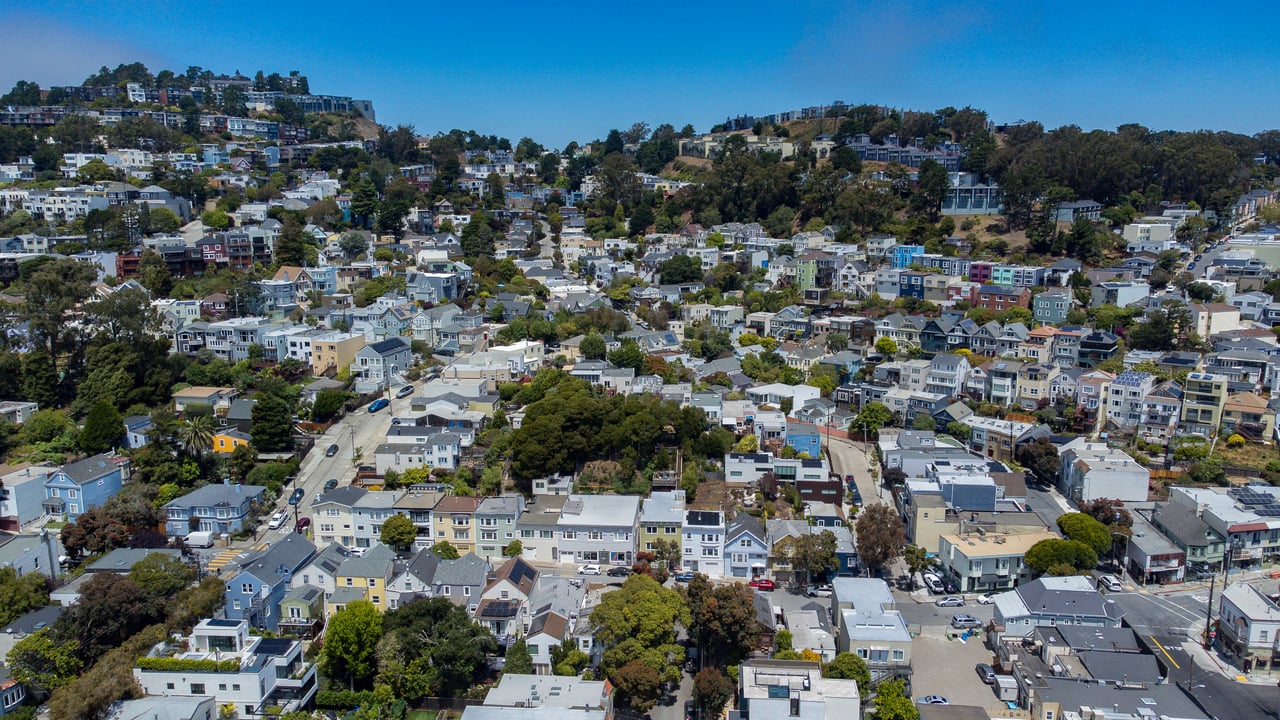
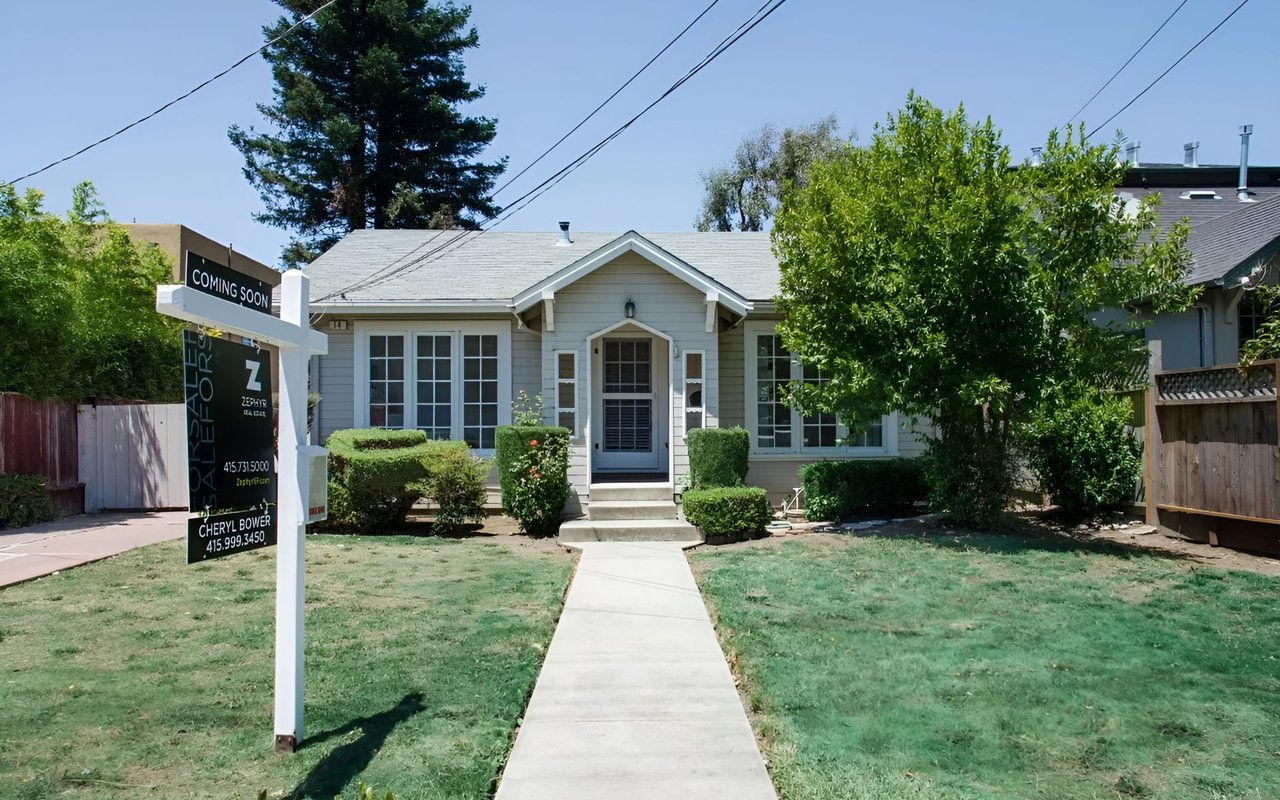
In the neighboring Baywood and Aragon area, the story starts differently. Both trace their roots to the old Parrott estate, annexed to San Mateo in 1927 and gradually subdivided into the Tudor Revival and Spanish Colonial Revival streets buyers recognize today. The pitch here is almost the opposite of San Mateo Park's. Many blocks in Baywood and Aragon offer a genuine walk to an elementary, middle, and high school, plus easy access to downtown San Mateo's restaurants and shops.
That accessibility shows up in volume. Combined, Baywood and Aragon typically see five to six sales a month, roughly double San Mateo Park's pace. Baywood's median sale price has edged toward $3.9 million in some pockets this year. Aragon, generally the more attainable of the two, has landed closer to the mid $2 millions. Buyers here are not settling for a discount version of San Mateo Park. They are paying for a different set of daily conveniences that San Mateo Park's layout simply doesn't offer.
The Scary Number That Isn't Actually a Warning
Here is where a buyer scanning listing sites this summer might talk themselves out of Baywood and Aragon entirely. In one recent monthly snapshot, the combined Aragon-Baywood market showed a median sale price of $2.88 million, down 14.2 percent from the same period a year earlier. Price per square foot fell even harder, down 20.7 percent year over year. Meanwhile San Mateo Park posted a median sale price just over $5.3 million in May, up 34 percent from a year earlier.
Read side by side, that looks like a neighborhood in decline sitting next to one on fire. It isn't.
A neighborhood that sells five or six homes in a typical month doesn't have a market trend. It has a small number of recent examples.
The tell is in the days-on-market figure sitting right next to that scary price drop: homes in Aragon and Baywood were still selling in about 11.5 days, which is not the behavior of a cooling market. A genuine slowdown shows up as properties sitting longer, price cuts stacking up, and inventory building. None of that happened here. What happened is compositional. When a market only closes a handful of transactions a month, the mix of which specific houses sell, larger versus smaller, updated versus original condition, can swing the median by double digits without any actual shift in buyer demand.
The same pattern shows up at an even smaller scale. In Baywood Park, one of the specifically named pockets inside the broader Baywood area, a snapshot taken in late May found exactly two homes actively listed, with an average days-on-market figure of 138. That number would alarm a seller if it described five hundred transactions. It describes two.
The Two Bets, Side by Side
| San Mateo Park | Baywood-Aragon | |
|---|---|---|
| What you're paying for | Land, privacy, non-grid layout | Walkability, school access, downtown proximity |
| Typical pace | 2-3 new listings a month | 5-6 sales a month combined |
| Median lot size | Around 9,000 sq ft | Smaller, denser lots |
| Recent median price | Just over $5.3 million (May 2026) | $2.88M to $3.9M depending on pocket |
| Best read on the data | Trust the trend less, sample size is tiny | Trust days-on-market over the median |
What the Boundary Line Does to the Price
Even within these neighborhoods, the price a buyer pays can hinge on something the median never captures. Properties zoned for the most sought-after elementary school boundaries, including pockets of Baywood, Aragon, and North Shoreview, have commanded a 15 to 20 percent premium over similar homes sitting just a few blocks away. That premium holds even for buyers without children, because it functions as a resale floor. A house zoned into a high-demand boundary tends to attract a deeper pool of future buyers regardless of who's living there today.
The practical implication is straightforward. Two houses that look identical on paper, same era, same square footage, same finishes, can sell six figures apart because of which side of an invisible line they sit on. Verify school assignment directly with the district for the specific address you're considering. General neighborhood maps are a starting point, not a guarantee.
There's a second variable worth watching if you're comparing carrying costs long term. The State Office of Historic Preservation determined back in 1990 that Baywood, Aragon, and the portion of San Mateo Park west of El Camino Real were eligible for National Register listing. The San Mateo Heritage Alliance has been actively pushing to make that designation official for Baywood. If it goes through, qualifying historic homes could become eligible for Mills Act tax treatment, which reduces property tax assessments in exchange for maintaining a home's historic character. Nothing is finalized, but it's a real variable sitting underneath the sticker price that a straightforward comps comparison won't show you.
The Third Bet: Skip the Legacy Streets Entirely
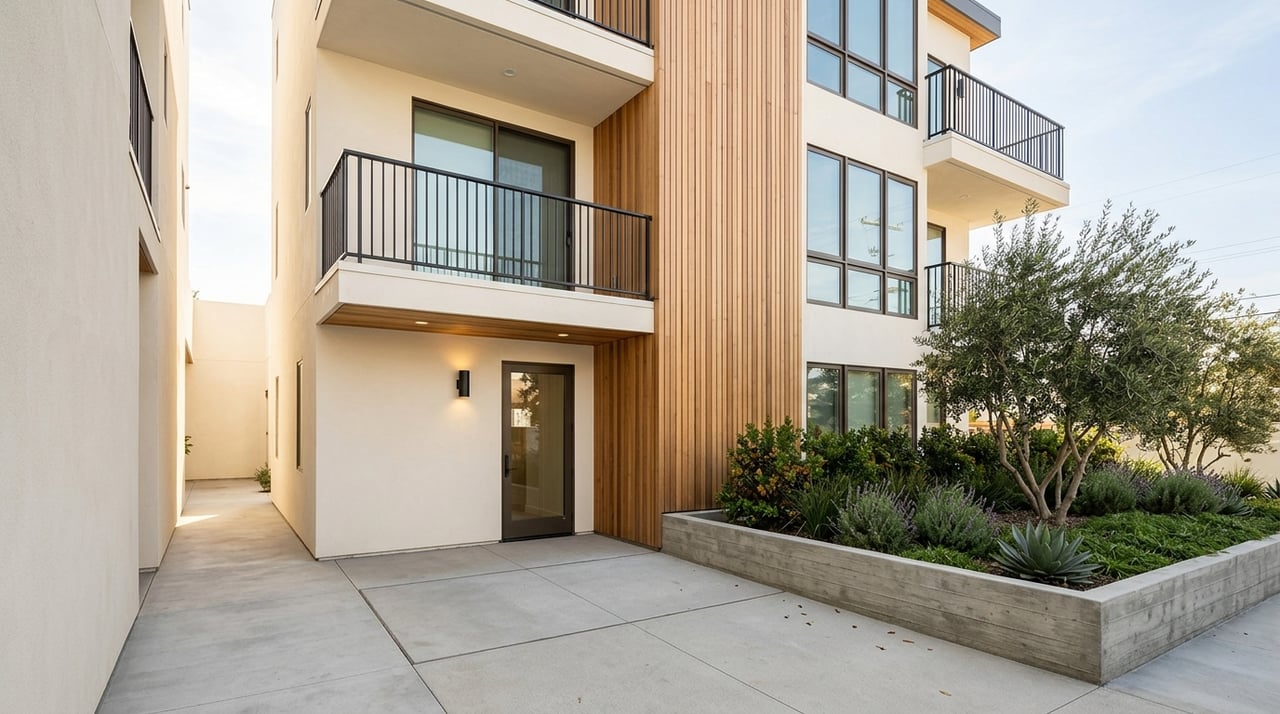
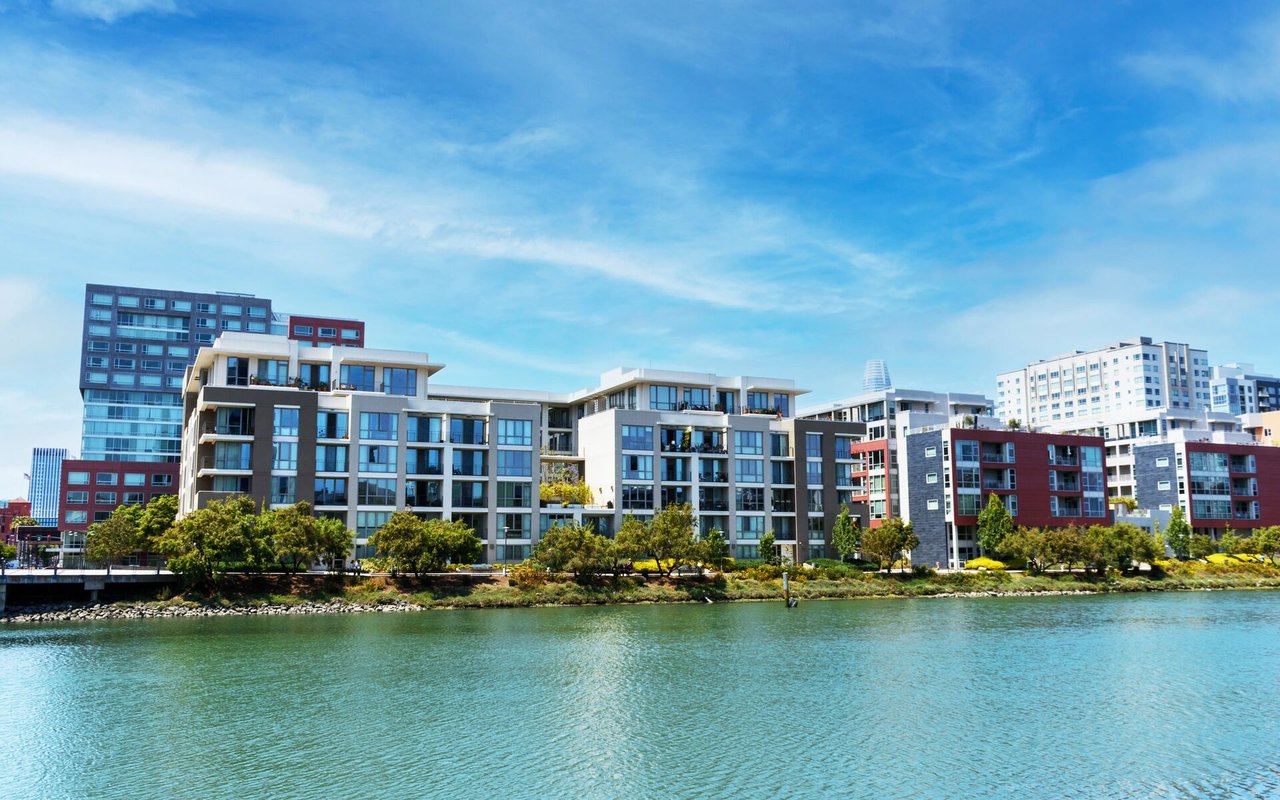
For buyers priced out of both, or simply uninterested in either a century-old estate or a century-old bungalow, there's a genuinely different option sitting between them geographically and philosophically. Bay Meadows sits on the former Bay Meadows Racetrack, once the longest-running thoroughbred track in California before it closed for good in May 2008. What replaced it is an 83-acre transit-oriented neighborhood built by Wilson Meany and Stockbridge Capital Group, now home to more than 1,100 units of housing across apartments, condos, townhomes, and single-family homes, along with 18 acres of parks, a community garden, and a Town Square.
Delaware Street anchors the retail side, where residents grab coffee, drink at Fieldwork Brewing, or eat at Bahche Mezzehouse, the restaurant Yusuf Karadogan opened after growing up four blocks from the site. The Hillsdale Caltrain station sits directly at the neighborhood's edge, rebuilt in its current elevated form in 2021 as part of a grade-separation project.
As of mid-2026, condos here start around $1.1 million, townhomes run $1.5 million to $2 million, and newer single-family homes span roughly $1.5 million to $2.5 million and up, meaningfully more accessible than legacy Baywood-Aragon or San Mateo Park. The trade is age and governance rather than land: new construction, HOA rules, and a neighborhood still finishing its buildout. Bay Meadows still appears on the City of San Mateo's active project list, and the Phase II development agreement now runs through December 20, 2026, covering two more mixed-use buildings with office and housing space. Ask specifically how that remaining construction affects your block before you write an offer, not after. Residents should also know the city resumed enforcing a two-hour daytime street-parking limit in 2025 after pausing it during the pandemic, a detail worth confirming if guest parking matters to your household.
FAQ
Is Baywood-Aragon actually losing value? The headline numbers this year suggest it, but the market only closes five or six transactions a month. A median swing that size usually reflects which specific homes sold, not a real shift in demand. Days on market, which stayed near 11.5 days, is the more reliable signal.
Do I need children in the household to benefit from a top elementary boundary? No. The premium functions as a resale floor because it widens the future buyer pool, whether or not the current owner has kids in that school.
Is Bay Meadows part of Baywood or Aragon? No. It's a distinct district built on the former racetrack site, geographically closer to the Hillsdale Caltrain station than to either legacy neighborhood, with its own pricing, housing stock, and HOA structure.
How do I confirm which elementary school a specific address feeds into? Contact the San Mateo-Foster City School District directly for that address. Boundaries can split within a single block, and general neighborhood maps aren't a substitute for a direct check.
Three neighborhoods, three genuinely different bets, and a median price that tells you almost nothing about which one fits your household. If you're weighing a move between San Mateo Park, Baywood-Aragon, and Bay Meadows, or you already own in one of these pockets and want to know what this year's numbers actually mean for your equity, Cheryl Bower can walk through the comps address by address with you. Get Your Home Valuation and find out where you actually stand before you make the next move.