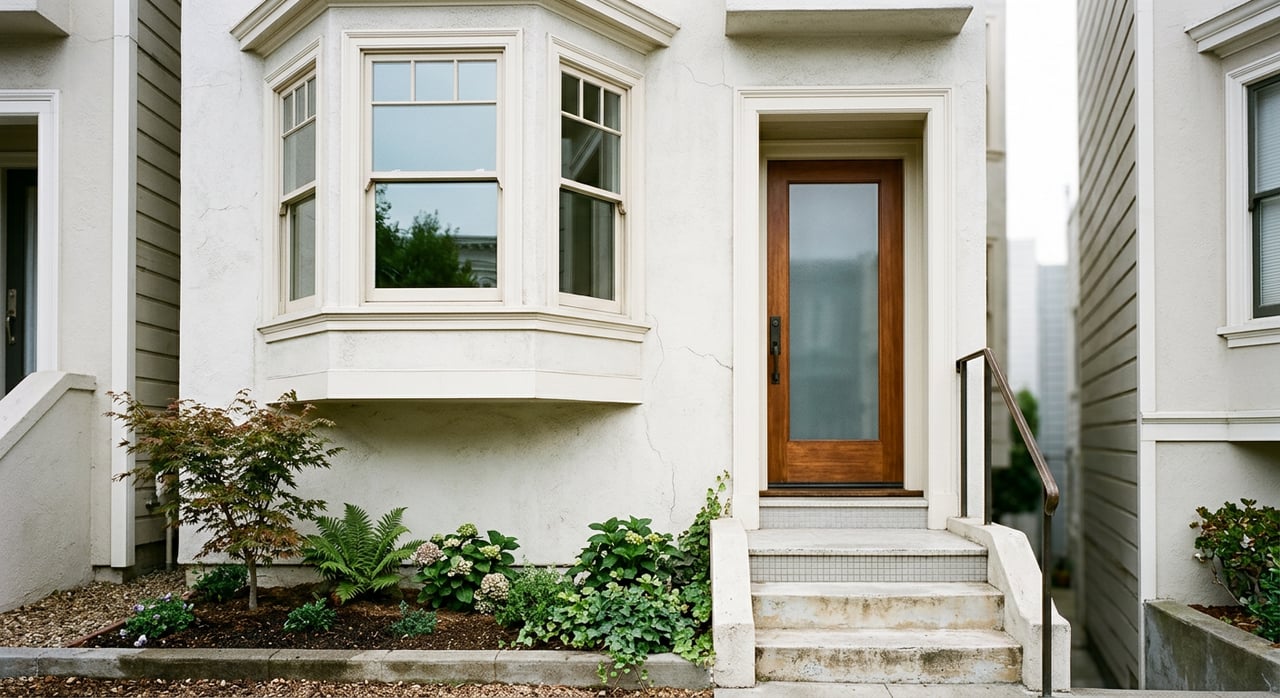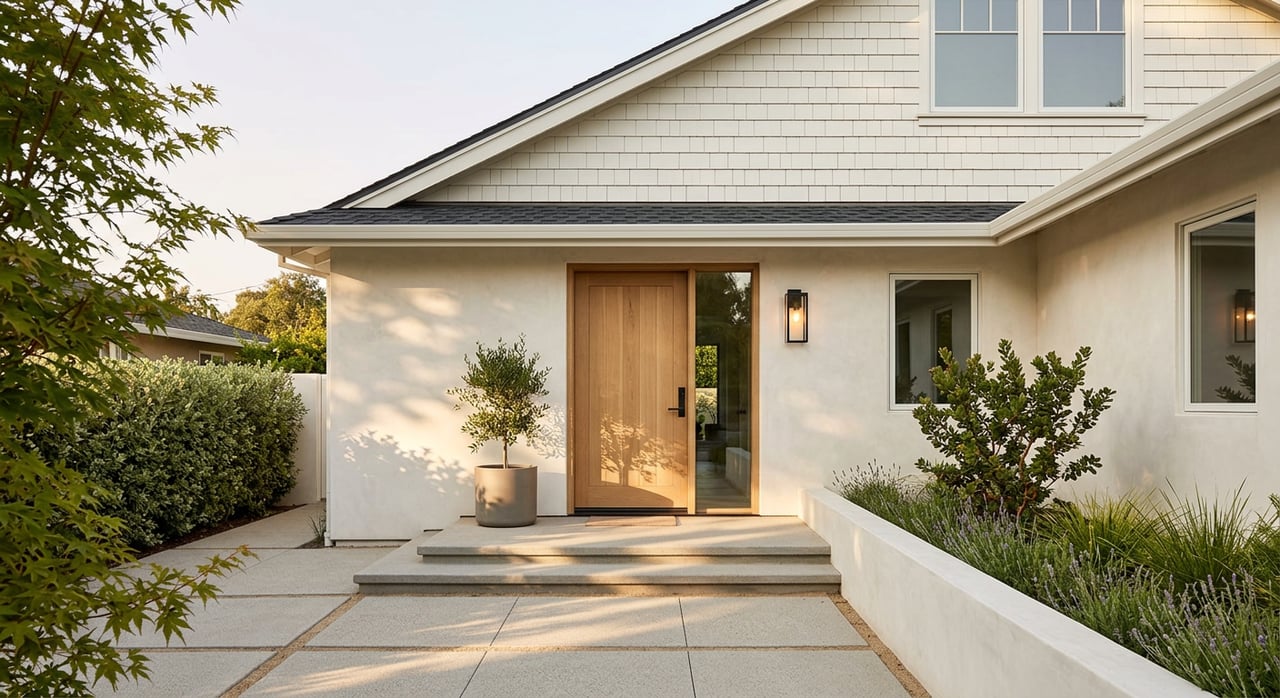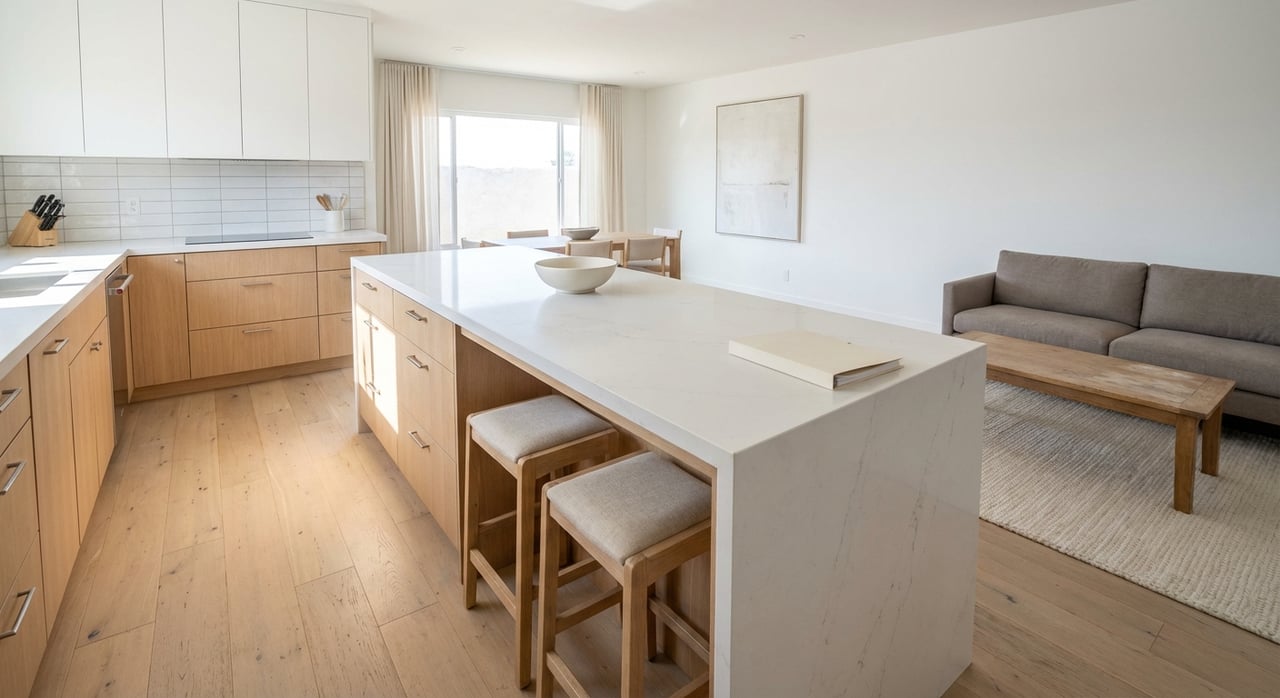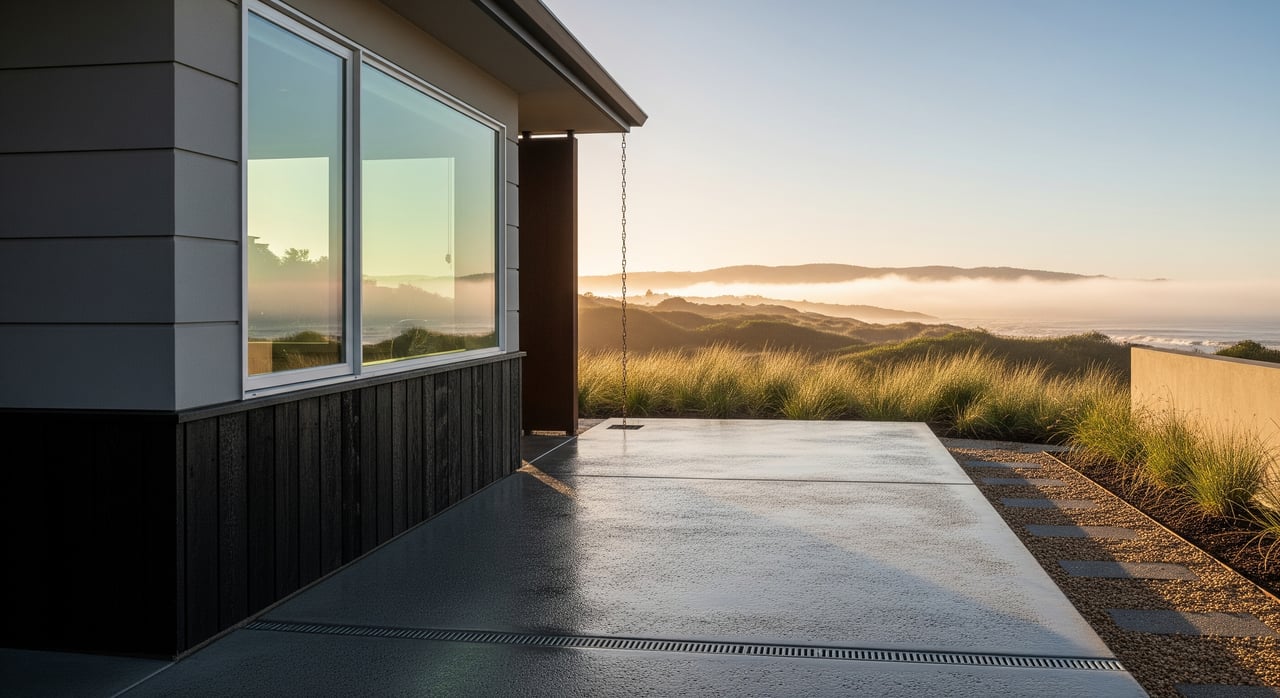
Building and modifying homes is more than just construction. You’re creating an environment that will shape the lives of its residents. Clients and home buyers know this, which is why they look for the finer touches that indicate quality installations.
There are distinct differences between elements installed from a guide and those installed by experienced professionals. High standards are the name of the game, and there are many small ways to show your clients that your work is at the top of the industry. These details are indicators of true craftsmanship and care.
The right finishing touches will depend on the installation and the design of your home. If you’re ready to take your real estate business to the next level with professional signs of quality work, join us in exploring the top five signs of quality installations your clients will notice.
1. Precision in Quality Installations
Precision is one of the most profound differences between the work of a skilled amateur and that of a seasoned expert. Experts have done their tasks hundreds — even thousands — of times. Their practiced hands bring precision to every line, shade of paint, and architectural finish. When it all comes together — with no paint drips or uneven lines — clients take notice.
Straight and Level
Installing architectural finishes can be done quickly or carefully, but rarely both. For top-tier installations, use a level at every step to ensure perfect right angles and parallel lines. This is the standard that sets expert installations apart. Anyone can install molding or light switch covers — only professionals make sure every one is level.
Exact Measurements
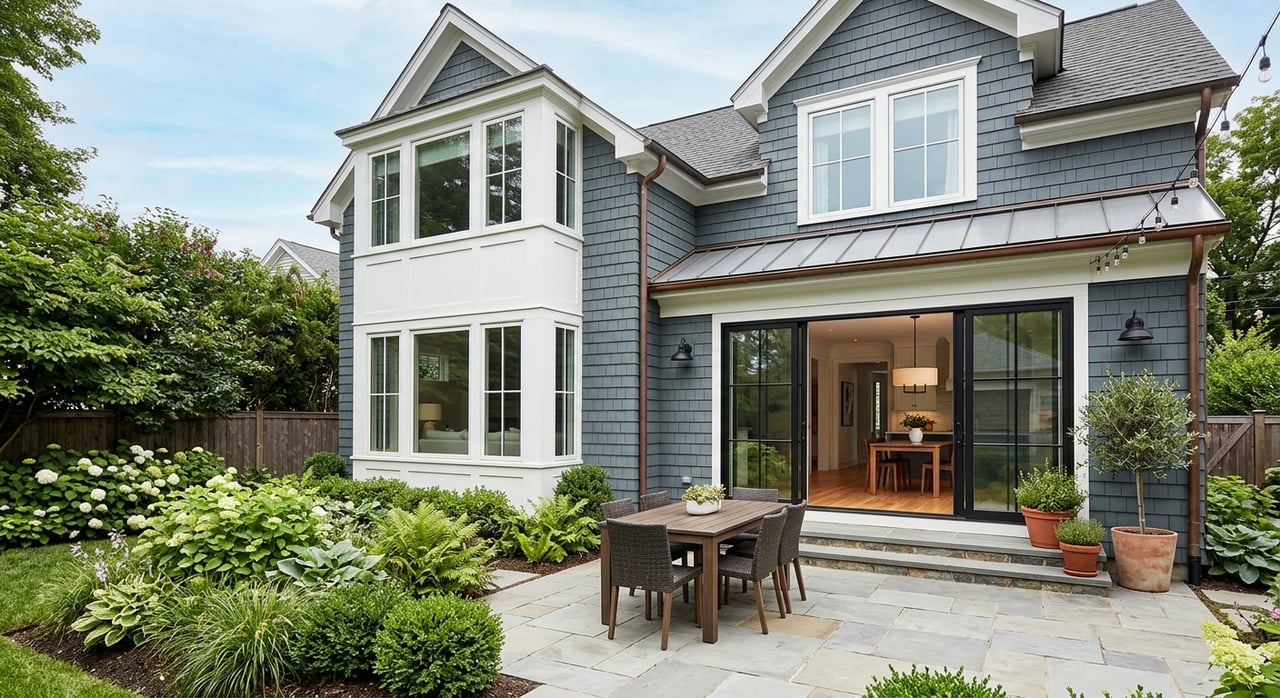
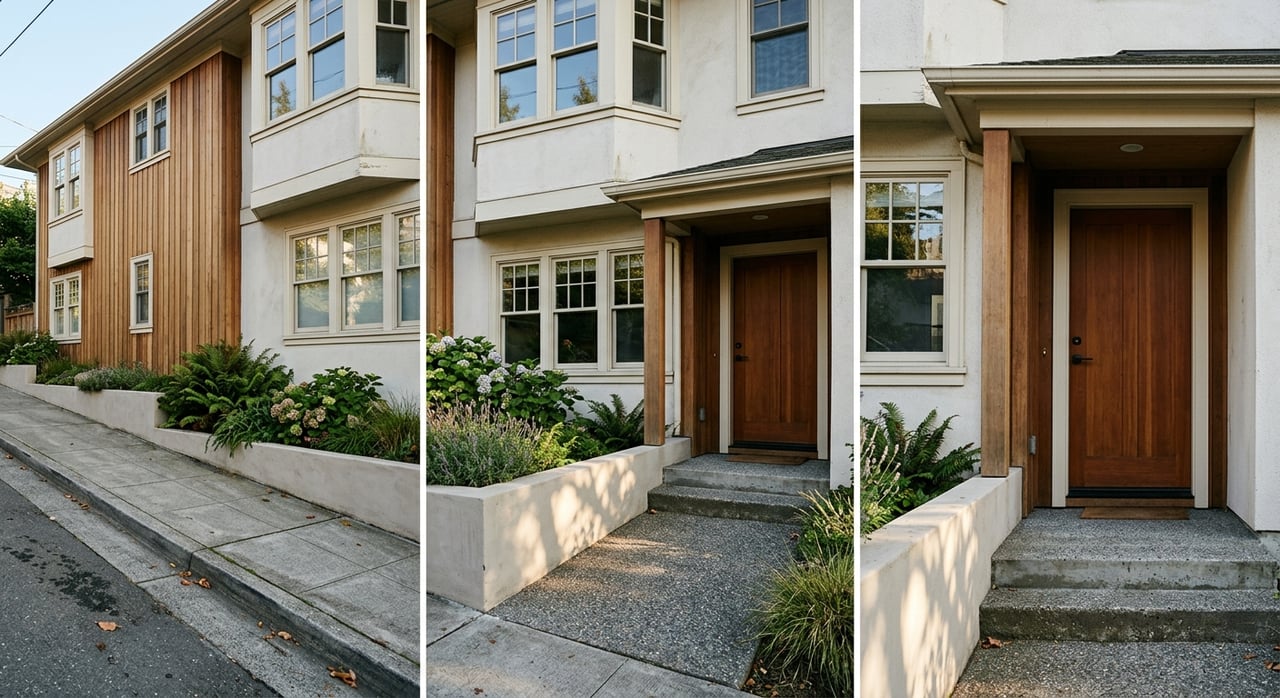
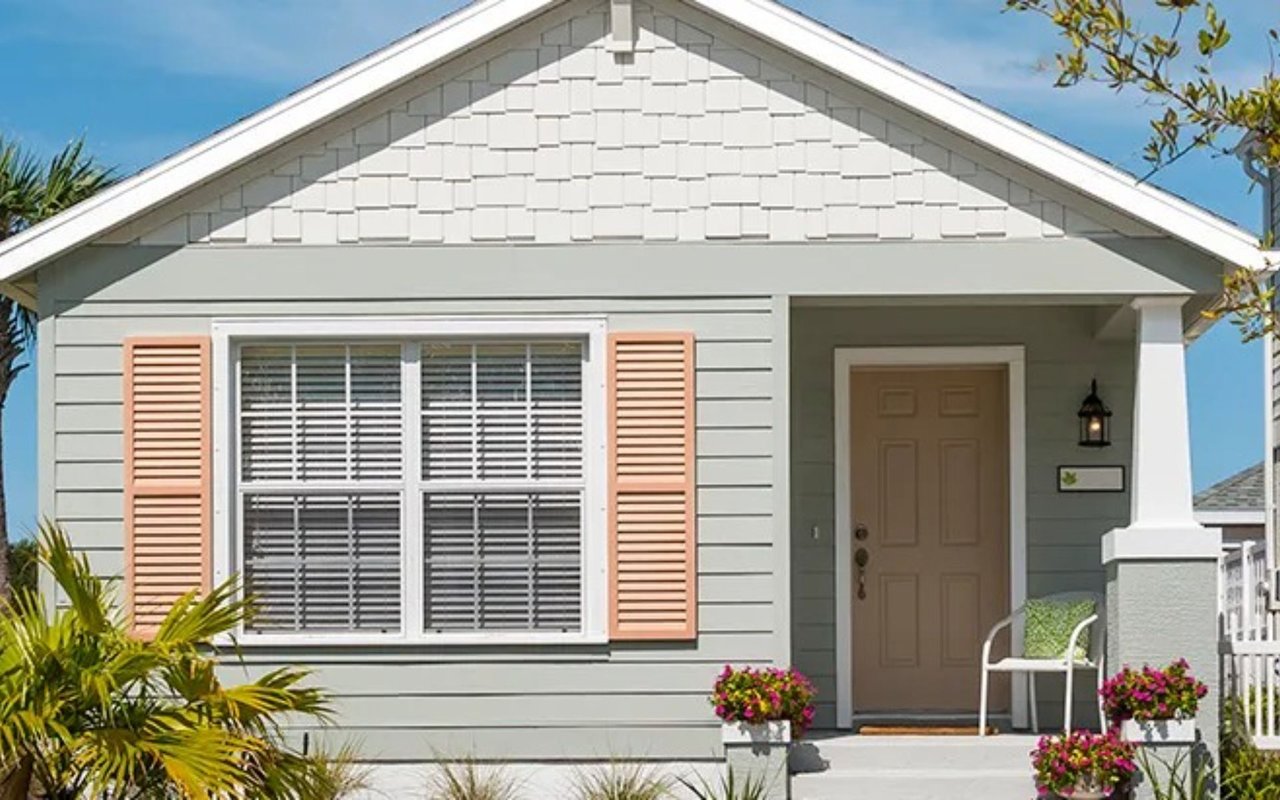
When matching house features — like fitting shutters to windows — precision matters. Even slight overlaps or gaps are visible and distracting. Many builders use planning tools for micro-adjustments before final installation. A commitment to exact measurements demonstrates attention to detail that clients appreciate.
Perfect Alignment
Mounting points and drill holes should be measured exactly. Corners, seams, and apertures define a home's lines — and misaligned finishes disrupt those lines. In a well-aligned design, the client’s eye is naturally drawn to focal points rather than flaws.
Perfect Closures
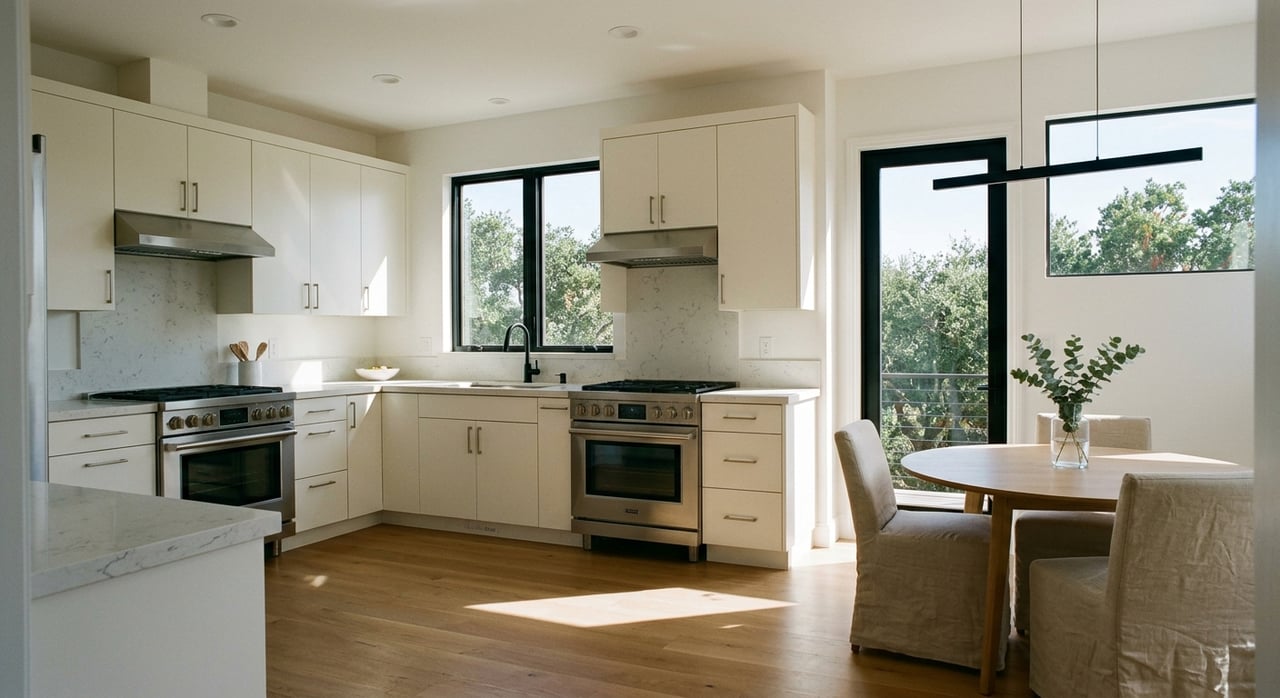
Cabinets that bump when they close or doors that hang unevenly can sour a buyer’s impression. But perfectly balanced doors that close smoothly show craftsmanship and elevate the user experience. These are signs of real care — not just technical skill.
2. Professionally Complete Installations
Professionalism goes beyond simply finishing the job. It’s about completing every detail with care, including elements that only come from training and experience.
Thresholds and Molding
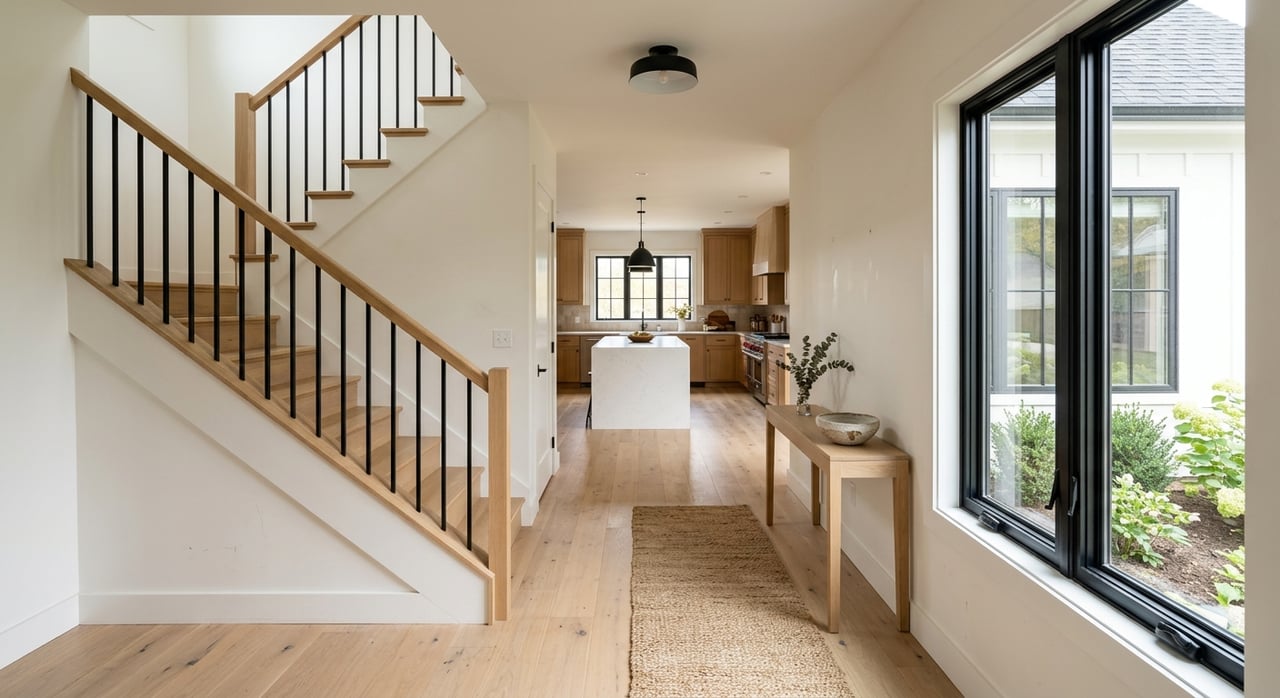
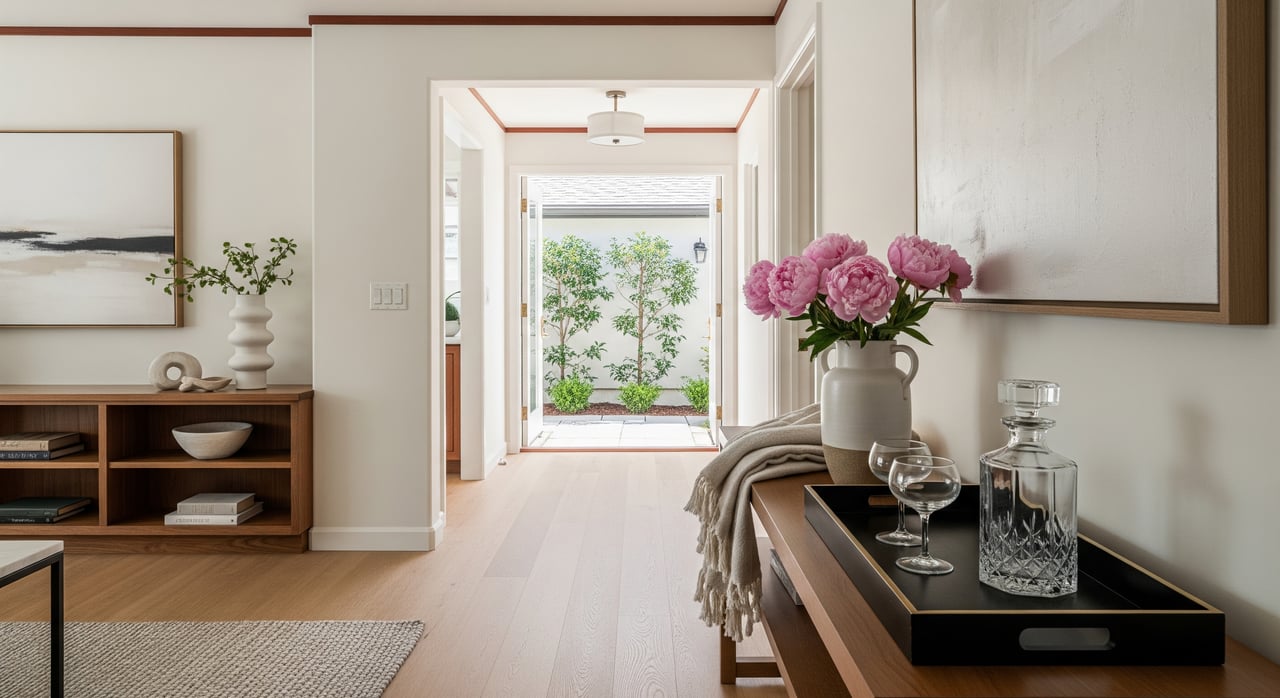
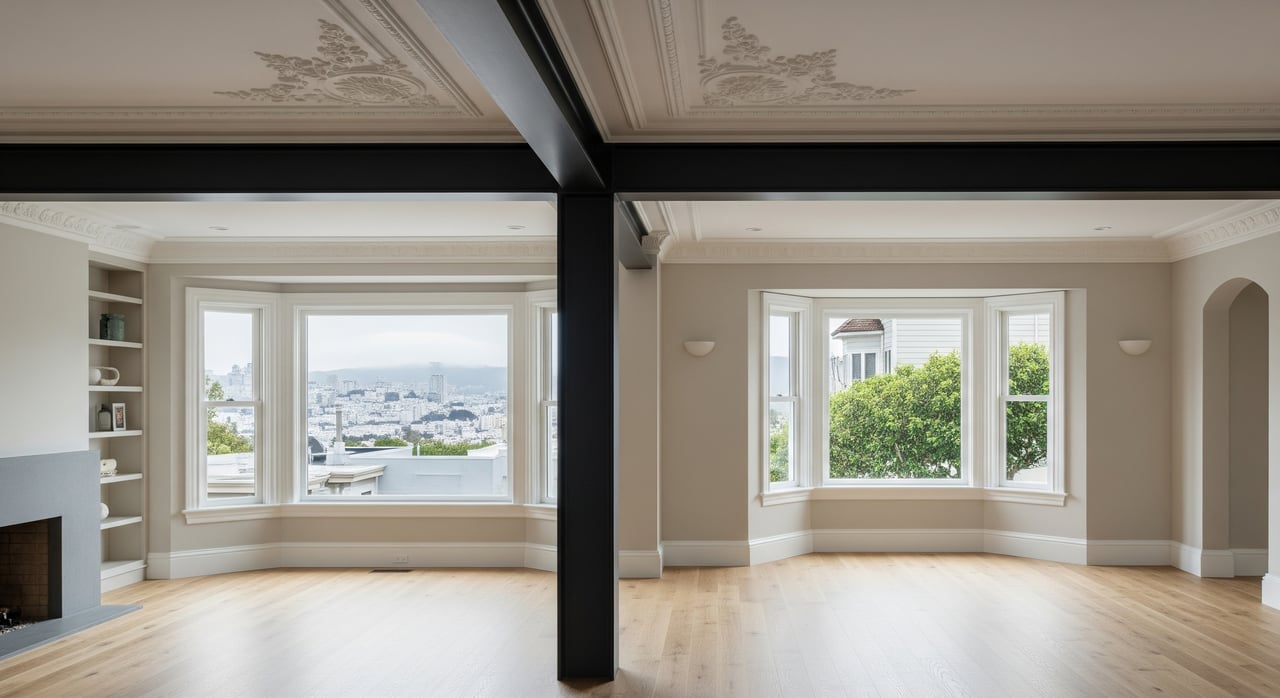
Transitions between materials are essential. Molding smooths and reinforces joints between walls and ceilings or walls and floors, offering both aesthetic appeal and protection. Similarly, thresholds ensure that there are no nails or ridges between flooring changes — an often-overlooked feature that makes a big difference in perceived quality.
Caulked Seams
Seams are inevitable — between walls, baseboards, trims — but shadows from unsealed gaps catch a buyer’s eye. Caulking is the solution. A well-caulked seam removes visual distractions and presents a seamless, clean aesthetic.
Perfectly Matching Elements
Over time, many homes acquire mismatched design features. One of the finishing touches that show quality installation is consistency — matching all shutters, trims, and structural accents to maintain harmony throughout the home.
Polyurethane Trim
High-performance materials like polyurethane trim offer a clean, polished look while providing long-term durability. Polyurethane doesn’t just look good — it also resists moisture and wear, indoors and out. Clients appreciate the lower maintenance and lasting appeal.
3. Paint and Polish
Everyone in the real estate and building industry understands the power of paint. A simple repaint can completely transform a home — inside and out.
Compelling Color Palette
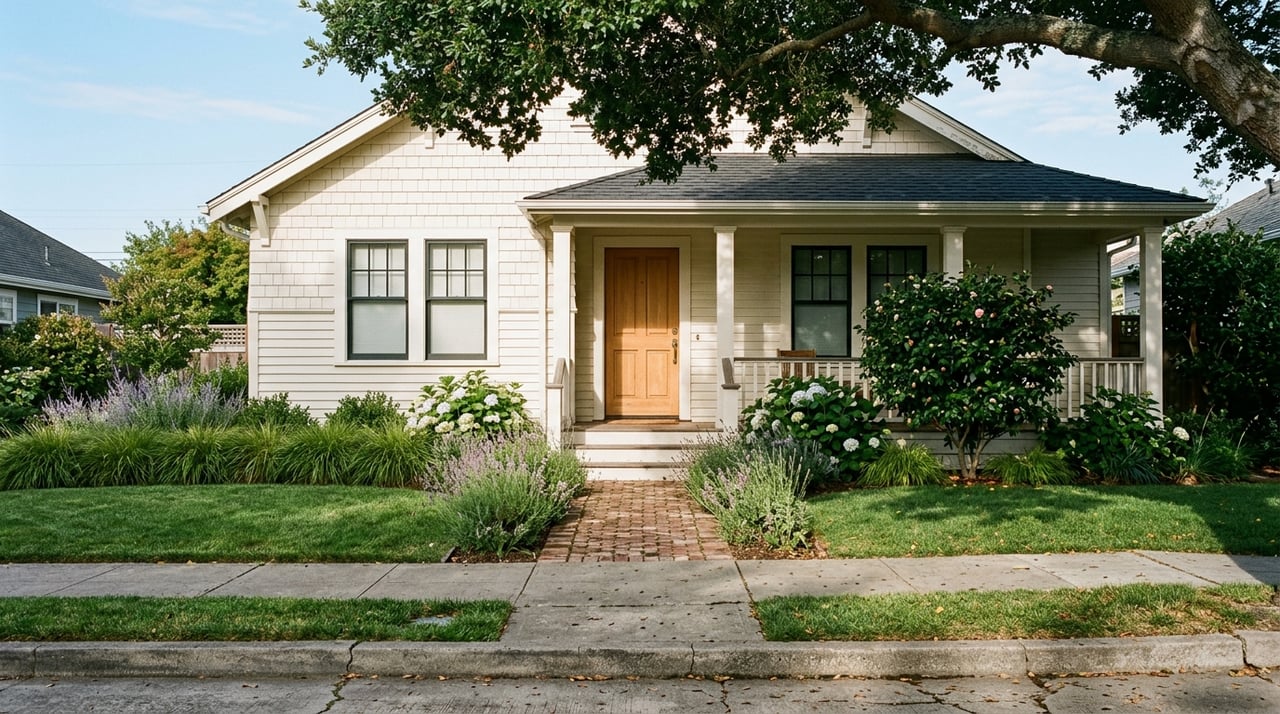
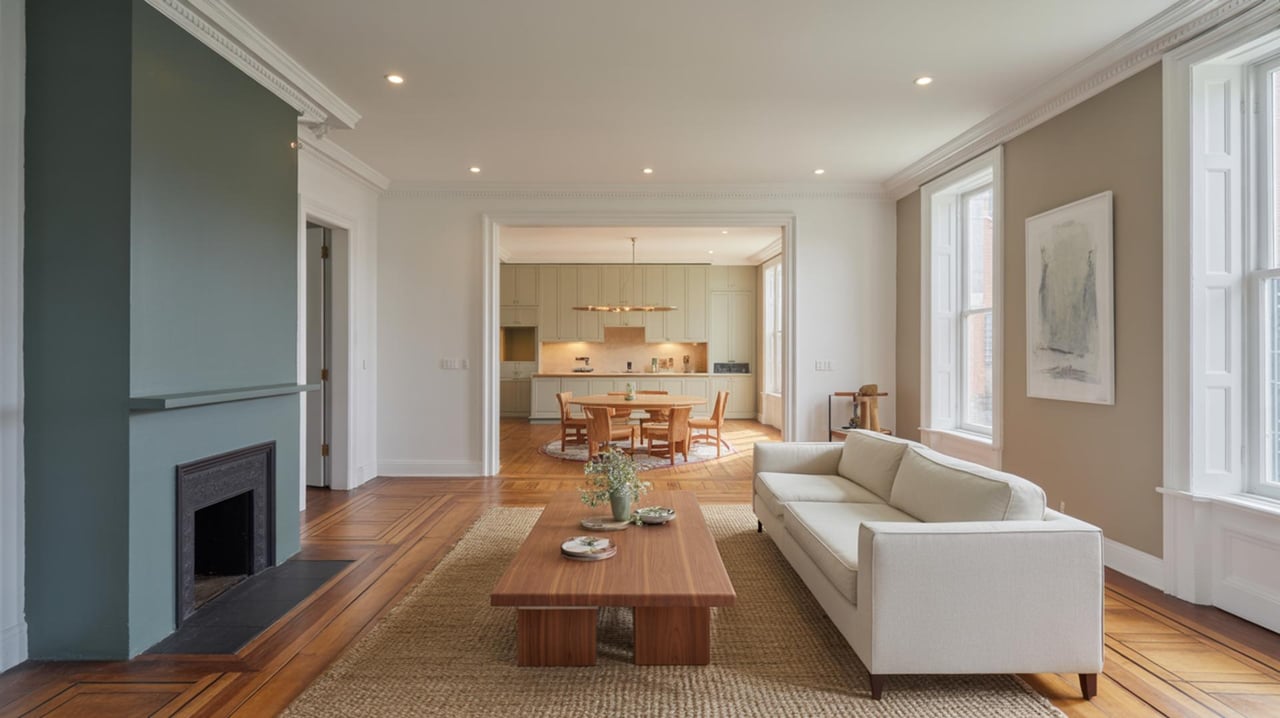
Color gives a home personality. Whether the desired effect is cozy, bold, or timeless, your choice of color palette plays a vital role in shaping the experience. It’s one of the first things clients notice and often one of the longest-lasting impressions.